The concept of a training idler, though seemingly simple, is crucial for ensuring the longevity and efficient operation of conveyor systems across various industries. From mining and manufacturing to logistics and agriculture, the proper functioning of idlers – and specifically, those undergoing regular training – directly impacts productivity, reduces downtime, and lowers maintenance costs. Understanding the principles behind training idler systems is paramount for engineers, technicians, and operators seeking to optimize their conveyor infrastructure.
Globally, the need for robust and reliable material handling solutions is constantly increasing, driven by expanding economies and growing demand for goods. The World Bank estimates that global trade volumes will continue to rise, necessitating improvements in infrastructure, including conveyor systems. ISO standards (such as ISO 5667) emphasize the importance of preventative maintenance, which includes proper idler training, to ensure safety and reliability. Failing to address idler performance can lead to significant financial losses and operational disruptions.
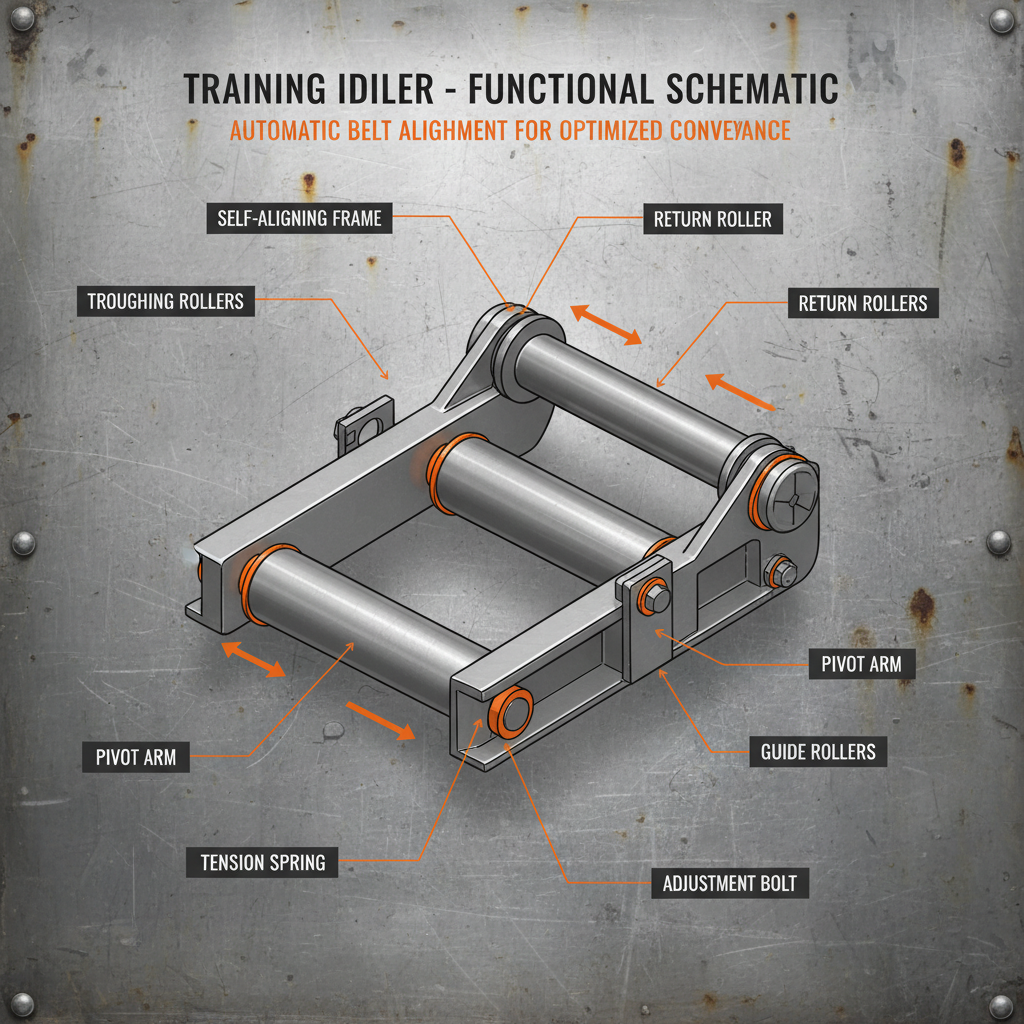
A training idler isn't just a static component; it's a dynamically adjusted roller within a conveyor system, specifically designed to guide the belt and prevent misalignment. This process, known as 'training', involves carefully adjusting the idler's position and angle to ensure the belt remains centered, minimizing wear and tear, and maximizing the efficiency of the conveyor system. Effective training is a proactive approach to maintenance, preventing more significant issues down the line.
The Importance of Training Idler Systems
A properly trained idler significantly contributes to the overall efficiency of a conveyor belt system. Without adequate training, belts can wander, leading to increased friction, accelerated wear, and potential damage to both the belt and the supporting structure. This ultimately results in costly downtime and repairs. Investing in effective training idler solutions is a proactive step towards maintaining operational stability.
The financial implications of neglecting idler training are substantial. Beyond the direct cost of replacing damaged belts and idlers, there's the indirect cost of lost production and the potential for safety hazards. Regular inspection and adjustment of training idlers, facilitated by understanding the underlying principles of their operation, are crucial for minimizing these risks. Explore training idler solutions for proactive maintenance.
Defining Training Idlers: A Comprehensive Overview
At its core, a training idler is a specifically designed roller within a conveyor system intended to actively correct belt misalignment. Unlike standard carry or return idlers, training idlers have a degree of adjustability, allowing technicians to subtly alter their position and angle. This adjustment guides the belt back to its intended path, preventing it from drifting off-center. The training process is vital for maintaining consistent material flow and preventing system failures.
The connection to modern industry lies in the increasing demand for automated and efficient material handling. As production volumes increase and labor costs rise, the need for reliable conveyor systems becomes even more critical. Training idlers are an essential component in achieving this reliability, reducing manual intervention and maximizing throughput. They contribute directly to the overall effectiveness of a production line or logistics operation.
In humanitarian contexts, efficient material handling is also critical. For example, in disaster relief scenarios, rapidly deploying and maintaining conveyor systems for distributing essential supplies relies on robust components like correctly trained idlers. Their ability to function reliably under challenging conditions is a significant advantage.
Key Factors Influencing Training Idler Performance
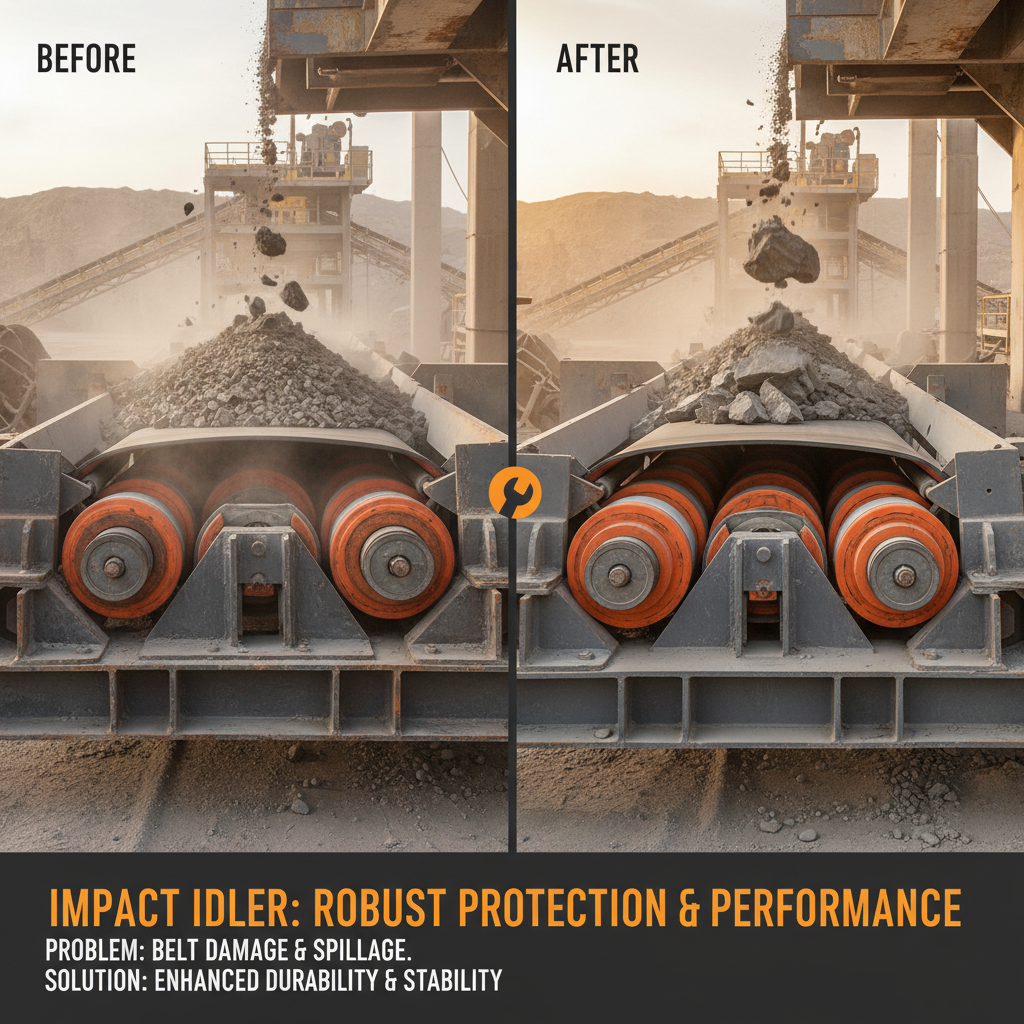
Several key factors determine the effectiveness of a training idler system. Durability is paramount; idlers must withstand the constant stress and abrasion inherent in conveyor operation. The quality of the materials used in construction, the bearing design, and the overall robustness of the idler directly impact its lifespan and performance.
Scalability refers to the ability of the training idler system to adapt to varying belt widths and load capacities. A versatile system should be easily adjustable to accommodate changes in production requirements. Cost-efficiency isn't just about the initial purchase price; it encompasses the total cost of ownership, including maintenance, repairs, and replacement.
Proper alignment is crucial. Even the highest-quality idler will perform poorly if it isn’t correctly positioned and aligned within the conveyor framework. Regular inspection and adjustment are therefore essential. Finally, the responsiveness of the training mechanism – how quickly and effectively it reacts to belt misalignment – significantly impacts its overall performance.
Training Idler Applications Across Industries
Training idlers find application in a diverse range of industries. In mining, they are vital for transporting ore and minerals over long distances, often in harsh environments. Their robust design ensures continuous operation, even under heavy loads and extreme weather conditions.
Within manufacturing, training idlers are essential for assembly lines, material handling systems, and packaging processes. They contribute to the smooth and efficient flow of materials, maximizing production output. In logistics and warehousing, they are used in sorting systems, conveyor networks, and distribution centers, facilitating the rapid and accurate movement of goods.
Training Idler Performance by Method
Advantages and Long-Term Value of Effective Training
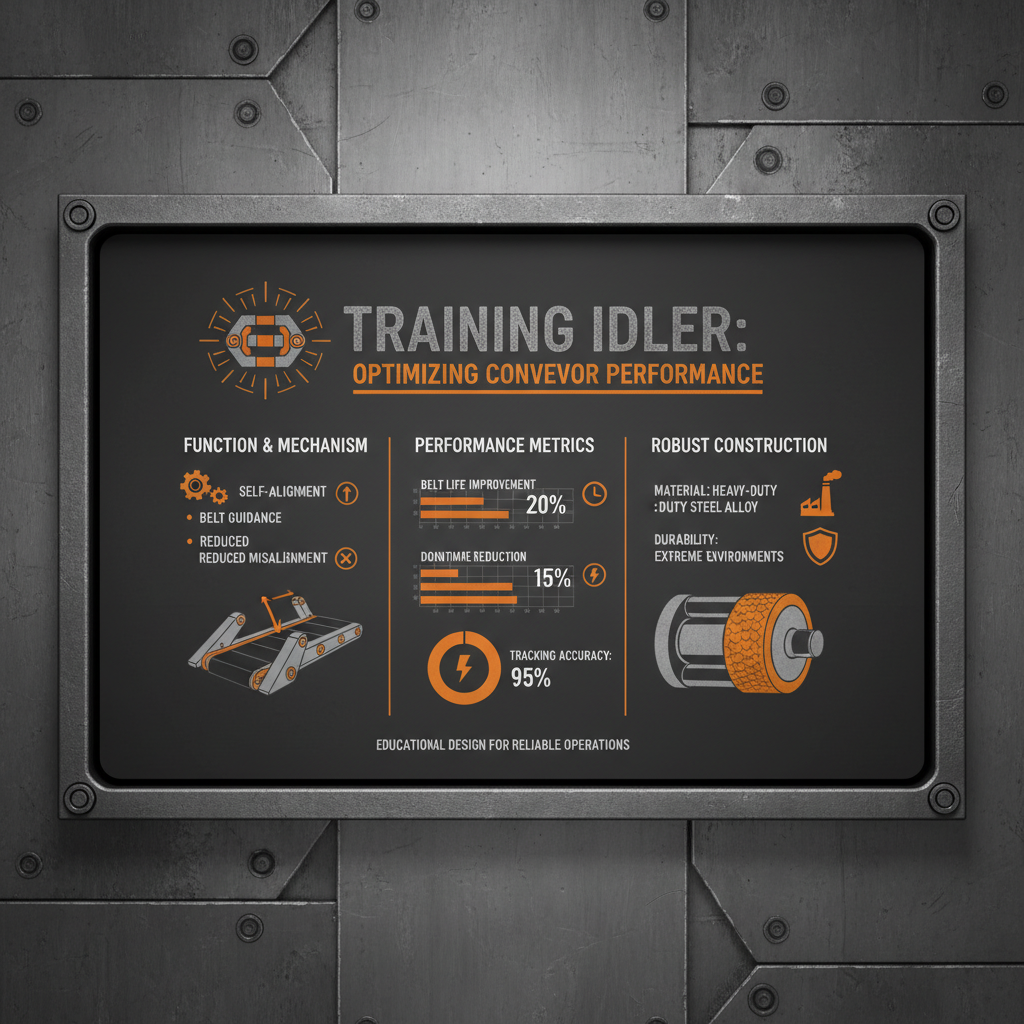
The tangible benefits of investing in a well-maintained training idler system are significant. Reduced belt wear translates directly into lower replacement costs. Minimized downtime increases production efficiency and profitability. Lower energy consumption, resulting from reduced friction, contributes to sustainability and cost savings.
Beyond the quantifiable benefits, effective training also enhances safety. A properly aligned belt reduces the risk of accidents and injuries. It builds trust with stakeholders, demonstrating a commitment to operational excellence. Furthermore, embracing innovative training idler technologies showcases a forward-thinking approach and positions a company as a leader in its industry.
Future Trends and Innovations in Training Idler Technology
The future of training idler technology is focused on increased automation and integration with smart conveyor systems. Sensors embedded within idlers can monitor belt alignment in real-time, providing data for predictive maintenance and automated adjustments. This proactive approach minimizes downtime and optimizes performance.
Developments in materials science are also playing a role, with the emergence of lighter, more durable, and corrosion-resistant idler components. These materials extend the lifespan of idlers, reduce maintenance requirements, and improve overall system reliability. Furthermore, the integration of digital twin technology allows for virtual testing and optimization of training idler systems, reducing the need for costly physical prototypes.
Challenges and Solutions in Training Idler Implementation
A common challenge is the initial cost of implementing a sophisticated training idler system. However, this cost is often offset by the long-term savings in maintenance, repairs, and downtime. Another challenge is the need for skilled technicians to properly install, adjust, and maintain the system.
To address this, comprehensive training programs for maintenance personnel are essential. The use of remote monitoring and diagnostic tools can also reduce the need for on-site expertise. Furthermore, choosing a supplier that provides ongoing support and technical assistance can help ensure the long-term success of the implementation. Consider training idler solutions backed by robust support.
Finally, adapting training idler systems to existing conveyor infrastructure can sometimes be complex. Careful planning and assessment are crucial to ensure compatibility and optimal performance.
Summary of Training Idler Challenges and Solutions
| Challenge |
Impact on System |
Solution |
Implementation Cost |
| High Initial Investment |
May delay adoption |
Cost-benefit analysis, phased implementation |
Medium |
| Lack of Skilled Technicians |
Improper installation & maintenance |
Comprehensive training programs |
Low to Medium |
| Integration with Existing Systems |
Compatibility issues |
Detailed system assessment, custom solutions |
Medium to High |
| Environmental Factors (Dust, Moisture) |
Reduced idler lifespan |
Sealed bearings, corrosion-resistant materials |
Low |
| Real-time Monitoring |
Difficulty detecting subtle misalignments |
Sensor integration, remote diagnostics |
Medium |
| Belt Load Variations |
Dynamic misalignment |
Adjustable idler designs, automated control systems |
High |
FAQS
Training idlers offer a proactive solution to belt misalignment, addressing the root cause rather than just the symptom. Replacing a belt is a reactive measure that doesn't prevent future issues. Idlers continuously correct the belt’s path, reducing wear and tear, minimizing downtime, and extending the belt's lifespan. They are a more cost-effective and sustainable long-term solution compared to frequent belt replacements.
The frequency of inspection and adjustment depends on the operating environment and belt load. A good starting point is a weekly visual inspection for obvious misalignment. A more thorough inspection, including checking bearing condition and adjustment mechanisms, should be performed monthly. In high-demand applications, more frequent inspections may be necessary. Regular, preventative maintenance is key.
Several types exist, including self-adjusting, manually adjustable, and pivoting idlers. Self-adjusting idlers are ideal for environments with frequent belt shifts. Manually adjustable idlers are suitable for less dynamic systems, while pivoting idlers are effective for moderate misalignment. The best choice depends on your specific belt type, load capacity, and operating conditions. Contacting an idler specialist is recommended.
Generally, yes. However, it's crucial to select an idler compatible with your belt material and construction. Factors like belt thickness, width, and load capacity must be considered. For specialized belts (e.g., heat-resistant or oil-resistant), ensure the idler materials are also compatible to prevent damage and ensure optimal performance.
Signs include excessive noise, difficulty adjusting the idler, visible damage to the housing or bearings, and continued belt misalignment despite adjustment. Worn bearings can cause increased friction and reduce the idler's effectiveness. Replacing a faulty idler promptly prevents further damage to the conveyor system.
Proper maintenance directly enhances safety. Misaligned belts can cause material spillage, creating slip and trip hazards. Worn idlers can fail catastrophically, leading to potential injuries. Regular inspection and adjustment minimize these risks, ensuring a safe working environment for personnel and preventing costly accidents.
Conclusion
In conclusion, a training idler system is not merely a component of a conveyor belt, but a vital investment in efficiency, safety, and long-term cost savings. From minimizing downtime and reducing belt wear to enhancing operational reliability and promoting sustainability, the benefits are multifaceted and significant. Implementing a robust training idler strategy, coupled with regular inspection and maintenance, is crucial for optimizing material handling processes across a wide range of industries.
Looking ahead, the integration of smart technologies and predictive maintenance capabilities promises to further revolutionize training idler performance. Embracing these innovations will enable proactive management, minimize disruptions, and maximize the return on investment. To learn more about implementing effective training idler solutions for your specific needs, visit our website: www.idleraohua.com.