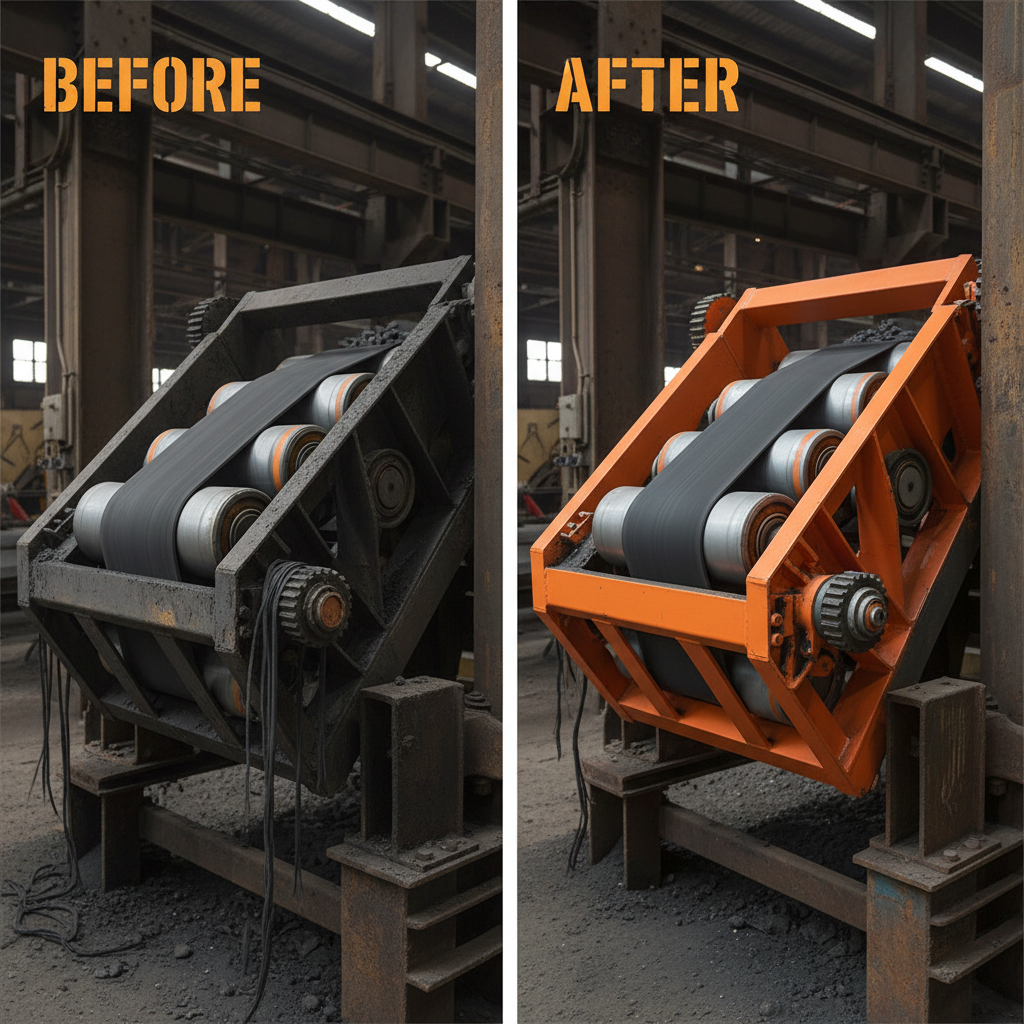
Polyurethane idler rollers are essential components in a vast array of material handling systems, playing a crucial role in industries ranging from logistics and manufacturing to agriculture and mining. Their increasing adoption is driven by a need for durable, reliable, and cost-effective solutions for supporting and guiding conveyor belts and other moving systems. Understanding the properties and applications of these rollers is becoming increasingly important as industries strive for greater efficiency and reduced downtime.
Globally, the demand for efficient material handling is rising, fueled by factors such as expanding e-commerce, growing manufacturing output in emerging economies, and the need for optimized supply chains. The United Nations forecasts continued population growth and urbanization, further increasing the demand for logistical infrastructure. Polyurethane idler rollers are key to meeting these demands, offering advantages over traditional metal rollers in terms of wear resistance, noise reduction, and overall system performance.
The benefits extend beyond pure efficiency; polyurethane idler rollers contribute to safer working environments, reduce maintenance costs, and promote sustainable practices through longer service life and reduced material waste. Their versatility makes them adaptable to diverse operational needs, solidifying their place as a vital element in modern industrial processes.
Introduction to Polyurethane Idler Rollers
Polyurethane idler rollers represent a significant advancement in material handling technology. They are designed to support conveyor belts, reducing friction and ensuring smooth, efficient movement of goods. Unlike traditional metal rollers, polyurethane offers a unique combination of properties that make it ideal for a wide range of applications, from light-duty packaging lines to heavy-duty mining operations. The core benefit lies in their ability to improve system reliability and reduce overall operational costs.
The choice of material, in this case polyurethane, directly impacts the performance and longevity of the entire conveyor system. Polyurethane’s inherent flexibility and resilience lead to quieter operation and reduced impact damage to conveyed materials. This is particularly critical in industries handling fragile or sensitive products. Investing in high-quality polyurethane idler rollers translates to increased productivity and minimized product loss.
Defining Polyurethane Idler Rollers
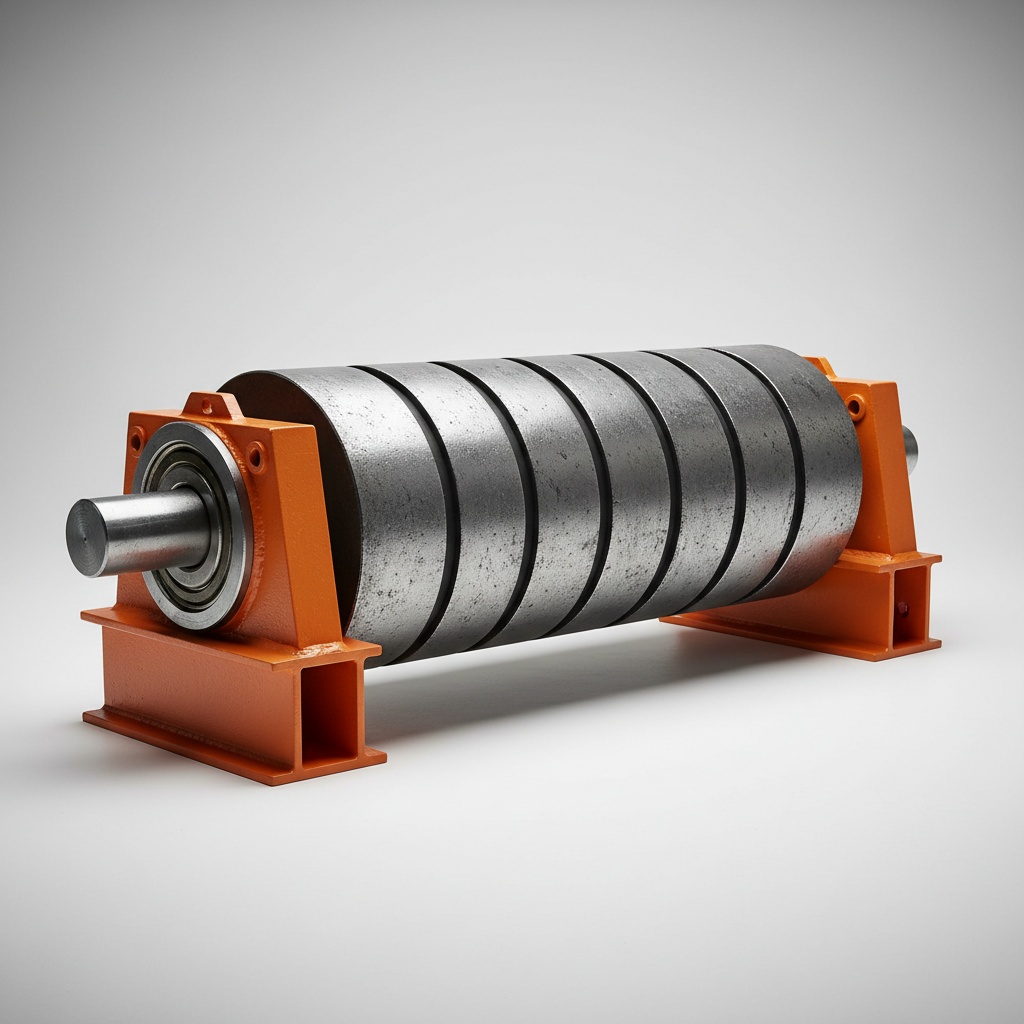
Polyurethane idler rollers are cylindrical components used within conveyor systems to support the load and facilitate the movement of belts. They are constructed with a core, typically steel or aluminum, and an outer layer of polyurethane elastomer. This combination provides the structural strength necessary to withstand heavy loads, while the polyurethane coating delivers exceptional wear resistance, grip, and noise damping characteristics.
These rollers aren't simply 'supporting actors' in a material handling system; they actively contribute to its efficiency. They minimize friction, preventing belt slippage and reducing the energy required to operate the conveyor. This is particularly important in operations where energy conservation is a priority. Furthermore, their ability to absorb impacts protects both the belt and the conveyed materials from damage.
The connection to modern industry is profound. As businesses increasingly rely on automated material handling systems to streamline operations and reduce labor costs, the demand for reliable and high-performing components like polyurethane idler rollers continues to grow. They are integral to the efficiency of modern supply chains, enabling the smooth flow of goods from manufacturers to consumers.
Core Characteristics of Polyurethane Idler Rollers
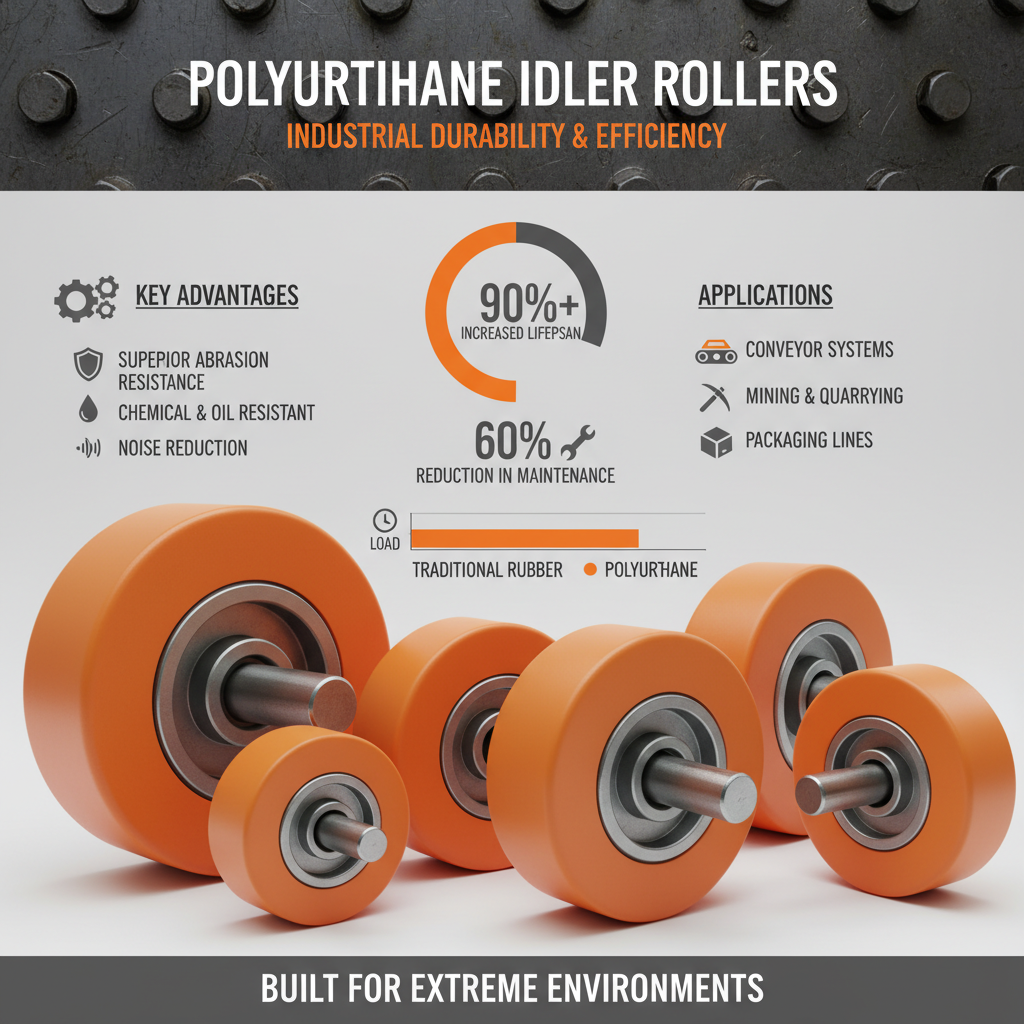
Polyurethane idler rollers distinguish themselves through a unique blend of material properties. Their superior abrasion resistance prevents premature wear, extending their service life significantly compared to metal alternatives. This translates to lower maintenance costs and reduced downtime, providing a substantial return on investment. polyurethane idler rollers also exhibit excellent chemical resistance, making them suitable for use in harsh industrial environments.
Another critical characteristic is their noise reduction capability. The inherent damping properties of polyurethane significantly minimize noise levels during operation, creating a safer and more comfortable working environment. This is especially important in facilities where noise pollution is a concern, such as food processing plants or distribution centers. They also exhibit a higher coefficient of friction than metal, contributing to improved belt tracking and reduced slippage.
Finally, polyurethane’s flexibility allows for a degree of compliance, meaning these rollers can better absorb impacts and conform to slight irregularities in the conveyor system. This reduces stress on the belt and other components, further enhancing their longevity. The versatility of polyurethane also allows for customization in terms of hardness, color, and shape to meet specific application requirements.
Key Performance Factors
The performance of polyurethane idler rollers is influenced by several key factors. Shore hardness, a measure of polyurethane’s resistance to indentation, is crucial. Harder rollers are more resistant to wear but offer less impact absorption, while softer rollers provide better cushioning but wear more quickly. Selecting the appropriate hardness level is critical for optimal performance in a given application.
Load capacity is another vital factor. Rollers must be able to support the weight of the belt and the conveyed materials without deformation or failure. Roller diameter also impacts performance; larger diameters generally reduce friction but require more space. Proper sizing and selection are essential for maximizing efficiency and ensuring long-term reliability.
Polyurethane Idler Roller Performance Comparison
Diverse Global Applications
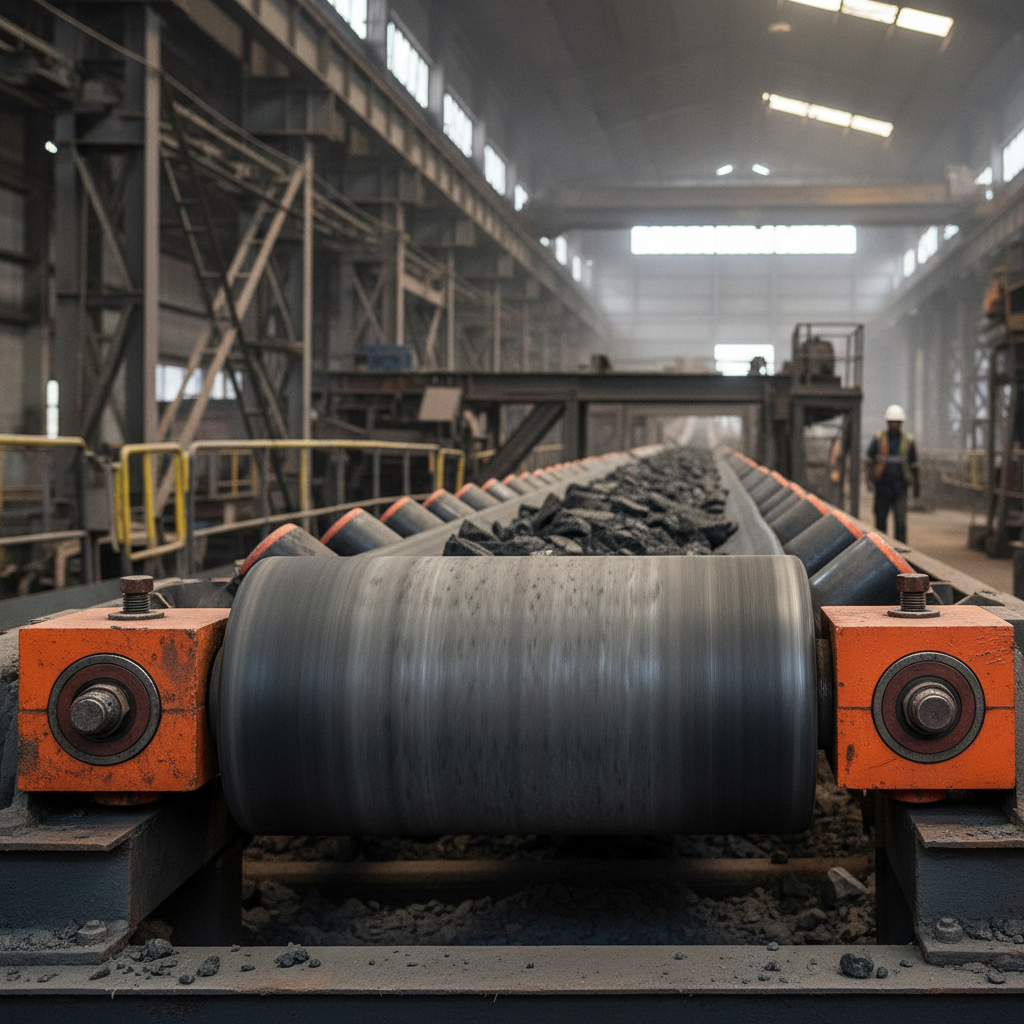
Polyurethane idler rollers find applications across a vast spectrum of industries worldwide. In the mining sector, they provide reliable support for heavy-duty conveyor systems transporting ore and other materials in challenging environments. In logistics and warehousing, they ensure the smooth and efficient movement of packages and pallets.
The food processing industry benefits from their hygienic properties and low noise levels, making them ideal for use in sensitive production areas. Agricultural operations utilize them for handling harvested crops and other agricultural products. From automated assembly lines in automotive manufacturing to baggage handling systems in airports, polyurethane idler rollers are crucial components in countless industrial processes.
In remote industrial zones, where access to maintenance and replacement parts can be limited, the durability of these rollers is especially valuable, minimizing downtime and ensuring continuous operation. Similarly, in post-disaster relief operations, the resilience and reliability of these rollers can be critical for establishing temporary logistics networks.
Long-Term Benefits and Value Proposition
The long-term benefits of investing in polyurethane idler rollers extend far beyond initial cost savings. Their superior wear resistance translates to significantly longer service life, reducing the frequency of replacements and lowering overall maintenance costs. This translates into increased uptime and improved operational efficiency, maximizing productivity and profitability.
The reduced noise levels contribute to a safer and more comfortable working environment, improving employee morale and reducing the risk of workplace accidents. Furthermore, the sustainable nature of polyurethane, with its recyclability and reduced energy consumption during production, aligns with growing environmental concerns and corporate social responsibility initiatives.
Future Trends and Innovations
The future of polyurethane idler roller technology is poised for continued innovation. Researchers are exploring new polyurethane formulations with enhanced properties, such as increased abrasion resistance, improved temperature tolerance, and greater chemical compatibility. The integration of smart sensors into rollers is also gaining traction, enabling real-time monitoring of performance and predictive maintenance capabilities.
Developments in digital transformation and automation are driving the demand for rollers that can seamlessly integrate with Industry 4.0 systems, providing valuable data insights and enabling optimized control of conveyor systems. A focus on sustainable materials and manufacturing processes is also expected to shape future advancements, with a growing emphasis on bio-based polyurethanes and circular economy principles.
The rise of green energy initiatives further drives the demand for efficient material handling solutions, as reducing energy consumption becomes paramount. Polyurethane idler rollers, with their low friction characteristics, are well-positioned to contribute to these efforts, helping businesses achieve their sustainability goals.
Challenges and Solutions
Despite their numerous advantages, polyurethane idler rollers can face certain challenges. Temperature fluctuations can affect the performance of some polyurethane formulations, leading to changes in hardness and wear resistance. Proper material selection and environmental control are crucial for mitigating this issue.
Another challenge is the potential for degradation from exposure to certain chemicals or solvents. Selecting polyurethane formulations with appropriate chemical resistance is essential for ensuring long-term durability in harsh environments. Regular inspection and maintenance are also critical for identifying and addressing any signs of wear or damage.
Innovative solutions are emerging to address these challenges, including the development of advanced polyurethane coatings that offer enhanced chemical and temperature resistance. Predictive maintenance strategies, powered by data analytics and sensor technology, are also helping to optimize roller performance and prevent unexpected failures, ultimately maximizing the return on investment.
Summary of Key Challenges and Solutions for Polyurethane Idler Rollers
| Challenge |
Impact on Performance |
Solution |
Effectiveness Rating (1-10) |
| Temperature Sensitivity |
Changes in Hardness & Wear |
Select Temperature-Resistant Formulation |
8 |
| Chemical Exposure |
Degradation & Reduced Lifespan |
Chemically Resistant Polyurethane |
9 |
| Wear & Abrasion |
Reduced Performance & Frequent Replacement |
High-Abrasion Polyurethane Blends |
7 |
| Impact Damage |
Cracking & Failure |
Rollers with Shock-Absorbing Core |
6 |
| Lack of Monitoring |
Unscheduled Downtime |
Smart Sensor Integration |
7 |
| Improper Installation |
Uneven Wear & Belt Tracking Issues |
Professional Installation & Alignment |
8 |
FAQS
Polyurethane idler rollers offer several key advantages. They are significantly lighter than steel rollers, reducing stress on the conveyor system. They also exhibit superior abrasion resistance, resulting in a longer service life and reduced maintenance costs. Furthermore, polyurethane’s damping properties minimize noise and reduce impact damage to conveyed materials. This combination of benefits often justifies the initial investment compared to steel alternatives.
Choosing the correct Shore A hardness depends on several factors, including the weight of the conveyed material, the conveyor speed, and the operating environment. Softer rollers (lower Shore A) provide better cushioning and grip but wear more quickly, ideal for fragile materials. Harder rollers (higher Shore A) offer greater wear resistance and are suitable for heavier loads. Consulting with a polyurethane specialist is recommended to determine the optimal hardness for your specific needs.
The lifespan of a polyurethane idler roller varies widely based on operating conditions and the quality of the roller. However, a well-maintained roller in a typical application can last anywhere from 2 to 5 years, often exceeding the lifespan of steel rollers. Factors like load, speed, temperature, and exposure to chemicals all influence longevity. Regular inspection and timely replacement are crucial for maximizing service life.
While polyurethane generally has good temperature resistance, prolonged exposure to extremely high temperatures can lead to degradation. Specialized polyurethane formulations are available that can withstand higher temperatures, but it’s essential to verify the temperature rating of the roller before use. It's crucial to check the manufacturer's specifications and ensure compatibility with your operating environment.
Regular inspection is vital. Check for wear, cracks, or damage to the polyurethane coating. Keep the rollers clean and free from debris. Ensure proper lubrication of bearings. Periodically assess belt alignment to prevent uneven wear. Addressing minor issues promptly can significantly extend the rollers’ lifespan and reduce costly downtime.
Yes, polyurethane can be recycled, although the process is not as widespread as with some other materials. Specialized recycling facilities are capable of breaking down polyurethane and recovering valuable components. As sustainability becomes increasingly important, the demand for polyurethane recycling is expected to grow, offering a more environmentally friendly disposal option.
Conclusion
In conclusion, polyurethane idler rollers represent a significant advancement in material handling technology, offering a compelling combination of durability, reliability, and cost-effectiveness. Their versatility allows them to thrive in a diverse range of industries, contributing to improved operational efficiency, reduced maintenance costs, and a safer working environment. The inherent properties of polyurethane – abrasion resistance, shock absorption, and low noise – make them a superior alternative to traditional metal rollers in many applications.
Looking ahead, continued innovation in polyurethane formulations and the integration of smart sensor technology promise even greater performance and efficiency. By embracing these advancements, businesses can unlock new levels of productivity and sustainability. To learn more about how polyurethane idler rollers can benefit your operations, visit our website today.