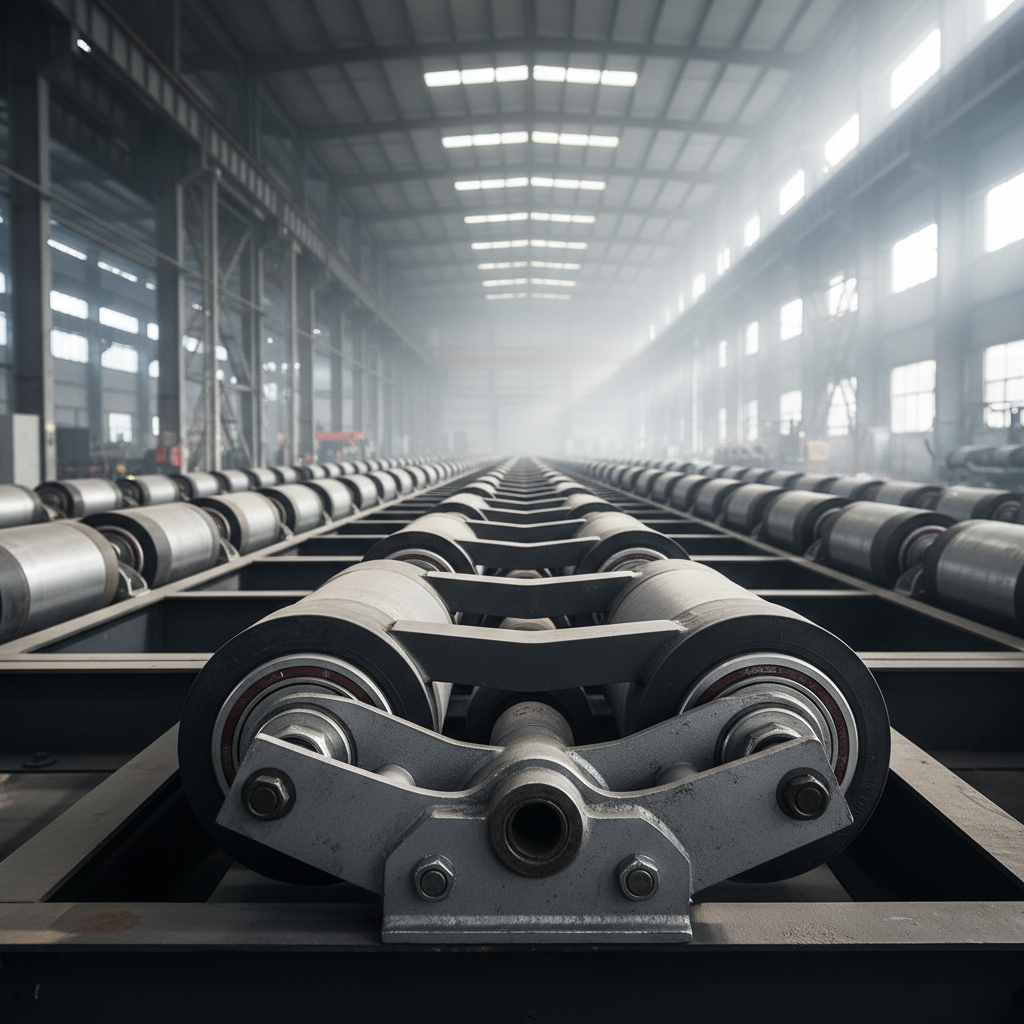
Urethane idler rollers are critical components in a wide array of material handling systems, impacting efficiency, reliability, and overall operational costs across industries. These rollers, distinguished by their durable polyurethane coating, offer superior performance compared to traditional metal or rubber alternatives, particularly in demanding environments. Understanding their applications and benefits is crucial for optimizing conveyor systems and ensuring smooth material flow.
The global demand for efficient logistics and robust industrial infrastructure is driving significant growth in the urethane idler roller market. According to industry reports, the conveyor systems market is projected to reach substantial figures in the coming years, with idler rollers representing a considerable portion of that expenditure. This demand is fueled by sectors like mining, agriculture, e-commerce, and manufacturing, all seeking reliable and cost-effective solutions for material handling.
The adoption of urethane idler rollers isn't merely a technological upgrade; it's a strategic investment. Their resilience minimizes downtime, reduces maintenance costs, and contributes to a safer working environment. The increasing focus on sustainability and reducing environmental impact further underscores the importance of durable, long-lasting components like these, reducing the need for frequent replacements and resource consumption.
Introduction to urethane idler rollers
Urethane idler rollers represent a significant advancement in conveyor technology. They’re designed to support conveyor belts, facilitating the smooth and efficient transport of materials. The polyurethane coating is the key differentiator, providing a combination of high load capacity, resistance to wear and tear, and operational silence. This makes them ideal for a vast range of applications, from light-duty packaging lines to heavy-duty mining operations.
Their impact extends beyond mere functionality. By reducing friction and minimizing belt damage, urethane idler rollers contribute to energy savings and prolonged belt life. This translates directly into lower operating costs and increased productivity for businesses relying on conveyor systems. Choosing the right idler roller, particularly a urethane variant, is a crucial decision for any organization invested in efficient material handling.
Defining Urethane Idler Rollers
Urethane idler rollers are cylindrical rollers used to support conveyor belts, allowing materials to be transported smoothly and efficiently. Unlike traditional metal or rubber rollers, these rollers feature a core – typically steel or aluminum – encased in a durable polyurethane coating. This polyurethane layer is engineered for specific properties, such as high abrasion resistance, load-bearing capacity, and chemical compatibility.
The core construction provides structural integrity, while the polyurethane surface handles the direct contact with the belt and conveyed materials. This combination delivers exceptional performance in challenging environments. Urethane idler rollers are not merely a component; they're a crucial element in the functionality of countless industrial processes.
Their significance lies in their ability to enhance efficiency and reduce downtime in modern industries. From automated warehouses to sprawling mining operations, urethane idler rollers facilitate the movement of goods and materials, streamlining workflows and improving overall productivity.
Key Characteristics of urethane idler rollers
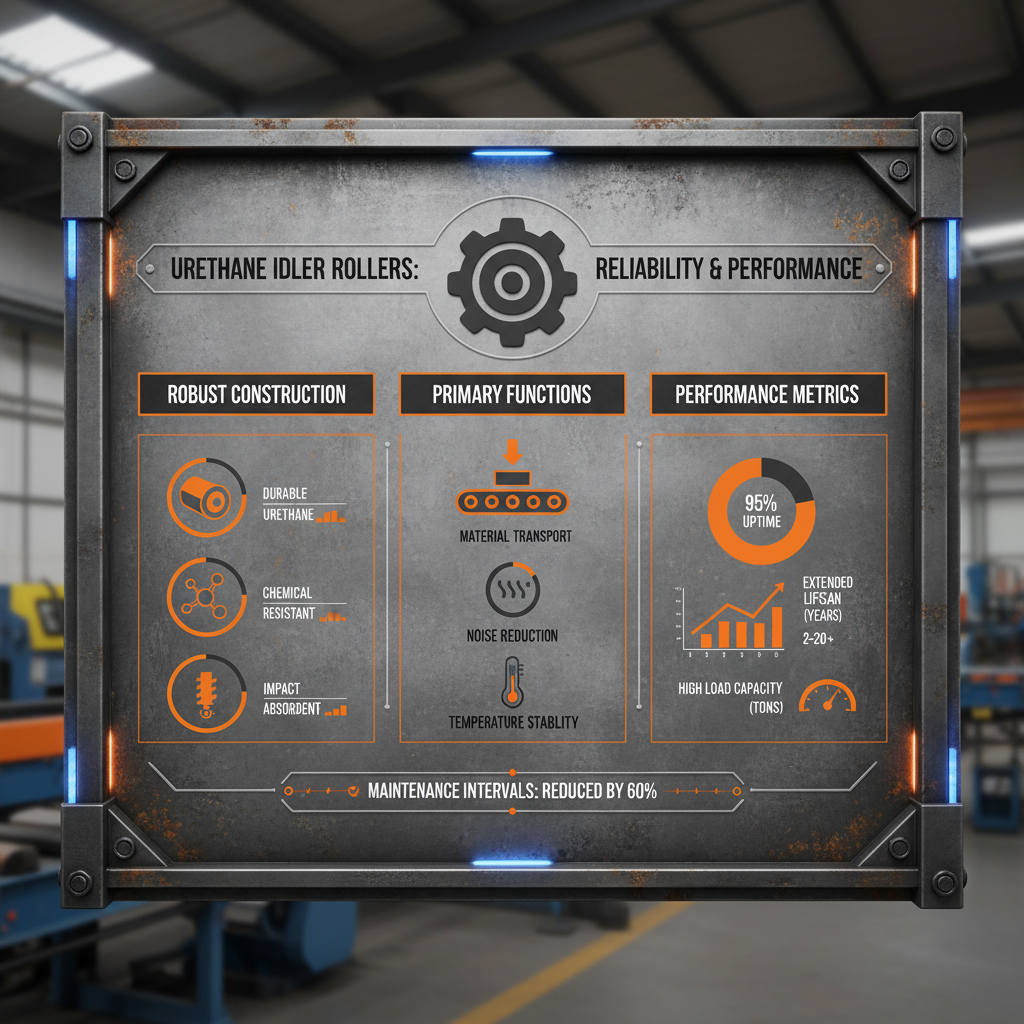
Durability is arguably the defining characteristic of urethane idler rollers. Polyurethane is exceptionally resistant to abrasion, impact, and tearing, significantly extending the roller’s lifespan compared to alternatives. This translates to reduced maintenance requirements and lower replacement costs.
Load Capacity is another critical factor. Urethane can be formulated to handle substantial loads without deformation or failure, making these rollers suitable for demanding applications like heavy-duty mining and aggregate handling. The ability to customize the urethane’s durometer (hardness) allows for tailored performance to specific load requirements.
Noise Reduction is a significant benefit. Polyurethane inherently dampens vibrations and impacts, resulting in quieter operation compared to metal rollers. This creates a more comfortable and safer working environment for personnel. Furthermore, the smoother surface reduces friction, leading to quieter belt travel.
Performance Metrics of urethane idler rollers
Evaluating the performance of urethane idler rollers requires consideration of several key metrics. Abrasion Resistance is measured by assessing the volume loss after subjecting the rollers to controlled abrasive wear tests. Higher abrasion resistance indicates a longer service life and reduced need for replacements.
Load Capacity is determined by assessing the maximum load the roller can withstand without experiencing permanent deformation or failure. This is typically expressed in kilograms or pounds. Coefficient of Friction is another important metric, indicating the resistance to movement between the roller surface and the conveyor belt. Lower friction translates to energy savings and reduced wear.
urethane idler rollers Performance Comparison
Global Applications of urethane idler rollers
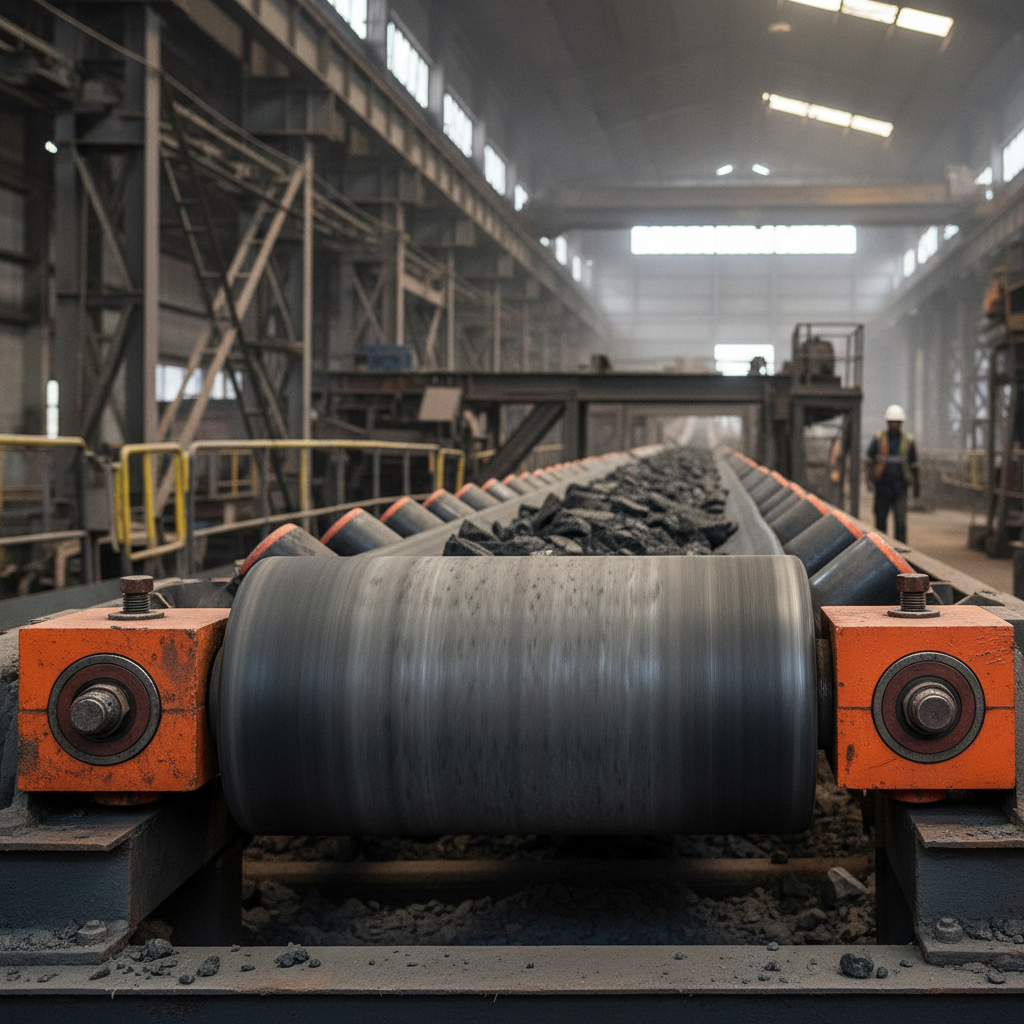
Urethane idler rollers find applications across diverse industries worldwide. In the mining sector, they're crucial for handling abrasive materials like coal, ore, and aggregates. Their durability minimizes downtime and ensures continuous operation in harsh environments. In the agricultural industry, they facilitate the transport of grains, fertilizers, and produce.
E-commerce fulfillment centers rely heavily on urethane idler rollers to manage the high volume of packages and materials. The smooth, quiet operation improves warehouse efficiency and creates a safer working environment. Additionally, they are used extensively in manufacturing plants, food processing facilities, and postal sorting systems.
Advantages and Long-Term Value
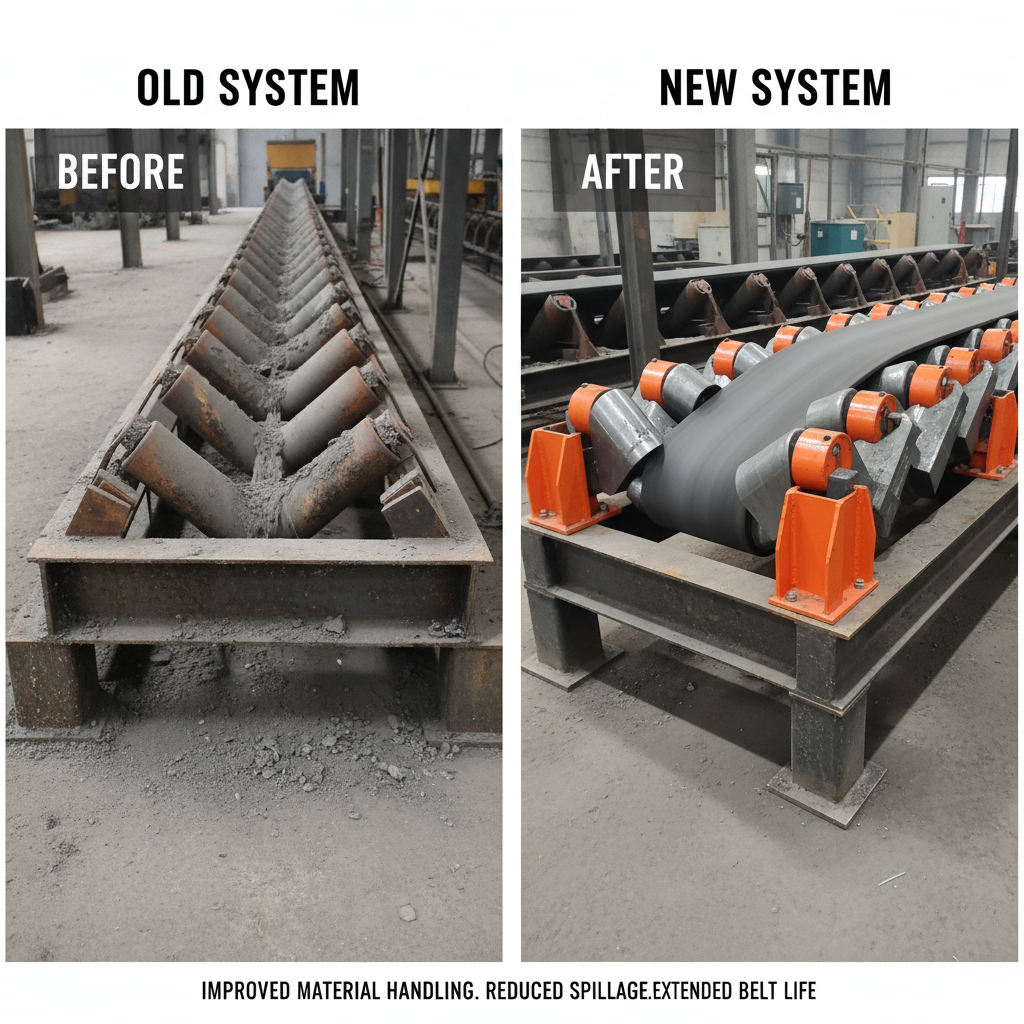
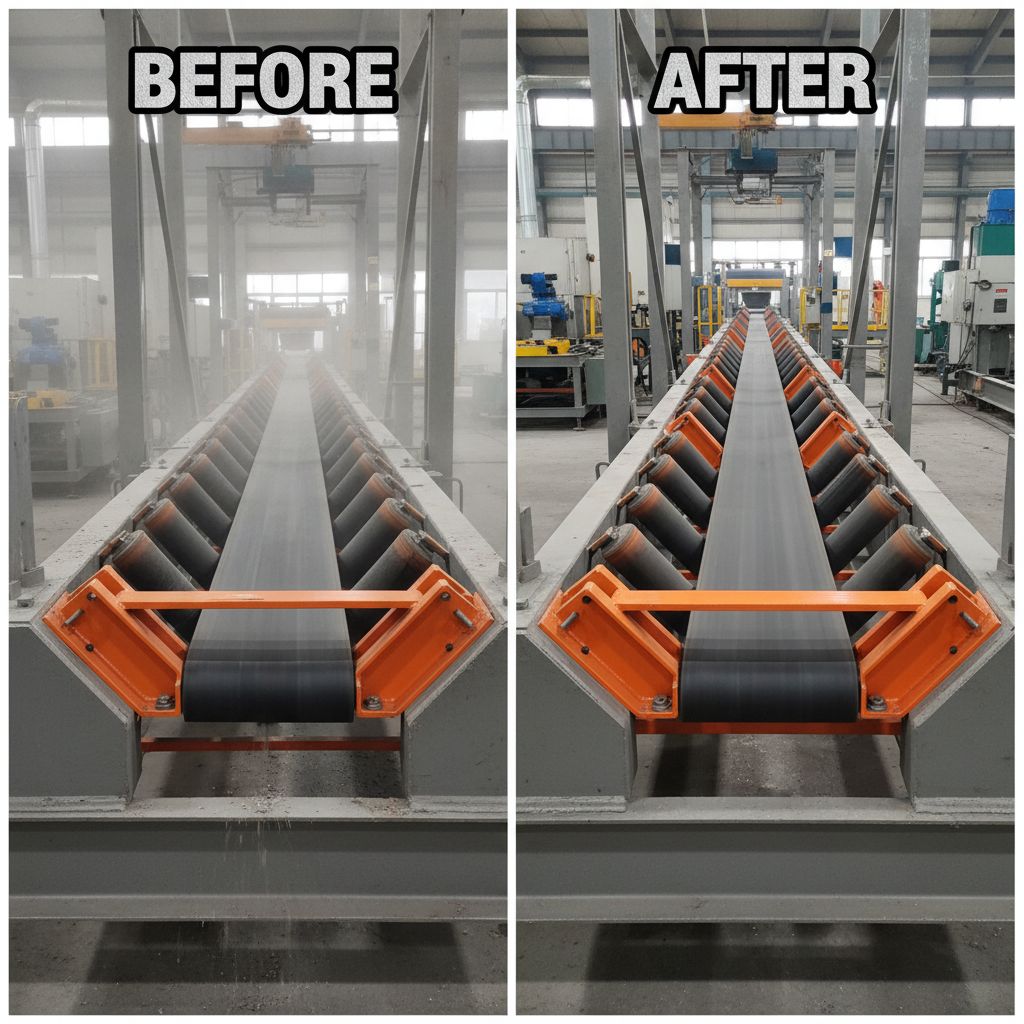
The advantages of investing in urethane idler rollers extend far beyond initial cost savings. Their exceptional durability translates into significantly reduced maintenance expenses and fewer replacements, contributing to a lower total cost of ownership. The improved energy efficiency, resulting from reduced friction, further enhances long-term value.
From a sustainability perspective, the long lifespan of urethane rollers reduces waste and minimizes the environmental impact associated with frequent replacements. This aligns with growing corporate social responsibility initiatives. Furthermore, the quieter operation enhances worker safety and improves the overall working environment.
Future Trends in urethane idler rollers
The future of urethane idler rollers is intertwined with advancements in material science and automation. Researchers are continually developing new polyurethane formulations with enhanced properties, such as increased abrasion resistance, higher load capacity, and improved chemical compatibility. Smart rollers, incorporating sensors to monitor performance and predict maintenance needs, are also emerging.
The integration of these rollers with Industrial Internet of Things (IIoT) platforms will enable proactive maintenance scheduling, minimizing downtime and optimizing performance. The growing emphasis on sustainable manufacturing will likely drive demand for bio-based polyurethane materials, further reducing the environmental footprint of these essential components.
The trend towards automation and increased efficiency in material handling will necessitate even more robust and reliable idler roller solutions, positioning urethane rollers as a key enabling technology. We can expect to see increased customization options, tailored to specific application requirements and operating conditions.
FAQS
The lifespan of urethane idler rollers varies based on application and operating conditions, but they generally outlast traditional metal or rubber rollers by a significant margin. Under typical conditions, urethane rollers can last 3-5 times longer, reducing the frequency of replacements and minimizing downtime. Factors like material abrasiveness, load weight, and operating temperature influence lifespan.
While polyurethane has good temperature resistance, prolonged exposure to extreme temperatures can affect its performance. Specialized polyurethane formulations are available for high-temperature applications, offering enhanced thermal stability. It's crucial to select a urethane grade that's specifically designed for the operating temperature to ensure optimal performance and longevity.
The initial cost of urethane idler rollers may be higher than traditional metal or rubber rollers. However, their superior durability and reduced maintenance requirements result in a lower total cost of ownership over the long term. The extended lifespan and minimized downtime contribute to significant cost savings.
Urethane idler rollers are compatible with most common conveyor belt materials, including rubber, PVC, and fabric belts. However, it’s important to consider the belt's surface properties and ensure compatibility with the urethane formulation to prevent excessive wear or slippage. Consulting with a roller supplier is recommended for specific belt types.
Urethane idler rollers require minimal maintenance. Regular inspection for debris buildup and lubrication of bearings are the primary maintenance tasks. Unlike metal rollers, they don't require painting or rust prevention. Their robust construction and resistance to wear significantly reduce the need for frequent repairs or replacements.
Urethane idler rollers contribute to sustainability by reducing the frequency of replacements, minimizing waste, and lowering energy consumption. Their longer lifespan reduces the demand for raw materials and lowers the environmental impact of manufacturing and disposal. Bio-based polyurethane formulations are also emerging, offering even greater environmental benefits.
Conclusion
In conclusion, urethane idler rollers offer a compelling combination of durability, performance, and long-term value. Their ability to withstand harsh conditions, reduce maintenance costs, and enhance energy efficiency makes them an indispensable component in a wide range of industries. From mining and agriculture to e-commerce and manufacturing, these rollers are driving improvements in material handling and operational productivity.
Looking ahead, the continued innovation in polyurethane materials and the integration of smart technologies will further elevate the performance and functionality of urethane idler rollers. Embracing these advancements is crucial for organizations seeking to optimize their conveyor systems, reduce costs, and enhance sustainability. For high-quality urethane idler rollers, visit our website: urethane idler rollers.