Idlers and rollers are fundamental components across a vast range of industries, from bulk material handling in mining and agriculture to package delivery systems and manufacturing. Their seemingly simple function – supporting and guiding conveyor belts – is critical for efficient and reliable operations globally. Understanding the nuances of idlers and rollers, including their design, materials, and maintenance, directly impacts productivity, safety, and cost-effectiveness. idlers and rollers are often unseen, yet they are essential to modern supply chains and industrial processes.
The global demand for efficient material handling continues to rise, driven by increasing populations, expanding economies, and a growing emphasis on automation. According to a report by the UN, global trade volume is projected to increase significantly in the coming decades, placing greater strain on existing logistics infrastructure. This translates to a greater need for durable and high-performing idlers and rollers capable of handling increased loads and operating in challenging environments. The International Organization for Standardization (ISO) sets standards for conveyor components, highlighting the importance of quality and reliability in this sector.
The efficient movement of goods and materials is predicated on the reliable performance of these seemingly mundane components. Without properly functioning idlers and rollers, conveyor systems experience increased friction, belt misalignment, and potential failure, leading to costly downtime and production losses. This underscores the importance of ongoing research and development in idler and roller technology to meet the evolving demands of modern industry and ensure seamless operation of vital infrastructure.
Introduction to Idlers and Rollers
Idlers and rollers form the backbone of countless conveyor systems worldwide, quietly facilitating the movement of materials across diverse sectors. These components are not simply off-the-shelf parts; their design and selection are critical to the overall efficiency and lifespan of a conveyor belt. A well-engineered system utilizes a carefully chosen assortment of idlers and rollers to handle specific loads, speeds, and environmental conditions. idlers and rollers are vital for optimal performance.
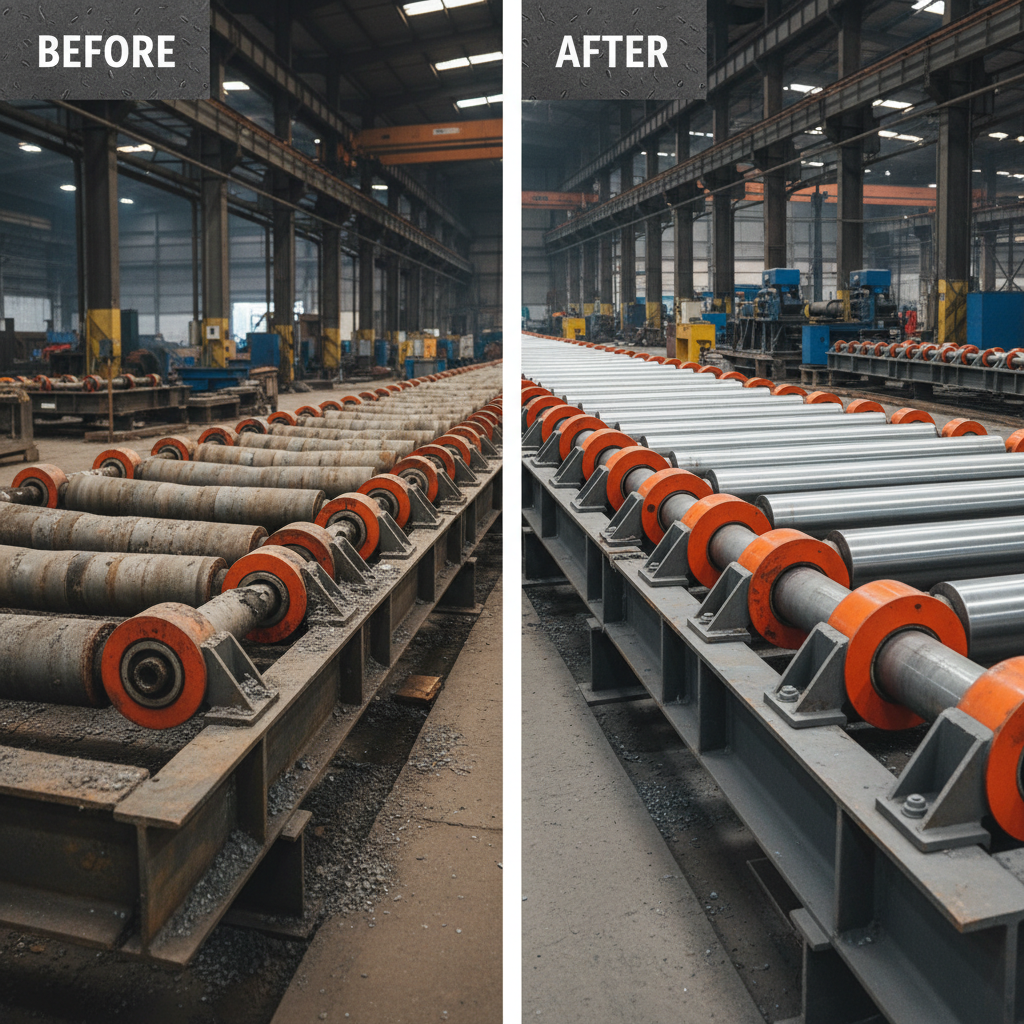
The longevity of an idler or roller is heavily influenced by factors like bearing quality, shell material, and sealing effectiveness. Regular inspection and maintenance are crucial for identifying and addressing wear and tear before it leads to system failures. Proactive maintenance practices contribute to reduced downtime, lower operating costs, and enhanced safety.
Defining Idlers and Rollers
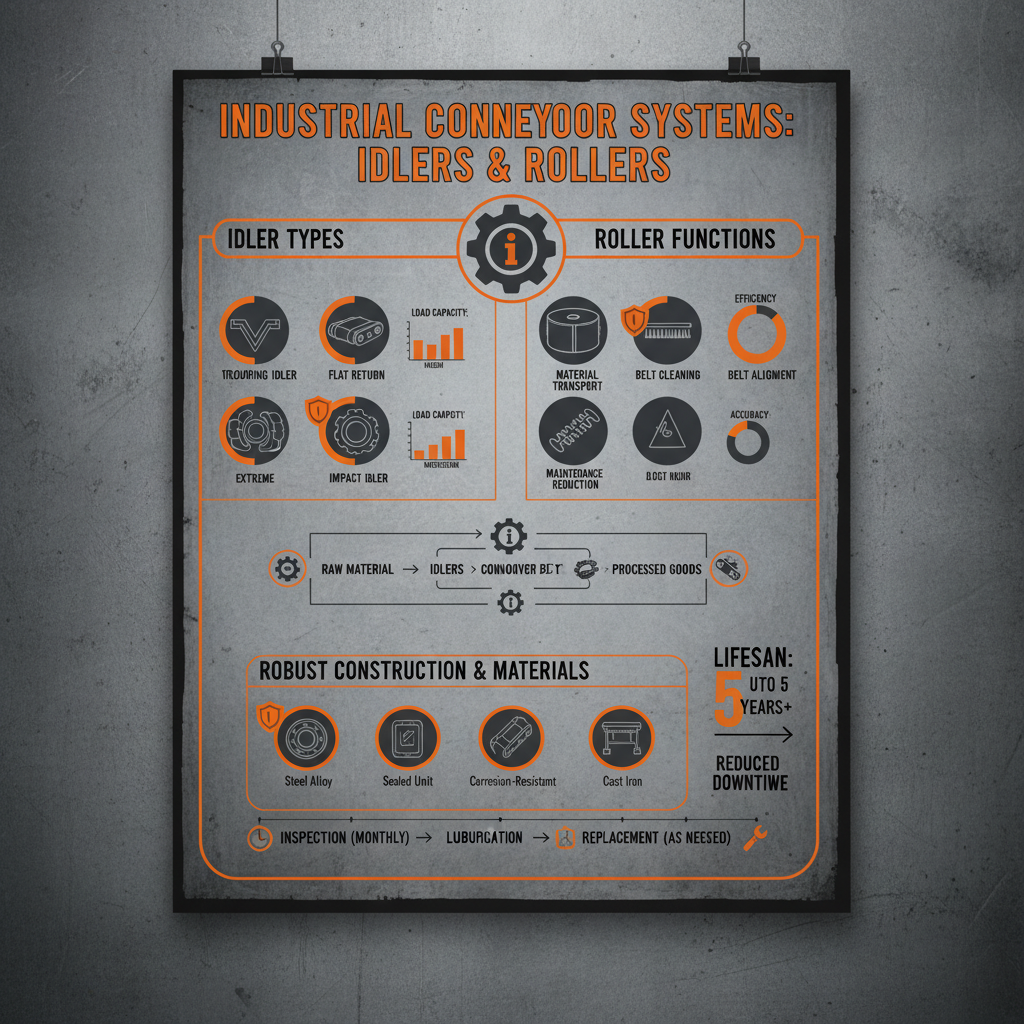
Idlers and rollers are cylindrical supports used within conveyor systems to support the conveyor belt and guide its movement. While often used interchangeably, there is a distinct difference. Rollers are typically found in gravity conveyor systems, relying on the weight of the conveyed material to drive movement. Idlers, conversely, are found in powered conveyor systems, where the belt is driven by a motor. They reduce friction and prevent sagging, ensuring a smooth and consistent flow of materials.
Their connection to modern industry is undeniable. From coal mines to Amazon fulfillment centers, idlers and rollers are the unsung heroes of material handling. Without them, the efficient transportation of raw materials, finished goods, and everything in between would be impossible. They represent a crucial link in the global supply chain, impacting everything from manufacturing output to consumer availability.
Beyond industrial applications, the principles behind idler and roller technology are finding use in innovative applications such as automated guided vehicles (AGVs) and robotic assembly lines. These advancements are blurring the lines between traditional material handling and sophisticated automation, further solidifying the importance of understanding and optimizing these essential components.
Core Components and Factors
Several key factors determine the performance and longevity of idlers and rollers. Durability is paramount, especially in harsh operating environments. High-quality materials, such as hardened steel or engineered polymers, are crucial for resisting wear and corrosion. The selection of appropriate materials depends heavily on the materials being conveyed and the ambient conditions. idlers and rollers need to withstand constant use.
Load Capacity is another critical consideration. Idlers and rollers must be capable of supporting the weight of the belt and the conveyed materials without deformation or failure. Selecting idlers and rollers with an appropriate load rating ensures the system operates safely and efficiently. Overloading can lead to premature wear and potentially catastrophic failures.
Friction Reduction is a primary function of these components. High-quality bearings and smooth surface finishes minimize friction, reducing energy consumption and extending the life of the belt. Lower friction also translates to quieter operation and reduced maintenance requirements. Sealing Effectiveness is equally important, preventing the ingress of dust, water, and other contaminants that can damage bearings and accelerate wear. Scalability and Cost Efficiency round out the most important factors.
Global Applications and Use Cases
Idlers and rollers are integral to a wide variety of industries globally. In the mining industry, they are used in massive conveyor systems to transport ore, coal, and other materials from extraction sites to processing facilities. In agriculture, they are found in grain handling systems, fertilizer distribution, and fruit and vegetable processing plants.
Manufacturing relies heavily on idlers and rollers in assembly lines, packaging operations, and material transport within factories. Logistics and warehousing companies utilize them extensively in distribution centers and package handling systems. In post-disaster relief operations, portable conveyor systems equipped with idlers and rollers can quickly move essential supplies to affected areas.
In remote industrial zones, such as oil and gas fields or large-scale construction sites, robust and reliable idlers and rollers are crucial for maintaining operational efficiency in challenging environments. The performance of these components directly impacts productivity and profitability in these demanding applications.
Idlers and Rollers Performance Metrics
Advantages and Long-Term Value
The benefits of investing in high-quality idlers and rollers extend far beyond immediate cost savings. Reduced downtime, increased throughput, and extended equipment lifespan all contribute to a significant return on investment. Reliable idlers and rollers minimize the risk of costly production interruptions and maintain a consistent flow of materials.
From a sustainability perspective, durable idlers and rollers reduce the need for frequent replacements, minimizing waste and resource consumption. This aligns with growing corporate social responsibility initiatives and contributes to a more environmentally friendly operation. Their role in enhancing safety is often overlooked, but properly functioning components contribute to a safer working environment by preventing belt misalignment and potential accidents.
Future Trends and Innovations
The future of idler and roller technology is focused on increased automation, predictive maintenance, and the use of advanced materials. Smart idlers equipped with sensors can monitor bearing temperature, vibration, and load, providing real-time data for condition monitoring and predictive maintenance. This allows operators to proactively address potential issues before they lead to failures.
The integration of digital twin technology is also gaining traction, enabling virtual simulations of conveyor systems to optimize idler and roller placement and performance. Furthermore, research is ongoing to develop idlers and rollers made from lighter and more durable materials, such as carbon fiber composites, to reduce energy consumption and improve efficiency.
Challenges and Solutions
One of the primary challenges in the industry is dealing with harsh operating environments, particularly in mining and construction. Dust, water, and abrasive materials can accelerate wear and tear on idlers and rollers. Implementing robust sealing solutions and selecting materials resistant to corrosion and abrasion are critical for mitigating these issues.
Another challenge is the lack of standardized monitoring and diagnostic tools. The development of affordable and reliable sensors and data analytics platforms is essential for enabling predictive maintenance and optimizing performance. Investing in training and development for maintenance personnel is also crucial for ensuring proper inspection and repair procedures. idlers and rollers are frequently challenged.
Finally, addressing supply chain disruptions and ensuring the availability of high-quality components is an ongoing concern. Diversifying sourcing options and building strong relationships with reputable suppliers are essential for mitigating these risks.
Summary of Common Idler and Roller Issues and Potential Solutions
| Issue Category |
Typical Manifestation |
Severity Level (1-5) |
Recommended Solution |
| Bearing Failure |
Increased noise, vibration, heat |
4 |
Replace bearing or entire idler/roller |
| Shell Deformation |
Visible bends or dents |
3 |
Replace the damaged idler/roller |
| Seal Degradation |
Contaminant ingress, grease leakage |
2 |
Replace seals or entire idler/roller |
| Alignment Issues |
Belt tracking problems, uneven wear |
3 |
Adjust idler/roller positions; check belt tension |
| Corrosion |
Rust, pitting, material loss |
2 |
Apply protective coatings; use corrosion-resistant materials |
| Excessive Friction |
Increased energy consumption, belt wear |
1 |
Lubricate bearings; ensure proper alignment |
FAQS
The lifespan of an idler varies greatly depending on operating conditions, load, and maintenance. Generally, a well-maintained idler can last between 2 to 5 years. However, in harsh environments with abrasive materials, the lifespan may be significantly shorter. Regular inspection and proactive maintenance are crucial for maximizing idler lifespan and minimizing costly downtime.
Idlers and rollers should be visually inspected at least monthly, and more frequently in demanding applications. Look for signs of wear, such as bearing noise, shell deformation, seal damage, and misalignment. A thorough inspection schedule should be established based on the specific operating conditions and the criticality of the conveyor system.
Key factors include the conveyed material type, load capacity, belt speed, operating environment, and desired lifespan. Selecting idlers and rollers with the appropriate materials, bearing type, and sealing effectiveness is crucial for ensuring optimal performance and minimizing maintenance requirements. Consider the total cost of ownership, including initial cost, maintenance costs, and downtime costs.
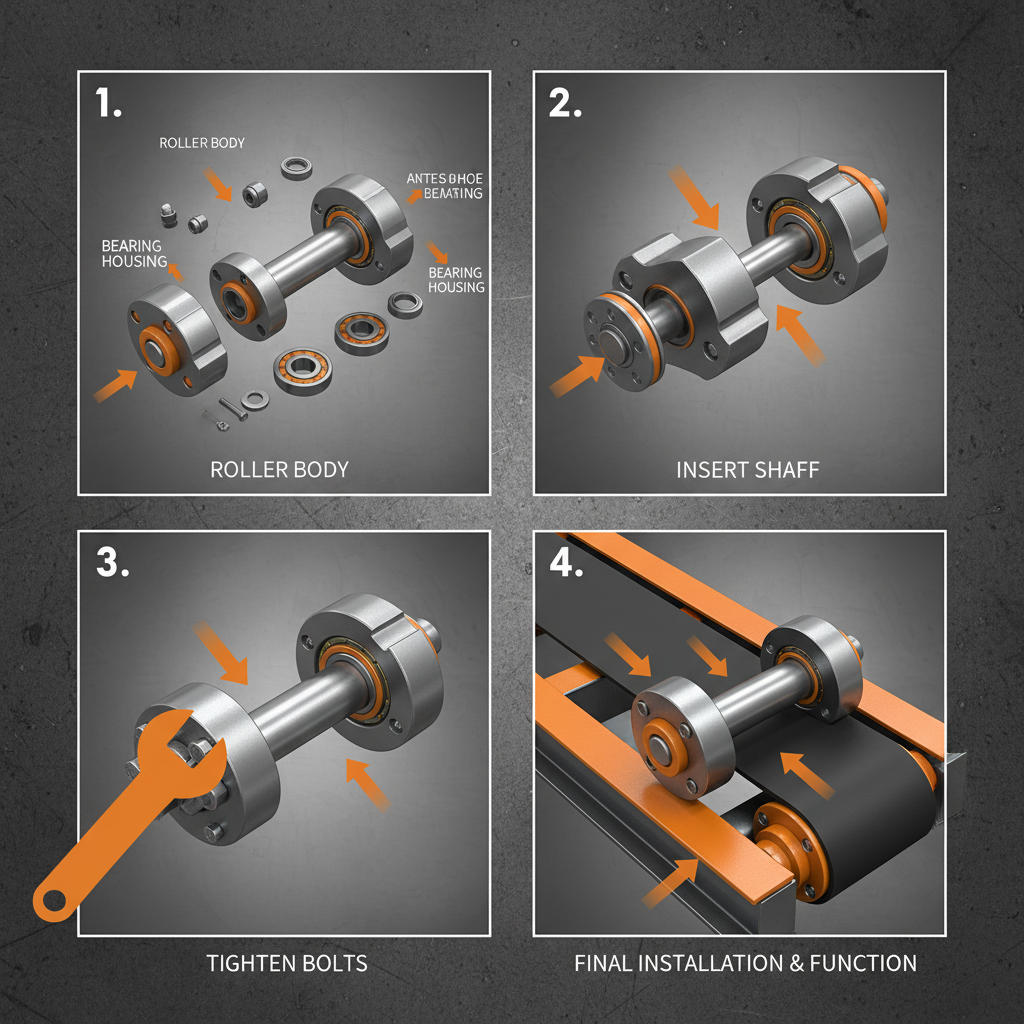
Implementing a robust preventative maintenance program is essential. This includes regular inspections, lubrication, and timely replacement of worn components. Proper alignment of idlers and rollers is also critical for minimizing stress and extending their lifespan. Ensure the conveyor system is adequately protected from dust, water, and other contaminants.
Sealed idlers offer superior protection against dust, water, and other contaminants, significantly extending bearing life and reducing maintenance requirements. They are particularly beneficial in harsh operating environments where contamination is a concern. While sealed idlers typically have a higher initial cost, the long-term savings in maintenance and downtime often outweigh the investment.
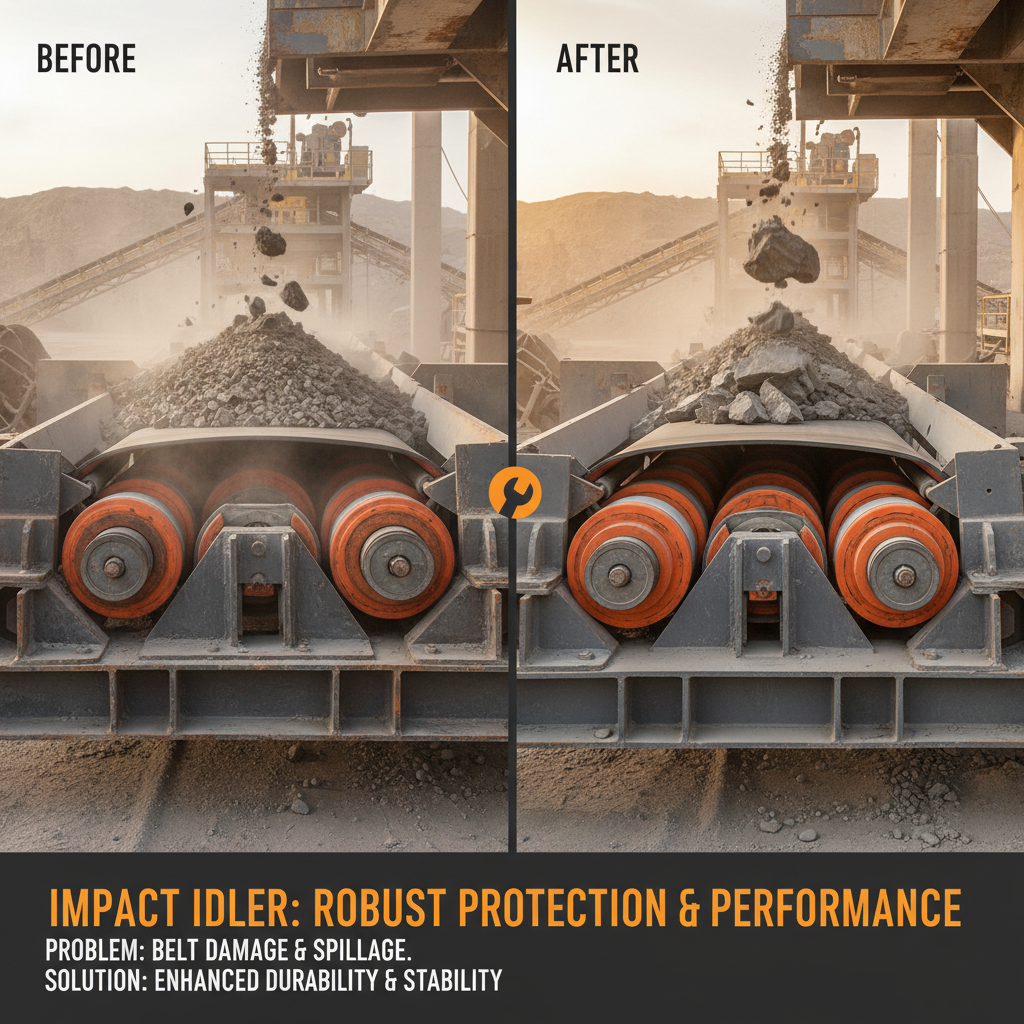
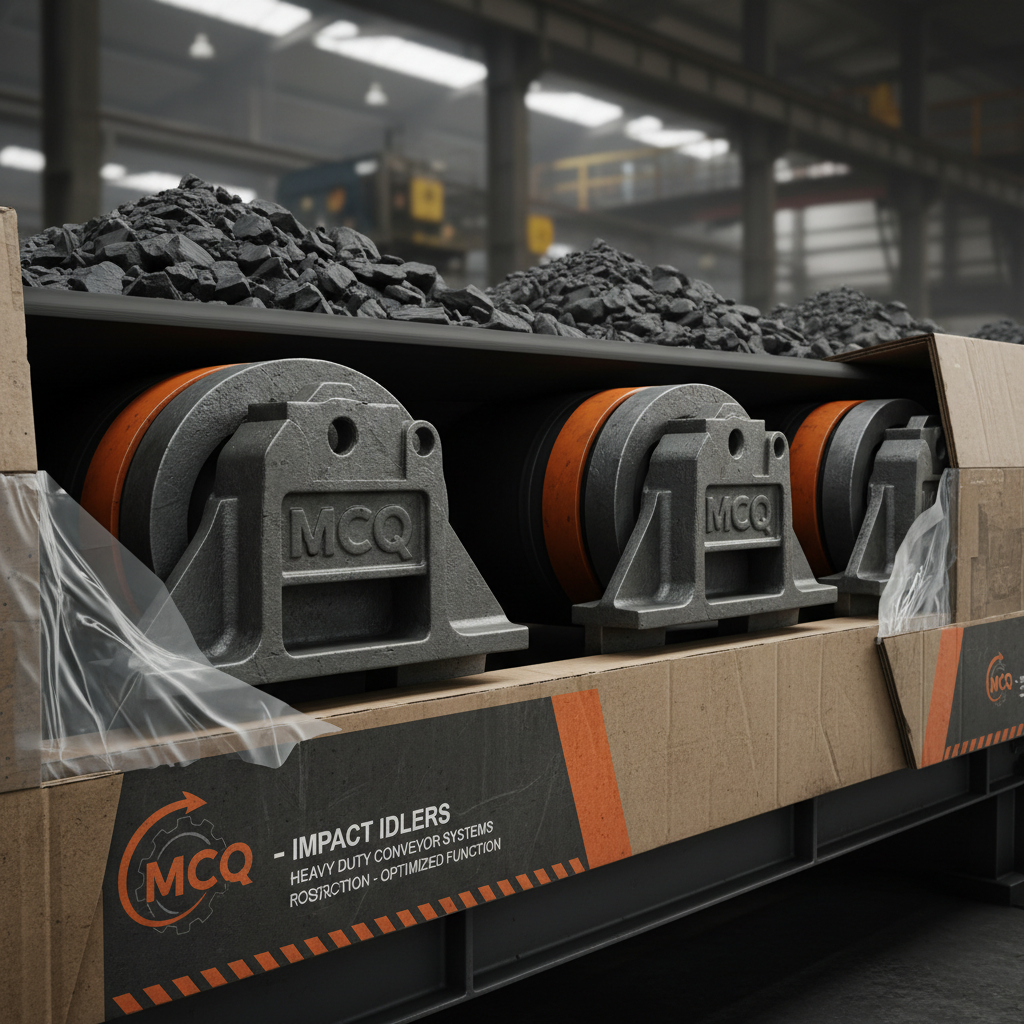
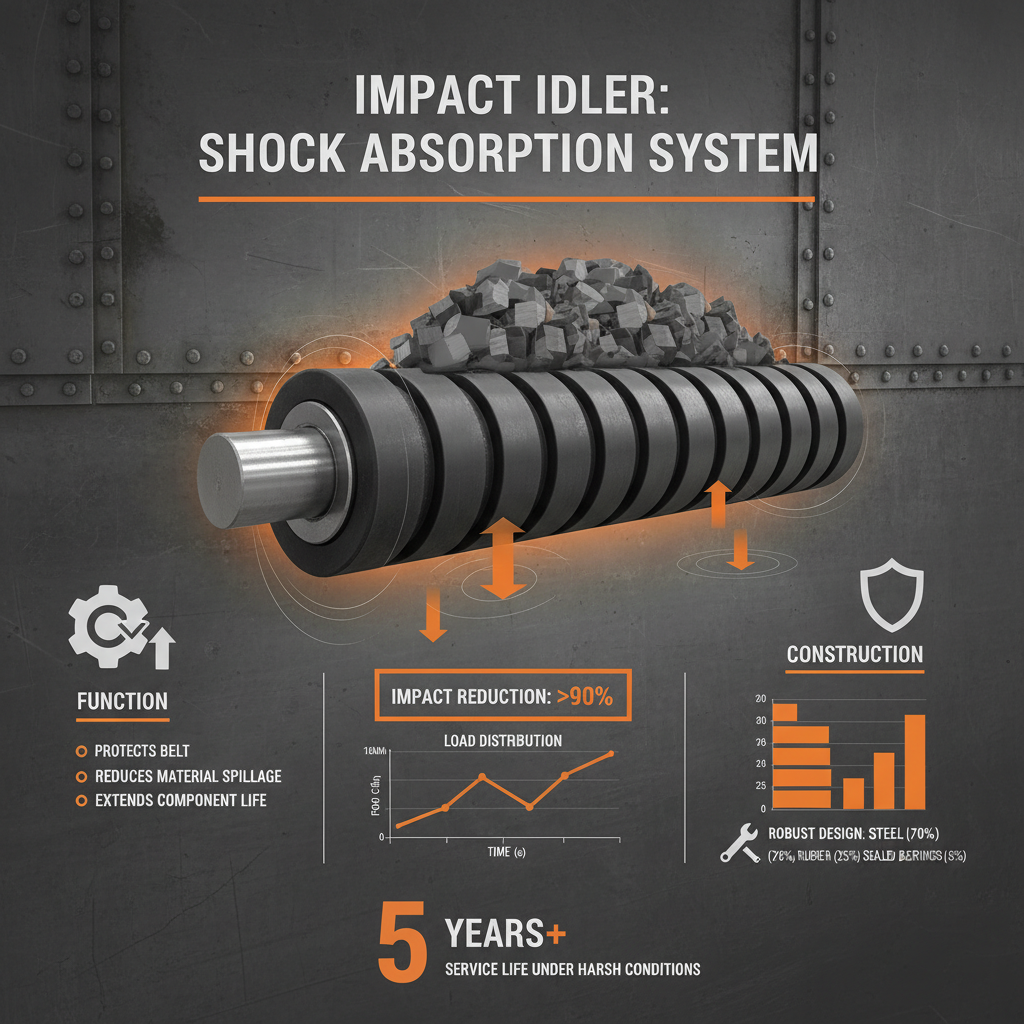
Yes, impact idlers are specifically designed to withstand the force of falling materials. They typically feature a robust shell construction and cushioned bearings to absorb the impact energy and prevent damage to the idler. Impact idlers are commonly used in loading zones and other areas where materials are dropped onto the conveyor belt.
Conclusion
In conclusion, idlers and rollers are far more than simple supporting components; they are the unsung heroes of material handling and vital to the smooth functioning of industries worldwide. Understanding their core principles, key factors influencing performance, and future trends is essential for optimizing conveyor system efficiency, reducing costs, and enhancing safety. Investing in quality idlers and rollers, coupled with a proactive maintenance program, yields significant long-term benefits.
Looking ahead, the integration of smart technologies, advanced materials, and predictive maintenance practices will continue to drive innovation in idler and roller technology. By embracing these advancements, businesses can unlock new levels of efficiency, reliability, and sustainability. For high-quality idlers and rollers and expert guidance, visit our website today.