idler in conveyor belt systems are fundamental to modern material handling, playing a crucial role in industries ranging from mining and agriculture to logistics and manufacturing. These seemingly simple components—rollers supporting the conveyor belt—are actually sophisticated engineering solutions designed to optimize efficiency, minimize downtime, and ensure the safe transport of goods. The global demand for efficient and reliable conveyor systems is continually rising, driven by increased industrialization, e-commerce growth, and the need for optimized supply chains. Understanding the nuances of idler in conveyor belt technology is, therefore, paramount for engineers, operators, and anyone involved in material handling operations.
The importance of idler in conveyor belt extends beyond mere functionality. They directly impact operational costs through energy consumption and maintenance requirements. Properly selected and maintained idlers can significantly reduce belt wear, minimize spillage, and extend the lifespan of the entire conveyor system. The United Nations Industrial Development Organization (UNIDO) highlights the critical role of efficient material handling in achieving sustainable industrial development, emphasizing the need for reliable components like idlers. Furthermore, advancements in idler design contribute to improved workplace safety by reducing the risk of material jams and belt failures.
Investing in quality idler in conveyor belt isn’t just about maintaining production; it’s about long-term economic viability and responsible industrial practices. The failure to address idler-related issues can lead to costly shutdowns, material loss, and potentially hazardous situations. As global supply chains become increasingly complex and reliant on continuous operation, the role of these often-overlooked components becomes ever more significant.
Introduction to idler in conveyor belt
Idler in conveyor belt are the supporting components that lie beneath the conveyor belt, enabling its smooth and efficient movement. They are designed to reduce friction, support the belt load, and maintain proper alignment. The selection of the right idler type is crucial, as it directly impacts the performance, lifespan, and overall cost-effectiveness of the entire conveyor system. Different industries require varying idler configurations to accommodate specific materials, loads, and operating environments.
The modern idler in conveyor belt isn’t simply a rolling cylinder. They incorporate features such as sealed bearings, impact-resistant materials, and self-aligning mechanisms to enhance durability and minimize maintenance. These improvements have become increasingly important as conveyor systems operate in more demanding and remote locations, requiring higher reliability and reduced downtime.
Defining idler in conveyor belt
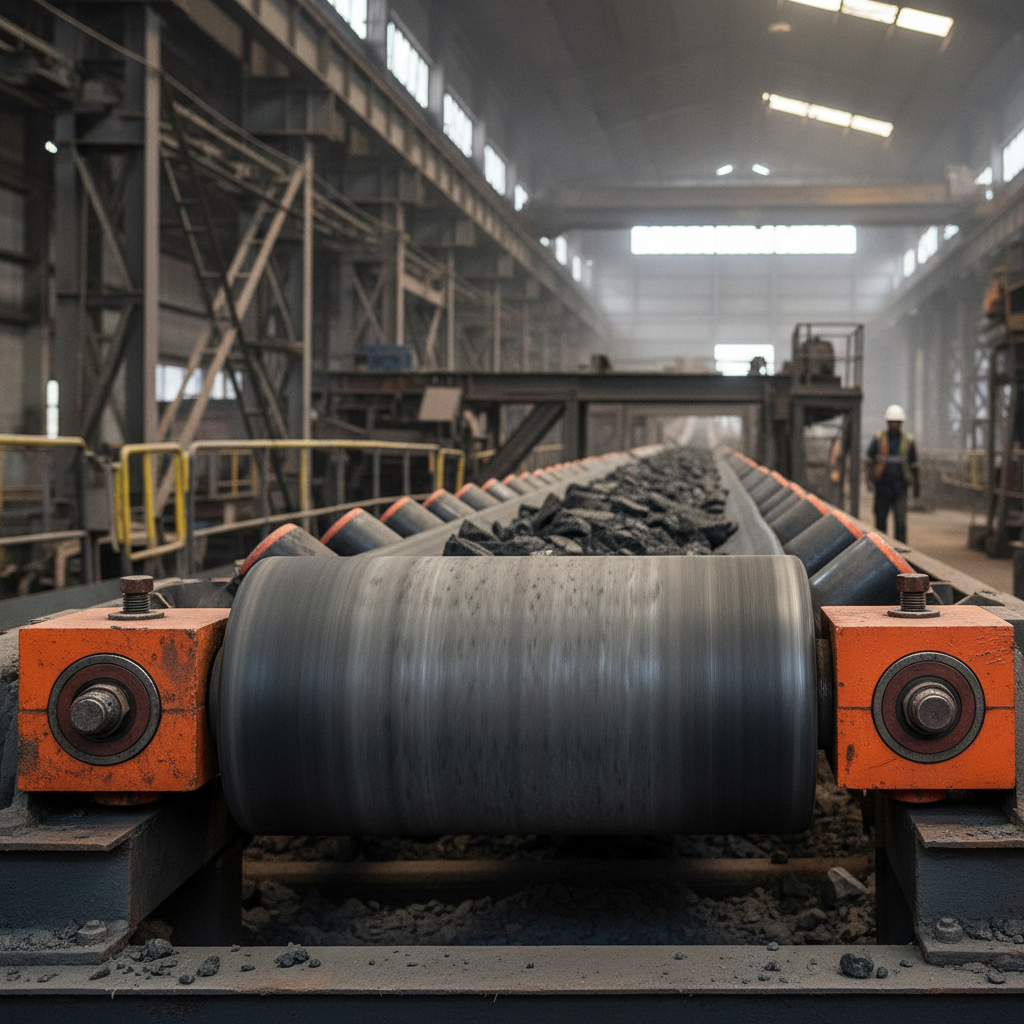
An idler in conveyor belt is a cylindrical roller, typically constructed from steel or polymers, placed at regular intervals beneath a conveyor belt. Its primary function is to support the weight of the belt and the conveyed material, reducing friction and enabling smooth movement. Idlers are a critical element of nearly all continuous conveyor systems, ranging from short, simple setups to complex, long-distance networks.
The connection to modern industry is undeniable. Efficient material handling is fundamental to countless manufacturing processes, logistics operations, and resource extraction activities. Idler in conveyor belt, by ensuring the reliable and cost-effective transport of materials, directly contribute to increased productivity and reduced operational expenses.
In humanitarian contexts, efficient logistics are vital for delivering aid to those in need. Conveyor systems, supported by robust idlers, can be used to rapidly unload and distribute supplies in disaster relief scenarios, demonstrating the broad impact of this seemingly simple component.
Core Components & Functionality
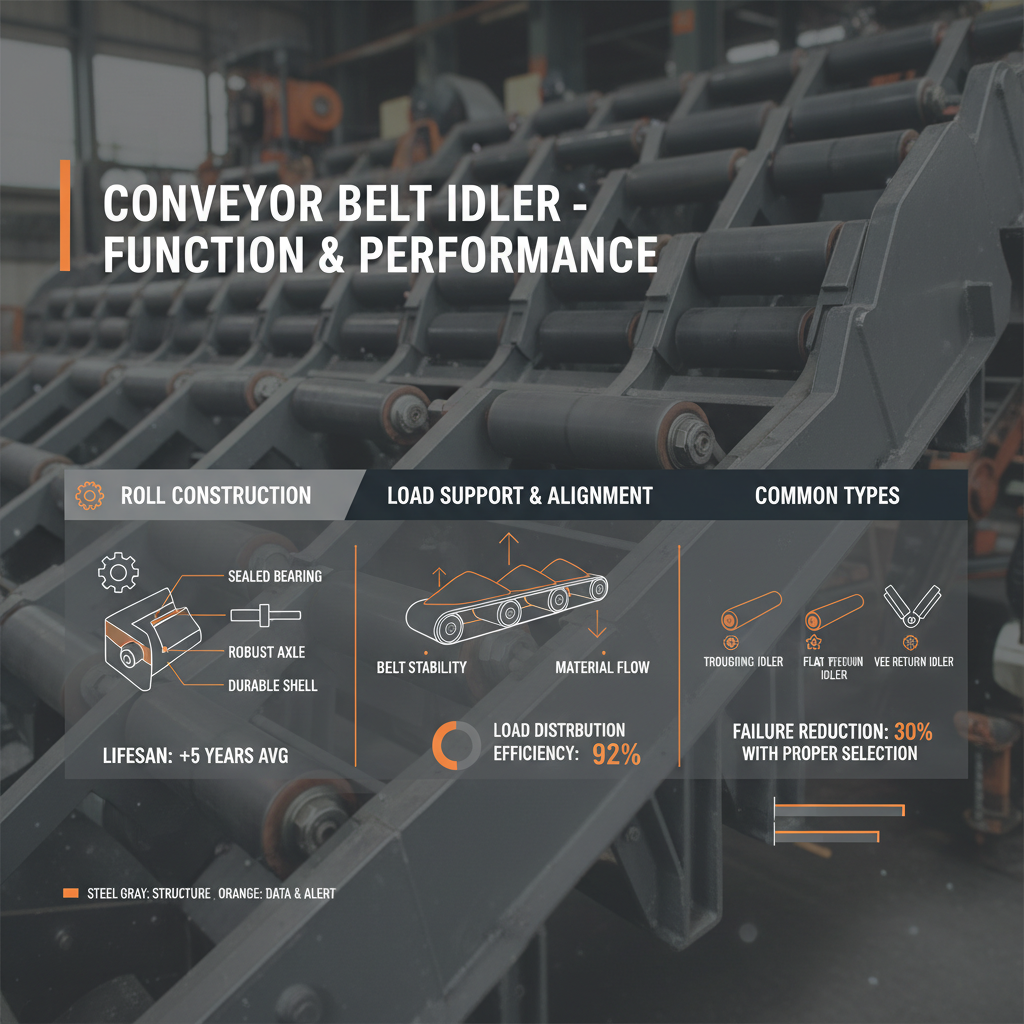
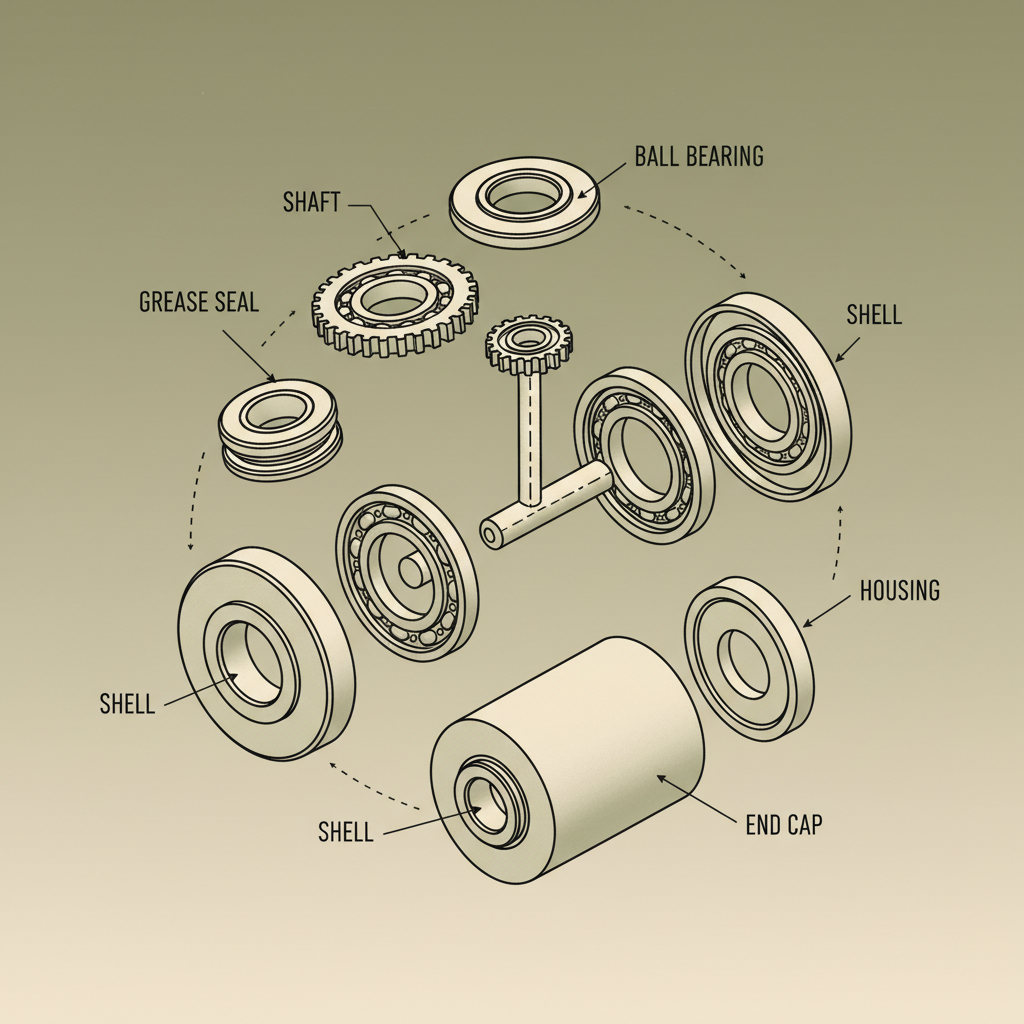
The core functionality of idler in conveyor belt relies on several key components. The shell, typically made of steel or plastic, provides the structural support and contact surface for the belt. Internal bearings, often sealed to prevent contamination, allow the idler to rotate freely. The shaft connects the bearings to the shell, transmitting the rotational force. Finally, seals protect the bearings from dust, water, and other environmental factors.
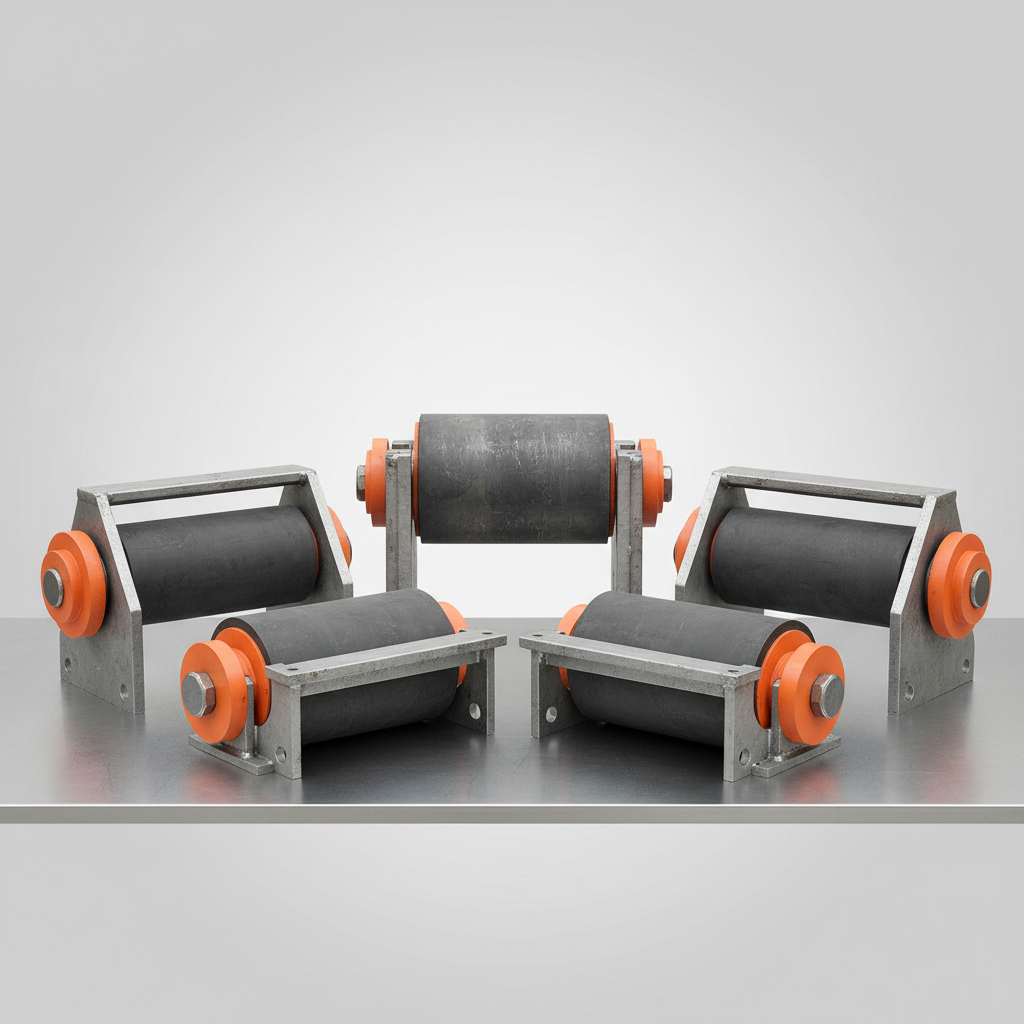
Different types of idler in conveyor belt are designed for specific applications. Carry idlers support the loaded side of the belt, while return idlers support the unloaded side. Impact idlers are designed to absorb the force of falling materials, preventing belt damage. Self-aligning idlers compensate for belt misalignment, reducing wear and tear. Training idlers actively guide the belt back to its proper path.
The precise arrangement and selection of these idler types depend on the characteristics of the conveyed material, the belt speed, and the conveyor’s overall design. Proper idler spacing and alignment are also essential for optimal performance and longevity.
Key Factors Influencing Performance
Durability is a primary factor influencing the performance of idler in conveyor belt. The ability to withstand heavy loads, abrasive materials, and harsh environmental conditions directly impacts the lifespan of the idler and the overall reliability of the conveyor system. Materials selection, bearing quality, and seal effectiveness are critical in ensuring durability.
Load capacity dictates the maximum weight an idler can safely support. Choosing idlers with an appropriate load capacity is crucial to prevent premature failure and maintain belt integrity. Factors such as material density, belt width, and conveyor incline must be considered when determining the required load capacity.
idler in conveyor belt Performance Metrics
Global Applications & Industry Uses
Idler in conveyor belt are indispensable in the mining industry, where they facilitate the transport of massive quantities of ore, coal, and other minerals. Large-scale mining operations often utilize extensive conveyor networks stretching for kilometers, relying on thousands of idlers to ensure continuous operation.
The agricultural sector also benefits significantly from idler in conveyor belt systems. These systems are used to move harvested crops, fertilizer, and other agricultural materials, improving efficiency and reducing labor costs. In post-harvest handling, efficient conveyor systems, supported by reliable idlers, minimize losses and ensure timely delivery to processing facilities.
Logistics and distribution centers utilize conveyor systems to sort and transport packages, streamlining the fulfillment process and enabling faster delivery times. Automated warehouses rely heavily on idler in conveyor belt to move goods efficiently and accurately.
Advantages and Long-Term Value
The cost savings associated with high-quality idler in conveyor belt are substantial. Reduced downtime, minimized maintenance requirements, and extended belt life all contribute to lower overall operational costs. Investing in durable idlers is a proactive approach to cost management.
Sustainability is another significant benefit. By reducing energy consumption and minimizing material waste, efficient conveyor systems contribute to a more environmentally responsible operation. Properly maintained idlers reduce friction, leading to lower energy demands and a smaller carbon footprint.
Future Trends & Innovations
Smart idlers, equipped with sensors and data analytics capabilities, are emerging as a key trend in conveyor technology. These “intelligent” idlers can monitor their own condition, detect potential failures, and provide real-time data on belt tension and load distribution. This predictive maintenance approach minimizes downtime and optimizes performance.
New materials, such as advanced polymers and composite alloys, are being explored to enhance idler durability and reduce weight. These materials offer improved resistance to wear, corrosion, and impact, extending the lifespan of the idler and lowering maintenance costs.
Automation and the integration of idler in conveyor belt with other automated systems are also gaining traction. This integration allows for fully automated material handling processes, improving efficiency and reducing the need for manual intervention.
Challenges & Solutions
A common challenge is premature idler failure due to improper lubrication or bearing contamination. Solutions include using sealed bearings, implementing regular lubrication schedules, and employing advanced monitoring systems to detect early signs of bearing wear.
Belt misalignment is another frequent issue, leading to uneven wear and reduced efficiency. Self-aligning idlers and automated belt tracking systems can effectively address this problem. Regular inspection and adjustment of idler alignment are also crucial preventative measures.
The impact of harsh operating environments, such as extreme temperatures or abrasive materials, can significantly shorten idler lifespan. Selecting idlers constructed from durable materials and incorporating protective coatings can mitigate these effects.
Analysis of Common idler in conveyor belt Failure Modes and Mitigation Strategies
| Failure Mode |
Root Cause |
Impact on System |
Mitigation Strategy |
| Bearing Failure |
Contamination, inadequate lubrication |
Increased friction, reduced efficiency, potential system shutdown |
Sealed bearings, automatic lubrication systems, regular inspections |
| Shell Deformation |
Overloading, impact damage |
Belt misalignment, increased wear |
Impact idlers, load monitoring systems, shell material upgrades |
| Seal Failure |
Abrasive environment, aging |
Bearing contamination, reduced lifespan |
High-quality seal materials, regular seal replacement |
| Misalignment |
Improper installation, belt wear |
Uneven belt wear, increased energy consumption |
Self-aligning idlers, belt tracking systems, regular alignment checks |
| Corrosion |
Exposure to corrosive materials |
Reduced structural integrity, premature failure |
Corrosion-resistant materials, protective coatings |
| Shaft Fracture |
Fatigue, excessive load |
Catastrophic failure, system shutdown |
High-strength shaft materials, load monitoring, regular inspection |
FAQS
The lifespan of an idler in conveyor belt varies significantly depending on operating conditions, load, material abrasiveness, and maintenance practices. Generally, a well-maintained idler can last between 2 to 5 years. However, in harsh environments with heavy loads and abrasive materials, the lifespan may be considerably shorter. Regular inspections and proactive maintenance are crucial for maximizing idler longevity.
Idlers should be inspected at least monthly, or more frequently in high-demand applications. Inspections should focus on bearing condition, shell integrity, alignment, and lubrication levels. Look for signs of wear, corrosion, or unusual noise. Addressing minor issues promptly can prevent more significant problems and extend the lifespan of the idlers.
For handling abrasive materials, idlers with hardened steel shells and sealed bearings are recommended. Ceramic-coated idlers offer superior wear resistance in extremely abrasive environments. Selecting an idler with a robust seal design is also critical to prevent abrasive particles from entering the bearings and causing premature failure.
Implementing a proactive maintenance program is key to minimizing downtime. This includes regular inspections, lubrication, and replacement of worn idlers. Investing in smart idlers with condition monitoring capabilities can provide early warnings of potential failures, allowing for scheduled maintenance before catastrophic breakdowns occur. Proper belt alignment is also critical.
Self-aligning idlers automatically adjust to belt misalignment, reducing wear and tear on the belt and other components. This minimizes energy consumption, extends belt life, and improves overall system efficiency. They are particularly beneficial in systems where belt misalignment is a recurring problem.
Proper idler spacing is essential for supporting the belt load effectively and preventing sagging. Incorrect spacing can lead to excessive belt wear, material spillage, and reduced conveyor efficiency. The optimal spacing depends on the belt width, material weight, and conveyor speed. Consult with a conveyor system specialist for guidance.
Conclusion
In conclusion, the idler in conveyor belt is a fundamental, yet often overlooked, component of modern material handling systems. Its performance directly impacts efficiency, reliability, and cost-effectiveness across a wide range of industries. Understanding the various types of idlers, their key features, and best practices for maintenance is crucial for optimizing conveyor system operation.
Looking ahead, advancements in smart idler technology and material science promise to further enhance the performance and lifespan of these critical components. By embracing these innovations and adopting proactive maintenance strategies, organizations can unlock significant benefits in terms of reduced downtime, lower operational costs, and improved sustainability. Visit our website at www.idleraohua.com to learn more about our range of high-quality idler in conveyor belt solutions.