Idler rollers with bearings are essential components in a vast range of industrial applications, forming the backbone of efficient material handling systems. These seemingly simple devices play a crucial role in minimizing friction and enabling smooth, continuous movement of goods across conveyors, ensuring productivity and reducing operational costs. Understanding their design, application, and maintenance is paramount for industries reliant on seamless logistical operations.
Globally, the demand for idler rollers with bearings is intrinsically linked to the growth of manufacturing, mining, logistics, and e-commerce sectors. The United Nations estimates that global trade volumes continue to rise, fueling the need for robust material handling infrastructure. Moreover, the increasing emphasis on automation within these sectors necessitates reliable and efficient components like idler rollers to maintain optimal performance. The ISO 9001 standard, widely adopted across industries, highlights the importance of quality control in manufacturing these critical components, demonstrating a global commitment to performance and reliability.
The efficiency and reliability provided by idler rollers with bearings directly address the challenge of maintaining optimal material flow in high-volume operations. Inefficient material handling can lead to costly downtime, increased labor expenses, and potential safety hazards. By facilitating smooth and consistent movement, these rollers help streamline processes, reduce waste, and improve overall operational effectiveness. They are integral to keeping the world's supply chains moving.
The Fundamentals of idler rollers with bearings
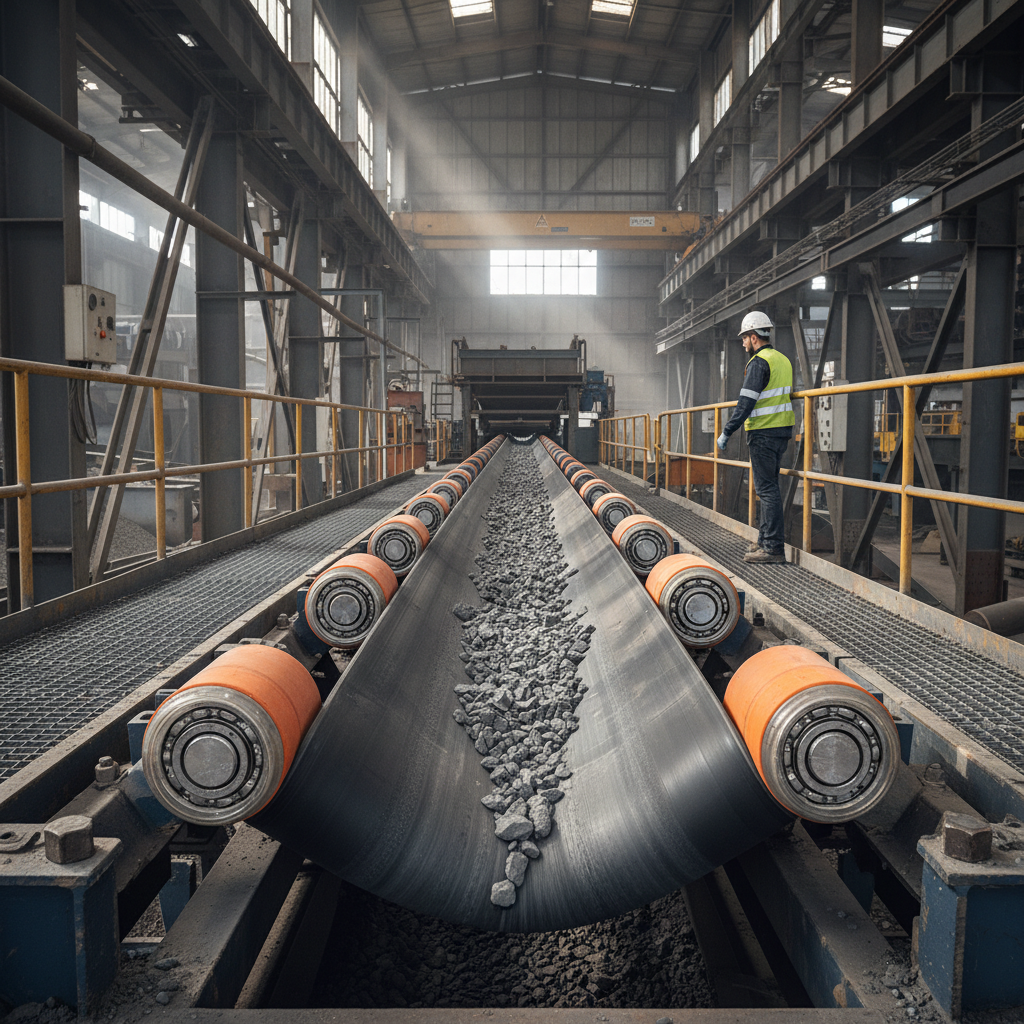
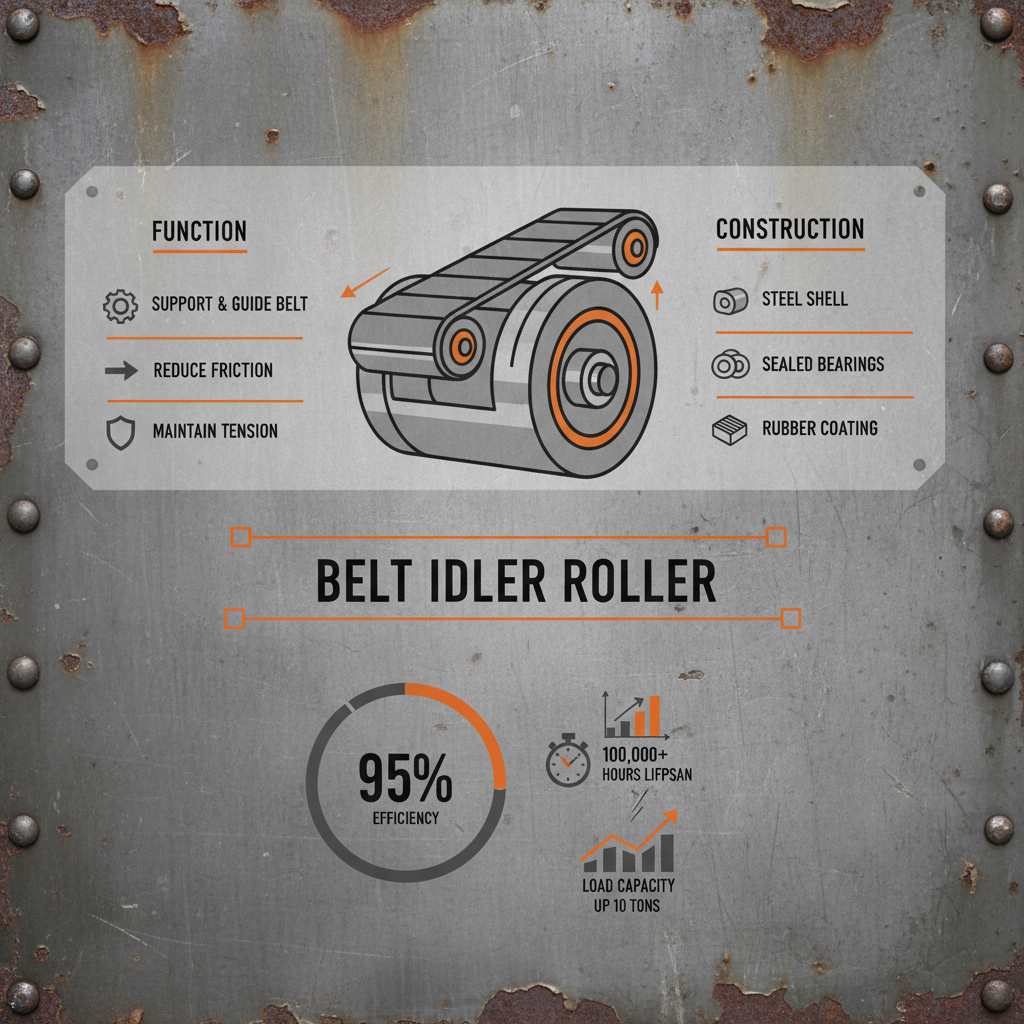
Idler rollers with bearings, at their core, are designed to support and guide conveyor belts, minimizing friction and allowing for the efficient transportation of materials. The bearings within these rollers are crucial; they allow the roller to rotate freely, significantly reducing the energy required to move the belt and its load. Without effective bearings, conveyor systems would experience increased wear, reduced capacity, and a higher risk of failure.
The selection of appropriate idler rollers with bearings depends heavily on the specific application. Factors such as load capacity, belt speed, material characteristics (abrasiveness, temperature, moisture), and environmental conditions all play a vital role in determining the optimal roller type and bearing configuration. Choosing the right rollers directly impacts the longevity and efficiency of the entire conveyor system.
Defining Idler Rollers with Bearings
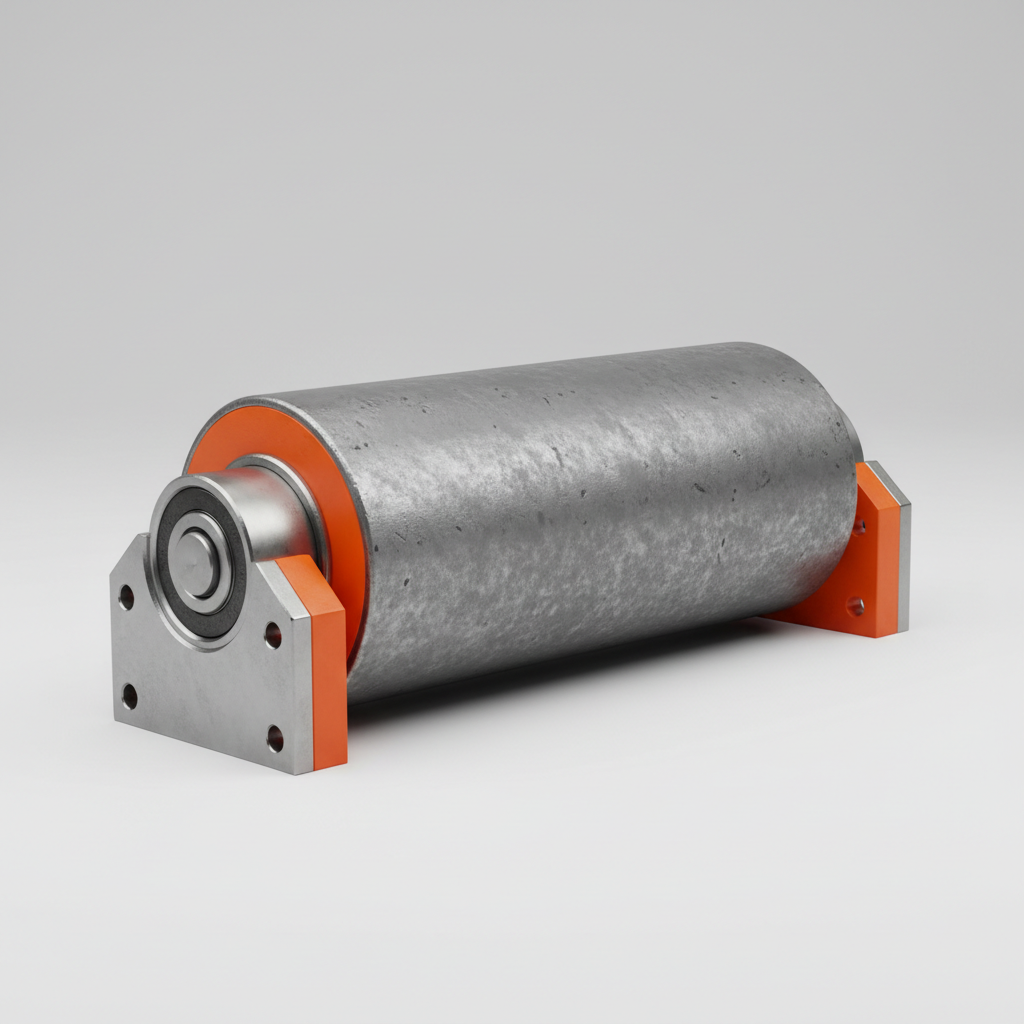
Idler rollers with bearings are cylindrical supports, typically made of steel or plastic, equipped with bearings that facilitate smooth rotation. They are positioned strategically along the length of a conveyor belt to support the belt and its load, preventing sagging and ensuring consistent material flow. These rollers are “idlers” because they are not actively driven; they simply rotate in response to the movement of the belt.
Their connection to modern industry is undeniable. From coal mines to package delivery centers, idler rollers with bearings are a fundamental component of countless logistical networks. They are vital to streamlining operations and reducing manual handling, contributing to increased efficiency and productivity. In humanitarian contexts, they enable the rapid deployment of aid and supplies to disaster-stricken areas by facilitating the efficient movement of critical resources.
The performance of idler rollers with bearings is directly correlated with the efficiency of the entire conveyor system. A well-maintained system of rollers with appropriate bearings translates into reduced energy consumption, lower maintenance costs, and a significantly extended lifespan for the conveyor belt itself.
Core Components & Operational Factors
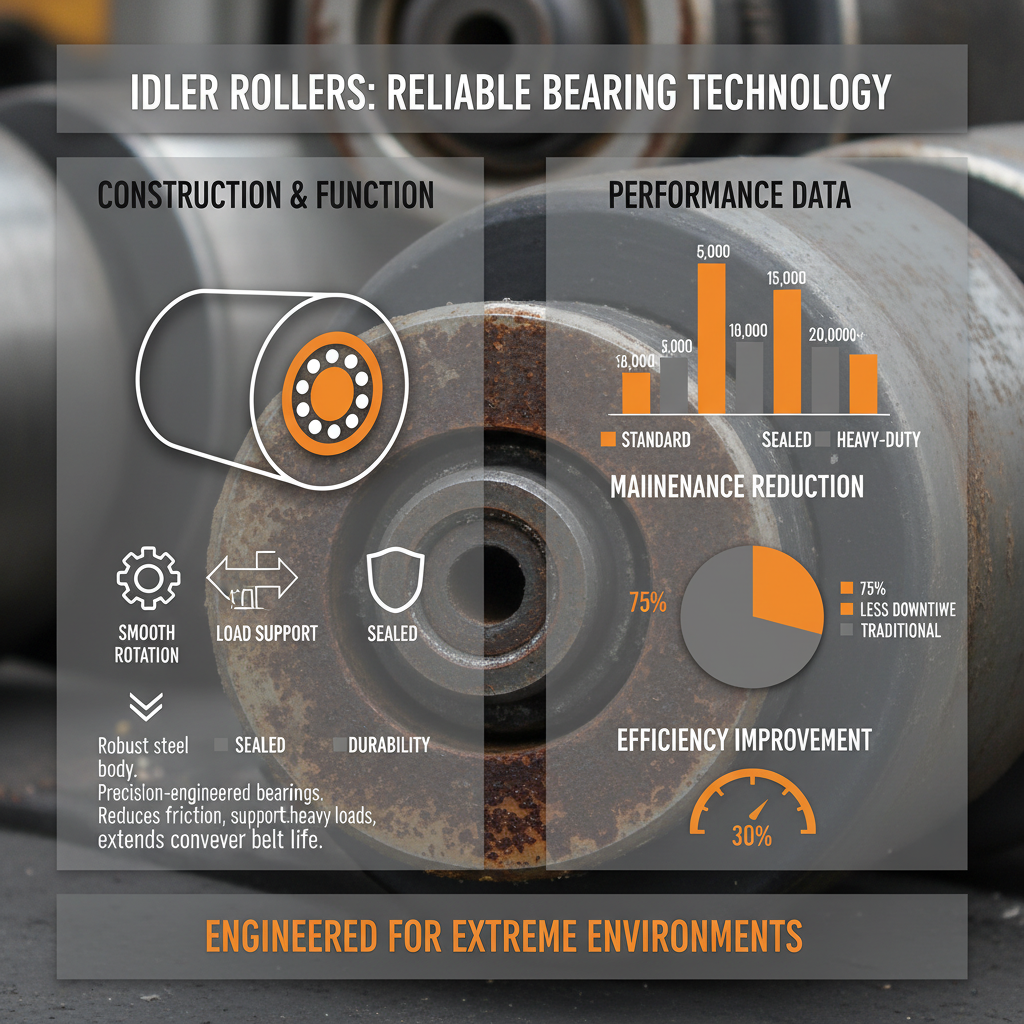
Several key factors contribute to the overall performance of idler rollers with bearings. First, the type of bearing used is crucial – ball bearings, roller bearings, and tapered roller bearings each offer different advantages depending on the load, speed, and operating environment. Second, the shell material (steel, polymer, or composite) dictates durability and resistance to corrosion and abrasion. Third, the sealing system plays a vital role in protecting the bearings from contaminants such as dust, water, and grease loss.
Understanding these core components is essential for optimizing performance and minimizing downtime. For instance, selecting a bearing with a high dynamic load rating ensures the roller can withstand heavy loads without premature failure. Similarly, choosing a shell material compatible with the conveyed material prevents corrosion and prolongs the roller's lifespan. Regular inspection and maintenance of the sealing system are critical for preventing bearing contamination and ensuring smooth operation.
Operational factors such as alignment, lubrication, and load distribution also significantly impact the life and efficiency of idler rollers with bearings. Misalignment can cause excessive wear on the bearings and shell, while insufficient lubrication leads to increased friction and heat generation. Uneven load distribution can result in premature failure of specific rollers, disrupting the conveyor system.
Key Performance Indicators of idler rollers with bearings
Evaluating the performance of idler rollers with bearings requires consideration of several key performance indicators (KPIs). One critical metric is bearing life, measured in operating hours or revolutions before failure. Another important indicator is rolling resistance, which directly affects the energy consumption of the conveyor system. Lower rolling resistance translates to reduced energy costs and increased efficiency.
Monitoring these KPIs allows for proactive maintenance and optimization of the conveyor system. For example, a sudden increase in rolling resistance may indicate bearing wear or misalignment, prompting a prompt inspection and repair. Regular monitoring of bearing life helps predict potential failures and schedule preventative maintenance, minimizing unplanned downtime.
Comparison of idler rollers with bearings Performance Metrics
Global Applications & Industry Impact
The applications of idler rollers with bearings span a diverse range of industries. In mining, they are essential for transporting ore and other materials from extraction sites to processing facilities. Within the logistics and warehousing sectors, they form the backbone of automated sorting and distribution systems. Manufacturing plants rely on these rollers to move components and finished products along assembly lines.
Geographically, the demand is particularly strong in regions with significant industrial activity, such as China, the United States, Germany, and India. These countries are major manufacturing hubs and have extensive logistical networks that depend on reliable material handling systems. In remote industrial zones, like oil sands operations in Canada, idler rollers with bearings must withstand extreme conditions and provide consistent performance.
Long-Term Value and Benefits
Investing in high-quality idler rollers with bearings yields significant long-term benefits. Reduced maintenance costs, minimized downtime, and increased energy efficiency all contribute to a lower total cost of ownership. The enhanced reliability of these rollers also improves operational safety, protecting workers from potential hazards.
Beyond the economic advantages, there are also sustainability benefits. By reducing energy consumption and extending the lifespan of conveyor belts, idler rollers with bearings help minimize waste and reduce the environmental impact of industrial operations. The peace of mind that comes with a dependable system fosters trust and innovation, ultimately contributing to a more resilient and efficient supply chain.
Future Innovations and Emerging Trends
The future of idler rollers with bearings is poised for innovation. Developments in materials science are leading to the creation of lighter, stronger, and more durable rollers. Smart rollers equipped with sensors can monitor their own condition and provide real-time data on bearing wear, temperature, and vibration, enabling predictive maintenance and preventing unexpected failures.
Furthermore, the integration of digital technologies, such as artificial intelligence and machine learning, will allow for optimized conveyor system control and improved roller performance. The increasing emphasis on sustainable practices is driving the development of eco-friendly roller designs and materials, promoting circular economy principles.
Summary of Key Trends in Idler Roller with Bearing Technology
| Technology Area |
Current Status |
Potential Impact |
Implementation Timeline |
| Smart Sensors |
Early adoption, limited to high-value applications |
Predictive maintenance, reduced downtime, improved efficiency |
3-5 years |
| Advanced Materials |
Development of composite materials with enhanced strength and durability |
Extended roller lifespan, reduced weight, improved performance in harsh environments |
5-10 years |
| AI-Powered Control |
Initial research and development, proof-of-concept projects |
Optimized conveyor system performance, reduced energy consumption, automated fault detection |
5-10 years |
| Self-Lubricating Bearings |
Commercially available, but limited adoption due to cost |
Reduced maintenance requirements, improved reliability in harsh environments |
3-5 years |
| Modular Roller Designs |
Increasingly popular for ease of installation and maintenance |
Simplified replacement of damaged rollers, reduced downtime, increased flexibility |
Currently Available |
| Sustainable Materials |
Research focused on bio-based polymers and recycled materials |
Reduced environmental impact, circular economy principles, enhanced corporate social responsibility |
5-10 years |
FAQS
The lifespan of idler rollers with bearings in coal mining is highly variable, depending on factors such as coal abrasiveness, moisture levels, and load. However, under optimal conditions with regular maintenance, a lifespan of 18-24 months can be expected. Using sealed bearings and impact-resistant shell materials is crucial for extending service life. Proactive monitoring for bearing wear and prompt replacement of damaged rollers are essential to prevent costly downtime and maintain operational efficiency.
Proper lubrication is paramount for extending the lifespan of idler rollers with bearings. The recommended lubrication schedule and type of lubricant will vary depending on the bearing type and operating conditions. Generally, sealed bearings are pre-lubricated and require no further maintenance. For greased bearings, use a lithium-based grease compatible with the bearing material. Avoid over-lubrication, as this can attract contaminants and lead to bearing failure.
Several indicators suggest that an idler roller with bearing requires replacement. These include unusual noises (grinding, squealing), increased vibration, excessive heat, and noticeable play in the roller. Visible signs of damage, such as cracks or corrosion, also warrant immediate replacement. Ignoring these symptoms can lead to catastrophic failure, causing significant downtime and potential safety hazards.
Correct roller alignment is crucial for minimizing wear and tear on both the rollers and the conveyor belt. Misalignment causes uneven load distribution, leading to premature bearing failure and belt damage. Regularly inspect and adjust roller alignment to ensure they are perpendicular to the belt travel direction. Using laser alignment tools can significantly improve accuracy and efficiency.
Different bearing types offer distinct advantages. Ball bearings excel in high-speed applications with lighter loads. Roller bearings are ideal for heavier loads and provide greater radial load capacity. Tapered roller bearings can handle both radial and thrust loads, making them suitable for applications where the conveyor belt experiences significant inclines or declines. Selecting the correct bearing type based on application requirements is essential for maximizing performance and longevity.
Operating temperature significantly affects idler roller with bearing lifespan. Excessive heat can degrade the lubricant, reduce bearing capacity, and accelerate wear. Conversely, extremely low temperatures can increase lubricant viscosity, hindering bearing rotation. Selecting bearings with appropriate temperature ratings and implementing cooling or heating systems, if necessary, is crucial for maintaining optimal performance in extreme environments.
Conclusion
Idler rollers with bearings are far more than simple components; they are the silent workhorses of countless industries, enabling efficient material handling and contributing to global trade. Understanding their design, application, and maintenance is crucial for optimizing performance, reducing costs, and ensuring operational reliability. Investing in high-quality rollers, implementing proactive maintenance programs, and embracing innovative technologies will unlock significant long-term benefits.
Looking ahead, the future of idler rollers with bearings lies in smart technologies, advanced materials, and sustainable practices. By embracing these innovations, we can create more efficient, resilient, and environmentally responsible material handling systems. For expert solutions and a wide range of idler rollers with bearings to meet your specific needs, visit our website: idler rollers with bearings.