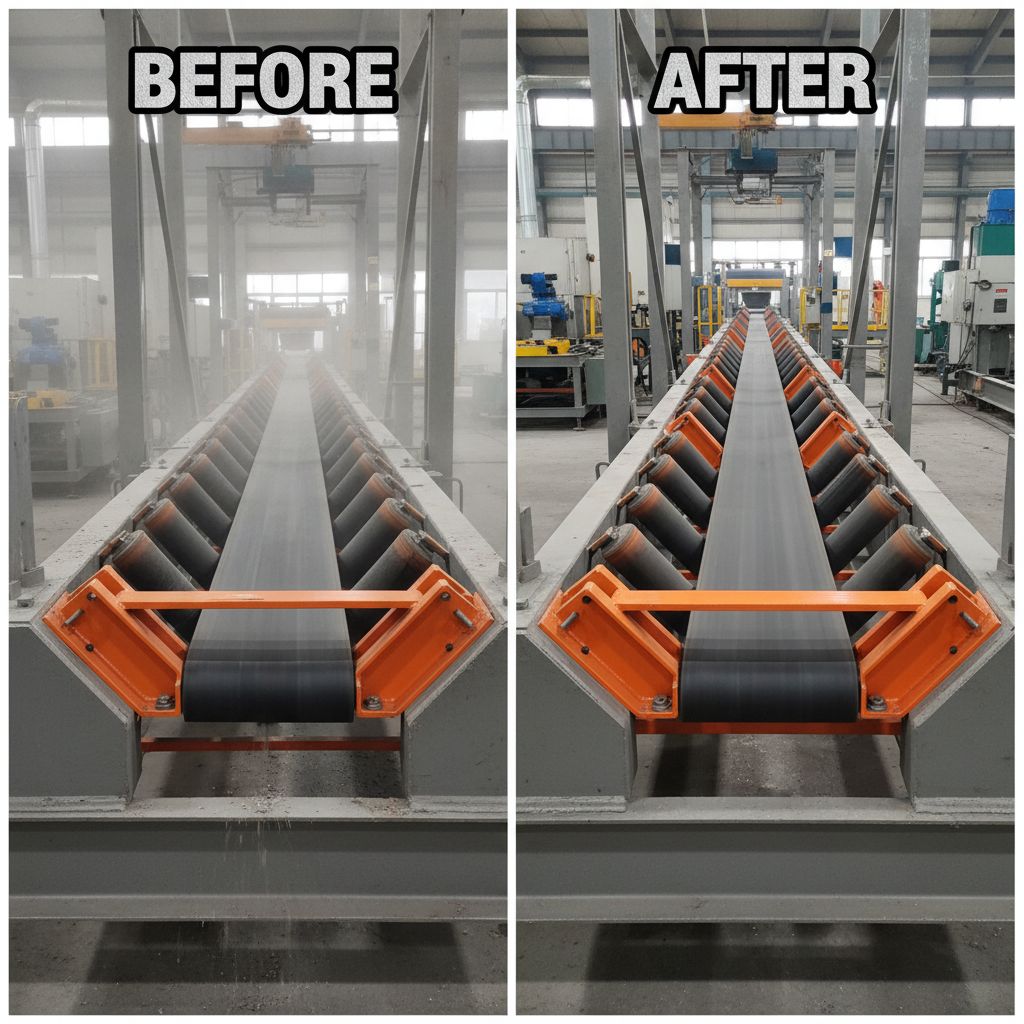
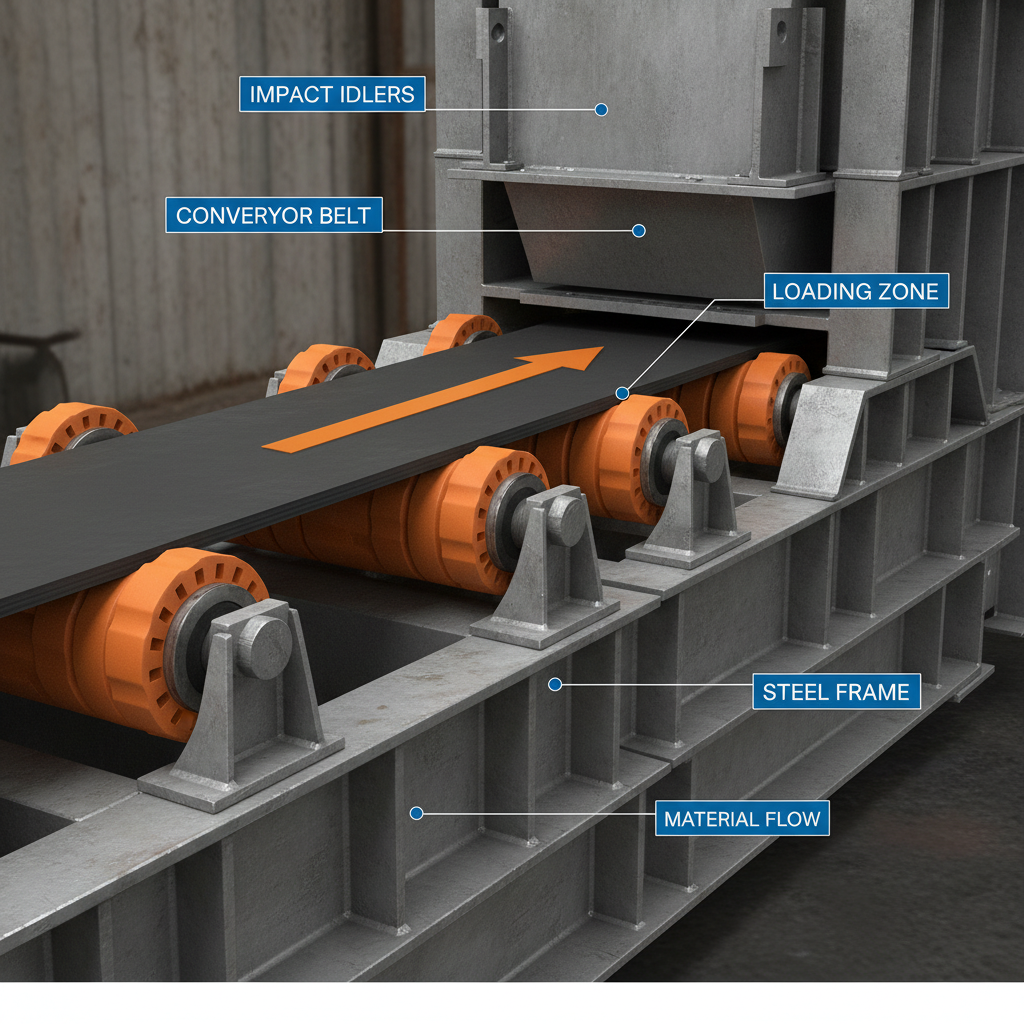
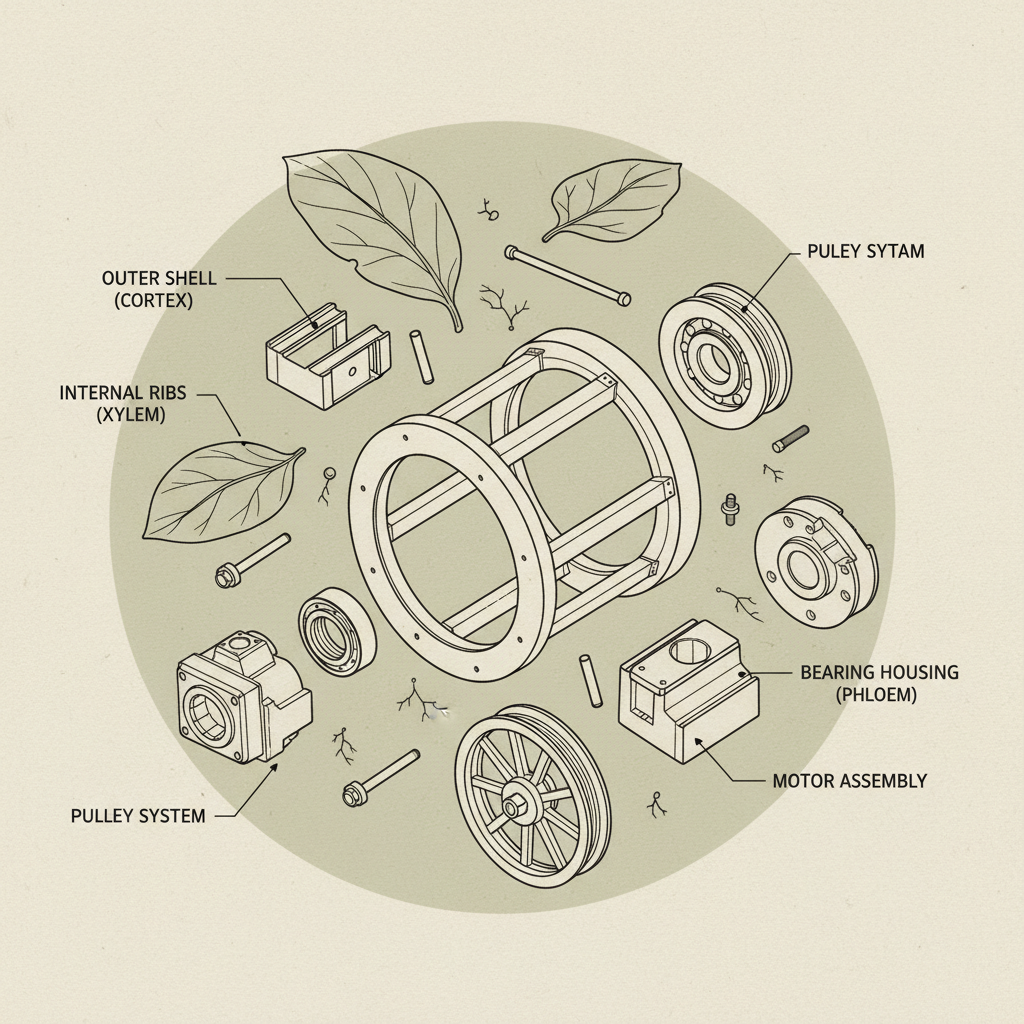
0%

Table of Contents

You know, I've been running around construction sites all year, dealing with dust and mud, and honestly, lately everyone's talking about bigger, stronger drum pulleys. Seems like every project wants to handle more material, faster. It’s not just about lifting capacity anymore, it's about how long these things will actually last under real conditions. We’ve all seen those supposedly 'high-strength' pulleys buckle under a heavy load… yeah, not a pretty sight.

What gets me, though, is how many designers get caught up in the theoretical stuff. They run simulations, calculate stress points… but forget the practicalities. Have you noticed how often the shaft diameter is just barely enough? It works on paper, sure, but a little vibration, a bit of uneven loading, and suddenly you're looking at a failure. I encountered this at a cement factory last time, the engineers were baffled until I pointed out the shaft was flexing too much. Simple stuff, really.

We primarily use high-carbon steel for the core, naturally. Good stuff, you can smell the oil on it even after it’s been treated. It’s heavy, though. Real heavy. And the rubber lagging, that’s crucial. It’s gotta be a good, durable compound - the cheap stuff just disintegrates. I’ve spent hours scraping old lagging off drums, it's a nightmare. The smell… don't even get me started.
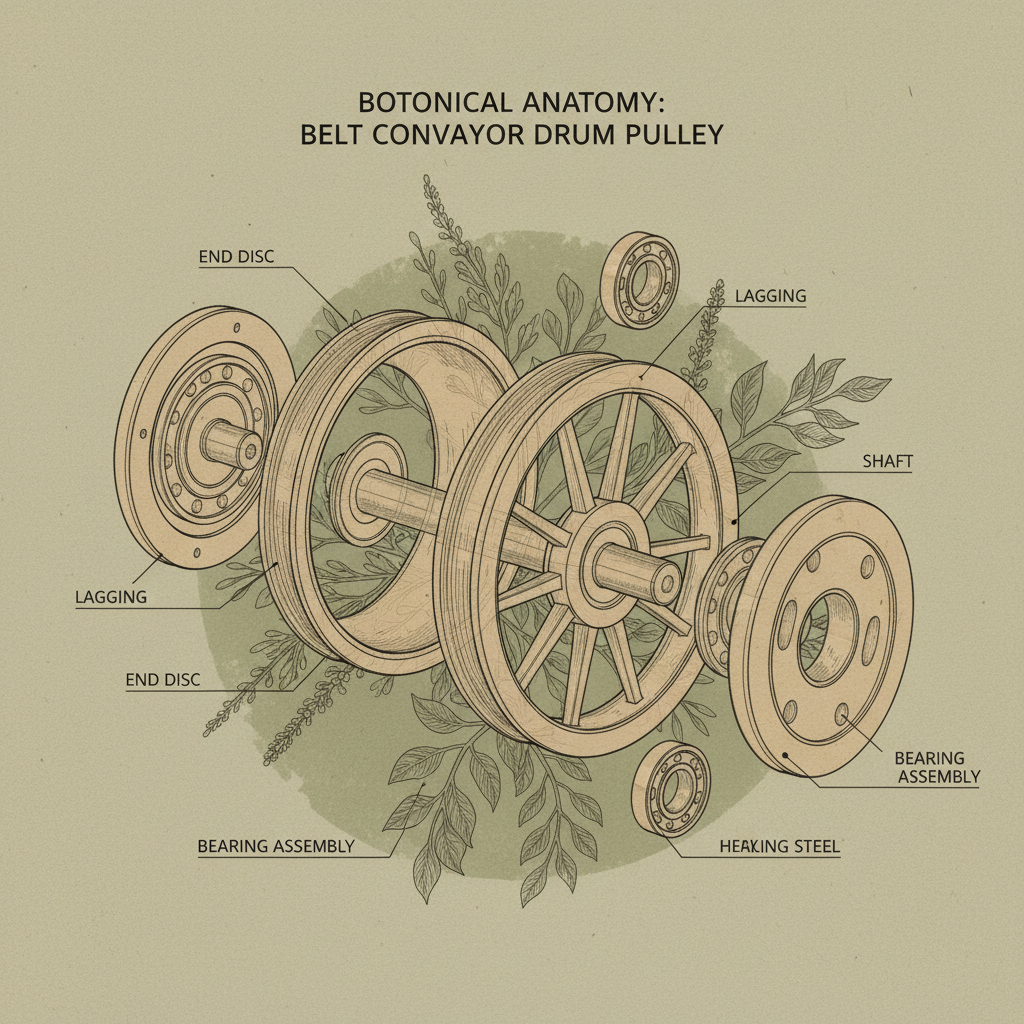
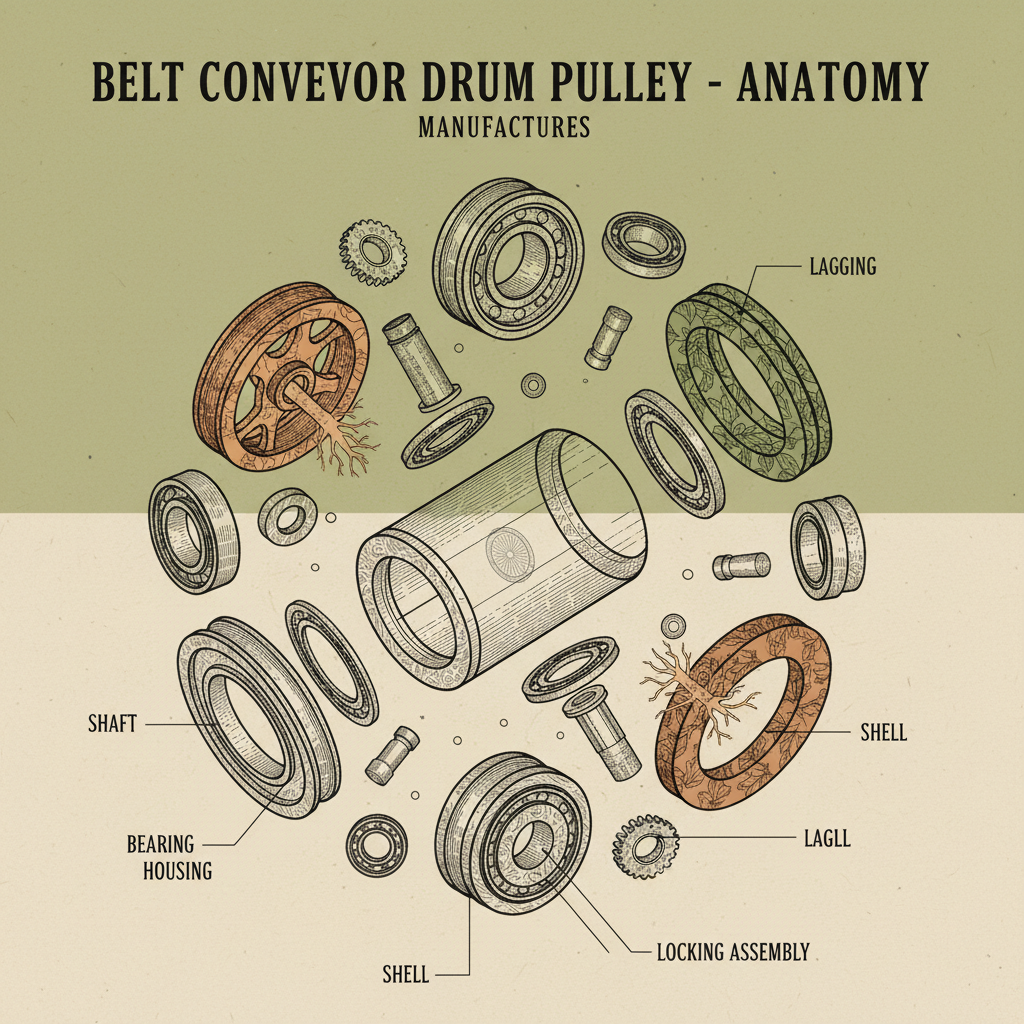
Expert Drum Pulley Manufacturers for Robust Belt Conveyor Systems

Industry Trends and Common Design Pitfalls

Expert Drum Pulley Manufacturers for Robust Belt Conveyor Systems

Strangely enough, the biggest trend I'm seeing isn’t just bigger pulleys, it’s coatings. Everyone wants a coating that reduces material buildup, prevents corrosion, whatever. It’s a good idea, in theory, but a lot of these coatings chip and flake if they're not applied perfectly. Then you've got bigger problems. Also, and this is a big one, people are obsessed with weight reduction. They want lighter pulleys, which is fine, but they forget that added weight also gives you momentum. It's a balancing act.

And honestly, a common pitfall is ignoring the environment. A pulley designed for a dry quarry isn’t going to last long in a coastal salt air environment. Simple as that.

Materials and Handling Realities

We've been experimenting with different steel alloys, but the standard high-carbon steel is still king for the core. It’s reliable, relatively inexpensive, and easy to weld. We also use a lot of cast iron for the flanges, but the quality varies wildly. The rubber lagging… now that’s a headache. We tried a new synthetic rubber last year – supposedly super-durable – but it smelled awful during vulcanization. Really awful. I still get a whiff of it sometimes. You gotta be careful with handling those lagging rolls, too. They're heavy and awkward, and a dropped one can ruin your day… or worse.

And it’s not just the material itself. It's how it's handled on site. I’ve seen pulleys get damaged just from being dragged across the ground. You’d think people would use a forklift, but no…they’d rather risk damaging a $5,000 pulley. Go figure.

The bearings are obviously critical. Sealed bearings are the way to go, minimizes maintenance. But you need to make sure they're properly greased and protected from dust and debris. Otherwise, they’ll wear out faster than you can say “bearing failure.”

Testing Procedures: Beyond the Lab

Lab tests are okay, I guess. They give you some numbers, some baseline data. But those numbers don’t mean much when you're dealing with the real world. We do a lot of field testing. We put the pulleys through their paces on actual conveyor systems, under actual loads. We measure deflection, vibration, temperature... everything. It's messy, it's time-consuming, but it’s the only way to truly assess performance.

We also do what we call “abuse testing”. Basically, we try to break the pulley. We overload it, we subject it to shock loads, we expose it to harsh conditions. It sounds wasteful, but it’s better to find the weak points before they cause a problem on a customer’s site.

I once saw a pulley fail because a worker had welded directly onto it. Directly! Can you believe it? No lab test would have predicted that.

Practical Applications and User Behaviors

You'd think everyone uses pulleys the same way, right? Wrong. I’ve seen everything from meticulously maintained systems to complete disasters. Some operators overload them constantly, others neglect lubrication, and some just plain abuse them. It's amazing what people will do. Anyway, I think a lot of it comes down to training. If your operators don’t understand how to properly operate and maintain the equipment, you're going to have problems.

We see a lot of use in mining, obviously. Aggregate, coal, iron ore… anything that needs to be moved in bulk. But we're also seeing increased demand from recycling plants and food processing facilities. Those applications have their own unique challenges, like dealing with abrasive materials or corrosive substances.

Drum Pulley Performance Metrics


Advantages, Disadvantages, and Customization

The big advantage is obviously reliability. A good pulley will run for years with minimal maintenance. They also offer good traction and can handle heavy loads. But they are heavy. And they can be expensive, especially the larger sizes. Plus, if the lagging wears out, you're looking at a significant repair cost.

We do a lot of customization. Last month, a customer wanted a pulley with a custom flange design to accommodate a specific conveyor belt. It was a bit of a challenge, but we managed to get it done. We can also modify shaft diameters, lagging materials, and coatings to meet specific requirements. It’s not always cheap, but sometimes it’s the only way to get the job done.

A Customer Story from Shenzhen

Last month, that small boss in Shenzhen who makes smart home devices insisted on changing the interface to . He swore it would streamline his assembly process and reduce costs. He needed custom pulleys for his new automated assembly line. The thing is, isn't really designed for the kind of torque these pulleys were putting out. We tried to explain this, but he wouldn’t listen. He wanted , and he got. The result? The pulleys kept failing, the assembly line ground to a halt, and he ended up losing a ton of money. He finally came crawling back, begging for the standard keyed shaft. Lesson learned, I guess.

Honestly, sometimes I think customers just want to be different, even if it makes no sense.

Anyway, I think this story perfectly illustrates the importance of listening to the experts.

Real-World Performance Metrics

Application Type Average Run Time (Months) Maintenance Frequency Failure Rate (%)
Mining (Coal) 18-24 Monthly Greasing 5-10
Aggregate Processing 24-36 Quarterly Inspection 2-5
Recycling Plant 12-18 Weekly Inspection 8-15
Food Processing 36-48 Monthly Cleaning 1-3
Chemical Handling 6-12 Daily Inspection 15-25
Automated Assembly Line 18-24 Bi-Weekly Lubrication 3-7

FAQS

What is the typical lead time for a custom-sized drum pulley?

Lead times depend heavily on material availability and the complexity of the customization. For standard steel and relatively simple flange modifications, you're looking at around 4-6 weeks. More complex designs, or those requiring specialized alloys, could take 8-12 weeks. It's always best to get a quote and confirm the timeline upfront, because supply chain issues can pop up anytime. We try to be realistic with our estimates.

How do I determine the correct pulley diameter for my conveyor system?

That's a good question. It depends on several factors, including belt speed, material flow rate, and the angle of inclination. A general rule of thumb is to choose a pulley diameter that's large enough to provide adequate belt wrap, but not so large that it creates excessive friction. There are formulas for this, but honestly, it's often best to consult with an experienced conveyor engineer. They can take all the variables into account and recommend the optimal size.

What type of rubber lagging is best for abrasive materials?

For abrasive materials, you want a lagging with high abrasion resistance and a good coefficient of friction. Polyurethane lagging is a good choice, as is a natural rubber compound with a high hardness rating. We've had good results with a specially formulated SBR (Styrene-Butadiene Rubber) blend that’s specifically designed for handling sharp aggregates. The key is to choose a lagging that can withstand the constant wear and tear without degrading quickly.

Can your pulleys be used in explosive environments?

Yes, we offer explosion-proof pulleys that are designed for use in hazardous environments. These pulleys are typically constructed from non-sparking materials and are grounded to prevent static electricity buildup. It’s crucial to specify this requirement at the time of order, as the design and materials are significantly different. We'll need to know the specific classification of the explosive atmosphere to ensure the pulley meets the necessary safety standards.

What is the recommended maintenance schedule for drum pulleys?

Regular inspection and maintenance are key to prolonging the life of your pulleys. At a minimum, you should visually inspect the pulleys weekly for signs of wear, damage, or misalignment. Grease the bearings every 3-6 months, depending on the operating conditions. And periodically check the lagging for cracks or tears. Early detection of problems can prevent costly downtime and repairs.

Do you offer on-site repair services?

We don't directly offer on-site repair services, but we work with a network of qualified service providers who can handle pulley repairs and maintenance. We can provide you with contact information for these providers in your area. We also offer spare parts and technical support to assist with repairs. Sometimes, it’s simply cheaper to replace the pulley, depending on the extent of the damage.

Conclusion

So, there you have it. Drum pulleys aren’t glamorous, but they're absolutely essential for keeping things moving. Choosing the right pulley, properly maintaining it, and understanding the limitations of the design are all critical to ensuring reliable and efficient operation. It’s not just about the steel, the rubber, or the bearings; it’s about understanding the entire system and how all the components interact.

Ultimately, whether this thing works or not, the worker will know the moment he tightens the screw. If it feels solid, if it runs smooth, then it's a good pulley. If it's wobbly or makes a strange noise… well, then you’ve got a problem. Check out our website at idleraohua.com for more information and to request a quote.


William Davis

William Davis

William Davis is a Research and Development Technician at Yanshan Aohua. He assists the senior engineers in testing and refining new conveyor technologies, with a particular focus on polyurethane cleaners and improved conveyor belt alignment systems. William’s work involves conducting performance analyses, compiling data, and providing technical support for product
Previous Choosing the Right Wing Pulley Manufacturer for Construction and Industrial Applications
Next Navigating the Evolving Landscape of Conveyor Drum Manufacturers