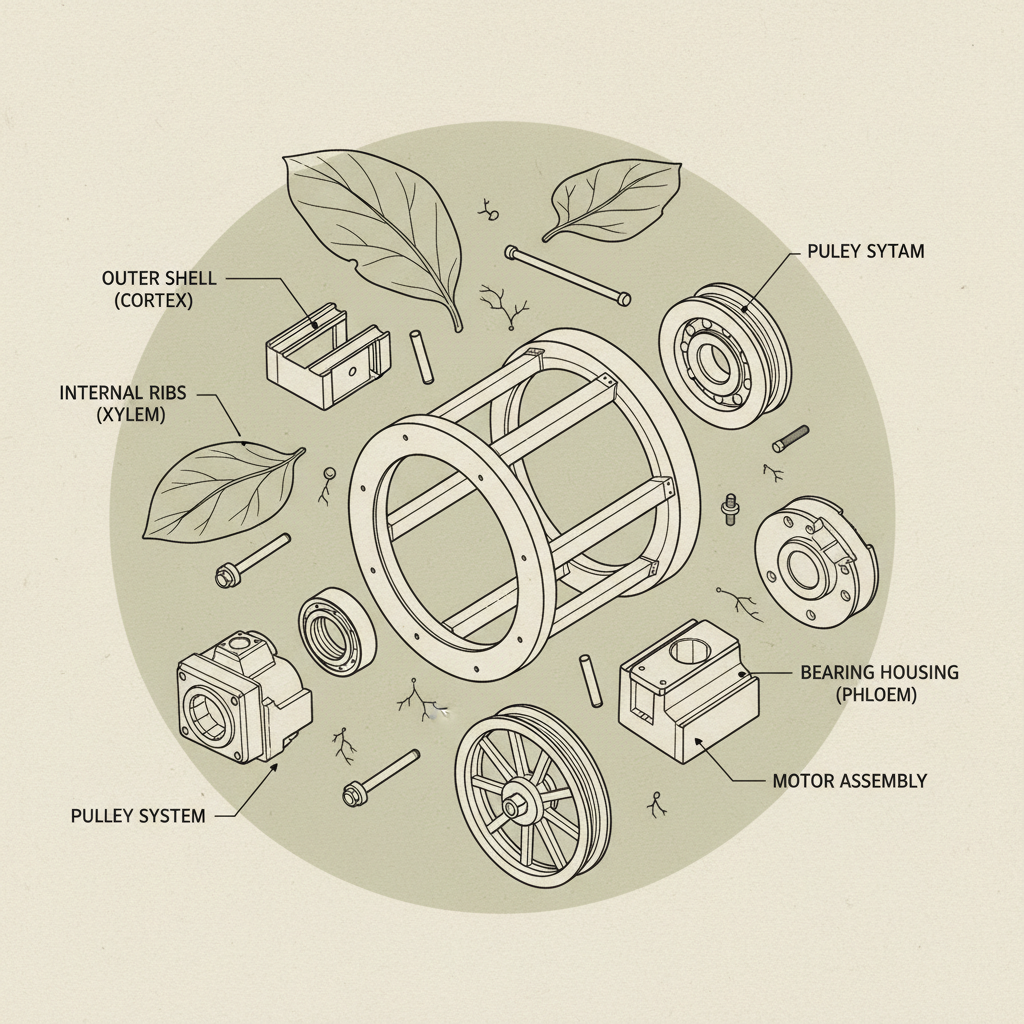
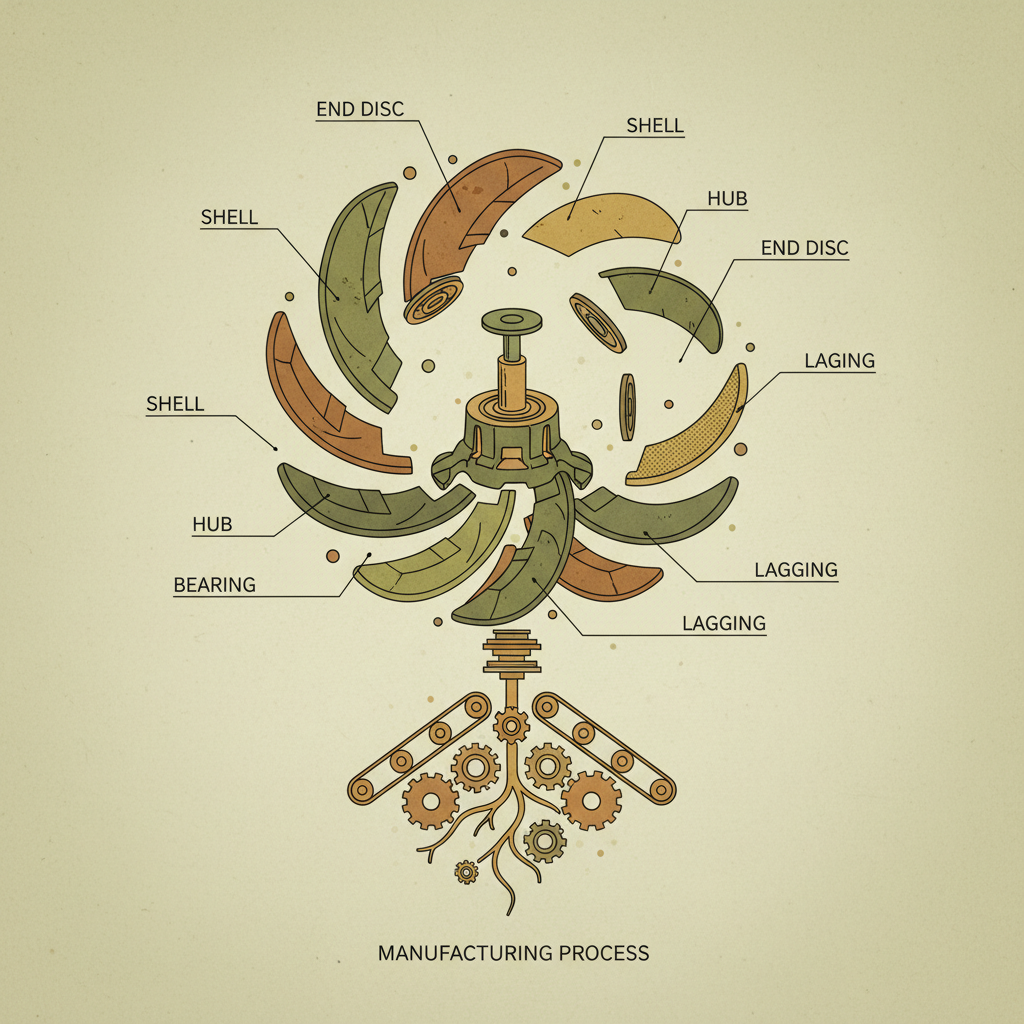
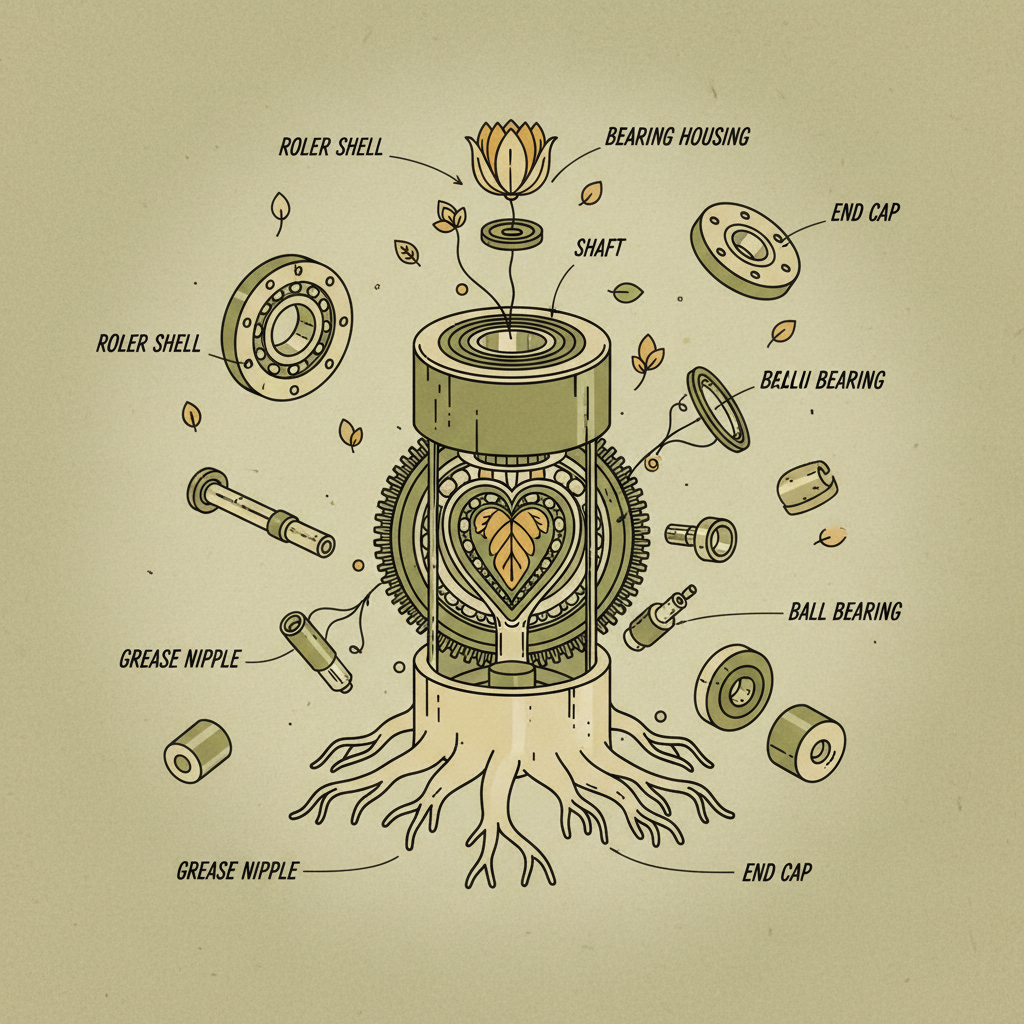
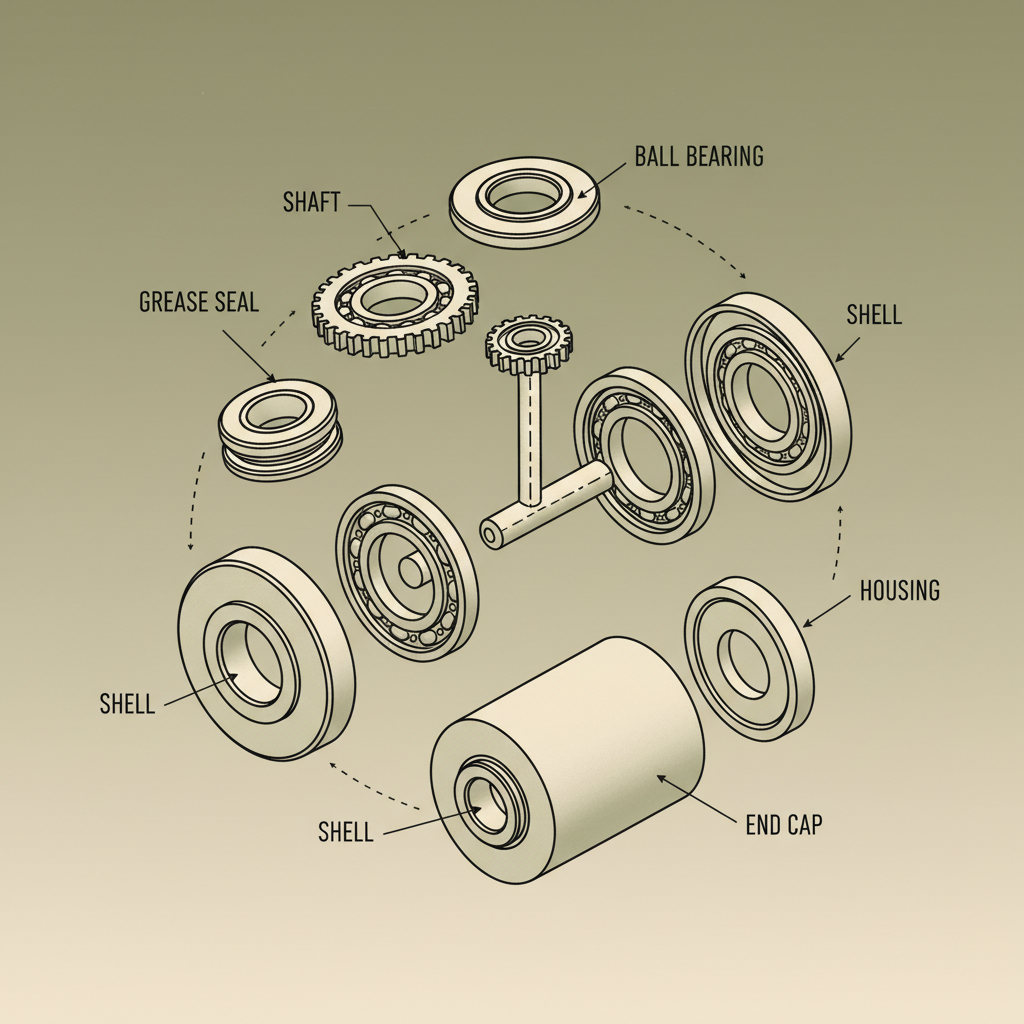
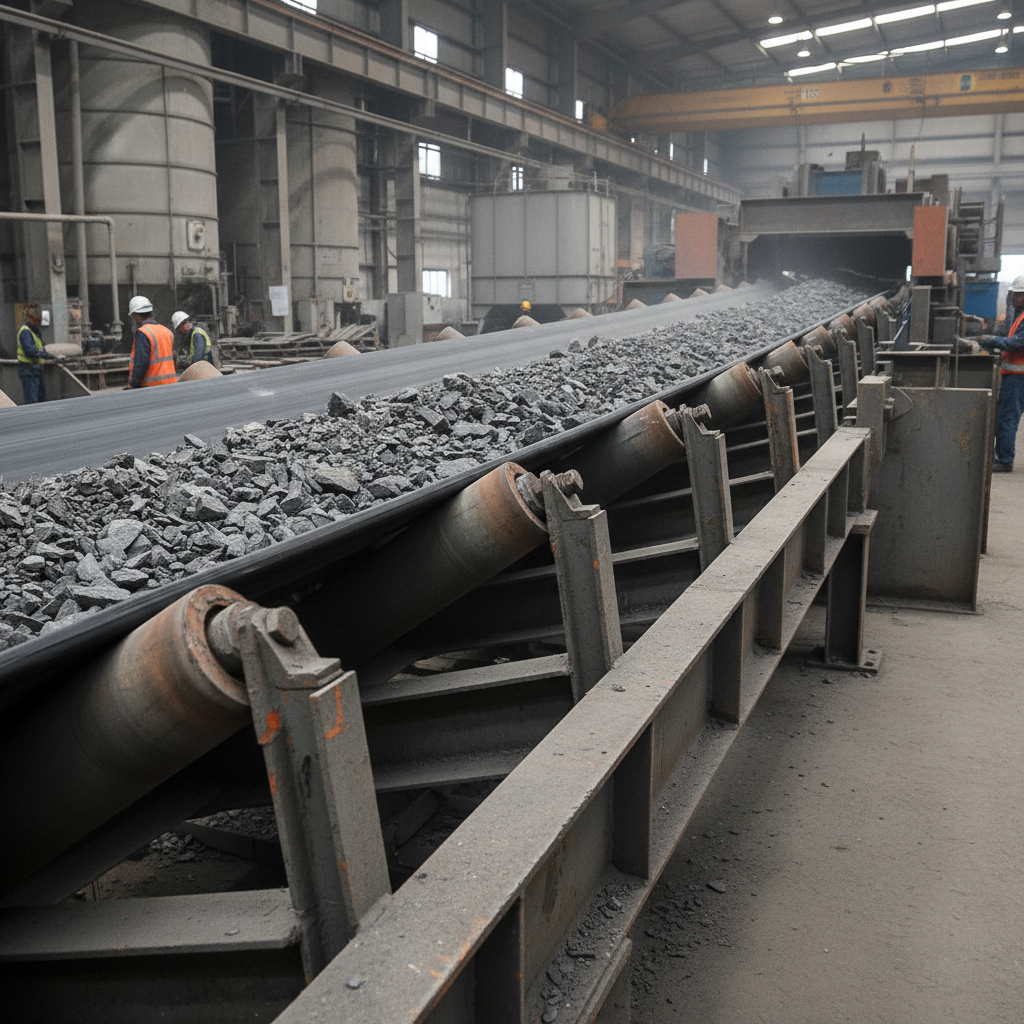
Look, conveyor drum manufacturers… been around forever, right? But things are shifting. Everyone's talking about modularity now. Pre-fab, quick assembly. Used to be, a big steel mill would design a whole conveyor system from scratch, custom everything. Now? They want plug-and-play. It’s driven by speed, honestly. And frankly, labor costs. To be honest, finding skilled welders these days…it’s a nightmare.
The whole industry's trying to be leaner, more efficient. But it’s not just about speed. Sustainability is a huge driver too. Everyone's looking for ways to reduce energy consumption, improve lifespan. You wouldn't believe the amount of scrap metal generated on a big project. It's obscene.
It all comes down to getting the right drum for the job, and that's way more complicated than it sounds.
The Current Landscape of conveyor drum manufacturers
Seriously, the demand for higher throughput is insane. Mining, aggregate, even food processing... everyone wants to move more stuff, faster. That pushes the requirements on the drums – higher speeds, heavier loads, more abrasive materials. And, oddly enough, a lot of the older manufacturers are slow to adapt. They’re stuck in their ways, using designs that haven’t changed in decades. Have you noticed that? It's frustrating.
The ones who are succeeding are the ones embracing automation in their manufacturing processes. Precision winding, dynamic balancing…it all adds up to a more reliable product. It's not cheap, though. That's the catch.
Common Design Pitfalls in conveyor drum manufacturers
Oh boy, where do I even start? People underestimate the importance of shaft alignment. Seriously. A fraction of a degree off, and you’re looking at premature bearing failure. It’s a simple thing, but so many get it wrong. Then there’s the whole issue of lagging. You need the right rubber compound for the application, the right thickness…too little, and you’ll wear through the shell in no time. Too much, and you throw off the balance.
I encountered this at a cement factory last time, they cheaped out on the lagging, thinking it wouldn't matter. Six months later, they were replacing drums left and right. Cost them a fortune.
And don’t even get me started on the coatings. People think a quick spray of paint will protect against corrosion. It won't. You need a proper epoxy coating, applied correctly, with the right surface prep. Otherwise, it's just a waste of time.
Core Materials and Their Handling
Steel, obviously. Carbon steel is still the workhorse, but stainless steel is gaining traction, especially in food and pharmaceutical applications. Stainless smells different, you know? Kind of…cleaner. Carbon steel smells like…well, steel. Oily. You can feel the grit on your hands even through gloves. It needs proper rust prevention, though.
Then you’ve got the rubber lagging, which comes in a million different compounds – SBR, EPDM, neoprene… each with its own properties. Some are better for abrasion resistance, others for chemical resistance, others for high temperatures. You gotta know your stuff. And handling the rubber…it’s sticky. Really sticky. And it smells…distinctive. Not unpleasant, just…present.
And then there's the core itself - cast iron or fabricated steel. Cast iron is cheaper, but heavier and more prone to cracking. Fabricated steel gives you more design flexibility, but it's more expensive and requires skilled welders. Strangely, everyone thinks welding is easy. It’s not.
Real-World Testing of conveyor drum manufacturers
Forget lab tests, honestly. Those are useful for basic quality control, but they don’t tell you how a drum will perform in the real world. I want to see it running in a quarry, loaded with abrasive rock, 24/7. I want to see it exposed to extreme temperatures and humidity. I want to see how it holds up to shock loads.
We do a lot of field testing, partnering with our customers to install drums in their operations and monitor their performance. Vibration analysis, temperature monitoring, regular visual inspections…it’s a lot of work, but it's worth it. It tells us what’s really happening.
conveyor drum manufacturers Performance Metrics
How Users Actually Employ conveyor drum manufacturers
It’s never what you expect. Engineers will design a system based on theoretical load calculations, but operators will always find a way to push it beyond its limits. They’ll overload it, they’ll run it faster, they’ll subject it to materials it wasn’t designed for. It’s just human nature.
I’ve seen guys use drums as makeshift hammers, wedge material under them to adjust the belt tension…you name it. They’re resourceful, these guys. But it puts a strain on the equipment, and ultimately, it leads to failures.
Advantages and Drawbacks of conveyor drum manufacturers
Okay, advantages? Durability, obviously. A well-built drum will last for years, even under harsh conditions. Reliability is another big one. You don’t want a drum failing in the middle of a production run. That shuts everything down. And increasingly, modularity – the ability to swap out drums quickly and easily.
But drawbacks? Cost. Good drums aren’t cheap. And weight. Some of those heavy-duty drums are a real pain to maneuver. And the maintenance. Bearings need to be greased, lagging needs to be inspected, coatings need to be touched up. It's an ongoing process.
Anyway, I think the biggest drawback is the lack of standardization. Every manufacturer seems to have their own proprietary designs, which makes it difficult to source replacement parts.
Customization and Specific Applications of conveyor drum manufacturers
We get all sorts of customization requests. Last month, that small boss in Shenzhen who makes smart home devices insisted on changing the interface to , because he thought it looked “more modern.” It made absolutely no functional difference, but he was adamant. It cost him extra, delayed the project, and frankly, made things more complicated. But hey, it's his money.
Seriously though, customization is important. Different applications require different features. For example, in the food industry, you need drums with FDA-approved coatings. In the mining industry, you need drums that can withstand extreme abrasion. And in the paper industry, you need drums that won’t generate static electricity.
We can adjust shaft diameters, drum lengths, lagging materials, coating types… pretty much anything you can think of.
Key Performance Indicators for conveyor drum manufacturers
| Application Type |
Material Composition |
Expected Lifespan (Years) |
Maintenance Frequency |
| Mining Operations |
High-Grade Cast Iron with Abrasion-Resistant Lagging |
3-5 |
Monthly Inspection, Quarterly Greasing |
| Food Processing Plants |
Stainless Steel with FDA-Approved Coating |
5-7 |
Bi-Monthly Inspection, Semi-Annual Bearing Replacement |
| Aggregate Handling |
Carbon Steel with Hard Rubber Lagging |
2-4 |
Weekly Inspection, Monthly Lagging Check |
| Packaging & Logistics |
Lightweight Aluminum Alloy |
7-10 |
Quarterly Inspection, Annual Bearing Lubrication |
| Chemical Processing Plants |
Corrosion-Resistant Stainless Steel |
6-8 |
Monthly Inspection, Bi-Annual Coating Check |
| Recycling Facilities |
Heavy-Duty Steel with Reinforced Lagging |
3-6 |
Daily Inspection, Monthly Bearing Maintenance |
FAQS
Honestly? Thinking it's just about grip. It’s way more than that. You need to consider the material being conveyed, the ambient temperature, the humidity, the impact forces… it’s a complex equation. A lot of guys just grab the cheapest option, and then wonder why it wears out so quickly. It's a false economy. You get what you pay for, you know?
It depends on the application, but a good rule of thumb is at least quarterly. Listen for unusual noises, check for play in the shaft, and feel for excessive heat. If you notice anything off, shut it down and investigate. Bearing failure can cause a cascade of problems, and it’s always cheaper to fix it early than to deal with the aftermath.
Cast iron is cheaper, simpler to manufacture, and good for lower-speed, lower-load applications. But it's heavier and more brittle. Fabricated steel is stronger, lighter, and more customizable, but it requires skilled welding and is more expensive. It really comes down to the specific needs of the application.
Sometimes. Minor damage, like a dented shell, can often be repaired. But if the shaft is bent or the bearing housings are cracked, it’s usually more cost-effective to replace the entire drum. Trying to repair a seriously damaged drum is a recipe for disaster, trust me.
Epoxy coatings are generally the best bet, but the key is proper surface preparation. You need to remove all rust and scale before applying the coating, otherwise it won't adhere properly. And you need to apply multiple coats, following the manufacturer's instructions to the letter.
Extremely important. An unbalanced drum will cause vibration, which can lead to bearing failure, belt wear, and structural damage. Dynamic balancing ensures that the weight is evenly distributed around the drum, minimizing vibration and extending its lifespan. Don't skimp on this.
Conclusion
Look, conveyor drum manufacturers… it's not glamorous work, but it's essential. A reliable conveyor system is the backbone of countless industries. It's about understanding the materials, the applications, and the nuances of real-world operation. It's about paying attention to the details.
Ultimately, whether this thing works or not, the worker will know the moment he tightens the screw. If it feels solid, if it runs smooth, if it lasts…that’s what matters. If you want to learn more, or have a specific problem you need to solve, visit our website: www.idleraohua.com.