Guide idler represent a crucial component in modern industrial systems, ensuring smooth and reliable operation of machinery across a vast array of sectors. From heavy manufacturing and mining to food processing and logistics, these seemingly simple elements play a pivotal role in preventing belt slippage, reducing wear and tear, and ultimately minimizing downtime. Understanding the principles behind guide idler, their selection, and proper maintenance is therefore paramount for optimizing efficiency and productivity in countless industrial applications.
The global market for guide idler is substantial and continuously growing, driven by increasing industrialization, especially in emerging economies. According to recent industry reports, the conveyor components market – of which guide idler are a significant part – is projected to reach over $10 billion by 2028. This growth is fueled by the demand for efficient material handling solutions and the increasing complexity of modern supply chains. Addressing challenges related to the durability, cost-effectiveness, and performance of guide idler is therefore a key focus for manufacturers and end-users alike.
Ultimately, effective use of guide idler translates to significant cost savings, enhanced safety, and improved sustainability. By preventing belt misalignment and reducing energy consumption, these components contribute to a more efficient and environmentally responsible industrial landscape. This makes understanding and optimizing guide idler integral to achieving operational excellence in today’s competitive market.
Introduction to Guide Idler
Guide idler are specialized rollers strategically positioned along conveyor belts to maintain proper belt alignment and prevent it from wandering off course. They are often used in conjunction with self-centering idler to further enhance belt tracking. These components aren’t simply about keeping the belt on track; they directly influence the lifespan of the belt, the efficiency of the entire conveyor system, and the safety of personnel working nearby.
Properly selected and maintained guide idler contribute to reduced material spillage, consistent product flow, and minimized energy consumption. Failing to address guide idler issues can result in costly belt damage, frequent downtime, and potentially hazardous working conditions. guide idler are therefore vital for overall operational health.
Defining Guide Idler and Its Relevance
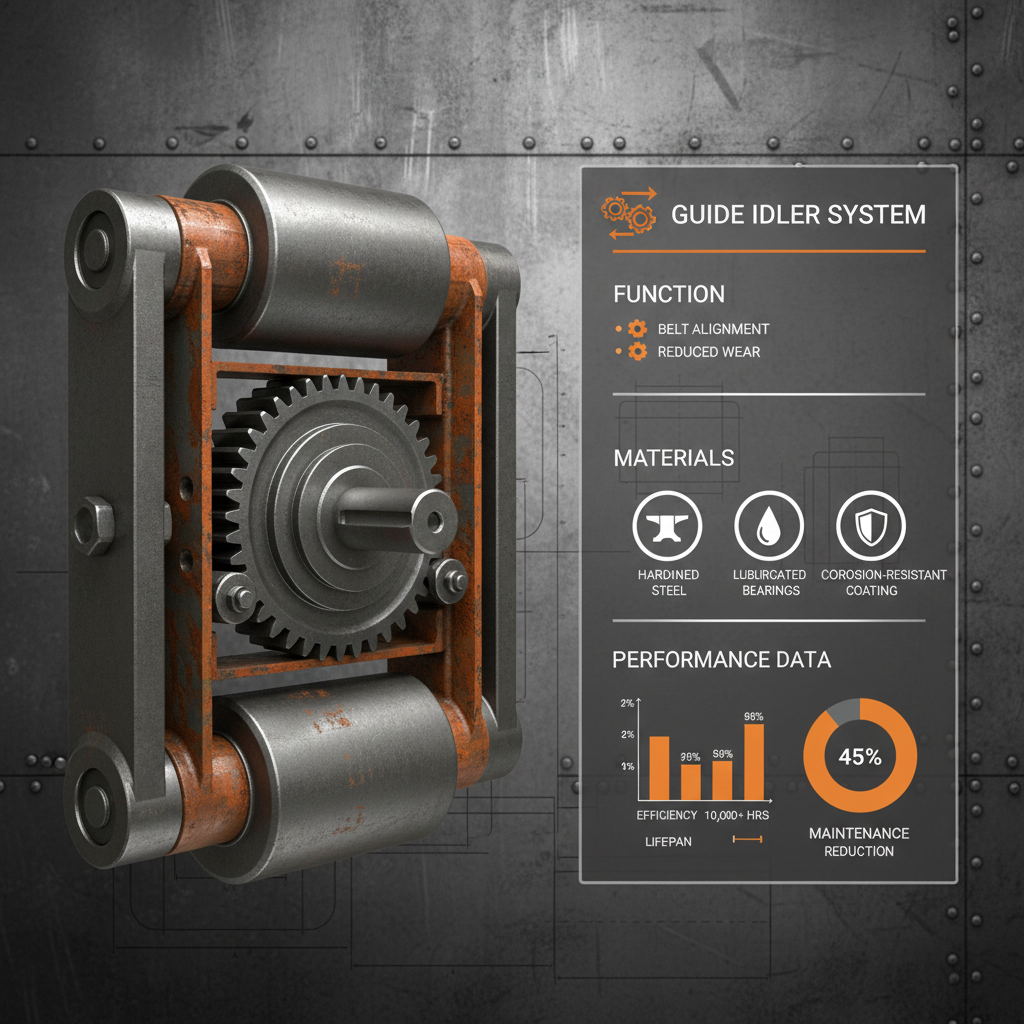
At its core, a guide idler is a rotating component designed to constrain the lateral movement of a conveyor belt. Unlike standard idler which primarily support the belt’s load, guide idler focus on directing its path. They come in various configurations – flanged, tapered, or crowned – each suited for specific belt types and application requirements. Their primary function is to counteract the forces that tend to push the belt off center, such as uneven loading or belt imperfections.
The relevance of guide idler extends far beyond simple conveyor systems. They are integral to automated warehouses, bulk material handling facilities, mining operations, and even airport baggage handling systems. Any application where continuous, reliable material transport is essential relies on the effective function of guide idler. Without them, systems would be prone to frequent stoppages, increased maintenance costs, and reduced throughput.
The connection to modern industry is undeniable. As manufacturers strive for greater automation and efficiency, the demand for high-performance guide idler continues to rise. The adoption of smart conveyor systems, incorporating sensors and data analytics to optimize belt tracking, further underscores the importance of these seemingly unassuming components.
Core Components of Effective Guide Idler
Several key factors determine the effectiveness of a guide idler. First, the material of construction is crucial. High-strength steel is common for heavy-duty applications, while polymers and composites are used where corrosion resistance or weight reduction are priorities. Second, the idler diameter influences the belt’s ability to navigate curves and maintain alignment. Larger diameters generally provide smoother tracking.
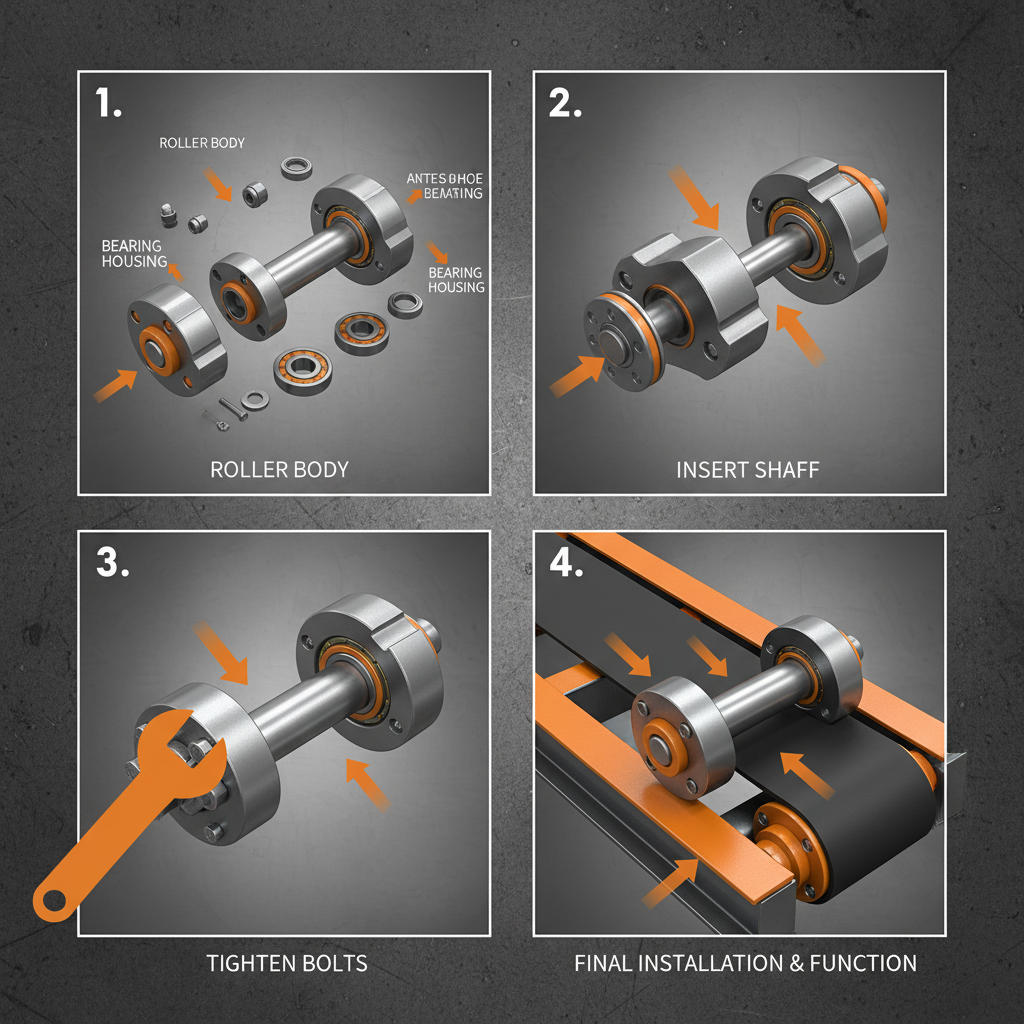
Third, the flange or crown angle plays a vital role in controlling belt direction. A properly angled flange gently guides the belt back to the center, preventing runaway situations. Fourth, bearing quality is paramount. High-quality, sealed bearings minimize friction, reduce wear, and extend the idler’s lifespan. Finally, the mounting system must be robust and capable of withstanding the dynamic loads imposed by the conveyor belt.
These components work synergistically to provide reliable belt tracking and minimize maintenance requirements. Selecting the right combination of materials, dimensions, and bearing types is essential for achieving optimal performance in a given application. guide idler design has continuously improved with materials science advances.
Applications of Guide Idler Across Industries
Guide idler are ubiquitous across a broad spectrum of industries. In mining, they are used in heavy-duty conveyor systems to transport ore, coal, and other bulk materials over long distances. In manufacturing, they are crucial for assembly lines, packaging systems, and material handling processes. The agricultural sector utilizes them in grain handling and processing facilities.
The logistics and distribution industry relies heavily on guide idler in automated sorting systems, baggage handling lines, and package delivery networks. Furthermore, in food processing plants, they are essential for maintaining hygienic and efficient transport of ingredients and finished products. In post-disaster relief operations, mobile conveyor systems equipped with robust guide idler can facilitate rapid distribution of aid supplies to affected areas.
Guide Idler Performance Metrics
Advantages and Long-Term Value Proposition
The advantages of utilizing high-quality guide idler are multifaceted. Tangible benefits include reduced belt maintenance costs, decreased downtime, and improved energy efficiency. By preventing belt misalignment, they minimize wear and tear, extending the belt’s service life and reducing the need for frequent replacements. This translates to significant cost savings over the long term.
Beyond the purely economic benefits, guide idler contribute to enhanced safety in the workplace. Proper belt tracking reduces the risk of material spillage and potential accidents. They also contribute to a more sustainable industrial operation by minimizing material waste and energy consumption. The increased reliability afforded by robust guide idler fosters trust and confidence in the overall production process.
Future Trends in Guide Idler Technology
The future of guide idler is poised for innovation, driven by advancements in materials science, sensor technology, and data analytics. The development of self-adjusting guide idler, capable of dynamically responding to changing belt conditions, is a key trend. The integration of sensors to monitor belt tension, alignment, and bearing temperature will enable predictive maintenance and prevent unexpected failures.
Furthermore, the use of lightweight composite materials will reduce idler weight, minimizing energy consumption and improving conveyor system performance. The increasing adoption of digital twins and simulation software will allow engineers to optimize guide idler placement and configuration for specific applications, maximizing efficiency and reliability.
Challenges and Solutions in Guide Idler Implementation
Despite their benefits, implementing and maintaining guide idler can present certain challenges. Common issues include premature bearing failure, flange wear, and difficulty in adjusting alignment. These problems are often caused by improper installation, inadequate lubrication, or exposure to harsh operating conditions.
Solutions include using high-quality, sealed bearings with extended grease intervals, selecting wear-resistant flange materials, and implementing regular inspection and maintenance programs. Utilizing automated alignment systems and remote monitoring technologies can further streamline maintenance and minimize downtime. Investing in proper training for maintenance personnel is also crucial for ensuring optimal performance.
Innovative approaches such as incorporating self-cleaning mechanisms to remove debris buildup and utilizing advanced coatings to protect against corrosion are also gaining traction, improving the longevity and reliability of guide idler in demanding environments.
Summary of Guide Idler Challenges and Solutions
| Challenge |
Root Cause |
Severity (1-10) |
Proposed Solution |
| Premature Bearing Failure |
Inadequate Lubrication/Contamination |
8 |
Automated Lubrication System, Sealed Bearings |
| Flange Wear |
Abrasive Materials, Impact Loading |
7 |
Wear-Resistant Flange Materials, Impact Idler |
| Belt Misalignment |
Uneven Loading, Improper Installation |
9 |
Self-Centering Idler, Alignment Check |
| Corrosion |
Exposure to Harsh Environments |
6 |
Protective Coatings, Stainless Steel Components |
| Noise & Vibration |
Worn Bearings, Imbalance |
5 |
Bearing Replacement, Dynamic Balancing |
| Difficult Adjustment |
Inaccessible Mounting, Complex Design |
4 |
Ergonomic Mounting Design, Remote Adjustment |
FAQS
The most frequent causes of guide idler failure include bearing contamination leading to increased friction and wear, material buildup on the flanges causing misalignment, and impact damage from overloaded or improperly handled materials. Regular inspection and preventive maintenance, such as lubrication and cleaning, are essential for mitigating these risks. Using high-quality sealed bearings and wear-resistant flange materials can also significantly extend idler lifespan.
Selecting the appropriate guide idler involves considering several factors. These include the type and weight of the material being conveyed, the belt speed and tension, the operating environment (temperature, humidity, dust levels), and the conveyor system’s layout. The idler’s diameter, flange angle, and bearing capacity must be carefully matched to these requirements. guide idler professionals can provide expert guidance in this selection process.
A typical maintenance schedule for guide idler includes visual inspections every month, lubrication every 3-6 months (depending on operating conditions), and bearing replacement every 1-2 years. More frequent inspections may be necessary in harsh environments or for heavily loaded systems. Regularly cleaning the idler surfaces to remove material buildup is also crucial. Maintaining detailed records of inspections and maintenance activities is highly recommended.
Yes, guide idler can often be retrofitted into existing conveyor systems. However, a thorough assessment of the existing system is necessary to ensure compatibility. This includes verifying the mounting points, belt type, and operating conditions. In some cases, modifications to the conveyor frame or belt may be required to accommodate the new idler. Professional installation is recommended to ensure proper alignment and performance.
Self-centering guide idler are designed to automatically correct minor belt misalignment without manual adjustment. They achieve this through a unique construction that allows the idler to pivot slightly in response to belt movement. While standard guide idler require periodic adjustment to maintain proper alignment, self-centering idler offer a more hands-off solution, reducing maintenance and downtime.
The lifespan of a guide idler varies depending on operating conditions, material quality, and maintenance practices. Under ideal circumstances, a well-maintained guide idler can last for 3-5 years or longer. However, in harsh environments or with heavy loading, the lifespan may be significantly reduced. Regular inspections and timely replacement of worn components are essential for maximizing idler longevity.
Conclusion
In conclusion, guide idler are critical components for ensuring the reliable and efficient operation of conveyor systems across a wide range of industries. Their proper selection, installation, and maintenance are essential for minimizing downtime, reducing costs, and enhancing safety. By understanding the core principles behind guide idler technology and embracing innovative solutions, organizations can optimize their material handling processes and achieve significant operational improvements.
Looking ahead, the future of guide idler will be shaped by advancements in materials science, sensor technology, and data analytics. Investing in these technologies and prioritizing proactive maintenance practices will be key to maximizing the long-term value of guide idler and ensuring the continued efficiency of conveyor systems. For more information and tailored solutions, visit our website: www.idleraohua.com