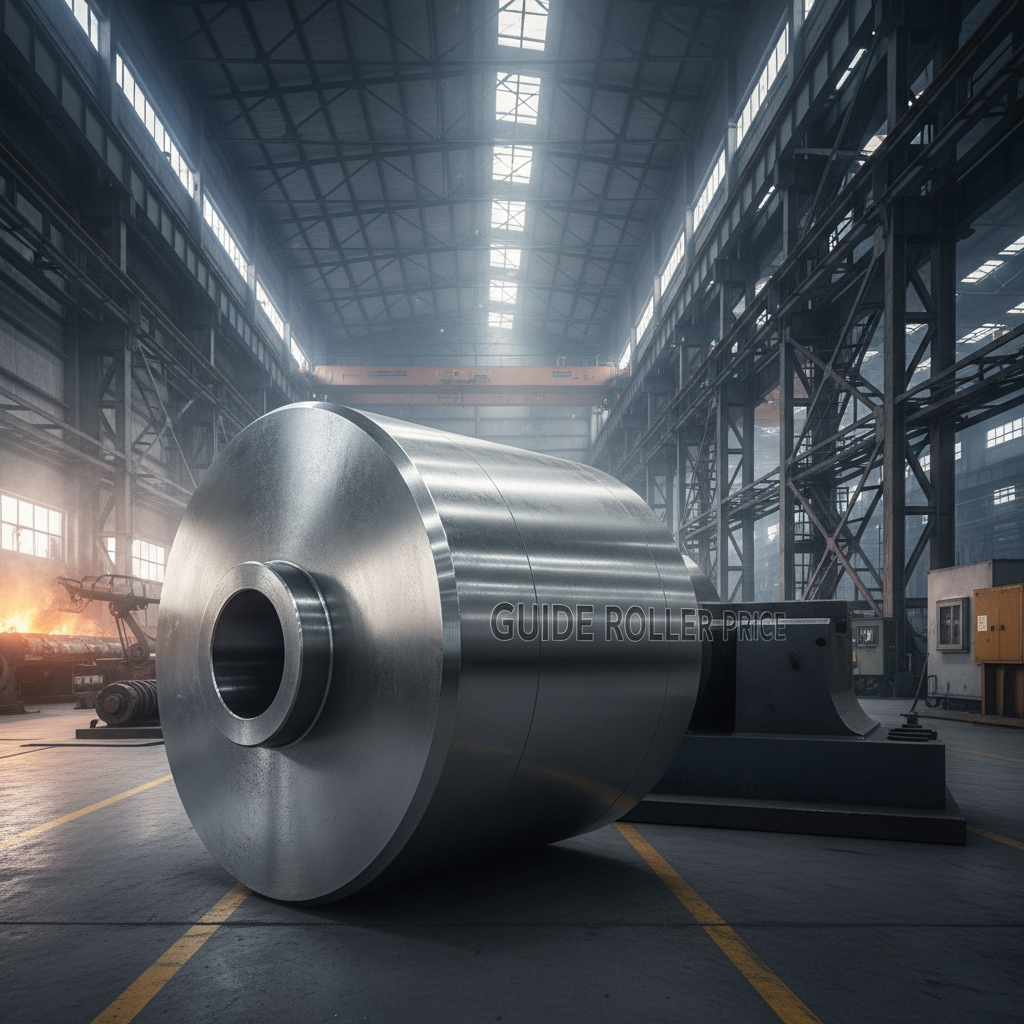
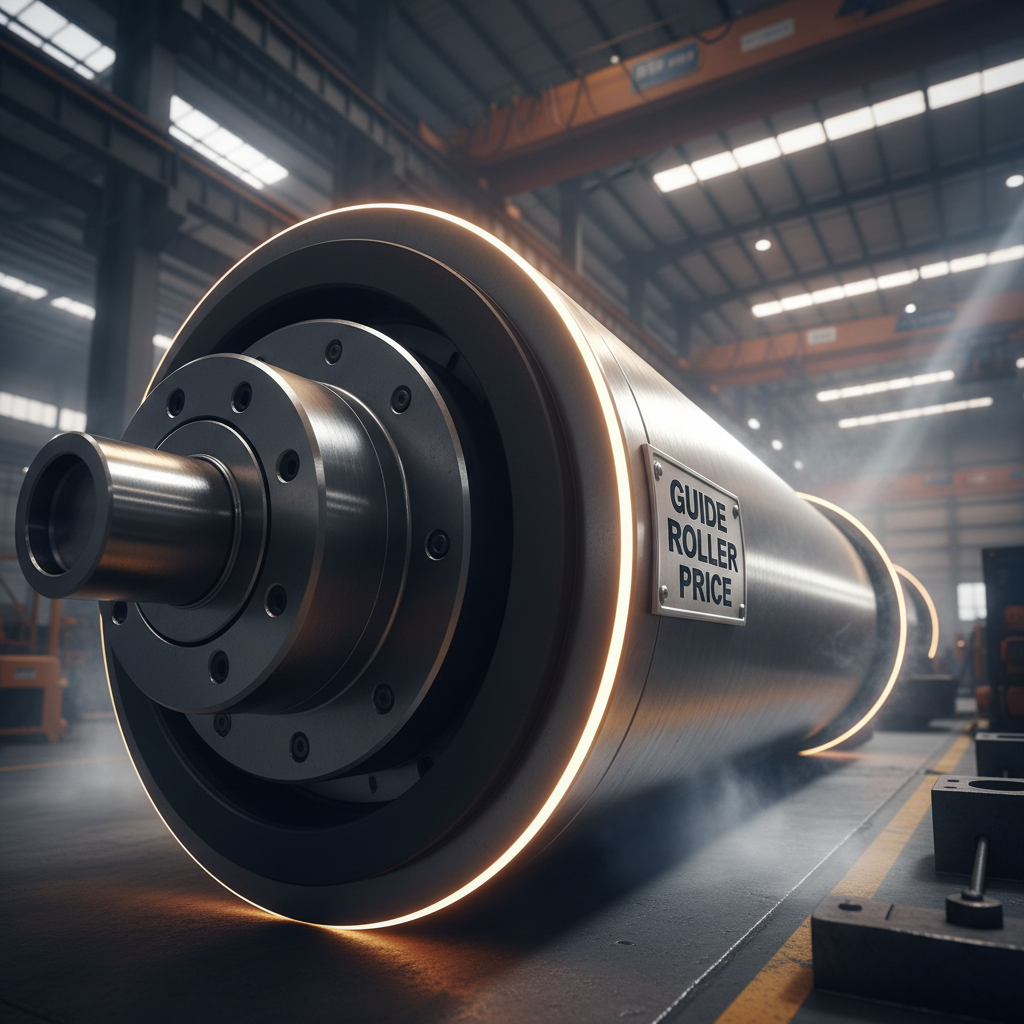
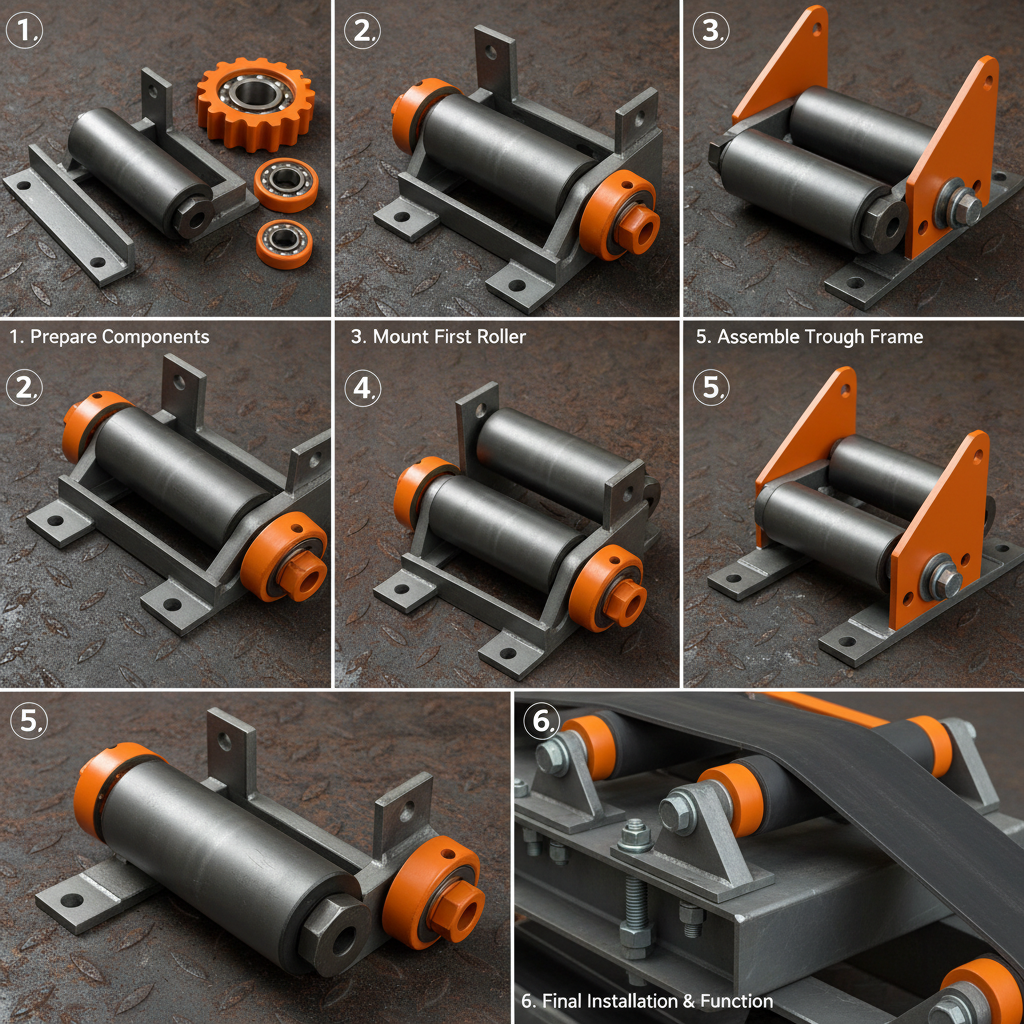
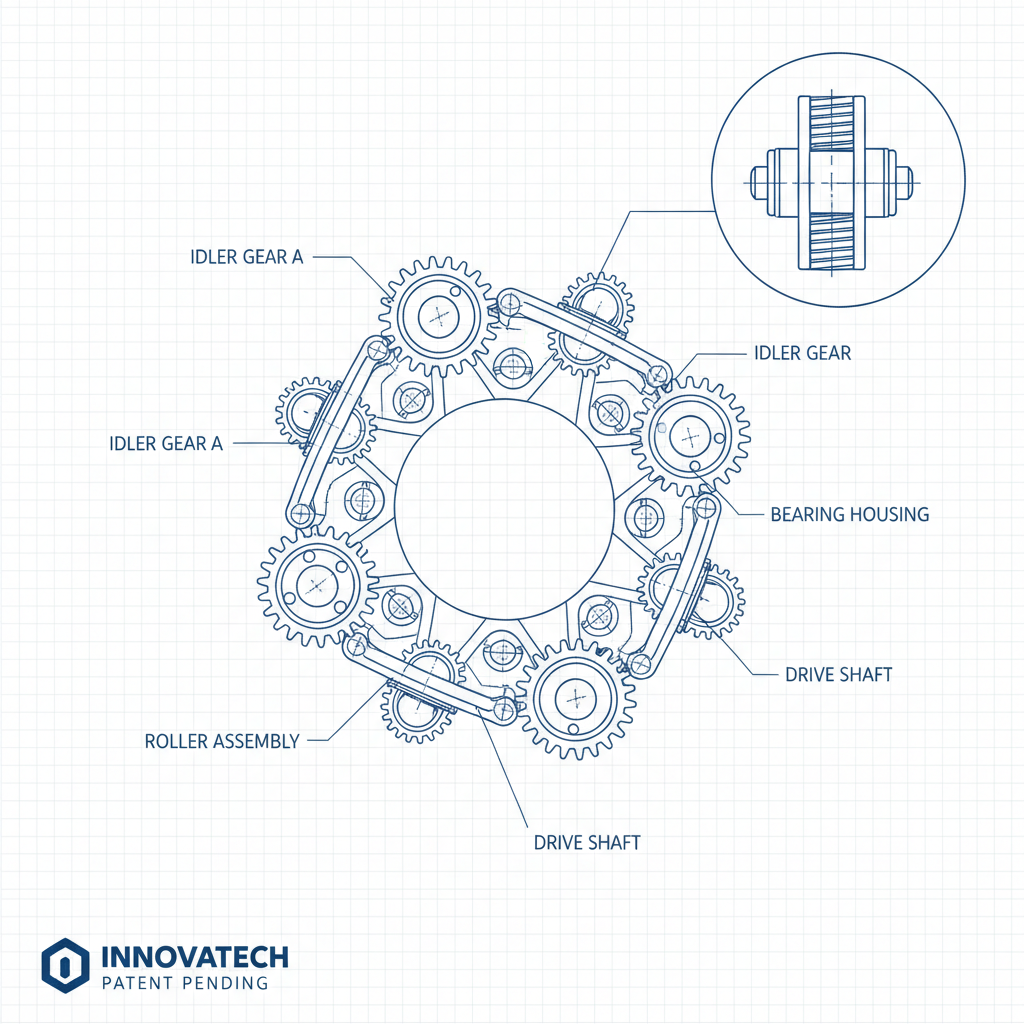
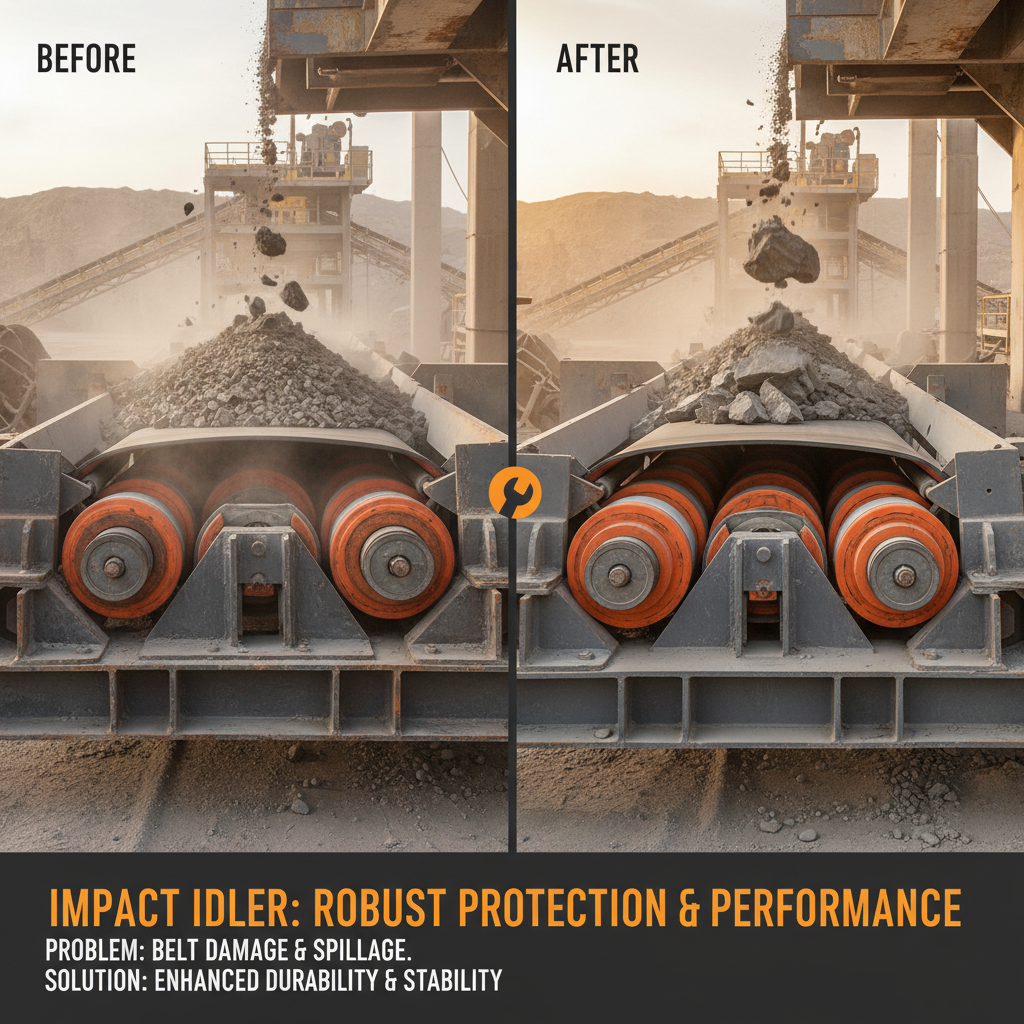
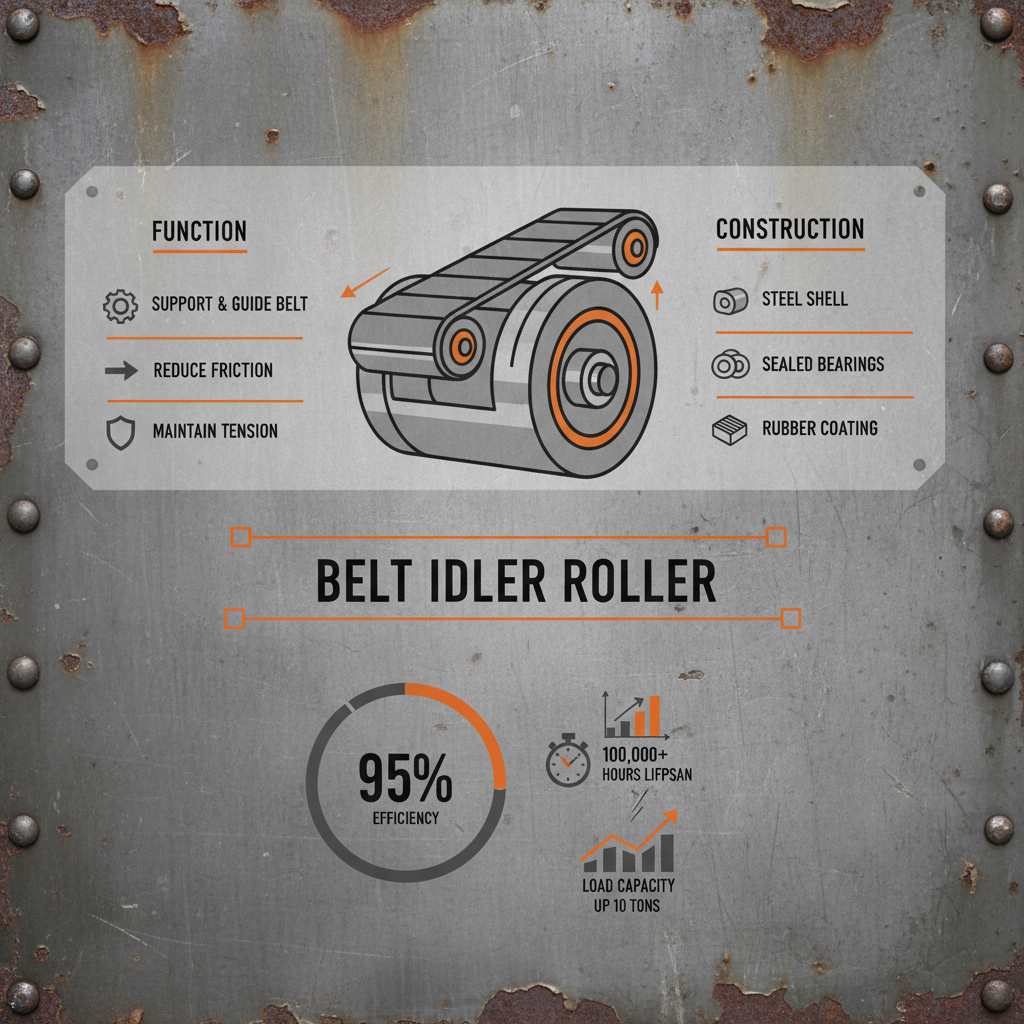
Guide roller price is a critical component in numerous industrial applications, ranging from conveyor systems and packaging machinery to printing presses and steel mills. Understanding the factors influencing this price – materials, precision, durability, and vendor relationships – is paramount for optimizing operational costs and ensuring consistent performance. The global industrial landscape heavily relies on the efficient functioning of these rollers, making price transparency and informed purchasing decisions essential for businesses worldwide.
The significance of guide roller price extends beyond simple cost considerations. The quality and precision of these rollers directly impact production efficiency, product quality, and equipment longevity. Fluctuations in raw material costs, particularly steel and specialized polymers, can significantly affect pricing, necessitating careful budgeting and supply chain management. Furthermore, the growing demand for automation and higher throughput in manufacturing is driving the need for high-performance guide rollers, often commanding a premium price.
Ultimately, a nuanced understanding of guide roller price empowers businesses to make strategic sourcing decisions, mitigate risks associated with supply chain disruptions, and invest in reliable equipment that contributes to long-term profitability and sustainable growth. Proper evaluation involves considering total cost of ownership, including maintenance, replacement, and potential downtime, rather than solely focusing on the initial purchase price.
Introduction to Guide Roller Price
The price of guide rollers isn’t simply a number on an invoice; it's a reflection of the engineering, materials, and manufacturing processes involved. Factors such as roller diameter, load capacity, rotational speed, and operating environment all contribute to determining the final cost. Understanding these parameters and their impact on performance is key to making an informed purchasing decision. Consider where to source guide roller price options to best fit your needs.
Furthermore, the source of the guide roller significantly affects the price. Directly sourcing from manufacturers often results in lower costs, but may require larger order quantities. Distributors offer greater flexibility but typically include a markup. Regional variations in labor costs and transportation expenses also play a role, impacting the overall guide roller price.
Defining Guide Roller Price
Guide roller price refers to the monetary value assigned to a cylindrical component designed to support and direct moving materials – typically belts, sheets, or webs – within a system. This price is determined by a complex interplay of factors, including material composition (steel, aluminum, polymers), precision engineering, manufacturing complexity, and the supplier's pricing strategy. It’s important to differentiate between the initial purchase price and the total cost of ownership.
In the modern industrial landscape, guide rollers are integral to automated processes across diverse sectors, from logistics and e-commerce fulfillment to paper mills and pharmaceutical manufacturing. The price of these rollers directly influences the efficiency and reliability of these operations. Accurate cost assessment is crucial for budgeting, procurement, and return on investment (ROI) calculations.
Essentially, guide roller price represents the investment in a critical component that ensures smooth, controlled material handling, reducing friction, preventing damage, and maximizing productivity. It’s a fundamental factor impacting overall system performance and operational profitability.
Core Components Influencing Price
Several key components directly impact guide roller price. Firstly, the material used – typically steel, stainless steel, aluminum, or specialized polymers – has a significant effect. Stainless steel and high-performance polymers are more expensive but offer superior corrosion resistance and durability. Secondly, the precision of manufacturing and the tolerances achieved influence the cost. Tighter tolerances require more sophisticated machining processes and quality control measures.
Thirdly, the bearing system employed – from simple ball bearings to precision tapered roller bearings – significantly contributes to the overall price. High-quality bearings offer smoother operation, reduced friction, and extended service life, but come at a higher cost. Finally, any specialized coatings or surface treatments, such as chrome plating or ceramic coatings, add to the price but enhance durability and resistance to wear and tear.
The chosen diameter and length of the roller, along with its load-bearing capacity, also play a vital role. Larger, heavier-duty rollers require more material and robust construction, resulting in a higher price point. Understanding the specific application requirements and selecting the appropriate roller specifications are crucial for optimizing both performance and cost.
Global Applications and Price Variations
Guide roller price varies significantly across different global applications. In high-speed packaging lines in developed economies like Germany and Japan, demand for precision-engineered, high-performance rollers drives up the price. Conversely, in less developed regions, where cost sensitivity is higher, simpler, more affordable rollers may be preferred.
Industries such as steel manufacturing and aluminum processing, requiring heavy-duty rollers capable of withstanding extreme temperatures and corrosive environments, typically incur higher guide roller prices. The logistics and e-commerce sectors, with their vast conveyor systems, represent a significant demand for guide rollers, influencing price trends based on volume and competition.
Furthermore, geopolitical factors and trade regulations can impact guide roller price. Tariffs, import duties, and currency fluctuations can all contribute to price variations across different regions. Supply chain disruptions, as witnessed during recent global events, can also lead to price increases due to scarcity and increased transportation costs.
Guide Roller Price Comparison by Application
Advantages of Investing in Quality Guide Rollers
Investing in high-quality guide rollers, even at a higher initial guide roller price, offers substantial long-term advantages. These rollers typically exhibit superior durability, reducing the frequency of replacements and minimizing downtime. This translates to lower maintenance costs and increased productivity.
Precision-engineered rollers contribute to improved product quality by ensuring consistent material handling and preventing damage. Reduced friction minimizes energy consumption, leading to cost savings and a smaller environmental footprint. Furthermore, reliable performance enhances safety and reduces the risk of accidents.
Future Trends in Guide Roller Technology
Several emerging trends are shaping the future of guide roller technology. The integration of smart sensors and IoT connectivity allows for real-time monitoring of roller performance, enabling predictive maintenance and preventing unexpected failures. The development of lightweight, high-strength materials, such as carbon fiber composites, is reducing roller weight and improving energy efficiency.
Furthermore, advancements in surface coatings and lubrication technologies are enhancing durability and reducing friction, extending roller service life. The increasing adoption of automation and robotics in manufacturing is driving demand for specialized guide rollers designed for high-speed, high-precision applications.
Expect to see a growing focus on sustainable materials and manufacturing processes, aligning with the broader trend towards environmental responsibility. Utilizing options from suppliers like guide roller price experts will be important in adapting to these advancements.
Challenges & Optimizing Guide Roller Price
One significant challenge in optimizing guide roller price is navigating the complex supply chain and ensuring consistent quality. Sourcing from unreliable suppliers can lead to substandard rollers that fail prematurely, resulting in costly downtime and production delays. Another challenge is accurately assessing the specific application requirements and selecting the appropriate roller specifications.
To overcome these challenges, businesses should prioritize establishing long-term relationships with reputable suppliers, conducting thorough quality control inspections, and investing in predictive maintenance programs. Implementing a robust inventory management system can also help minimize downtime and reduce the risk of stockouts.
A key strategy for optimizing guide roller price is adopting a total cost of ownership approach, considering not only the initial purchase price but also the long-term costs associated with maintenance, replacement, and downtime. Consulting with experienced engineers and industry experts can provide valuable insights into selecting the most cost-effective and reliable guide roller solutions.
Summary of Factors Influencing Optimal Guide Roller Price
| Material Quality |
Precision Engineering |
Supplier Reliability |
Total Cost of Ownership |
| High-grade materials (stainless steel, polymers) increase initial price but offer longevity. |
Tighter tolerances and superior machining improve performance but also raise the guide roller price. |
Reputable suppliers ensure consistent quality and reduce the risk of premature failure. |
Considers initial cost, maintenance, downtime, and replacement costs. |
| Lower-quality materials may reduce the guide roller price initially but require more frequent replacement. |
Looser tolerances can compromise performance and increase the risk of defects. |
Unreliable suppliers may provide substandard products and inconsistent service. |
Focusing solely on initial price can lead to higher long-term costs. |
| Corrosion-resistant materials are essential for harsh environments, increasing guide roller price. |
Precision bearings contribute to smoother operation and longer service life, justifying a higher price. |
Direct sourcing from manufacturers can often reduce the guide roller price. |
Regular maintenance and timely replacements can minimize downtime and reduce overall costs. |
| Material selection impacts the weight and energy efficiency of the guide roller. |
Surface treatments (e.g., chrome plating) enhance durability and reduce friction. |
Strong supplier relationships can provide access to competitive pricing and exclusive deals. |
Analyzing historical data and predicting future needs can optimize inventory management. |
| Sustainable and recyclable materials contribute to a lower environmental impact, potentially affecting guide roller price. |
Automated quality control processes ensure consistent product performance and reduce defects. |
Consider the supplier’s geographic location and shipping costs when evaluating guide roller price. |
Investing in predictive maintenance technologies can proactively address potential issues and minimize downtime. |
| Advanced materials are often chosen for specialized applications requiring high performance. |
Proper documentation and traceability of materials and manufacturing processes are crucial for quality assurance. |
Negotiating favorable payment terms and volume discounts can help reduce the guide roller price. |
A comprehensive understanding of the application requirements is essential for selecting the most cost-effective solution. |
FAQS
The most significant factors impacting guide roller price include the material used (steel, aluminum, polymers), the precision of manufacturing, the type of bearing system, any specialized coatings, the roller’s dimensions and load capacity, and the supplier's pricing structure. Demand and raw material costs also play a role.
No, selecting the cheapest option isn't always the most cost-effective in the long run. Lower-priced rollers may use inferior materials or have looser tolerances, leading to premature failure, increased downtime, and higher maintenance costs. Focus on the total cost of ownership, considering durability and reliability.
Consider the load capacity, operating speed, environmental conditions, and the type of material being handled. Consult with a guide roller specialist or engineer to assess your specific requirements and recommend the most suitable roller type and specifications. Properly defining your needs is crucial.
A quality guide roller, with proper maintenance, can typically last for several years, even under demanding operating conditions. Lifespan depends on factors like load, speed, environment, and bearing quality. Regular inspection and lubrication are crucial for maximizing lifespan.
Steel offers strength and durability, while stainless steel provides corrosion resistance. Aluminum is lightweight, and polymers offer cost-effectiveness and noise reduction. Higher-performance materials generally come with a higher price but offer improved longevity and reliability.
Coatings, such as chrome plating or ceramic coatings, enhance durability, reduce friction, and improve resistance to wear, corrosion, and chemical attack. This extends roller lifespan and minimizes maintenance requirements, although they increase the initial guide roller price.
Conclusion
Understanding guide roller price involves more than simply comparing initial costs. It requires a holistic assessment of material quality, precision engineering, application requirements, and long-term maintenance considerations. Investing in high-quality rollers offers substantial benefits, including increased productivity, reduced downtime, and improved product quality, ultimately contributing to a lower total cost of ownership.
As industries continue to embrace automation and demand higher levels of efficiency, the importance of reliable and high-performing guide rollers will only grow. Staying abreast of emerging trends in materials, sensor technology, and predictive maintenance will be crucial for optimizing guide roller performance and maximizing return on investment. For expert assistance and competitive pricing, visit our website: www.idleraohua.com.