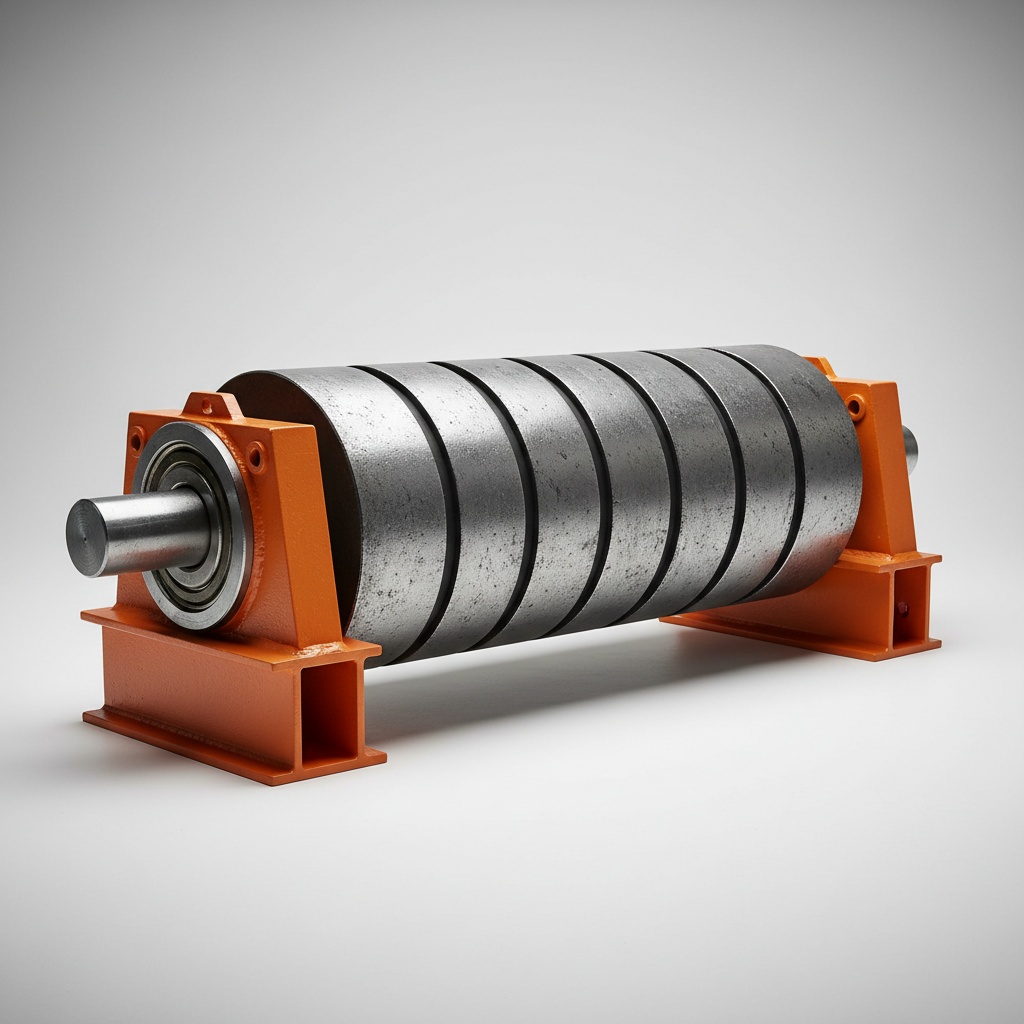
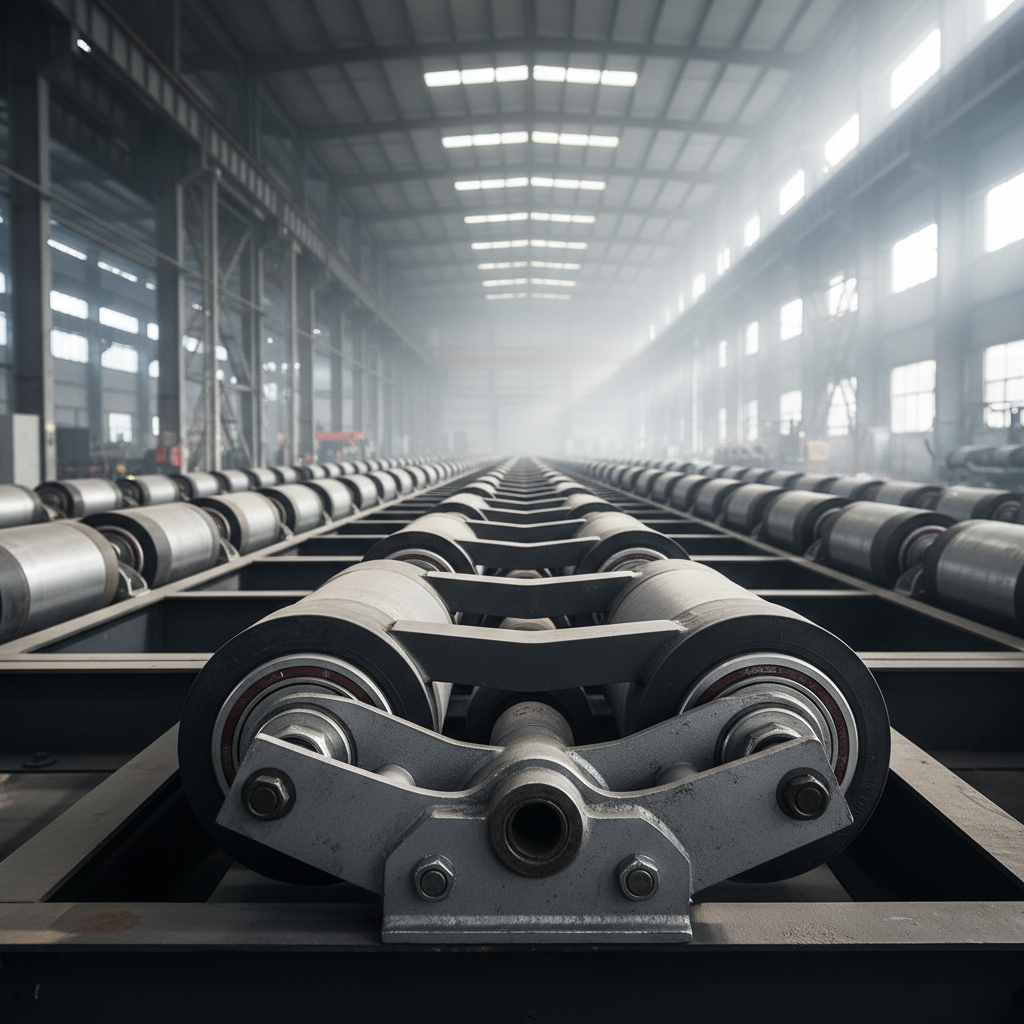
Idler rollers for belt conveyors are fundamental components in bulk material handling systems globally, facilitating the efficient and reliable transportation of goods across diverse industries. These seemingly simple cylindrical components underpin critical infrastructure in mining, agriculture, manufacturing, and logistics, impacting everything from raw material supply chains to finished product distribution. Understanding their design, functionality, and maintenance is crucial for maximizing operational efficiency and minimizing downtime, ultimately contributing to substantial cost savings and improved productivity.
The global demand for efficient material handling solutions is escalating, driven by population growth, industrial expansion, and the increasing complexity of supply chains. Idler rollers for belt conveyors play a pivotal role in meeting this demand, particularly in emerging economies where infrastructure development is accelerating. According to the World Bank, global trade volume is projected to continue its upward trajectory, further increasing the reliance on robust and reliable conveyor systems, and consequently, high-quality idler rollers.
The challenge lies in ensuring the longevity and performance of these rollers in demanding environments. Factors such as abrasive materials, harsh weather conditions, and heavy loads can lead to premature wear and failure. Investing in durable, well-engineered idler rollers, and implementing proactive maintenance strategies are essential for mitigating these risks and ensuring the continuous operation of vital supply chains. idler rollers for belt conveyors are key to overcoming these challenges.
Introduction to idler rollers for belt conveyors
Idler rollers for belt conveyors are critical support components that significantly reduce friction and ensure smooth belt travel. They are strategically positioned beneath the conveyor belt, supporting its weight and the load it carries. Without these rollers, the belt would experience excessive drag, leading to increased energy consumption, premature wear, and potential system failure. Their precise engineering is a cornerstone of efficient bulk material handling.
The selection of appropriate idler rollers – considering factors like load capacity, material composition, and environmental conditions – is paramount for optimal system performance. Different types of idler rollers, including carry idlers, return idlers, and bend pulleys, are utilized to address specific requirements within a conveyor system. idler rollers for belt conveyors are available in a variety of configurations to match any application.
Defining Idler Rollers for Belt Conveyors
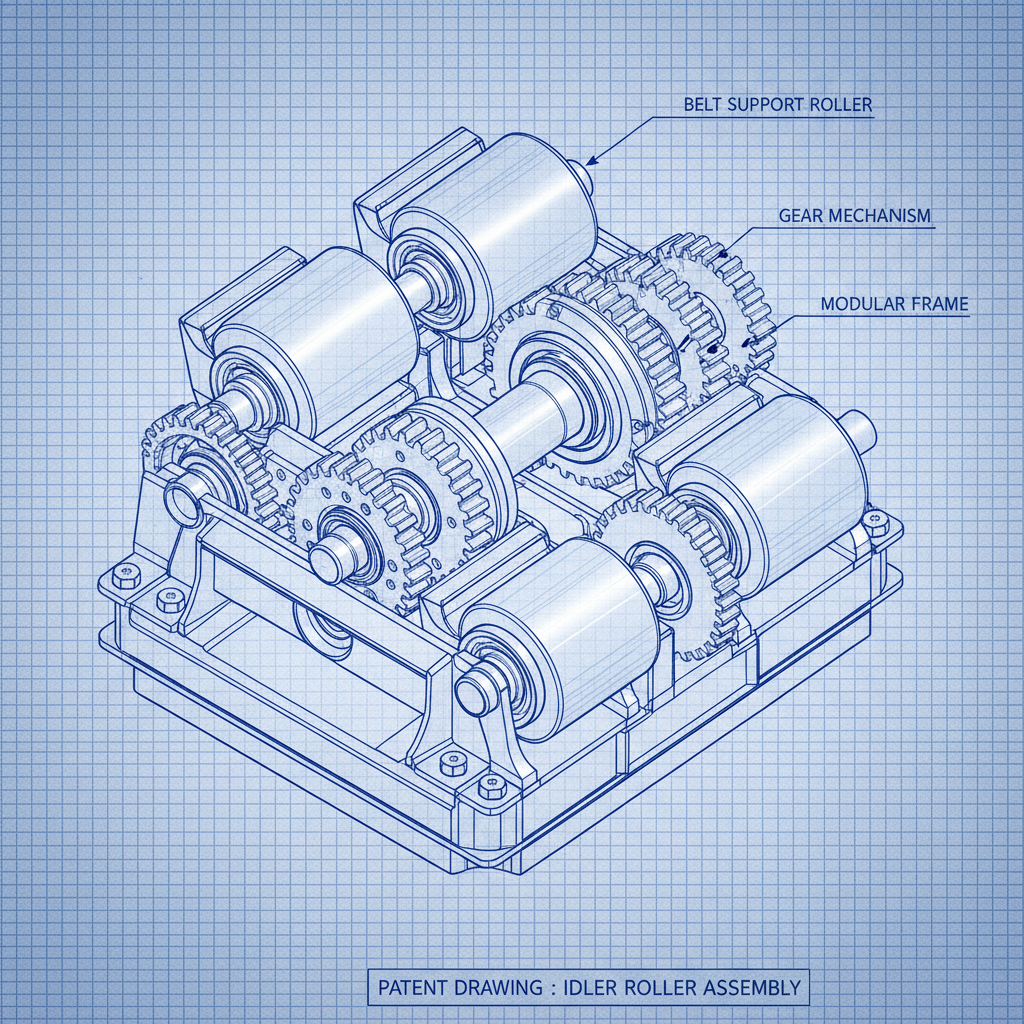
Idler rollers for belt conveyors are essentially low-friction cylindrical components installed along the length of a conveyor belt system. They are not powered; instead, they freely rotate, providing continuous support to the belt and the materials being transported. This reduces the force needed to move the belt, optimizing energy efficiency and extending the lifespan of the belt itself. They are distinct from drive pulleys, which provide the motive force for the conveyor.
Their connection to modern industry is undeniable. Virtually every sector reliant on bulk material handling – from coal and iron ore extraction to agricultural processing and parcel delivery – depends on the reliable operation of idler rollers. They represent a foundational element in the logistics network that supports global commerce and resource distribution.
In humanitarian aid scenarios, efficient material handling is critical for delivering essential supplies rapidly and effectively. Idler rollers for belt conveyors facilitate the movement of food, medical supplies, and shelter materials in disaster-stricken areas, playing a vital role in supporting affected communities. This underlines their importance beyond pure economic applications.
Core Components and Key Factors
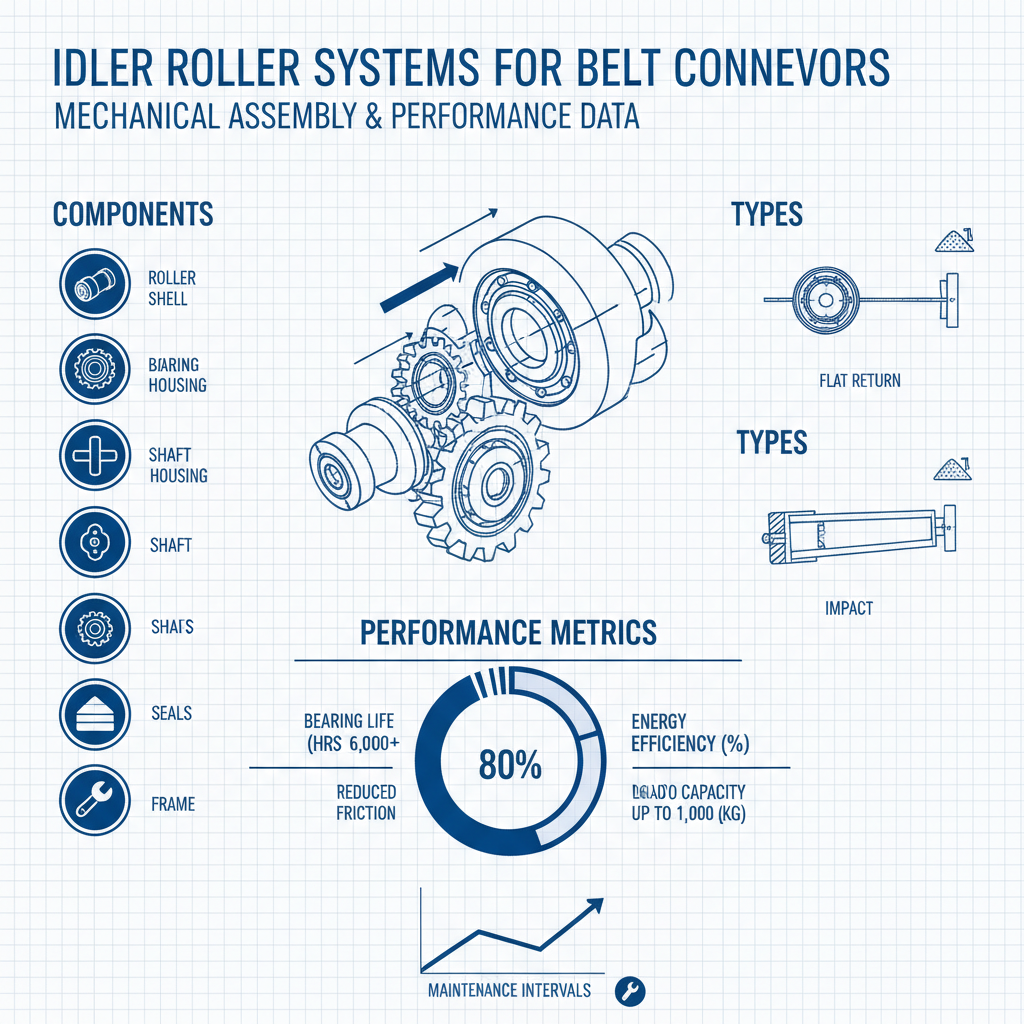
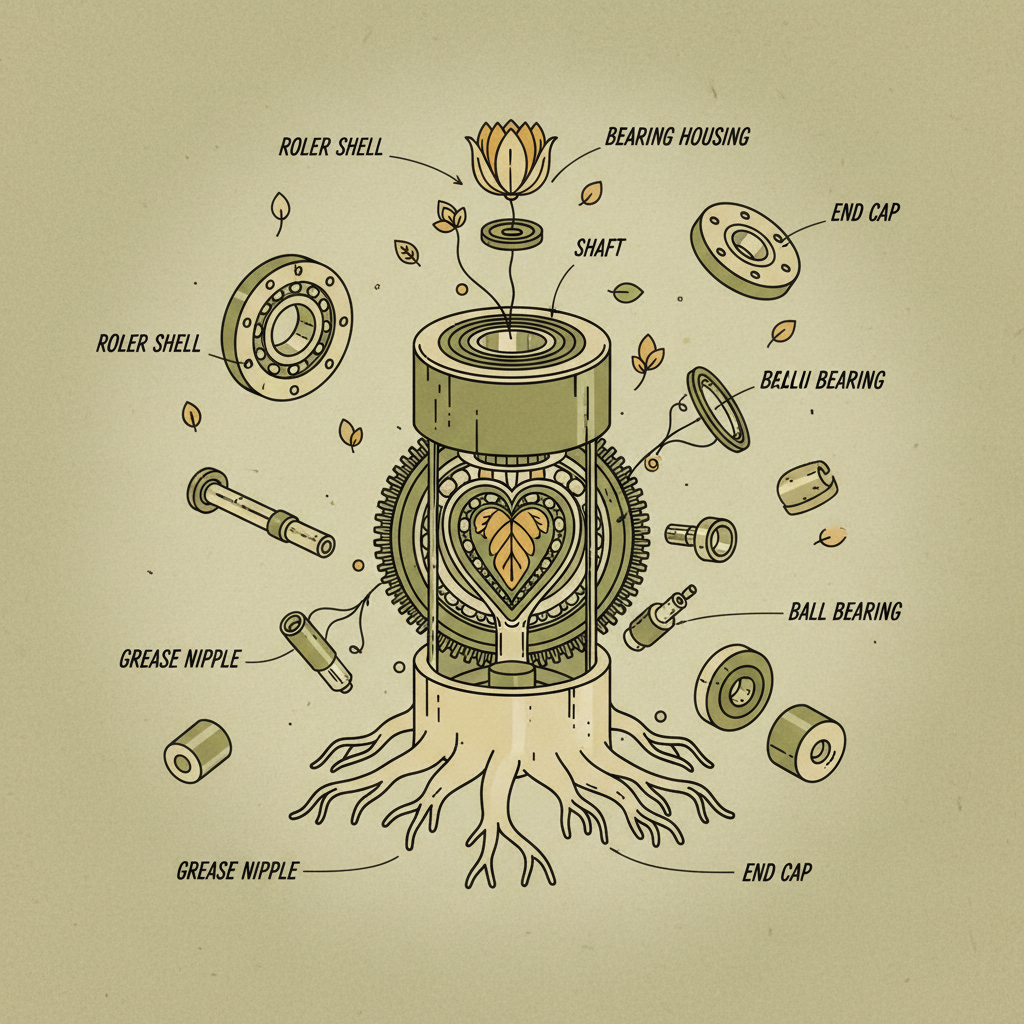
Several key factors determine the performance and longevity of idler rollers for belt conveyors. Durability is paramount, as the rollers are subjected to continuous abrasion and impact. This is influenced by the materials used in their construction – typically steel, with various coatings for corrosion resistance. Load Capacity dictates the maximum weight the rollers can safely support, and must be accurately calculated based on the materials being conveyed and the conveyor’s design.
Sealing effectiveness is critical for preventing the ingress of dust, dirt, and moisture, which can cause bearing failure. High-quality seals extend the rollers’ service life and minimize maintenance requirements. Furthermore, Bearing Quality directly impacts roller efficiency and lifespan. Bearings must be able to withstand radial and axial loads, as well as continuous rotation.
Maintenance Accessibility also plays a role. Rollers that are easily inspected and lubricated can be maintained proactively, preventing catastrophic failures and ensuring consistent performance. Finally, Alignment is vital for preventing belt tracking issues and reducing uneven wear. Proper alignment ensures the belt travels smoothly and efficiently.
Applications Across Global Industries
The applications of idler rollers for belt conveyors are incredibly diverse. In the mining industry, they are indispensable for transporting vast quantities of ore, coal, and other raw materials from extraction sites to processing facilities. In agriculture, they facilitate the movement of grains, fertilizers, and harvested crops. The manufacturing sector utilizes them for conveying parts, materials, and finished products throughout production lines.
Logistics and distribution centers rely heavily on conveyor systems equipped with idler rollers for efficient sorting and transportation of packages. In remote industrial zones, such as oil and gas extraction sites in Siberia or the Australian Outback, robust idler rollers are essential for maintaining continuous operations in challenging environments.
Even in post-disaster relief operations, portable conveyor systems with idler rollers are deployed to rapidly move supplies from distribution hubs to affected populations. The ability to quickly establish a material handling system is crucial in such circumstances. idler rollers for belt conveyors are a logistical mainstay in such operations.
Idler Roller Performance Metrics
Advantages and Long-Term Value
The advantages of utilizing high-quality idler rollers for belt conveyors extend beyond simple material transport. Cost efficiency is a primary benefit, as reduced friction translates to lower energy consumption and decreased wear on the belt itself. Sustainability is also enhanced, as extended component life minimizes waste and reduces the need for frequent replacements.
Reliability is paramount in maintaining continuous operations, and properly maintained idler rollers contribute significantly to system uptime. This, in turn, fosters trust with customers and stakeholders, ensuring consistent product delivery and minimizing disruptions to supply chains. The enhanced safety resulting from stable and predictable conveyor operation is a vital, yet often overlooked, benefit.
Future Trends and Innovations
The future of idler rollers for belt conveyors is being shaped by several emerging trends. Smart rollers, equipped with sensors that monitor bearing temperature, vibration, and load, are gaining traction. These sensors provide real-time data for predictive maintenance, allowing for proactive interventions to prevent failures and optimize performance.
The integration of automation and digital twin technology is also gaining momentum, enabling virtual modeling and simulation of conveyor systems to optimize idler roller placement and configuration. This leads to increased efficiency and reduced maintenance costs. Furthermore, the development of more durable and lightweight materials, such as advanced polymers and composite materials, promises to further enhance roller performance and longevity.
Challenges and Solutions
Despite their inherent reliability, idler rollers for belt conveyors face several ongoing challenges. Dust and debris accumulation remains a significant issue, leading to bearing contamination and premature failure. Solutions include improved sealing designs, automated cleaning systems, and the use of self-lubricating bearings.
Misalignment and improper installation are also common sources of problems. Implementing rigorous quality control procedures during installation, coupled with regular alignment checks, can mitigate these risks. Furthermore, addressing the corrosive effects of harsh environments requires the selection of appropriate materials and protective coatings.
Innovative designs incorporating modular components and rapid replacement systems are also emerging as solutions to minimize downtime and simplify maintenance procedures. Continuous research and development efforts are focused on overcoming these challenges and improving the overall performance and lifespan of idler rollers.
Summary of Idler Roller Challenges and Mitigation Strategies
| Challenge |
Impact on Performance |
Mitigation Strategy |
Implementation Cost (1-10) |
| Dust & Debris Ingress |
Bearing Failure, Reduced Lifespan |
Improved Seals, Cleaning Systems |
4 |
| Misalignment |
Belt Tracking Issues, Uneven Wear |
Precise Installation, Regular Checks |
3 |
| Corrosion |
Structural Weakness, Reduced Reliability |
Corrosion-Resistant Materials, Coatings |
6 |
| Bearing Wear |
Increased Friction, Noise, Failure |
High-Quality Bearings, Lubrication |
5 |
| Load Shock |
Structural Damage, Shortened Lifespan |
Durable Roller Design, Impact Absorption |
7 |
| Difficult Maintenance |
Increased Downtime, Labor Costs |
Modular Design, Quick-Change Systems |
8 |
FAQS
Choosing the right idler rollers requires careful consideration of several factors, including the material being conveyed (abrasiveness, weight, and size), the conveyor belt speed, the operating environment (temperature, dust levels, and moisture), and the required load capacity. Selecting rollers with appropriate bearing types, seal designs, and construction materials is crucial for maximizing performance and longevity. Consider also the ease of maintenance and potential for future upgrades.
Regular inspection and maintenance are vital for preventing failures and ensuring optimal performance. Idler rollers should be visually inspected at least monthly for signs of wear, damage, or misalignment. Bearings should be lubricated according to the manufacturer’s recommendations. More frequent inspections may be required in harsh environments or for heavily loaded conveyors. Proactive maintenance significantly reduces downtime and extends the lifespan of the rollers.
The lifespan of an idler roller varies significantly depending on operating conditions and maintenance practices. Under ideal conditions, a well-maintained roller can last for several years. However, in abrasive environments or with heavy loads, the lifespan may be reduced to a few months. Regular inspections and proactive maintenance can help maximize the roller's service life. idler rollers for belt conveyors are built for durability.
Common causes of failure include bearing contamination due to dust and debris ingress, bearing wear due to inadequate lubrication, misalignment leading to uneven loading, corrosion from exposure to harsh environments, and structural damage from impact or overload. Proper sealing, regular lubrication, alignment checks, and the use of corrosion-resistant materials can mitigate these risks.
Smart idler rollers, equipped with sensors, provide real-time data on bearing temperature, vibration, and load. This data enables predictive maintenance, allowing operators to identify potential issues before they lead to failures. By optimizing maintenance schedules and preventing unexpected downtime, smart rollers significantly improve conveyor system efficiency and reduce overall operating costs.
Idler rollers are commonly constructed from carbon steel, which provides excellent strength and durability. However, for applications in corrosive environments, stainless steel or steel with protective coatings (such as epoxy or polyurethane) is often used. The bearings within the rollers are typically made from high-quality steel alloys designed to withstand high loads and continuous rotation.
Conclusion
Idler rollers for belt conveyors are more than just simple support components; they are critical elements in maintaining efficient and reliable material handling systems across a vast range of industries. Their durability, load capacity, and ability to minimize friction directly impact operational costs, productivity, and sustainability. Investing in high-quality rollers and implementing proactive maintenance strategies are essential for maximizing their lifespan and ensuring continuous operation.
Looking ahead, the integration of smart technology and advanced materials promises to further enhance the performance and longevity of idler rollers. By embracing these innovations, industries can optimize their conveyor systems, reduce downtime, and achieve greater operational efficiency. Visit our website at idler rollers for belt conveyors to learn more about our solutions.