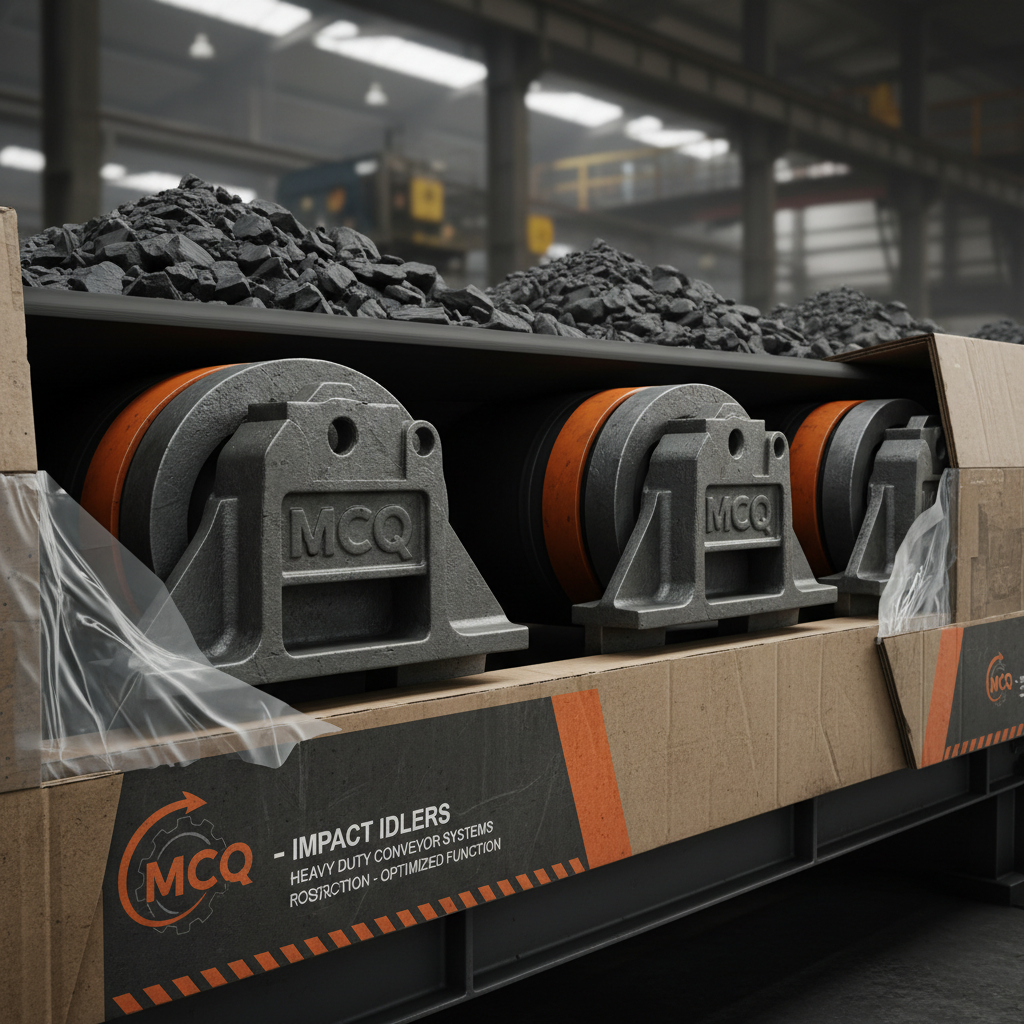
Idler roller types are critical components in a vast array of material handling systems globally, impacting industries from mining and agriculture to logistics and manufacturing. These seemingly simple components play a crucial role in ensuring smooth, efficient, and cost-effective conveyance of materials. Understanding the nuances of different idler roller types, their applications, and their impact on overall system performance is paramount for optimizing operations and minimizing downtime.
The global demand for efficient material handling solutions is continuously increasing, driven by factors like globalization, rising labor costs, and the need for improved productivity. This demand directly translates to a growing market for idler rollers and related components. According to industry reports, the conveyor components market is projected to reach substantial growth in the coming years, highlighting the strategic importance of mastering idler roller types.
Effective selection and maintenance of idler rollers directly impact a company’s bottom line. Improperly chosen or maintained rollers can lead to increased friction, belt wear, material spillage, and ultimately, system failures. Addressing these challenges through a comprehensive understanding of idler roller types is essential for maintaining operational efficiency and profitability.
The Importance of Idler Roller Types
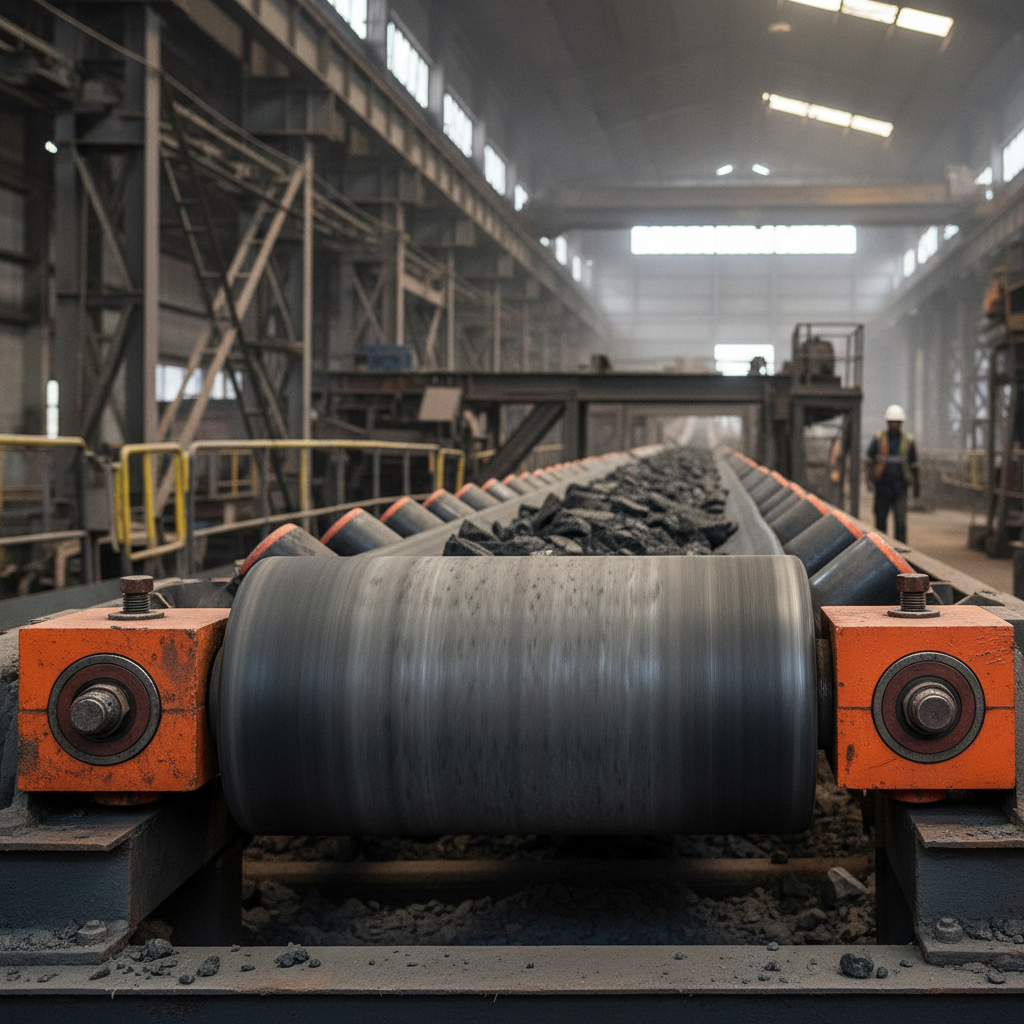
Idler rollers, often underestimated, are the workhorses of conveyor systems. Their primary function is to support the conveyor belt and facilitate the smooth movement of materials. Without properly functioning idler rollers, conveyor systems experience increased drag, accelerated belt wear, and reduced overall efficiency. The type of idler roller selected significantly impacts these factors, making careful consideration crucial.
Investing in high-quality idler roller types can lead to substantial cost savings in the long run. Reduced maintenance requirements, prolonged belt life, and minimized material spillage all contribute to a lower total cost of ownership. Furthermore, selecting the appropriate idler roller type for a specific application can enhance system safety and reliability.
Defining Idler Roller Types
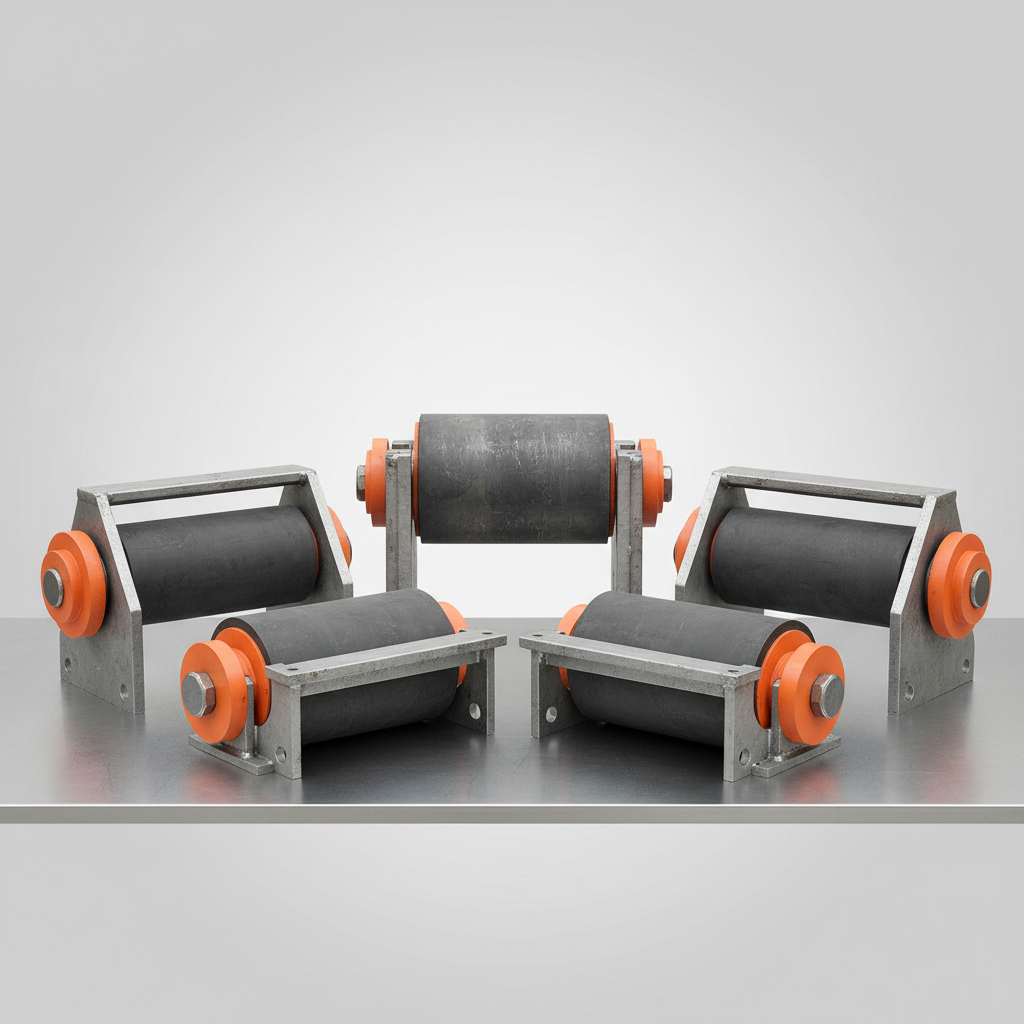
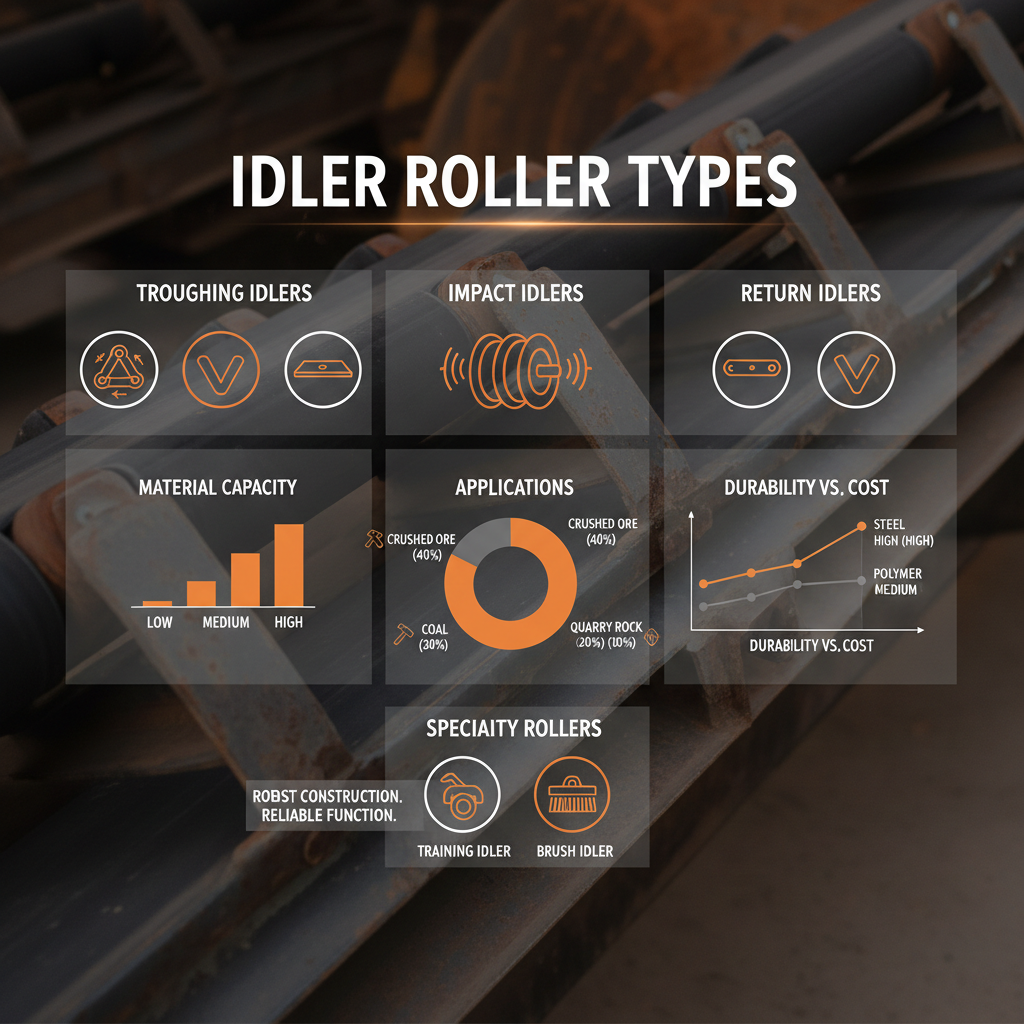
Idler roller types are cylindrical supports used in conveyor systems to carry the load and maintain the belt’s shape. They are categorized based on their construction, function, and the materials they are made from. The most common classification includes carry idlers (supporting the laden side of the belt), return idlers (supporting the empty side), bend idlers (guiding the belt around curves), and special-purpose idlers designed for specific applications like cleaning or alignment.
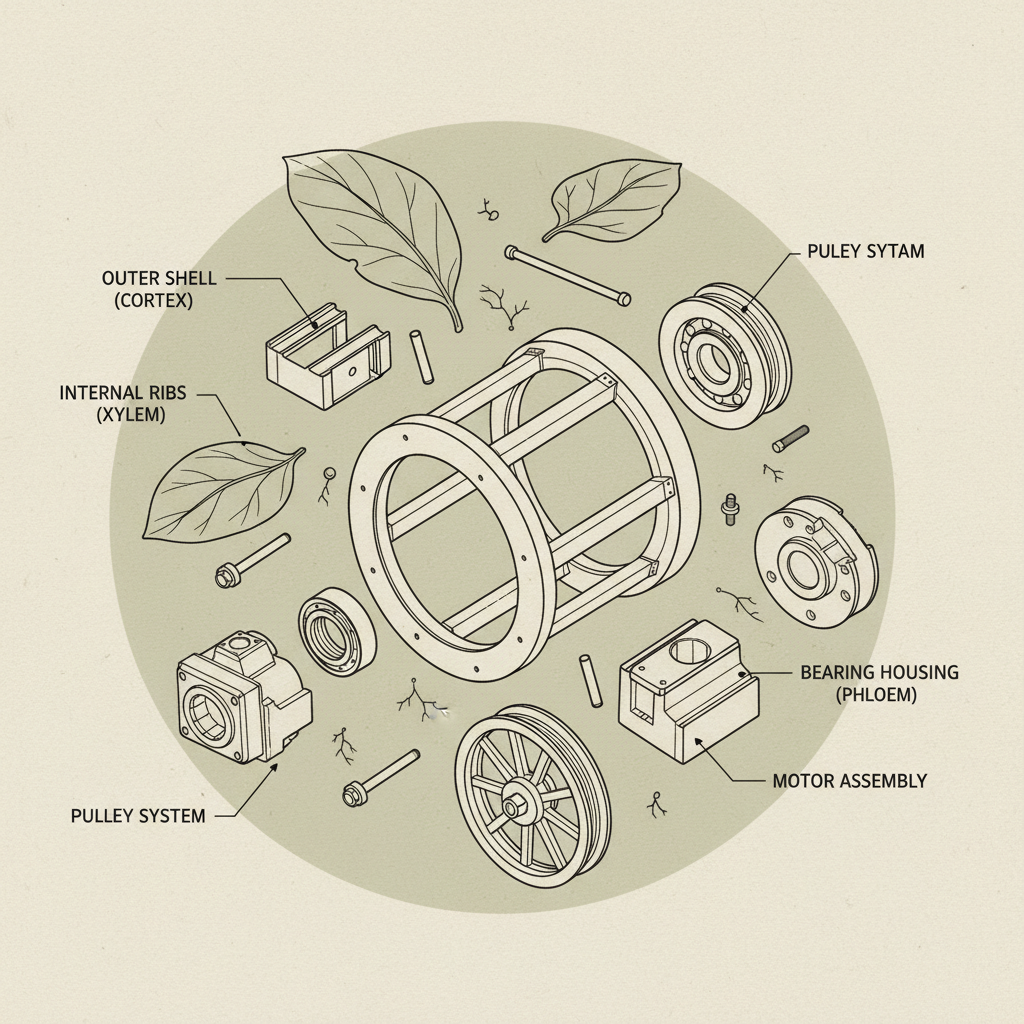
The materials used in idler roller construction vary depending on the application and expected load. Steel is a common choice for its strength and durability, while polymer rollers are favored for their lightweight nature and corrosion resistance. The bearing system within the idler roller is also a critical component, impacting its lifespan and performance.
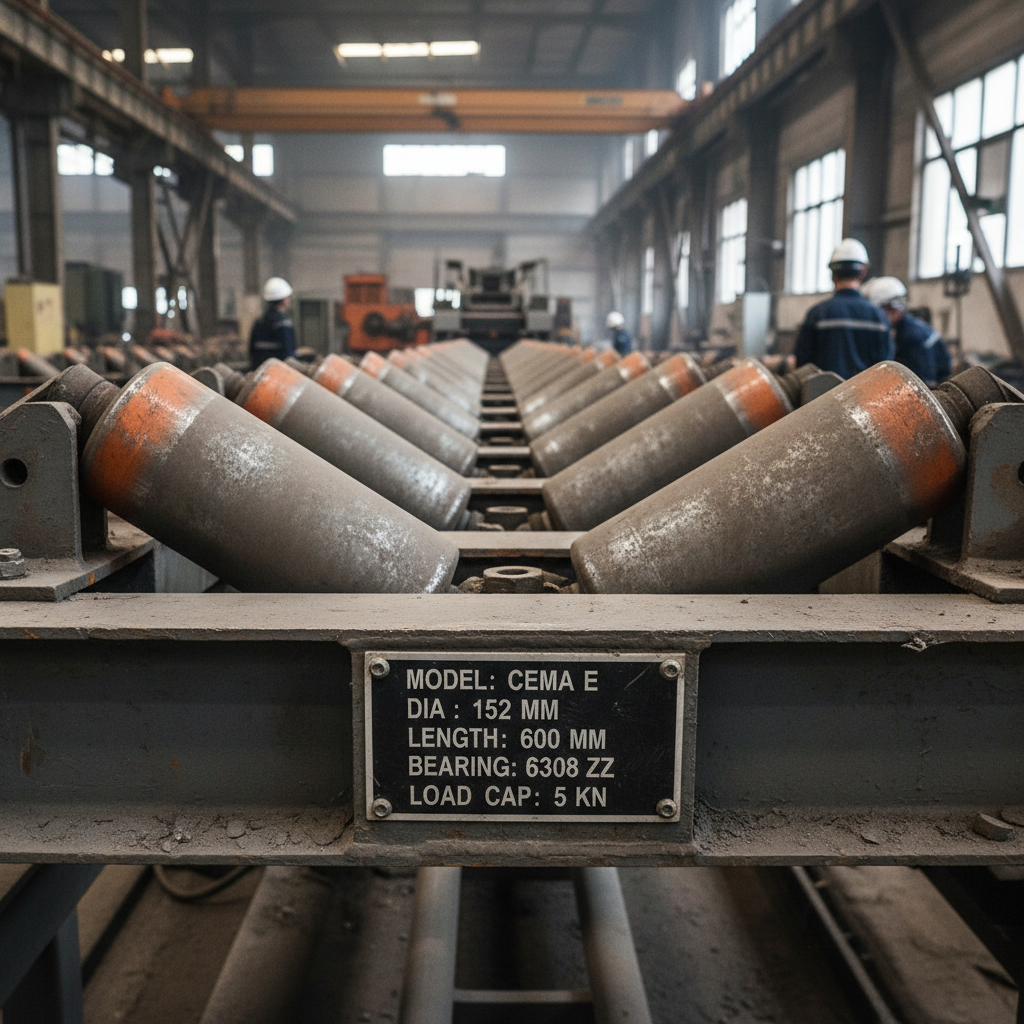
Understanding the different types of idler rollers allows engineers and maintenance personnel to select the optimal components for maximizing system efficiency and minimizing downtime. Proper identification of existing idler rollers is also crucial for accurate replacement and inventory management.
Key Characteristics of Idler Roller Types
One of the most important characteristics of idler roller types is their load capacity. This is determined by the roller’s diameter, material strength, and bearing capacity. Selecting a roller with insufficient load capacity can lead to premature failure and system disruptions. Correct load capacity ensures that the idler roller types can adequately support the weight of the conveyed materials without deformation or damage.
Durability is another critical factor. Idler rollers are exposed to harsh environments, including dust, moisture, and abrasive materials. Rollers constructed from corrosion-resistant materials and featuring sealed bearings are essential for ensuring long-term reliability. The lifespan of idler roller types directly affects the maintenance schedule and overall operational costs.
Friction coefficient also plays a significant role in system efficiency. Low-friction idler rollers reduce drag, minimizing energy consumption and maximizing throughput. Bearing quality and lubrication are key determinants of the friction coefficient. Smooth operation of idler roller types is a direct outcome of a low friction coefficient.
Performance Metrics and Evaluation of Idler Roller Types
Evaluating idler roller types requires considering several key performance metrics. Bearing life is a crucial indicator of roller durability, typically measured in hours of operation. Lower bearing life indicates potential quality issues or improper maintenance. Consistent monitoring and recording of bearing life provide valuable data for predictive maintenance.
Friction torque is another important metric, influencing energy efficiency. Higher friction torque translates to increased energy consumption. Measuring and minimizing friction torque can lead to substantial cost savings over the lifespan of the conveyor system. Analyzing friction torque variations can identify potential bearing failures.
Idler Roller Types Performance Comparison
Global Applications of Idler Roller Types
Idler roller types are integral to numerous industries worldwide. In the mining sector, they are essential for conveying ore and other materials in harsh and demanding environments. The heavy loads and abrasive nature of mining materials require robust and durable idler rollers.
In the logistics and warehousing industries, idler rollers are used extensively in conveyor systems for sorting, transporting, and handling packages and goods. Efficient and reliable idler rollers are crucial for maintaining smooth operations and meeting delivery deadlines.
Advantages and Long-Term Value of Idler Roller Types
The advantages of investing in high-quality idler roller types extend beyond immediate operational efficiency. Reduced maintenance requirements translate to lower labor costs and minimized downtime. Prolonged belt life reduces the frequency of belt replacements, further contributing to cost savings.
Furthermore, selecting the appropriate idler roller types can enhance workplace safety by reducing the risk of belt slippage or system failures. This, coupled with improved system reliability, builds trust with customers and stakeholders.
Future Trends and Innovations in Idler Roller Types
The future of idler roller types is focused on increased automation, smart monitoring, and sustainable materials. Intelligent idler rollers equipped with sensors can provide real-time data on bearing temperature, vibration, and load, enabling predictive maintenance and preventing unexpected failures.
Research is also underway to develop idler rollers made from recycled materials, reducing the environmental impact of conveyor systems. The integration of digital technologies and the adoption of Industry 4.0 principles will drive further innovation in the design and manufacturing of idler roller types.
Another trend is the development of self-aligning idler rollers that automatically adjust to belt misalignment, reducing wear and tear and improving system stability. These advancements will significantly improve the longevity and performance of idler roller types.
Key Comparison of Future Idler Roller Technologies
| Technology Type |
Development Stage |
Potential Cost Impact |
Expected Performance Gain |
| Smart Sensor Integration |
Pilot Testing |
Moderate Increase |
15-20% |
| Self-Aligning Mechanism |
Prototype Stage |
Significant Increase |
25-30% |
| Recycled Material Construction |
Commercial Availability |
Slight Increase |
5-10% (Sustainability) |
| Wireless Data Transmission |
Early Development |
Moderate Increase |
10-15% |
| Advanced Lubrication Systems |
Pilot Testing |
Moderate Increase |
15-20% |
| AI-Powered Predictive Maintenance |
Research Phase |
High Increase |
30-40% |
FAQS
The lifespan of a standard steel idler roller typically ranges from 2 to 5 years, depending on the operating conditions, load, and maintenance practices. Harsh environments with abrasive materials or high humidity will reduce this lifespan. Regular inspection and lubrication are crucial for maximizing the service life of the idler roller types.
Selecting the right idler roller type requires considering several factors, including the material being conveyed, the conveyor belt speed, the load capacity, and the environmental conditions. Carry idlers, return idlers, bend idlers, and special-purpose idlers each serve unique functions, and selecting the appropriate type is crucial for optimal system performance.
Sealed bearings provide superior protection against dust, moisture, and contaminants, significantly extending the bearing life and reducing maintenance requirements. They also minimize friction, improving energy efficiency and reducing the risk of premature failure. Sealed bearings are a vital component of durable idler roller types.
Idler rollers should be inspected at least monthly, or more frequently in demanding applications. Inspections should include checking for bearing wear, damage to the roller shell, and proper alignment. Lubrication should be performed according to the manufacturer's recommendations. Proactive maintenance extends the life of idler roller types.
Signs that an idler roller needs to be replaced include excessive noise, vibration, bearing play, and visible damage to the roller shell. Reduced rotation speed or difficulty in turning the roller are also indicators of potential failure. Ignoring these signs can lead to system downtime and further damage.
Yes, idler roller types can often be retrofitted into existing conveyor systems, but careful consideration must be given to compatibility and installation requirements. Ensure that the new rollers are compatible with the existing belt and conveyor frame. Professional installation is recommended for optimal performance and safety.
Conclusion
In conclusion, understanding idler roller types is paramount for optimizing material handling systems. From defining the diverse range of types available to evaluating their performance metrics and recognizing future trends, a comprehensive knowledge base is essential for maximizing efficiency, reducing costs, and ensuring long-term reliability. The strategic selection and diligent maintenance of these often-overlooked components translate directly into improved operational outcomes.
As technology advances and sustainability becomes increasingly important, we can expect further innovations in idler roller design and manufacturing. Embracing these advancements, such as smart sensors and recycled materials, will not only enhance system performance but also contribute to a more environmentally responsible and efficient future for the material handling industry. For more information on idler roller types and to discuss your specific needs, visit our website at idler roller types.