The idler roller assembly is a critical component in a wide array of industrial applications, from conveyor systems in mining and manufacturing to material handling in logistics and warehousing. Its function – to support and guide conveyor belts without imparting significant friction – directly impacts the efficiency, reliability, and safety of these systems. Understanding the nuances of idler roller assembly design, materials, and maintenance is paramount for optimizing performance and minimizing downtime.
Globally, the demand for efficient material handling solutions is surging, driven by growing industrial production, expanding e-commerce, and the increasing complexity of supply chains. This demand translates directly into a substantial market for idler roller assemblies. According to industry reports, the global conveyor components market is projected to reach billions of dollars in the coming years, with idler rollers representing a significant portion of this figure.
The effective functioning of these systems hinges on the consistent performance of the idler roller assembly, making it a cornerstone of modern industrial infrastructure. Proper selection, installation, and maintenance are not just best practices, they are essential for preventing costly breakdowns, ensuring worker safety, and maximizing operational efficiency.
The Significance of Idler Roller Assembly
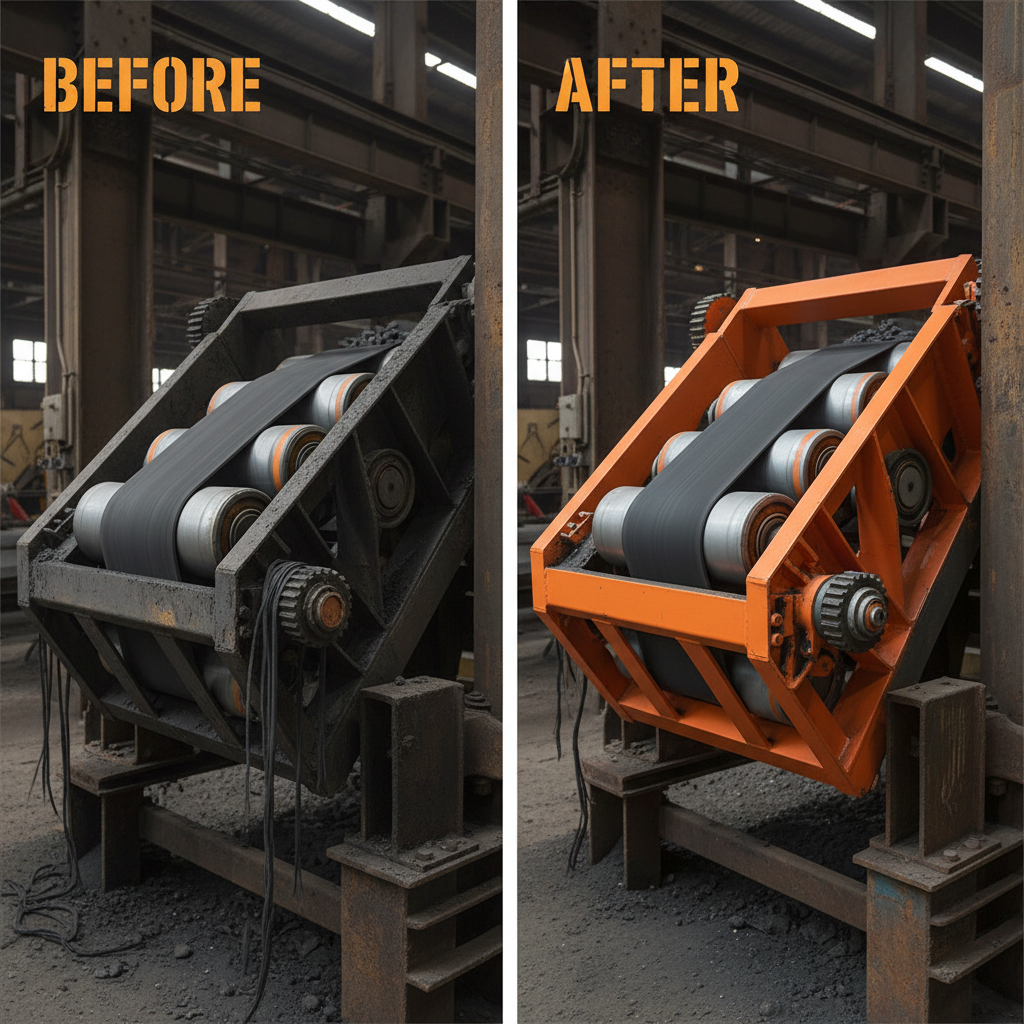
The idler roller assembly often goes unnoticed, yet its impact on operational efficiency is substantial. A well-maintained and appropriately selected idler roller system minimizes friction, reducing energy consumption and wear on the conveyor belt. This, in turn, translates to lower maintenance costs, increased productivity, and a prolonged lifespan for the entire conveyor system.
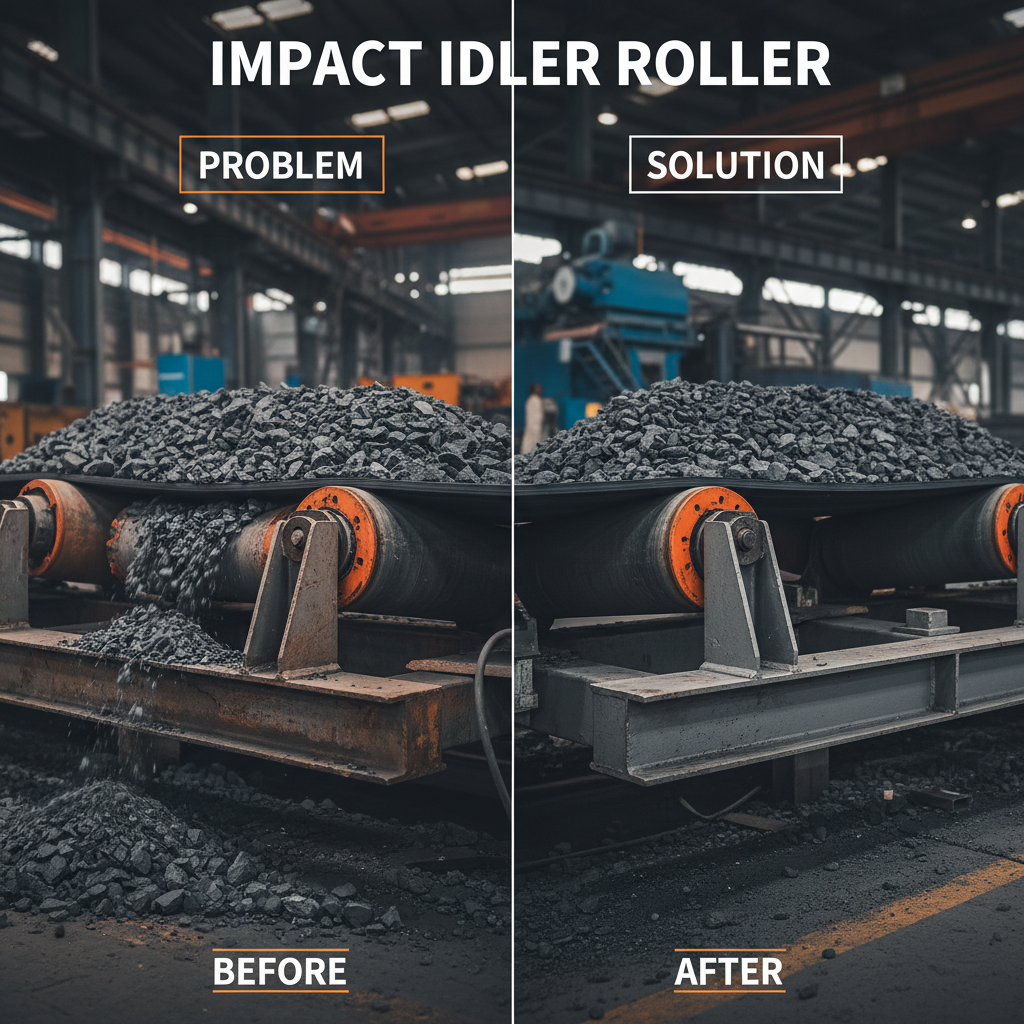
Furthermore, the design of the idler roller assembly directly affects the safety of the operation. Properly aligned and functioning rollers prevent belt misalignment, which can lead to material spillage, system instability, and potentially hazardous situations for personnel. A robust and reliable idler roller assembly is therefore a cornerstone of safe and efficient material handling practices.
Global Context and Industry Relevance
The demand for efficient material handling is a global phenomenon, fueled by rapid industrialization in emerging economies and the ever-increasing demands of developed nations. Industries such as mining, agriculture, manufacturing, and logistics all rely heavily on conveyor systems, and consequently, on high-quality idler roller assemblies.
According to the World Bank, global trade volume continues to grow, necessitating improvements in supply chain efficiency. Conveyor systems, supported by reliable idler rollers, play a crucial role in optimizing these supply chains. The ISO standards for conveyor components, including idler rollers, emphasize safety, durability, and performance, underscoring their importance in maintaining global trade standards.
The Asia-Pacific region currently dominates the global conveyor components market, driven by its significant manufacturing base and expanding infrastructure projects. North America and Europe also represent substantial markets, with a strong focus on upgrading existing systems and implementing advanced automation technologies, which often necessitates high-performance idler roller assemblies.
Defining the Idler Roller Assembly
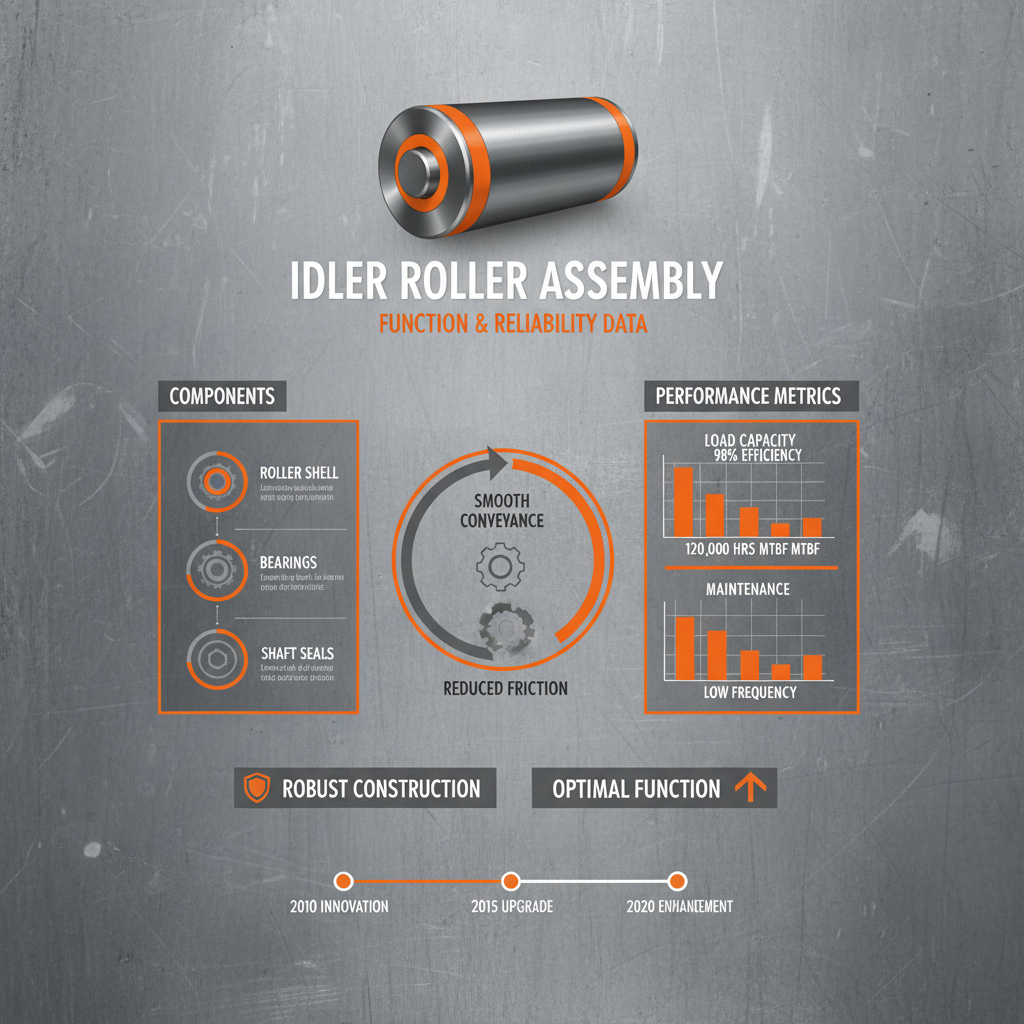
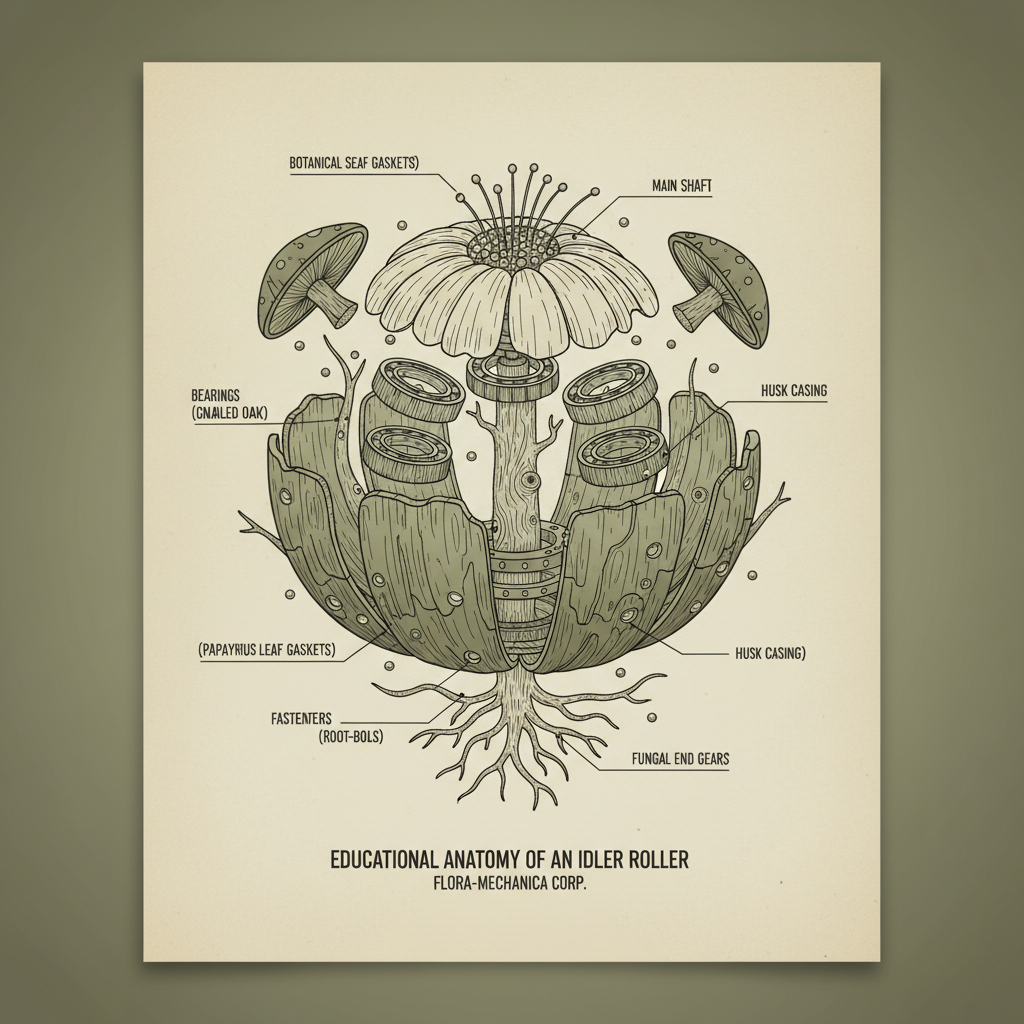
An idler roller assembly is a mechanical component used in conveyor systems to support and guide the conveyor belt. It typically consists of a cylindrical roller, bearings, a shaft, and a mounting structure. Its primary function is to reduce friction between the belt and the conveyor frame, allowing for smooth and efficient material transport.
Unlike drive pulleys, idler rollers do not provide power to the system; they simply support the load and maintain the belt’s trajectory. Different types of idler rollers exist, including carrying idlers (supporting the loaded side of the belt), return idlers (supporting the empty side), and special idlers designed for specific applications like cleaning or alignment.
The modern idler roller assembly is crucial for connecting the physical world of material handling with the digital realm of Industry 4.0. Equipped with sensors and integrated into monitoring systems, these assemblies can provide valuable data on belt health, load distribution, and potential maintenance needs, paving the way for predictive maintenance and optimized system performance.
Key Factors Influencing Performance
Several factors critically impact the performance and longevity of an idler roller assembly. These can be broadly categorized into material selection, bearing quality, sealing effectiveness, and overall assembly design.
Choosing the right materials – such as high-strength steel, durable polymers, or corrosion-resistant alloys – is paramount, especially in harsh operating environments. Superior bearing quality ensures smooth rotation, reduces friction, and minimizes wear and tear. Effective sealing prevents contamination from dust, moisture, and other abrasive elements, extending the lifespan of the bearings.
Idler Roller Assembly Performance Metrics
Global Applications and Real-World Use Cases
Idler roller assemblies are essential in numerous industries worldwide. In mining operations, they facilitate the transport of ore and extracted materials. In logistics and warehousing, they are the backbone of automated sorting and distribution systems. Agriculture relies on them for handling crops and fertilizers.
In post-disaster relief operations, portable conveyor systems utilizing robust idler roller assemblies are often deployed for the rapid distribution of essential supplies. In remote industrial zones, where access to maintenance services is limited, durable and reliable idler roller systems are crucial for maintaining continuous operation.
Advantages and Long-Term Value Proposition
Investing in high-quality idler roller assemblies provides tangible benefits, including reduced maintenance costs, increased productivity, and extended equipment lifespan. The reduced friction and optimized belt alignment minimize energy consumption, contributing to cost savings and environmental sustainability.
Beyond the purely economic advantages, a reliable idler roller system enhances worker safety and builds trust with stakeholders. The consistent and dependable operation minimizes the risk of system failures and material spillage, creating a safer and more efficient working environment. This contributes to a positive brand image and strengthens long-term customer relationships.
Future Trends and Emerging Innovations
The future of idler roller assembly technology is being shaped by several key trends, including the integration of smart sensors, the development of self-aligning rollers, and the use of advanced materials. Smart rollers equipped with sensors can provide real-time data on bearing temperature, vibration, and load distribution, enabling predictive maintenance and minimizing downtime.
Self-aligning rollers automatically adjust to belt misalignment, reducing friction and extending belt life. The incorporation of lightweight yet incredibly strong materials, like carbon fiber composites, promises to further enhance performance and reduce energy consumption. These innovations are all driving towards more sustainable and efficient material handling solutions.
The convergence of these technologies with digital twin modeling and AI-powered analytics will revolutionize conveyor system management, allowing for proactive optimization and minimizing the total cost of ownership.
Overview of Idler Roller Assembly Reliability Analysis
| Component Type |
Failure Mode |
Severity (1-5) |
Probability of Occurrence (1-5) |
| Roller Shell |
Cracking/Fracture |
4 |
2 |
| Bearing Assembly |
Bearing Failure |
5 |
3 |
| Sealing System |
Seal Degradation |
3 |
4 |
| Shaft |
Shaft Bending |
2 |
1 |
| Mounting Brackets |
Bracket Fatigue |
3 |
2 |
| Overall Assembly |
Complete Seizure |
5 |
1 |
FAQS
The lifespan of an idler roller assembly varies significantly based on operating conditions, load, material quality, and maintenance practices. However, a well-maintained assembly typically lasts between 2 to 5 years. Regular inspection and relubrication are crucial for maximizing its lifespan. Factors like abrasive materials, high temperatures, and exposure to corrosive substances can significantly shorten this timeframe.
Idler rollers should be inspected at least monthly, and ideally weekly in high-demand applications. During inspection, check for signs of wear, damage, misalignment, and bearing noise. Maintenance tasks include relubrication, tightening bolts, and replacing worn components. A preventative maintenance schedule will significantly reduce the risk of unexpected downtime and costly repairs.
Common causes of idler roller assembly failure include bearing failure due to contamination or overload, seal degradation leading to lubricant loss, cracking or fracture of the roller shell due to fatigue or impact, and misalignment causing excessive wear. Proper lubrication, regular inspection, and appropriate load management are essential for preventing these failures.
The material of the idler roller significantly impacts its performance. Steel rollers are robust and durable, but can be susceptible to corrosion. Polymer rollers offer good wear resistance and are lightweight, but may not withstand high loads. Stainless steel rollers are ideal for corrosive environments. Selecting the right material for the specific application is critical for ensuring longevity and reliability.
Self-aligning idler roller assemblies are designed to automatically adjust to belt misalignment, preventing edge wear and reducing friction. They are particularly useful in applications where belt tracking is challenging, such as those with uneven loading or frequent changes in material flow. They help to maintain proper belt alignment and extend belt life.
Sealed bearings in idler roller assemblies provide superior protection against dust, moisture, and other contaminants, extending bearing life and reducing maintenance requirements. They eliminate the need for frequent relubrication and minimize the risk of bearing failure due to contamination, resulting in increased system reliability and reduced downtime.
Conclusion
In conclusion, the idler roller assembly is a fundamental component of modern material handling systems. Its significance extends beyond its simple function of supporting and guiding the conveyor belt; it directly impacts efficiency, safety, and sustainability. Understanding the key factors influencing its performance – from material selection to maintenance practices – is crucial for optimizing system operations and minimizing costs.
Looking ahead, the integration of smart technologies and advanced materials will continue to drive innovation in idler roller assembly design. Embracing these advancements will not only enhance system performance but also contribute to a more sustainable and resilient industrial infrastructure. Visit our website at www.idleraohua.com to learn more about our comprehensive range of idler roller solutions.