0%

Table of Contents

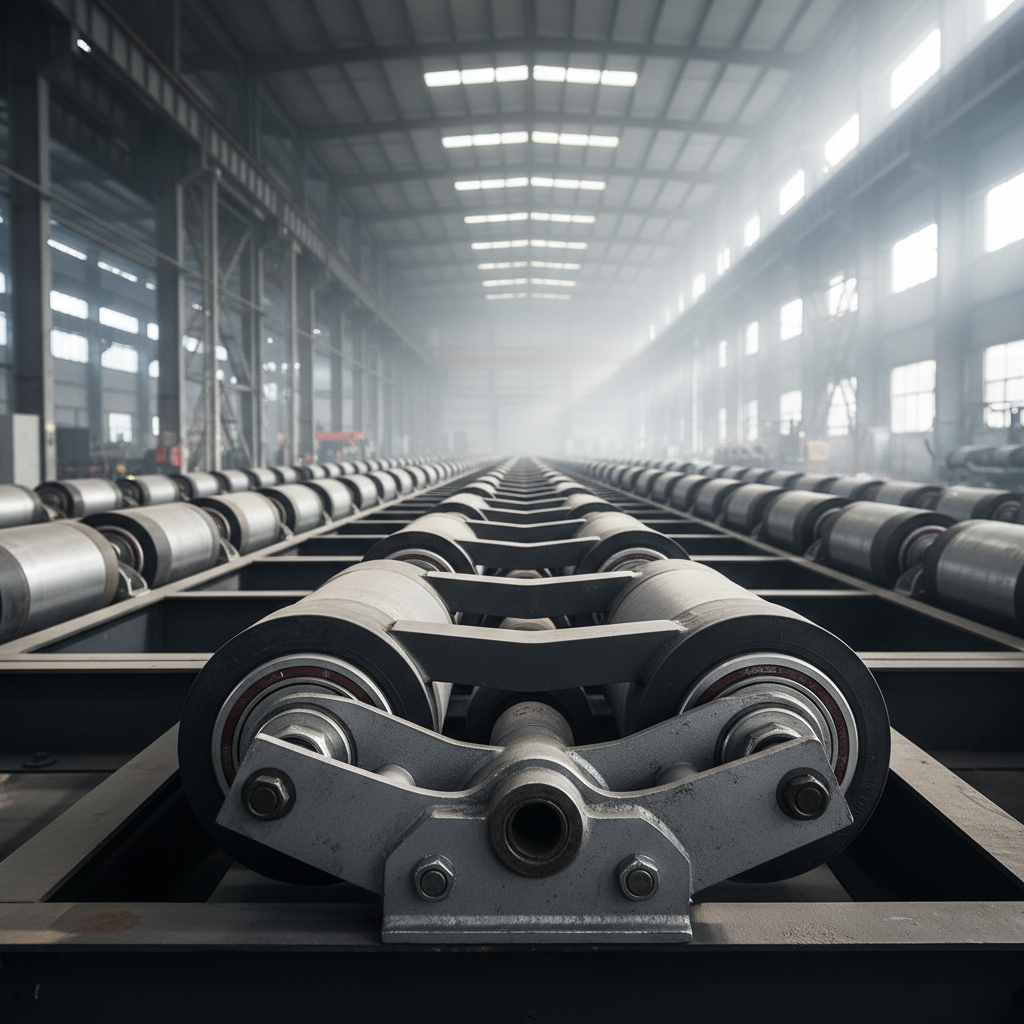
Small idler rollers are unassuming yet critical components in a vast array of industries, from conveyor systems in manufacturing and logistics to crucial support structures in mining and material handling. Their primary function – to support the conveyor belt and maintain its alignment – is deceptively simple, yet their impact on operational efficiency, safety, and cost-effectiveness is substantial. Understanding the nuances of small idler rollers is, therefore, not just an engineering concern, but a key factor in optimizing industrial processes globally.

The global demand for small idler rollers is directly correlated with industrial output and infrastructure development. With the UN projecting continued population growth and increasing urbanization (UN World Urbanization Prospects, 2018 Revision), the need for efficient material handling systems will only escalate. Furthermore, the expansion of e-commerce and supply chain complexities are driving demand for robust and reliable conveyor systems, necessitating high-quality small idler rollers. This growing market presents significant opportunities for manufacturers and suppliers.

A significant challenge facing many industries is minimizing downtime and maximizing the lifespan of equipment. Small idler rollers, often overlooked, are a major source of conveyor belt issues if not properly selected and maintained. Investing in durable, high-performance small idler rollers, like those available from small idler rollers suppliers, offers a proactive solution to these challenges, translating to substantial cost savings and increased productivity.
The Vital Role of Small Idler Rollers in Modern Industrial Operations

Defining Small Idler Rollers and Their Relevance

The Vital Role of Small Idler Rollers in Modern Industrial Operations

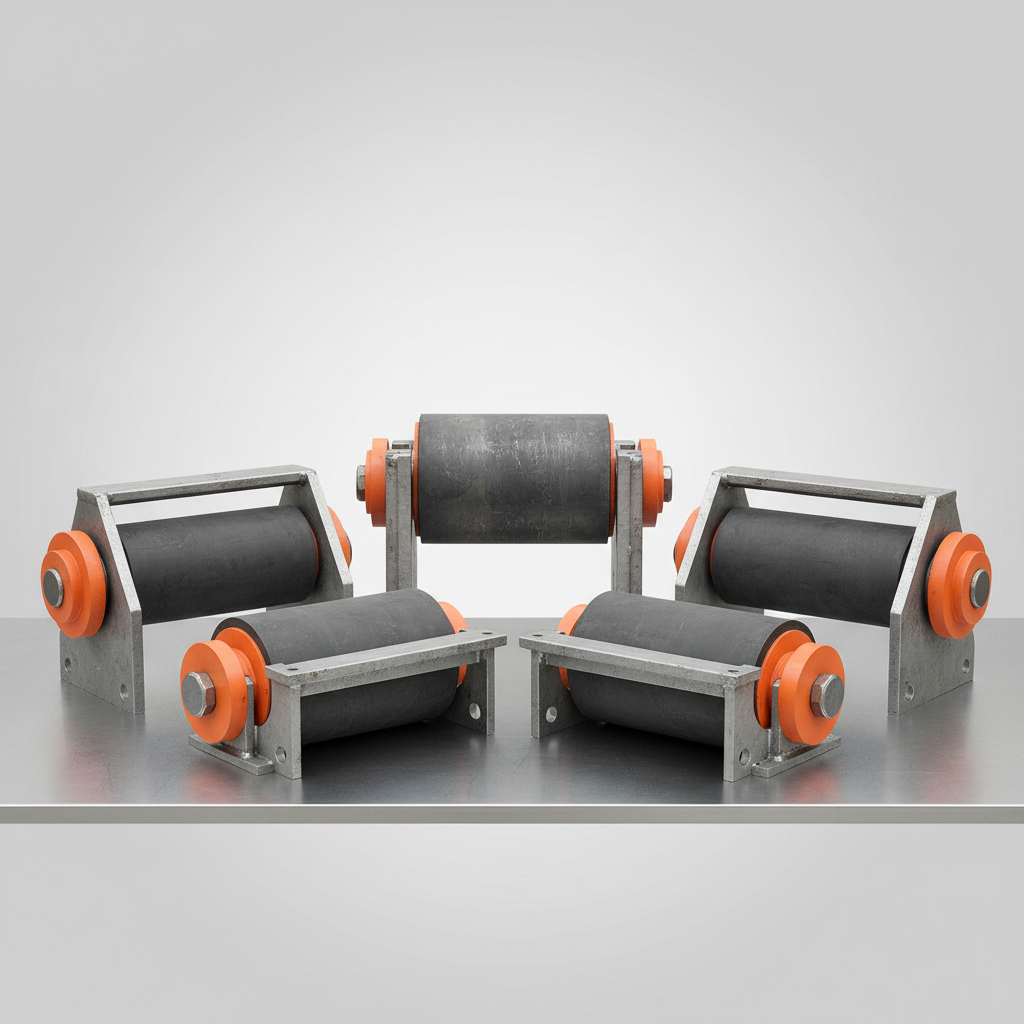
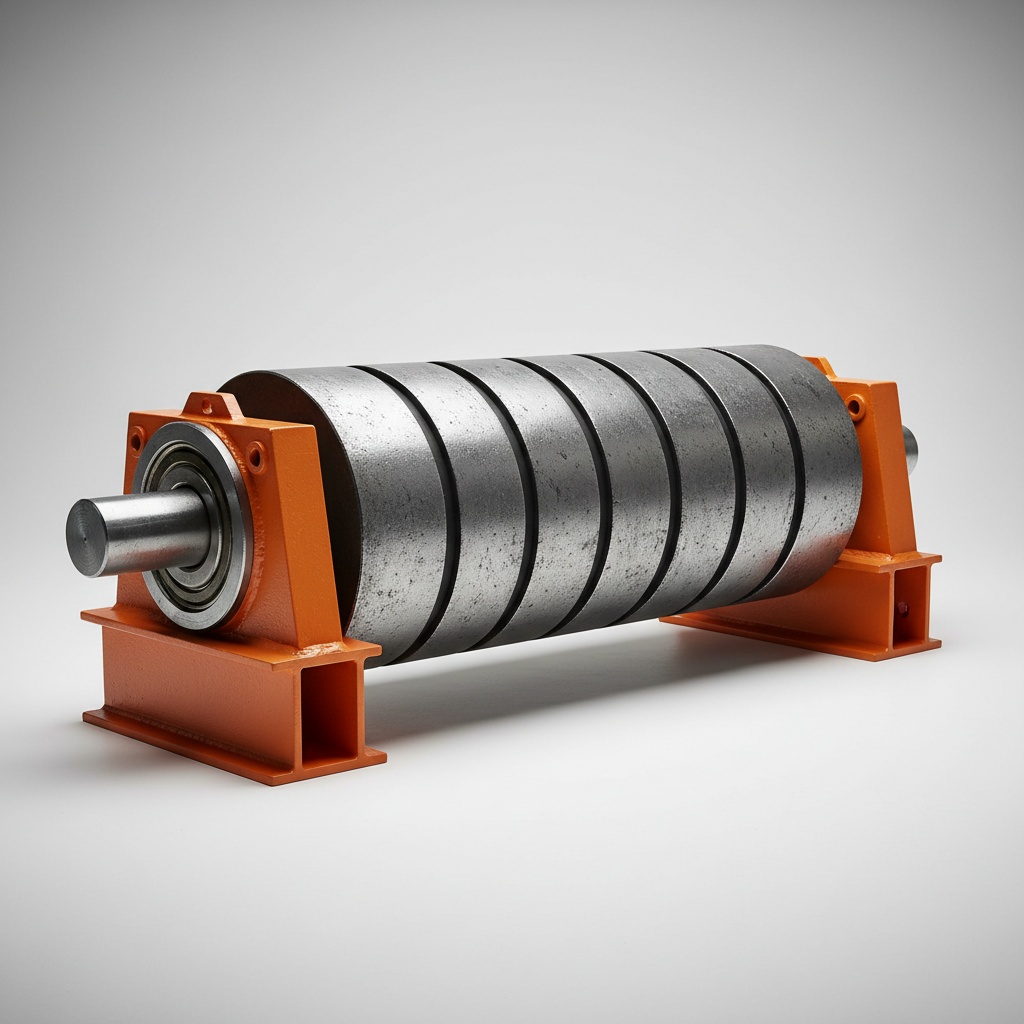
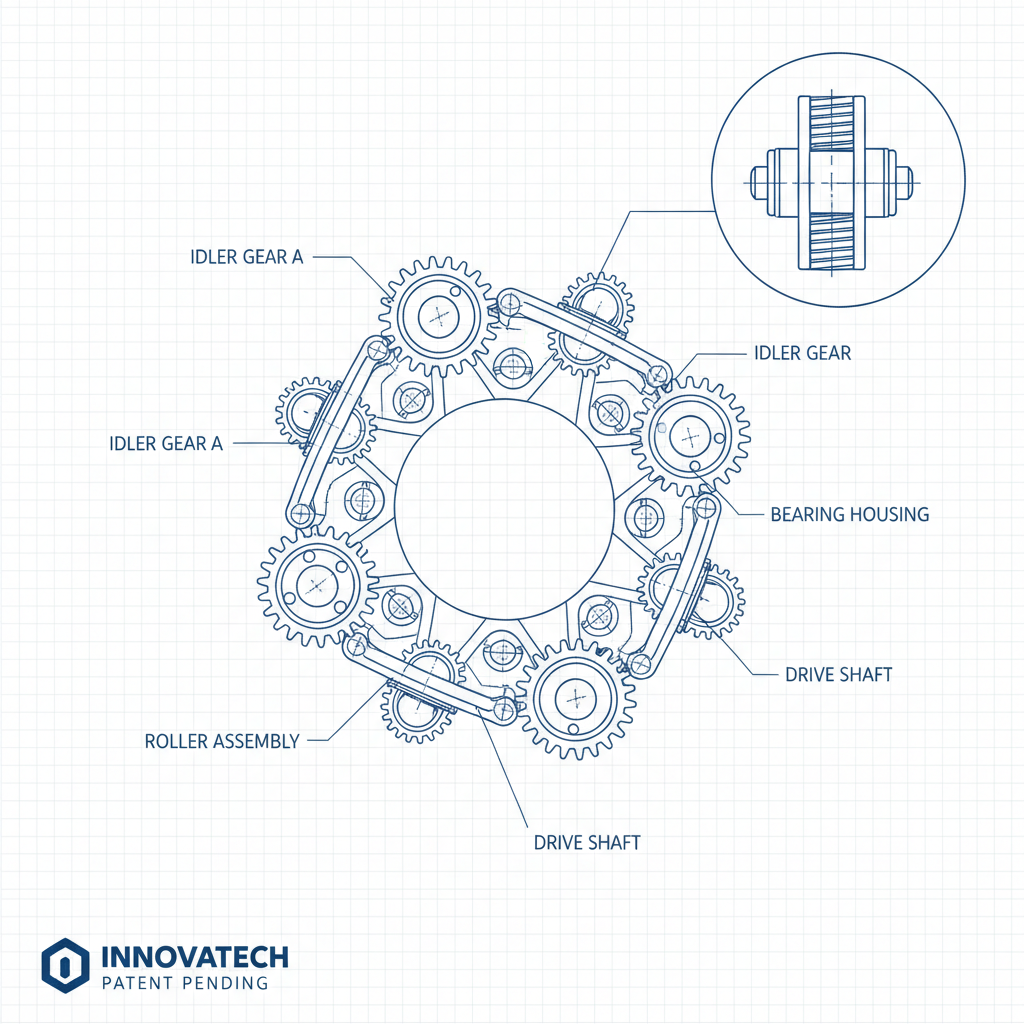
Small idler rollers are cylindrical components strategically positioned along the path of a conveyor belt to support the load and maintain proper belt tracking. They’re fundamentally simple, consisting of a cylindrical shell rotating around a shaft, often incorporating bearings for smooth operation. While seemingly basic, they’re instrumental in ensuring the efficient and reliable movement of materials in countless applications.

Their relevance extends far beyond merely keeping a belt moving. In modern industry, where maximizing throughput and minimizing downtime are paramount, the quality and performance of small idler rollers directly impact profitability. They contribute to the overall efficiency of material handling systems, reducing energy consumption and extending the lifespan of the conveyor belt itself. Properly functioning small idler rollers are vital for maintaining safe and productive operations.

The Global Significance of Small Idler Rollers

The demand for small idler rollers is intricately linked to global economic activity, particularly in sectors like mining, agriculture, manufacturing, and logistics. As developing nations invest in infrastructure and industrial capacity, the need for efficient material handling solutions – and the small idler rollers that support them – increases proportionally. Regions experiencing rapid growth, such as Southeast Asia and parts of Africa, are significant consumers of these components.

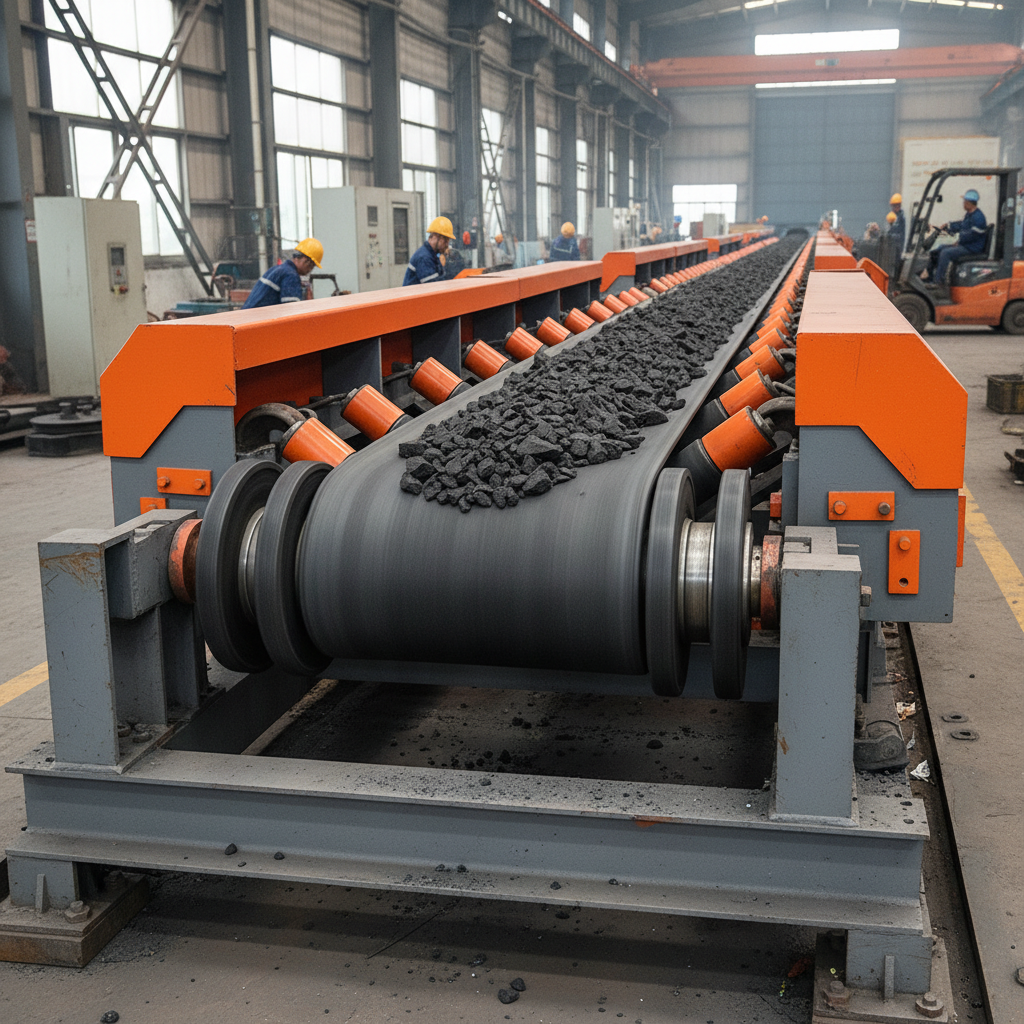
The mining industry, a substantial consumer of small idler rollers, relies heavily on robust conveyor systems to transport vast quantities of ore and materials. Similarly, the burgeoning e-commerce sector drives demand for automated warehousing and distribution centers, where conveyor belts and their supporting rollers are essential. Global trade volumes, as reported by the World Trade Organization, directly correlate with the demand for efficient logistics infrastructure, bolstering the market for these critical components.

The quality of small idler rollers also has implications for sustainable practices. Durable rollers require less frequent replacement, reducing waste and minimizing the environmental impact associated with manufacturing and disposal. Choosing high-performance rollers from reputable suppliers like small idler rollers contributes to a more sustainable supply chain.

Core Characteristics of High-Quality Small Idler Rollers

High-quality small idler rollers are defined by several key characteristics. First and foremost is durability – the ability to withstand continuous operation under heavy loads and harsh environmental conditions. This is achieved through the use of robust materials, such as high-strength steel for the shell and sealed, long-life bearings.

Another critical factor is precise manufacturing. Dimensional accuracy and smooth surface finishes are essential for minimizing friction and preventing belt misalignment. Proper sealing of the bearings is also crucial to protect against dust, moisture, and contaminants, extending their operational life. Furthermore, the design should facilitate easy maintenance and replacement.

Finally, the ability to handle varying load capacities and speeds is vital. Different applications require different roller specifications, and a reputable supplier will offer a range of options to meet diverse needs. A strong commitment to quality control throughout the manufacturing process is paramount in delivering consistently reliable small idler rollers.

Key Factors Influencing Small Idler Roller Performance

Several factors significantly impact the performance and longevity of small idler rollers. Load capacity is a primary consideration; exceeding the roller’s rated capacity can lead to premature failure. Belt speed also plays a role, as higher speeds generate more heat and stress on the bearings.

Environmental conditions, such as temperature extremes, dust, moisture, and corrosive materials, can significantly degrade roller performance. Selecting rollers with appropriate seals and coatings is crucial in these environments. Proper alignment of the rollers is also essential to prevent uneven wear and belt tracking issues.

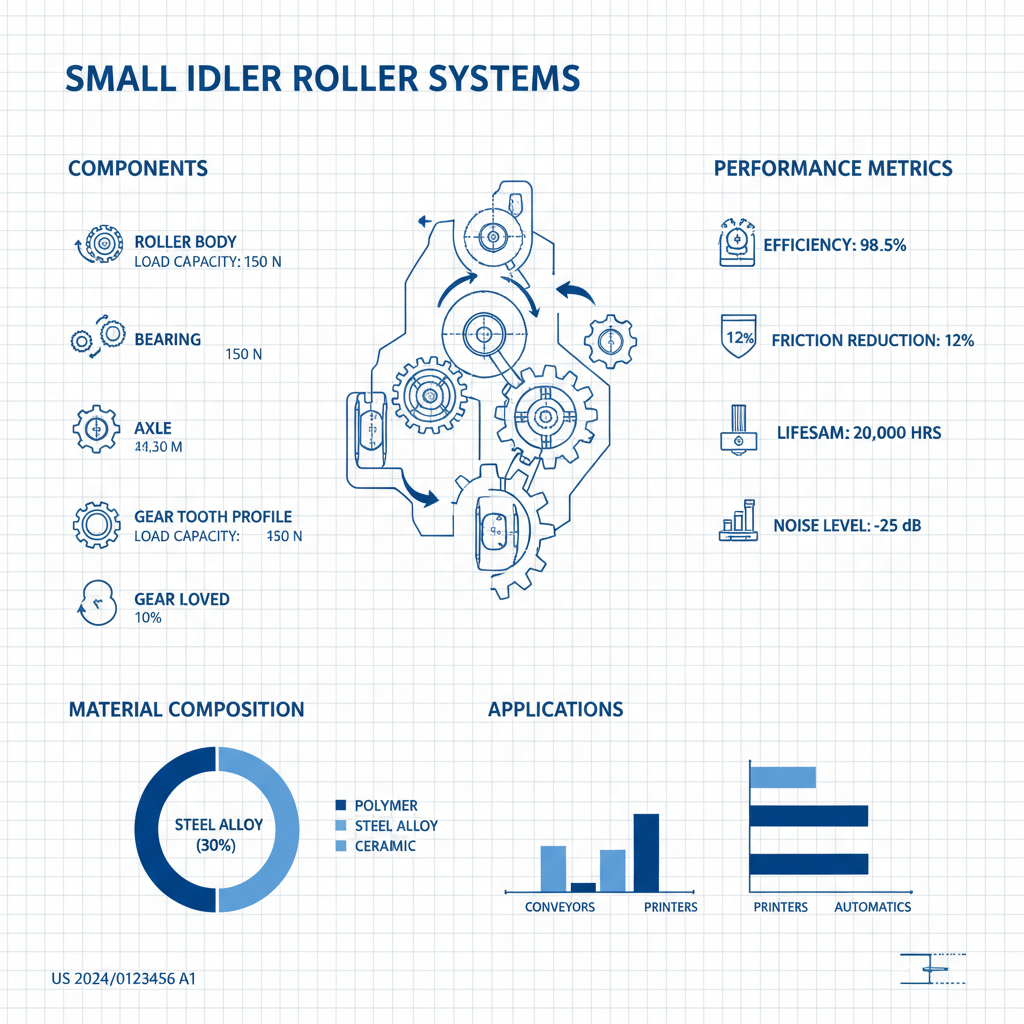
Small Idler Roller Performance Metrics


Applications Across Diverse Industries

The applications of small idler rollers are remarkably broad. In mining operations, they are integral to conveying ore from extraction sites to processing facilities. In the agricultural sector, they facilitate the movement of harvested crops and bulk materials.

Manufacturing plants utilize small idler rollers extensively in assembly lines and packaging systems. Logistics and warehousing rely on them for efficient sorting and distribution of goods. Even in modern airports, baggage handling systems depend on these components to ensure timely and reliable delivery of luggage.

The Long-Term Value Proposition of Superior Rollers

Investing in high-quality small idler rollers delivers significant long-term value. Reduced downtime is a primary benefit, as durable rollers require less frequent replacement and maintenance. This translates directly into increased productivity and lower operating costs.

Superior rollers also contribute to improved safety by preventing belt misalignment and reducing the risk of accidents. Furthermore, they minimize energy consumption due to lower friction, contributing to more sustainable operations. Choosing reputable suppliers, like small idler rollers, guarantees consistent performance and reliability.

Future Trends and Innovations in Idler Roller Technology

The future of small idler roller technology is focused on enhancing durability, reducing friction, and enabling smart monitoring capabilities. Advanced materials, such as composite polymers and ceramics, are being explored to create lighter and more corrosion-resistant rollers.

Smart rollers equipped with sensors can monitor bearing temperature, vibration, and load, providing real-time data for predictive maintenance. This allows operators to identify potential issues before they lead to costly breakdowns. Integration with Industry 4.0 technologies and the Industrial Internet of Things (IIoT) will further optimize performance and efficiency.

Sustainable manufacturing practices are also gaining prominence, with a focus on using recycled materials and reducing the environmental impact of roller production. These innovations promise to significantly improve the reliability and cost-effectiveness of conveyor systems.

FAQS

What is the typical lifespan of small idler rollers in a coal mine?

The lifespan of small idler rollers in a coal mine can vary significantly depending on operating conditions, load, and maintenance practices. However, a typical lifespan ranges from 12 to 24 months. Factors like dust exposure, impact from coal, and varying loads contribute to wear and tear. Regular inspection and lubrication are critical for maximizing longevity. Utilizing high-quality, sealed bearings and robust shell materials, such as those offered by small idler rollers suppliers, can extend operational life.

How can I tell if a small idler roller needs replacing?

Several indicators suggest a small idler roller requires replacement. These include excessive noise during operation, visible wear or damage to the shell or bearings, difficulty in rotation, and belt misalignment. Regular visual inspections are crucial. If you notice any of these signs, it's best to replace the roller promptly to prevent further damage to the conveyor system. Vibration analysis can also pinpoint rollers needing attention.

What are the key differences between steel and polymer small idler rollers?

Steel rollers are generally more robust and suitable for heavy-duty applications and high-temperature environments. However, they are heavier and can be prone to corrosion. Polymer rollers are lighter, corrosion-resistant, and often quieter in operation, making them ideal for less demanding applications where hygiene is important. The choice depends on the specific application requirements and operating conditions.

How does proper alignment impact small idler roller lifespan?

Proper alignment is absolutely critical for maximizing small idler roller lifespan. Misalignment causes uneven wear on the bearings and shell, leading to premature failure. It also increases friction, requiring more energy to operate the conveyor. Regular alignment checks and adjustments are essential for maintaining optimal performance and preventing costly downtime. A misaligned system also causes belt wander, leading to more frequent corrective actions.

What maintenance procedures should be performed on small idler rollers?

Regular maintenance includes visual inspections for damage or wear, lubrication of bearings (if applicable), and alignment checks. Removing debris buildup is also important. For sealed bearings, ensuring the seals are intact is vital. Implementing a preventative maintenance schedule based on operating conditions and load is highly recommended. Following manufacturer's guidelines for lubrication and maintenance ensures optimal performance.

Are there any new innovations in small idler roller bearing technology?

Yes, advancements in bearing technology are continually improving small idler roller performance. New materials and designs are reducing friction, increasing load capacity, and extending bearing life. Sealed-for-life bearings are becoming more common, eliminating the need for regular lubrication. Smart bearings with integrated sensors are also emerging, providing real-time monitoring of bearing condition and enabling predictive maintenance.

Conclusion

Small idler rollers, despite their relatively simple design, are fundamental to the efficiency and reliability of countless industrial operations. Their impact extends beyond mere material conveyance, influencing factors like safety, sustainability, and overall profitability. Investing in high-quality rollers, implementing proactive maintenance programs, and embracing emerging technologies are key to unlocking their full potential.

As industries continue to evolve and demand greater efficiency, the role of small idler rollers will only become more critical. Staying abreast of the latest innovations and best practices will be essential for optimizing performance and ensuring long-term success. For reliable and durable solutions, explore the range of small idler rollers available at small idler rollers.


Robert Wilson

Robert Wilson

Robert Wilson is the Lead Sales Engineer for North American markets at Yanshan Aohua. He focuses on building and maintaining relationships with key clients in Canada and the United States, specializing in solutions for cement plants and large-scale material handling facilities. Robert possesses a deep understanding of our variable groove
Previous Optimizing Conveyor Systems with Durable Steel Idler Rollers
Next Optimizing Material Handling Systems with High Performance Idler Rollers