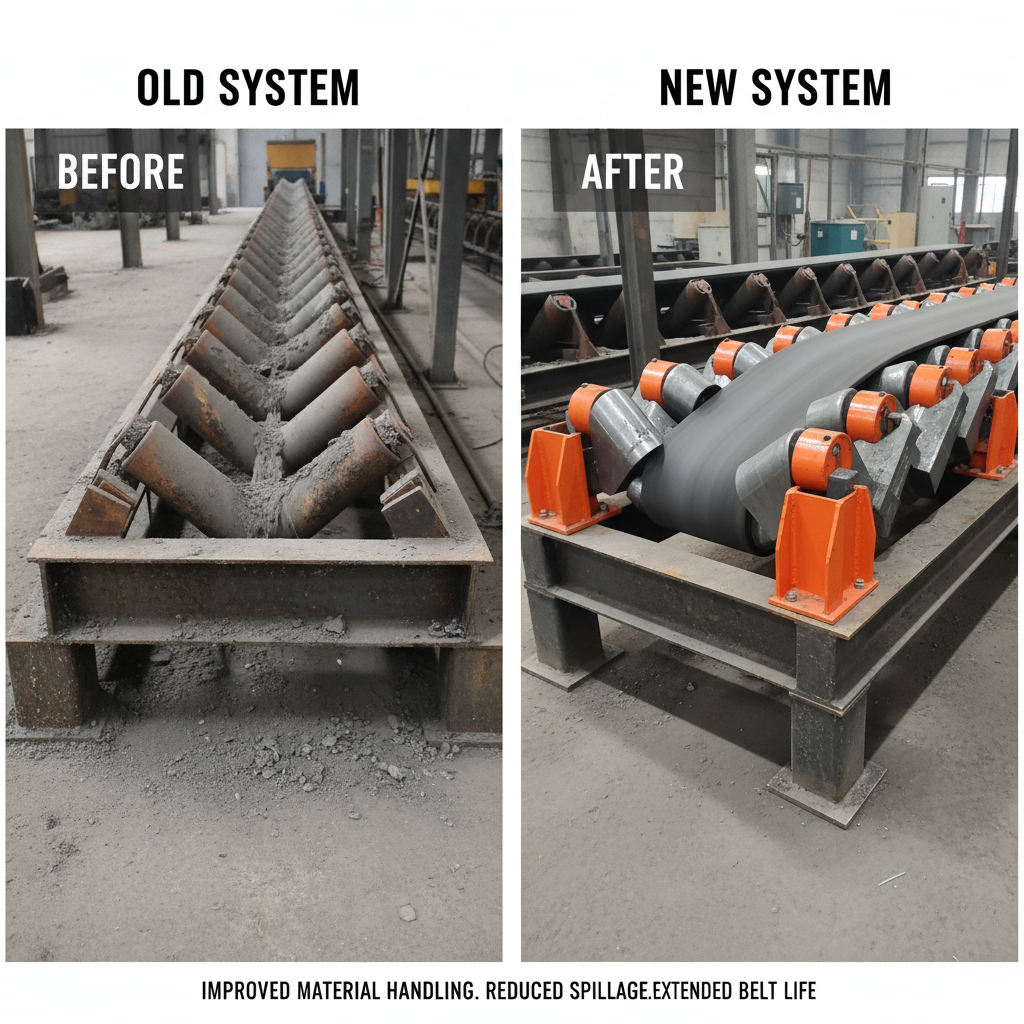
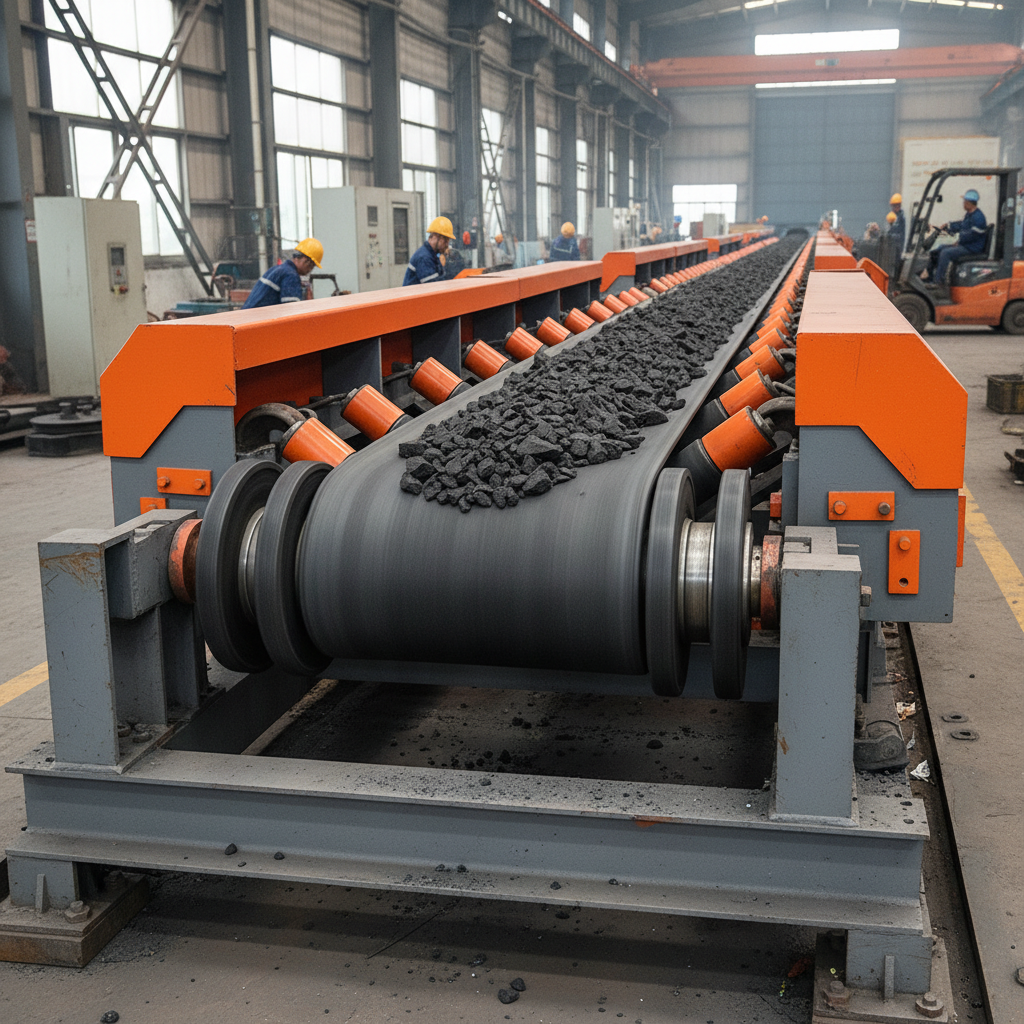
Bend pulley price is a crucial factor in industries ranging from manufacturing and logistics to construction and even recreation. Understanding the nuances of bend pulley pricing – how it's determined, what impacts it, and how to optimize it – is increasingly vital for businesses aiming to remain competitive and efficient. A seemingly small component like a bend pulley can significantly impact overall project costs and operational timelines, making informed price analysis paramount.
The global demand for bend pulleys continues to rise alongside industrial growth, particularly in emerging economies. According to recent market reports, the bend pulley market is projected to experience a steady Compound Annual Growth Rate (CAGR) over the next five years, driven by infrastructure development and automation initiatives. However, supply chain disruptions and fluctuating raw material costs pose ongoing challenges to maintaining stable bend pulley price points.
Ultimately, mastering bend pulley price negotiation and sourcing strategies can unlock substantial cost savings and enhance operational resilience. This guide will delve into the key elements shaping bend pulley price, explore global applications, and provide insights into future trends and challenges. We will also help you understand how to get the best bend pulley price for your needs.
The Significance of Bend Pulley Price
The importance of understanding bend pulley price extends far beyond simply obtaining a low quote. It's about assessing the total cost of ownership, factoring in durability, performance, and potential maintenance needs. A lower upfront bend pulley price might translate to higher replacement costs or decreased operational efficiency down the line.
Effective bend pulley price management can directly contribute to improved project profitability and streamlined supply chains. It’s a cornerstone of sound procurement practices, requiring a comprehensive understanding of market dynamics, supplier capabilities, and long-term value. Seeking the optimal bend pulley price is not merely about saving money, but about optimizing performance.
Defining Bend Pulley Price
Bend pulley price, at its core, represents the monetary value assigned to a bend pulley, encompassing the costs associated with materials, manufacturing, labor, transportation, and supplier margins. However, it’s rarely a static figure. The price can fluctuate significantly based on factors such as the type of material (steel, iron, plastic), the pulley’s size and load capacity, and the quantity ordered.
In modern industry, bend pulley price is increasingly linked to broader economic indicators, including raw material commodity prices and global shipping rates. Furthermore, the level of customization required – whether a standard off-the-shelf pulley or a bespoke design – will directly impact the final price.
Considering bend pulley price within the context of its intended application is crucial. A high-precision pulley for a sensitive machine may warrant a higher price point than a general-purpose pulley used in a less demanding setting. Ultimately, the "right" bend pulley price depends on a holistic assessment of requirements and value.
Core Factors Influencing Bend Pulley Price
Several key factors contribute to the determination of bend pulley price. Material composition is a primary driver, with high-strength alloys generally commanding a premium. Manufacturing complexity, involving intricate designs or tight tolerances, also adds to the cost. The grade of steel or other material significantly impacts the overall bend pulley price.
Demand and supply dynamics play a crucial role. Periods of high demand and limited supply typically lead to price increases. Geographical location and transportation costs also contribute, particularly for international sourcing. A reliable supplier capable of providing consistent quality at a competitive bend pulley price is invaluable.
Economies of scale can significantly reduce per-unit bend pulley price. Ordering larger quantities often unlocks bulk discounts. Supplier reputation and certifications also impact price, as established and certified manufacturers tend to charge more for their assurance of quality and reliability.
Global Applications and Use Cases
Bend pulleys find extensive application across a diverse range of industries. In manufacturing, they are integral to conveyor systems, power transmission, and machinery operation. Construction utilizes bend pulleys in cranes, hoists, and material handling equipment. The automotive industry employs them in engine components and drive systems.
They are also critical in agricultural machinery, mining operations, and even recreational equipment like ski lifts and cable cars. In remote industrial zones, access to reasonably priced and durable bend pulleys is vital for maintaining operational efficiency. In post-disaster relief operations, simple pulley systems utilizing affordable bend pulleys can be used for lifting and transporting supplies.
Furthermore, bend pulleys are increasingly integrated into automated systems and robotics, driving demand for high-precision and reliable components. Regions with robust manufacturing sectors, such as China, Germany, and the United States, represent major markets for bend pulleys, reflecting a consistent demand for a reasonable bend pulley price.
Bend Pulley Price Comparison by Method
Advantages of Optimized Bend Pulley Price
Securing a favorable bend pulley price delivers tangible benefits, starting with reduced procurement costs. This directly impacts project budgets and overall profitability. Optimizing price also encourages better resource allocation, freeing up funds for other critical areas.
Long-term value extends beyond cost savings. Investing in high-quality bend pulleys, even if they carry a slightly higher initial price, can reduce maintenance frequency, minimize downtime, and enhance operational reliability. This contributes to increased productivity and improved safety.
Future Trends in Bend Pulley Price
The future of bend pulley price is likely to be shaped by several key trends. The increasing adoption of automation and robotics will drive demand for precision-engineered pulleys, potentially leading to price increases for specialized components. The development of new materials, such as lightweight alloys and advanced polymers, could also impact pricing.
Furthermore, sustainability concerns will likely push manufacturers to adopt more eco-friendly production processes, which may or may not affect bend pulley price. The growth of e-commerce and online marketplaces is expected to increase price transparency and potentially intensify competition, giving buyers more leverage in negotiation.
Challenges and Solutions in Bend Pulley Pricing
One of the main challenges in bend pulley pricing is volatility in raw material costs. Fluctuations in steel, iron, and plastic prices can significantly impact the final price. Supply chain disruptions, particularly those caused by geopolitical events or natural disasters, also pose a threat.
To mitigate these challenges, businesses can adopt strategic sourcing strategies, diversifying their supplier base and establishing long-term contracts. Implementing robust inventory management systems can help buffer against price shocks. Utilizing price forecasting tools and market intelligence can also improve negotiation power.
Finally, exploring value engineering options – optimizing pulley design without compromising performance – can help reduce material usage and lower overall bend pulley price. Working with a reputable supplier who provides transparent pricing and consistent quality control is crucial for navigating these complexities.
Summary of Common Bend Pulley Pricing Issues and Solutions
| Pricing Issue |
Impact on Bend Pulley Price |
Mitigation Strategy |
Expected Price Impact |
| Raw Material Cost Volatility |
Significant fluctuations in steel/iron/plastic. |
Long-term contracts, diversified sourcing. |
Moderate Price Stabilization |
| Supply Chain Disruptions |
Delays, increased lead times, price spikes. |
Multi-sourcing, increased inventory. |
Reduced Risk of Price Increases |
| Customization Requirements |
Higher manufacturing complexity, increased labor. |
Standardization where possible, design optimization. |
Potential for 5-10% Cost Reduction |
| Supplier Market Power |
Limited negotiating leverage, inflated prices. |
Competitive bidding, strategic partnerships. |
Improved Negotiation Position |
| Transportation Costs |
Increased shipping rates, fuel surcharges. |
Local sourcing, optimized logistics. |
Reduced Shipping Expenses |
| Lack of Price Transparency |
Difficulty comparing quotes, hidden fees. |
Request detailed breakdowns, utilize market data. |
Enhanced Cost Control |
FAQS
The primary factors influencing bend pulley price include the material used (steel, iron, plastic), the pulley's size and load capacity, the manufacturing complexity, order quantity, supplier location, and prevailing market conditions for raw materials. Transportation costs and customization requirements also play a role. Understanding these variables is critical for effective price negotiation.
To reduce bend pulley costs, consider bulk purchasing to leverage quantity discounts, explore strategic sourcing options to diversify suppliers and increase competition, and optimize pulley designs to minimize material usage. Negotiate long-term contracts to secure stable pricing, and consider local sourcing to reduce transportation expenses. Finally, implement robust inventory management to avoid unnecessary holding costs.
The lifespan of a bend pulley depends heavily on its material, the load it carries, the operating environment, and the frequency of maintenance. High-quality steel pulleys typically last for several years with proper maintenance, while plastic pulleys may have a shorter lifespan. Regular inspection and lubrication are essential for maximizing pulley life.
Yes, there are increasingly eco-friendly bend pulley options available. These include pulleys made from recycled materials, pulleys designed for reduced energy consumption, and pulleys manufactured using sustainable production processes. Choosing these options can contribute to a more environmentally responsible supply chain.
A reliable bend pulley supplier should have a proven track record of quality, consistent pricing, and on-time delivery. Look for suppliers with relevant certifications (e.g., ISO 9001), a strong commitment to customer service, and the ability to provide technical support. Transparent communication and a willingness to collaborate are also key indicators of a trustworthy supplier.
Customization invariably increases bend pulley price due to the added complexity of design, tooling, and manufacturing. The extent of the price increase depends on the degree of customization. Minor modifications typically have a smaller impact than completely bespoke designs. Carefully assess whether customization is truly necessary and explore standardized options whenever possible.
Conclusion
In conclusion, bend pulley price is a multifaceted element of operational efficiency and cost management. A thorough understanding of the factors influencing price, coupled with strategic sourcing and proactive risk mitigation, is crucial for businesses seeking to optimize their procurement processes and maintain a competitive edge. Investing in quality, considering long-term value, and adapting to future trends are key to success.
Looking ahead, leveraging data analytics, exploring innovative materials, and fostering strong supplier relationships will be essential for navigating the evolving landscape of bend pulley pricing. We encourage you to explore our extensive range of bend pulleys and contact our team for personalized support and competitive bend pulley price quotes.