You know, after running around construction sites all year, you start to notice trends. Lately, everyone's talking about efficiency, prefabrication, and…well, making things lighter. Seems like everyone’s trying to shave off every gram. To be honest, it's a good thing, but it also opens up a whole new set of headaches.
It's funny, you spend so much time in the design phase, thinking everything’s perfect on paper. But then you get on-site, and reality hits. Have you noticed how often designs don’t account for, you know, actual use? Like, putting a delicate finish on something that’s going to get covered in mud and scraped against steel beams. It's a classic.
And the materials… that's a whole other story. We use a lot of high-strength steel, obviously. But it’s not just what you use, it’s how it feels. That S355J2, for example – good stuff, welds beautifully, has that particular smell when you’re grinding it… you get to know these things. Then there’s the polymers. We're experimenting with a new type of reinforced nylon, smells a bit like burnt plastic when you first cut it, but it’s incredibly durable.
Industry Trends and Design Pitfalls
Strangely enough, the biggest trend I’m seeing isn’t a specific material or design, it’s the demand for modularity. Everything needs to be broken down into smaller, manageable components. Makes sense for transport and installation, right? But it also means more connection points, more potential failure points. It’s a trade-off, and it's something designers often underestimate. You can design something incredibly strong in a lab, but if it falls apart every time a worker tries to assemble it, what's the point?
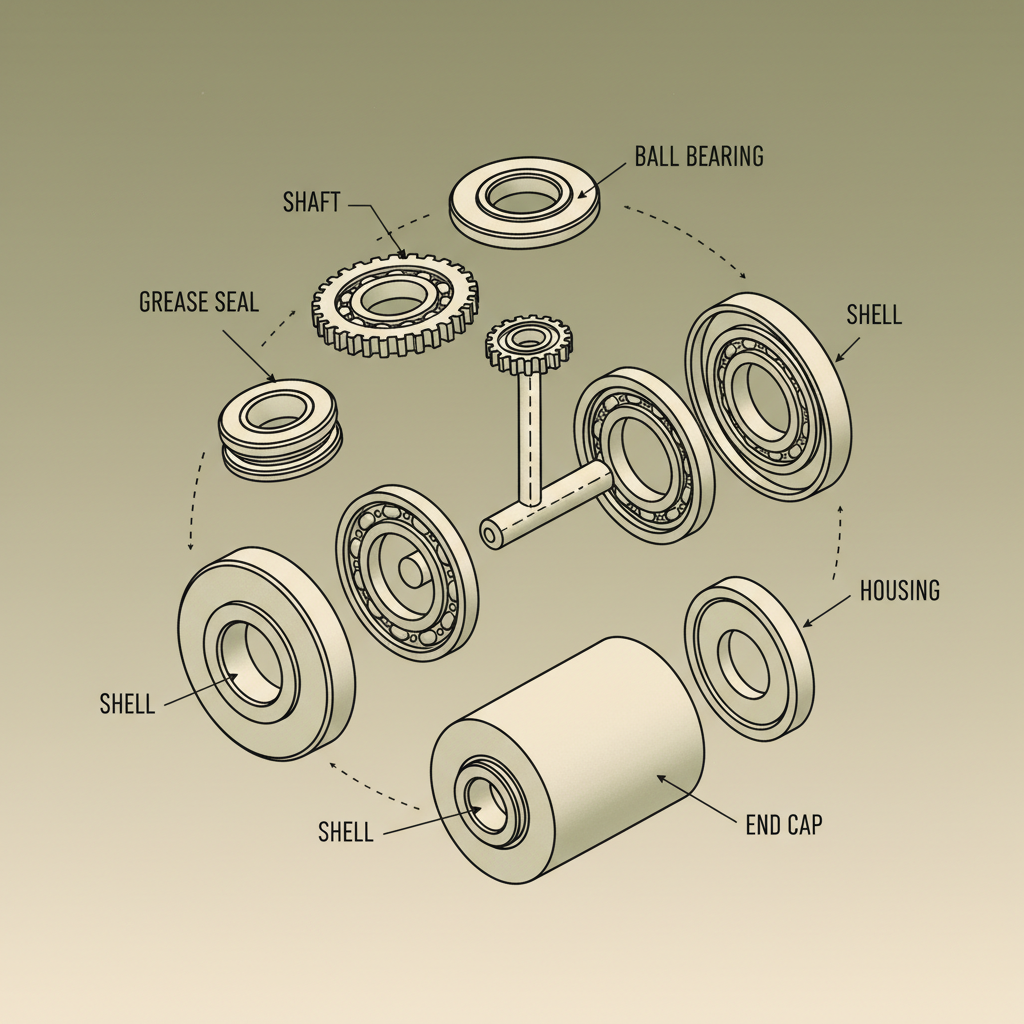
And these 'optimized' designs… sometimes they’re just over-engineered. They chase a few percent gain in efficiency while completely ignoring the practicalities of maintenance. I encountered this at a cement factory last time – they had a system with these ridiculously complex idler roller arrangements, supposedly to reduce friction. But cleaning them? Forget about it. Took three guys half a day just to get to all the rollers.
Material Selection and Handling
So, the materials. We're using a lot of different types of steel – everything from mild steel for the basic structures to high-strength alloys for the critical components. The coatings are also important. Epoxy is good, but it chips easily. Polyurethane is more durable, but it's expensive and can be tricky to apply. Then there's the whole issue of corrosion resistance. Salt spray tests are okay, but they don't really simulate the real world.
I’m a big fan of good old galvanized steel. It’s reliable, relatively cheap, and it doesn't require a lot of fancy surface preparation. But it's heavy. That's the downside. And the zinc fumes when you’re welding it… ugh. You need good ventilation. Then we've got the polymers. Polyethylene is great for liners, it’s self-lubricating and can withstand a lot of abrasion. Polypropylene is good for housings, it’s lightweight and chemical resistant. But they both have their limitations.
Honestly, the feel of the material matters. You can tell a lot just by handling it. A good steel should have a certain weight and a smooth surface. A good polymer should be flexible but not brittle. It's something you learn with experience.
Real-World Testing and Application
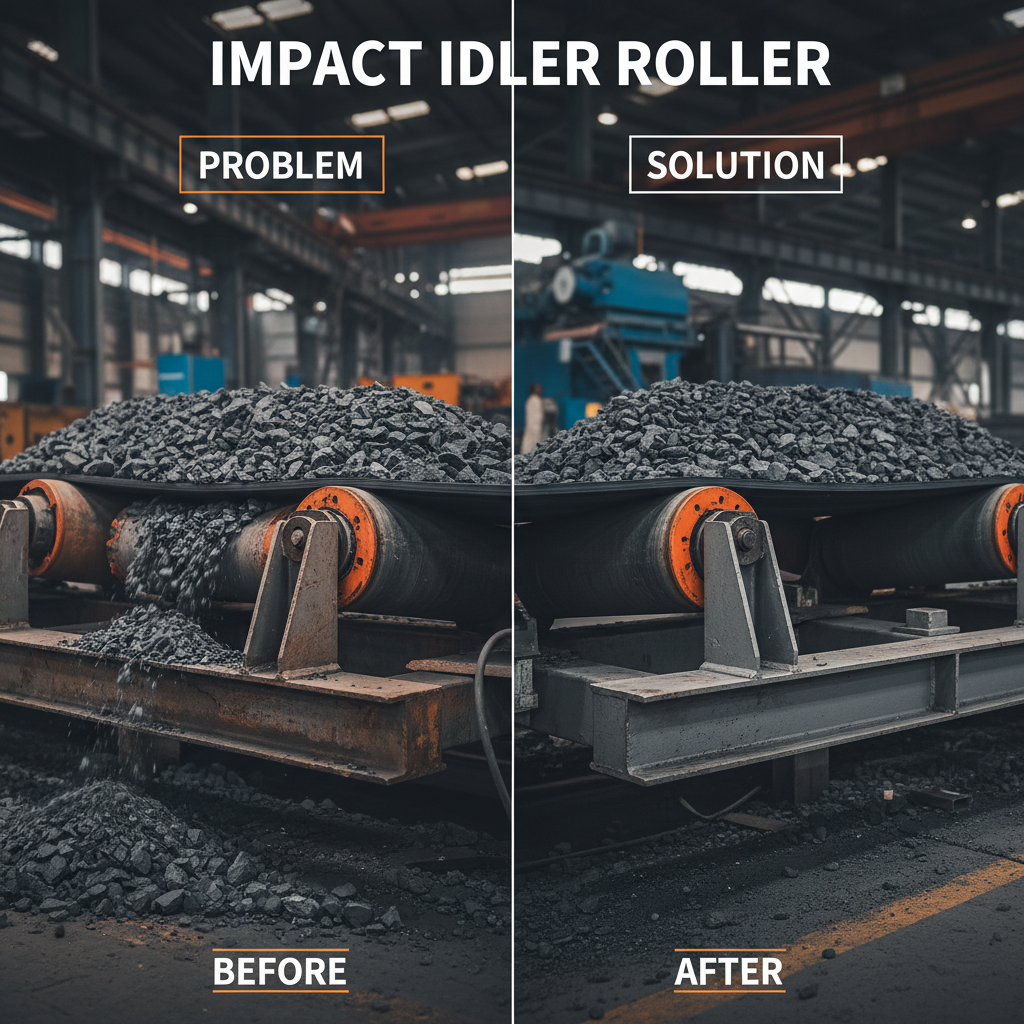
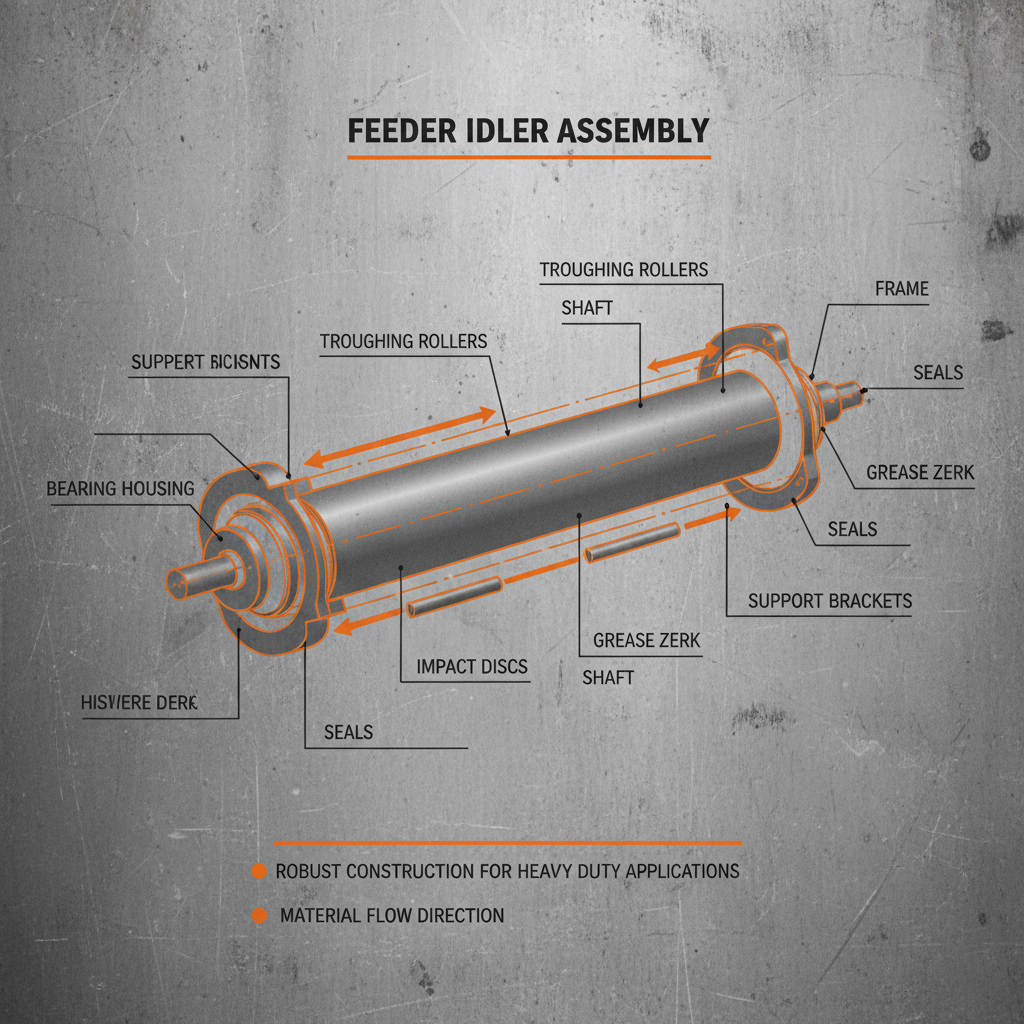
Lab tests are fine, but they’re not the whole story. We do a lot of field testing – putting our conveyor idler rollers in actual operating conditions. That’s where you really find out what works and what doesn’t. We’ve got a test rig set up at a quarry, where we subject the rollers to constant impact and abrasion. It's brutal.
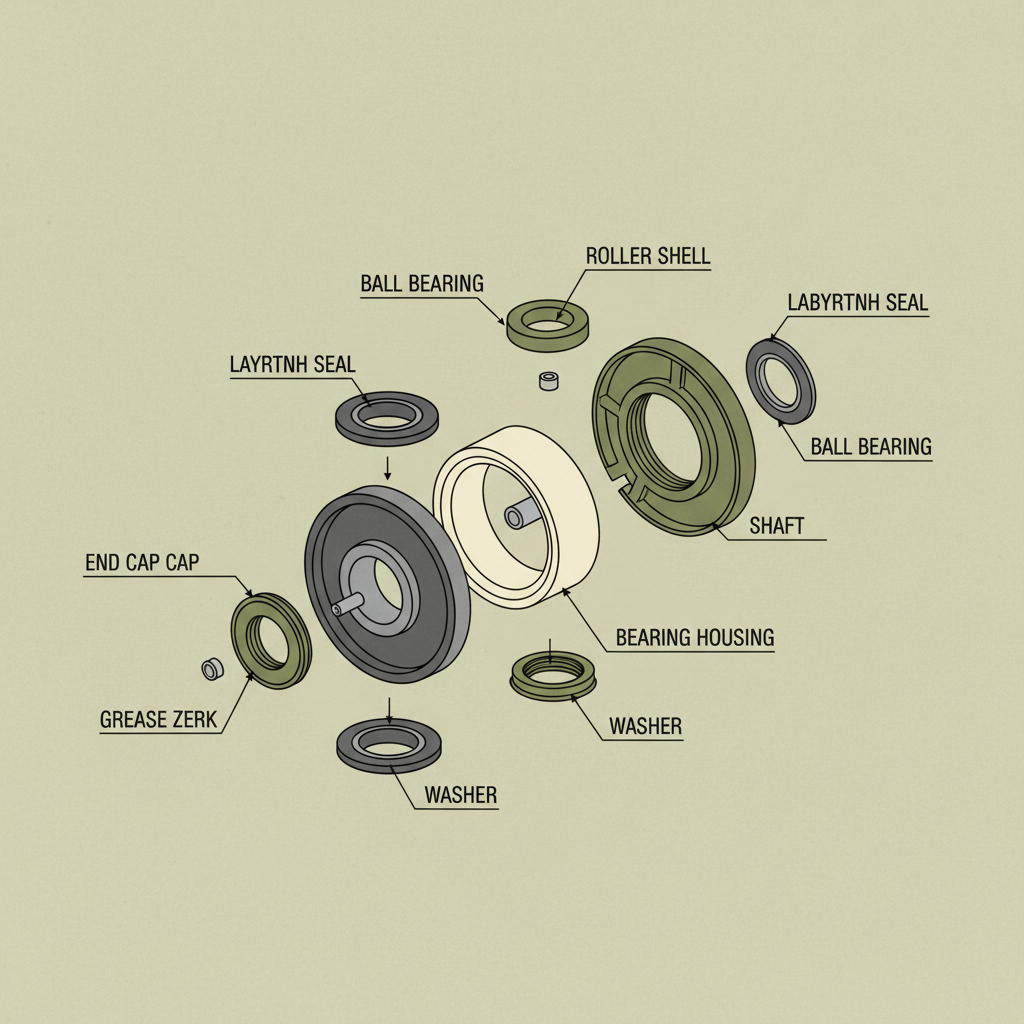
We also work closely with our customers to get feedback. They’re the ones who are using the equipment day in and day out, so they know what works and what doesn't. We’ve had some interesting insights from them. For example, one customer told us that the rollers were getting clogged with dust. So, we redesigned the seals to prevent that from happening.
It's also about how people actually use the equipment. You might design a system to be operated by two people, but in reality, it's often operated by one. Or you might design a system to be cleaned regularly, but in reality, it’s never cleaned. You have to account for human behavior.
Advantages, Disadvantages, and Customization
Okay, so the advantages are pretty straightforward: increased efficiency, reduced downtime, lower maintenance costs. But there are also disadvantages. They can be expensive, especially the high-end models. And they require regular maintenance, even if it’s just a visual inspection. You can’t just install them and forget about them.
Customization is key. We often get requests for specific roller diameters, bearing types, or seal materials. Last month, a customer in the food processing industry wanted rollers made from stainless steel with food-grade seals. It wasn't a standard product, but we were able to deliver. Anyway, I think flexibility is essential in this business.
conveyor idler roller manufacturers Performance Comparison
Customer Story: The Interface Saga
Last month, that small boss in Shenzhen who makes smart home devices insisted on changing the interface to , even on the idler rollers. Said it was “future-proof.” He wanted to integrate some kind of sensor into the rollers, and seemed like the way to go. It sounded like a disaster from the start.
I tried to explain to him that it's a conveyor system, not a smartphone. You don't need a fancy connector. A simple bolt and nut will do just fine. But he wouldn't listen. He said he wanted to be "innovative." Anyway, the result was a complete mess. The connector kept getting damaged, and the sensors stopped working after a week. He ended up switching back to the old design. A costly lesson, I think.
Quality Control and Performance Metrics
We use a pretty rigorous quality control process. Every roller is inspected for defects before it leaves the factory. We check the bearings, the seals, the welds, everything. We also do random testing to ensure that the rollers meet our performance specifications.
We track several key metrics: load capacity, rotational friction, bearing life, and corrosion resistance. We also monitor customer feedback to identify any potential issues. And believe me, you get a lot of feedback when something goes wrong.
It's not just about meeting specifications, though. It's about building something that's going to last. Something that's going to perform reliably under harsh conditions. That's what really matters.
Summary of conveyor idler roller manufacturers Quality Metrics
| Metric |
Testing Method |
Target Value |
Acceptance Criteria |
| Load Capacity |
Static Load Test |
10 tons |
No deformation or failure |
| Rotational Friction |
Torque Measurement |
≤ 0.5 Nm |
Consistent and smooth rotation |
| Bearing Life |
Accelerated Life Testing |
50,000 hours |
No bearing failure or excessive wear |
| Corrosion Resistance |
Salt Spray Test |
≥ 1000 hours |
No significant corrosion or rust |
| Seal Integrity |
Pressure Test |
No leakage |
Maintain pressure for 24 hours |
| Welding Quality |
Visual Inspection & X-Ray |
No cracks or porosity |
Meet AWS D1.1 standards |
FAQs
Lifespan really varies, but in a harsh coal mine environment, you're looking at anywhere from 6 months to 2 years, depending on the load, speed, and maintenance. We’ve seen rollers last longer with proper lubrication and regular inspections. The abrasive nature of coal dust is a killer, so seal integrity is key. We generally recommend upgrading to hardened steel for those applications.
Belt material matters a lot. For abrasive materials like aggregate, you need rollers with a hard surface to resist wear. For softer materials, you can use rollers with a softer surface to reduce friction. It’s about finding the right balance. We usually ask about the belt material, the conveyed material, and the operating conditions to make a recommendation. It’s not one-size-fits-all.
Bearing failure is the biggest one, usually due to contamination or lack of lubrication. Seal failure is another common issue, letting in dirt and moisture. Then there's impact damage, especially on conveyors that handle large or heavy materials. We also see problems with weld failures and corrosion. Proper maintenance and selecting the right roller for the application can prevent most of these issues.
Generally, yes. We manufacture rollers to standard dimensions, so they should fit most existing systems. However, it's always a good idea to check the dimensions and specifications before ordering. We can also customize rollers to fit specific requirements, if needed. We've done a lot of retrofit work, swapping out old rollers for our more durable models.
We can customize almost anything. Roller diameter, bearing type, seal material, coating, even the color. We once had a customer who wanted rollers painted bright orange so they’d be easier to spot in the dark. We also offer custom shaft lengths, mounting options, and special features like integrated sensors. The more unusual the request, the more interesting it gets, to be honest.
Critically important. Regular inspection and lubrication can significantly extend the life of your rollers and prevent costly downtime. We recommend checking the bearings for wear, inspecting the seals for damage, and lubricating the bearings every three months. It's a small investment that can save you a lot of money in the long run. Ignoring it? That’s just asking for trouble.
Conclusion
So, that’s the world of conveyor idler rollers. It’s not glamorous, but it’s essential. It’s about taking a simple component and making it as reliable and durable as possible. It's about understanding the materials, the applications, and the people who use them. Ultimately, it's about keeping things moving.
Ultimately, whether this thing works or not, the worker will know the moment he tightens the screw. If it feels solid, if it spins smoothly, if it just feels right, then you know you've got a good roller. And that's what really matters. If you're looking for conveyor idler roller manufacturers that understand this, give us a shout.