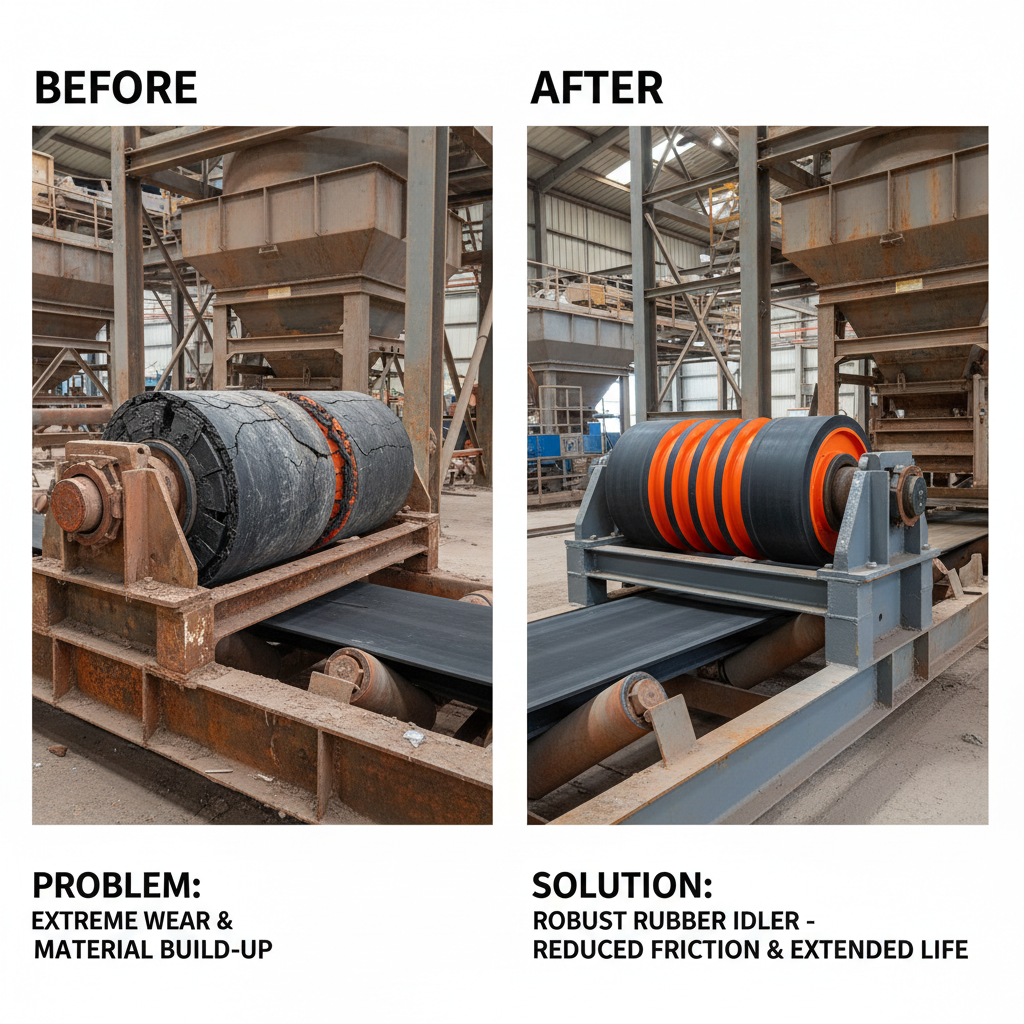
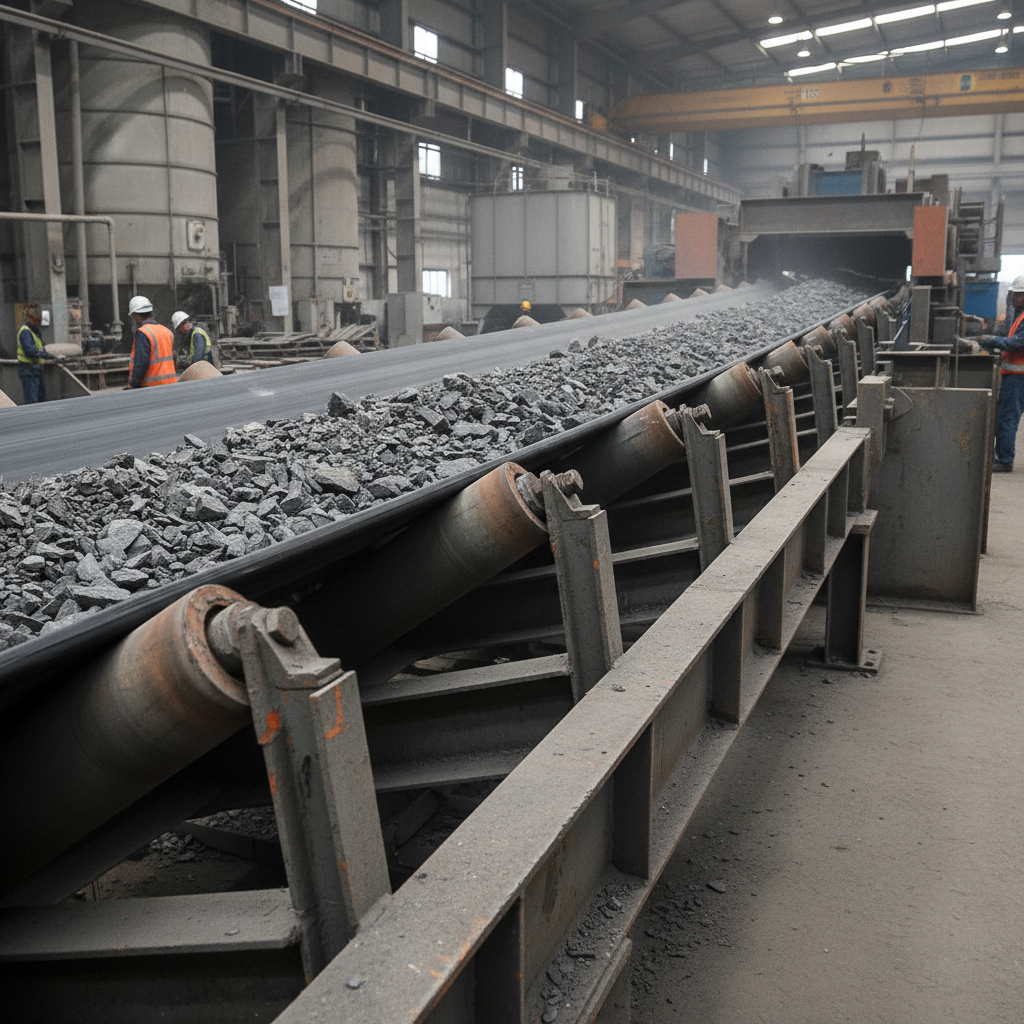
The world of materials handling relies heavily on seemingly simple components that drive massive industrial processes. Among these, idler and roller systems are foundational. These components aren’t just about moving materials; they’re about efficiency, reliability, and safety across countless industries, from mining and manufacturing to logistics and agriculture. Understanding their function and advancements is crucial for maintaining global supply chains and supporting sustainable economic growth.
Globally, the demand for efficient material handling is surging. According to a report by Market Research Future, the global conveyor systems market is projected to reach USD 68.23 billion by 2030, growing at a CAGR of 4.85%. Idler and roller technology directly influences this market, acting as vital components in these systems. Challenges like increasing automation, stricter safety regulations, and the need for reduced downtime are driving innovation in this space.
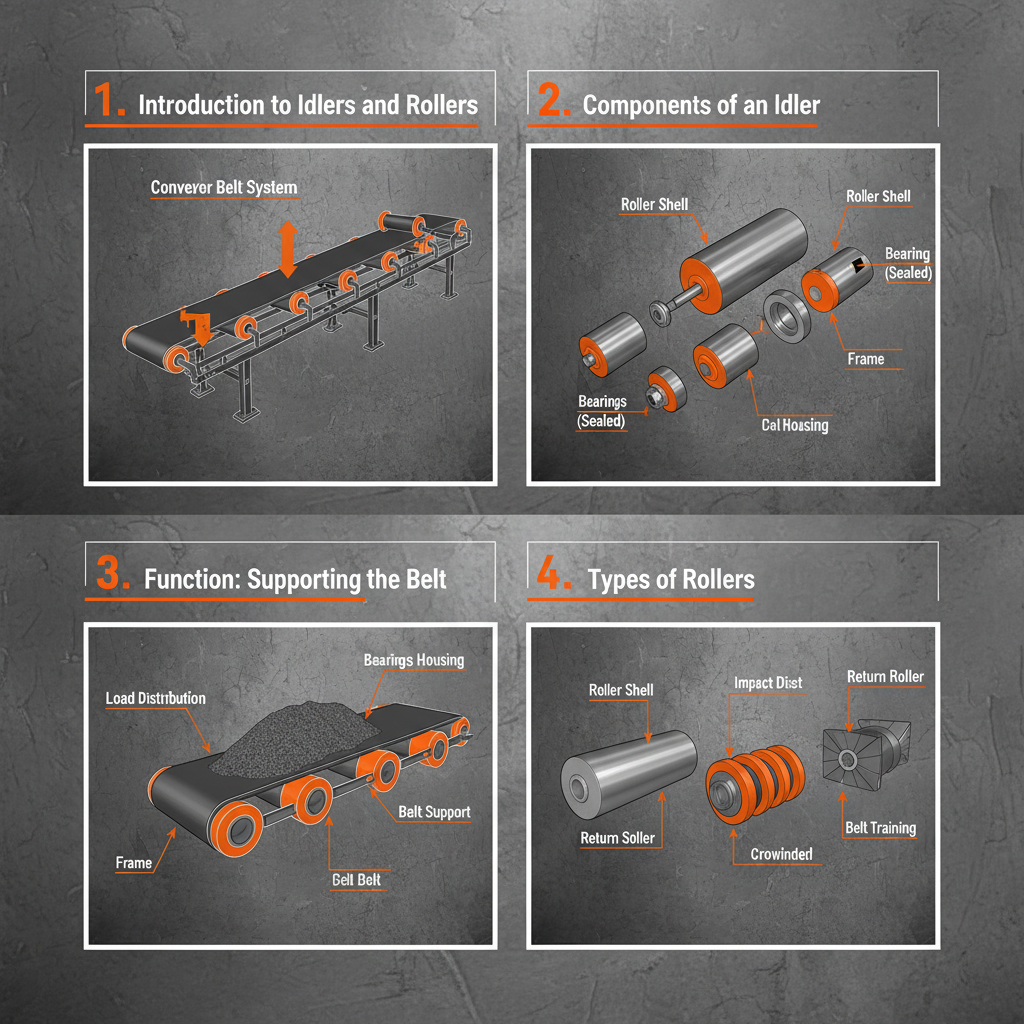
At their core, an idler is a support component positioned underneath a conveyor belt, reducing friction and supporting the load. A roller, often used in gravity conveyors, allows materials to move freely along a surface. Both idler and roller systems are indispensable in modern industry, providing the backbone for countless automated processes and ensuring the smooth flow of goods and resources. They represent a vital link in the chain of production and distribution.
The Importance of Idler and Roller Systems
Idler and roller systems are the unsung heroes of modern industry. Without these components, the movement of raw materials, finished goods, and everything in between would be dramatically slower, more expensive, and less reliable. They underpin some of the most critical sectors of the global economy, allowing for the efficient operation of mines, power plants, distribution centers, and countless manufacturing facilities.
Their significance extends beyond pure efficiency. Properly designed and maintained idler and roller systems contribute to workplace safety by reducing manual handling and minimizing the risk of material spills or equipment failures. Investing in high-quality systems translates to less downtime, reduced maintenance costs, and a more streamlined, productive operation.
Defining Idlers and Rollers
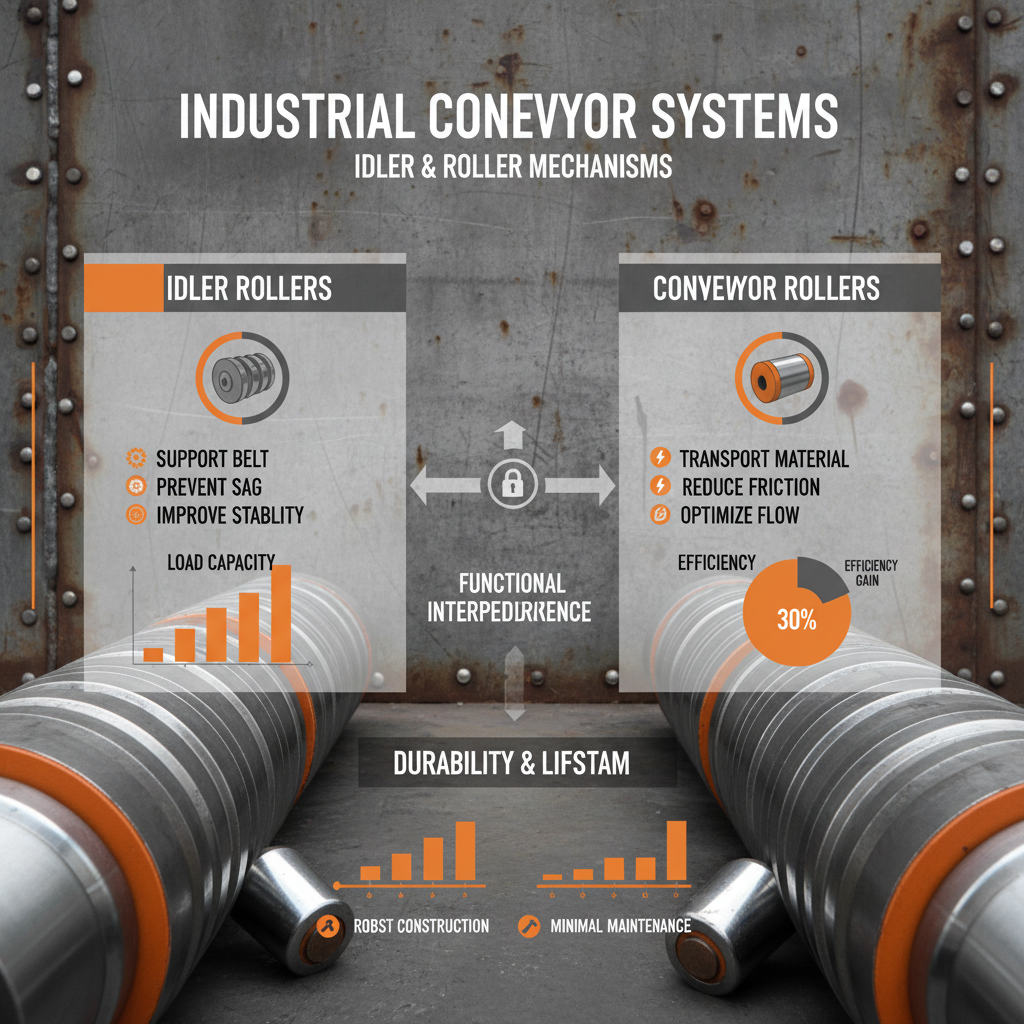
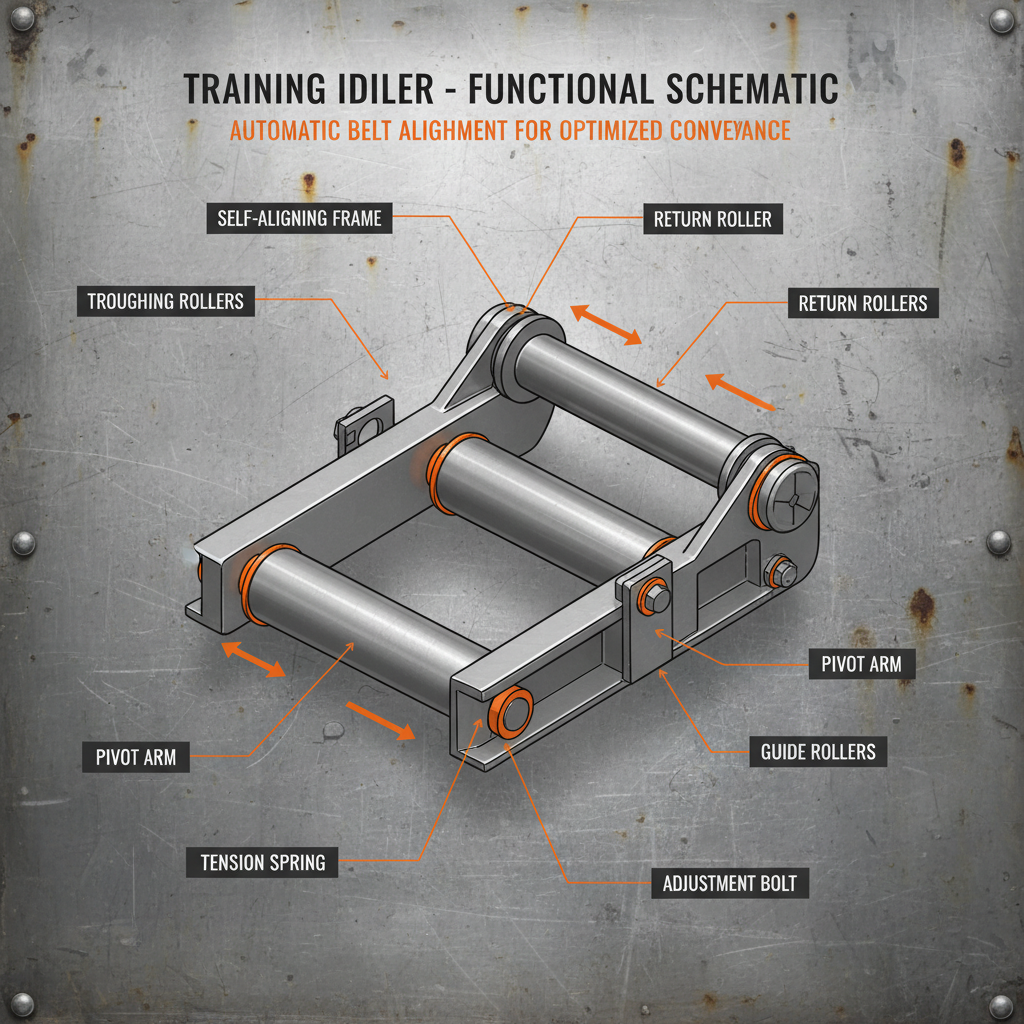
An idler is essentially a supporting element positioned beneath a conveyor belt. Its primary function is to support the weight of the belt and the materials it carries, reducing sag and friction as the belt moves. Idlers come in various configurations, including trough idlers, impact idlers, and self-cleaning idlers, each designed to address specific application requirements. Idler and roller performance is crucial for conveyor system longevity.
Rollers, on the other hand, are typically cylindrical components used in gravity conveyor systems. They allow materials to move along a defined path without the need for powered assistance. These are commonly found in warehouses, distribution centers, and shipping facilities, providing a simple yet effective means of material transport.
The distinction is key: idlers actively support powered conveyor belts, while rollers facilitate movement in gravity-driven systems. Both play a critical role in material handling, and the selection of the appropriate component depends heavily on the specific application and operational needs.
Key Factors Influencing Performance
Several core factors significantly impact the performance and lifespan of idler and roller systems. Durability is paramount, as these components are subjected to continuous stress, abrasion, and exposure to harsh environmental conditions. Materials used in their construction, such as steel, rubber, and polymers, must be carefully selected to withstand these challenges.
Load capacity is another critical consideration. Idler and roller systems must be capable of supporting the weight of the materials being conveyed without deformation or failure. Proper sizing and spacing of idlers and rollers are essential for distributing the load effectively. Scalability is important for future expansion of the conveyor system.
Maintenance accessibility directly impacts operational costs. Systems that are easy to inspect, lubricate, and repair minimize downtime and extend the overall lifespan of the equipment. Cost-efficiency, considering both upfront investment and long-term operating expenses, is a vital factor in system selection.
Core Components and Materials
The construction of idler and roller systems involves several key components. The shell, typically made of steel, provides the structural integrity of the component. Seals prevent the ingress of contaminants, protecting the internal bearings. Bearings are critical for smooth rotation and load distribution. And the end caps secure the bearings and provide mounting points.
Material selection is crucial. Steel alloys provide high strength and durability. Rubber compounds offer cushioning and impact resistance. Polymers are used for seals and other components requiring low friction and corrosion resistance. The choice of materials depends on the specific application and the expected operating conditions.
idler and Roller Material Comparison
Global Applications and Industry Impact
Idler and roller systems are ubiquitous across a wide range of industries. In the mining sector, they are essential for transporting ore and overburden. In power generation, they facilitate the movement of coal and other fuels. In logistics and distribution, they form the backbone of automated sorting and conveying systems.
These systems are also critical in manufacturing, agriculture, and food processing. In remote industrial zones, reliable idler and roller systems ensure continuous operation despite challenging conditions. In post-disaster relief operations, portable conveyor systems utilizing these components can quickly and efficiently distribute aid to affected populations.
Advantages and Long-Term Value
Investing in high-quality idler and roller systems yields significant long-term benefits. Reduced maintenance costs are a primary advantage, as durable components require less frequent replacement. Increased reliability translates to less downtime and higher productivity. Improved energy efficiency, due to reduced friction, contributes to lower operating expenses.
Beyond the tangible benefits, these systems contribute to workplace safety, reducing the risk of injuries associated with manual handling. They foster a culture of innovation by enabling the implementation of automated processes. Ultimately, idler and roller systems deliver peace of mind, knowing that your material handling operations are running smoothly, efficiently, and reliably.
Future Trends and Innovations
The future of idler and roller technology is driven by several key trends. Smart idlers equipped with sensors and data analytics capabilities are gaining traction, enabling predictive maintenance and real-time monitoring of system performance. The integration of automation and robotics is further enhancing efficiency and reducing labor costs.
Sustainable materials and designs are becoming increasingly important, with a focus on reducing environmental impact. The development of lightweight, high-strength materials will further improve energy efficiency and reduce transportation costs. These innovations promise to revolutionize material handling, creating more efficient, reliable, and sustainable systems.
Digital twin technology, allowing for virtual modeling and optimization of conveyor systems, is also on the rise, enabling proactive identification of potential issues and optimized performance.
Challenges and Solutions
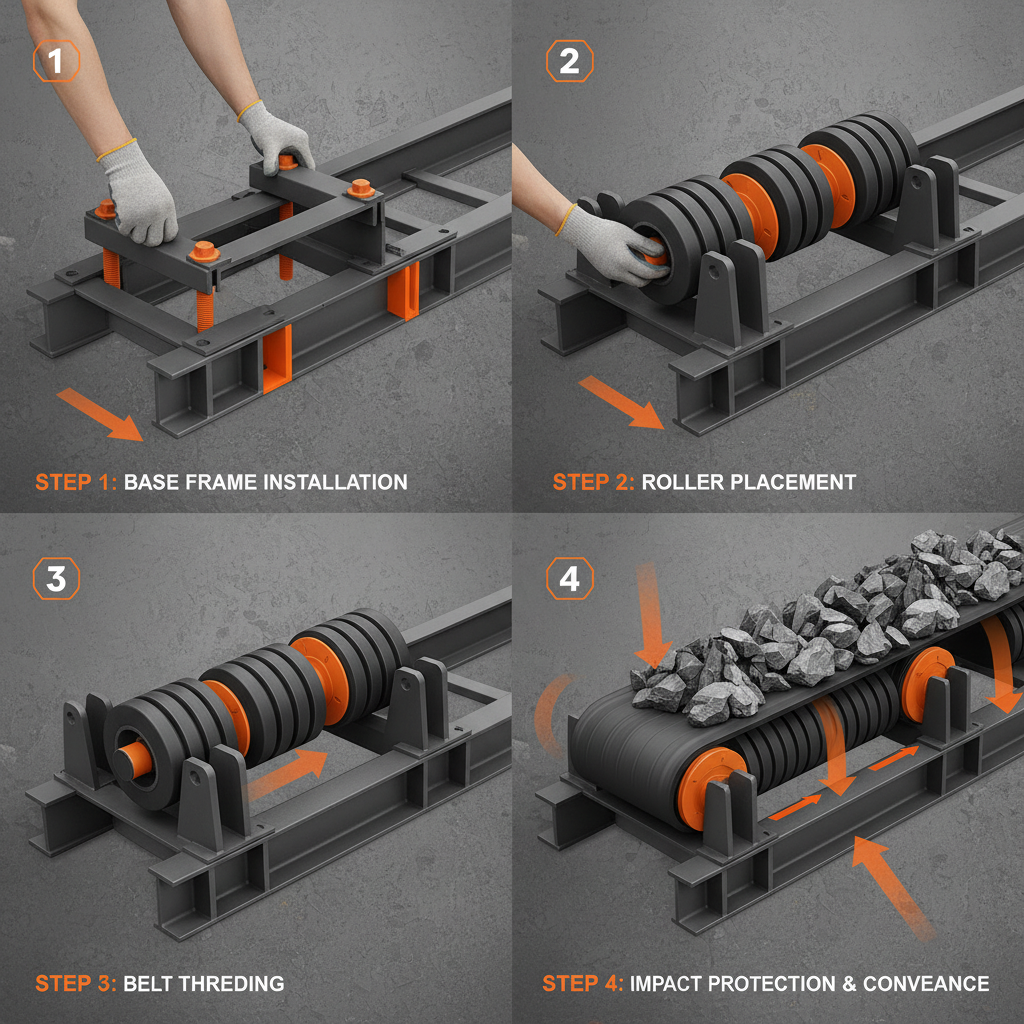
Despite advancements, idler and roller systems face several challenges. Dust and debris accumulation can lead to premature wear and failure. Corrosion, particularly in harsh environments, can compromise structural integrity. Misalignment and improper installation can cause excessive stress and reduce lifespan.
Addressing these challenges requires proactive maintenance programs, including regular inspection, cleaning, and lubrication. Selecting corrosion-resistant materials and implementing proper sealing techniques are essential. Precise alignment and installation are critical, and the use of advanced monitoring systems can help detect potential problems before they escalate.
Summary of Solutions for Idler and Roller Challenges
| Challenge |
Preventative Measure |
Detection Method |
Corrective Action |
| Dust & Debris Buildup |
Regular Cleaning Schedule |
Visual Inspection |
Automated Cleaning Systems |
| Corrosion |
Corrosion-Resistant Materials |
Ultrasonic Testing |
Protective Coatings |
| Misalignment |
Precision Installation |
Laser Alignment Tools |
Re-alignment Procedures |
| Bearing Failure |
High-Quality Lubrication |
Vibration Analysis |
Bearing Replacement |
| Seal Degradation |
Durable Seal Materials |
Leakage Detection |
Seal Replacement |
| Excessive Load |
Load Capacity Assessment |
Strain Gauge Monitoring |
Load Redistribution |
FAQS
The most frequent causes of idler failure stem from inadequate lubrication, contamination from dust and debris leading to bearing damage, excessive loading beyond the idler’s capacity, and misalignment during installation. Regular inspection and preventative maintenance, including proper lubrication and cleaning, are critical for extending idler lifespan and preventing costly downtime. Selecting idlers designed for the specific application and ensuring correct installation are equally important.
Idlers should be visually inspected at least monthly, and a more thorough inspection, including checking bearing condition and lubrication levels, should be performed quarterly. In harsh environments or high-duty applications, more frequent inspections may be necessary. Maintaining a detailed maintenance log helps track idler performance and identify potential problems before they lead to failure. Proactive maintenance is significantly cheaper than reactive repairs.
Self-cleaning idlers are designed to prevent material buildup on the roller surfaces, which can cause misalignment, increased drag, and premature failure. They are particularly beneficial in applications where sticky or moist materials are handled. By maintaining consistent roller rotation, self-cleaning idlers improve conveyor efficiency, reduce maintenance costs, and extend the lifespan of the entire system.
The ideal lubricant for idler bearings depends on the operating environment and bearing type. Generally, a high-quality lithium-based grease with good water resistance and extreme pressure properties is recommended. Synthetic lubricants are preferred for high-temperature or demanding applications. Always consult the bearing manufacturer’s recommendations for the appropriate lubricant type and application frequency. Over-lubrication can be as detrimental as under-lubrication.
Extreme temperatures, both high and low, can significantly affect idler performance. High temperatures can cause lubricant breakdown and accelerate bearing wear. Low temperatures can increase lubricant viscosity, hindering smooth rotation. Selecting idlers and lubricants designed for the specific temperature range and implementing temperature control measures, such as insulation or cooling systems, can mitigate these effects.
Misalignment is a major contributor to premature idler failure. It creates uneven load distribution on the bearings, leading to accelerated wear and potential seizure. Even slight misalignment can dramatically reduce idler lifespan. Proper alignment during installation and regular checks with laser alignment tools are crucial for maximizing idler performance and minimizing maintenance costs.
Conclusion
Idler and roller systems are the fundamental building blocks of efficient material handling across countless industries. Their reliability, durability, and cost-effectiveness are essential for maintaining global supply chains and driving economic growth. By understanding the key factors influencing their performance, adopting proactive maintenance strategies, and embracing innovative technologies, businesses can unlock significant benefits in terms of productivity, safety, and sustainability.
Looking ahead, the future of idler and roller technology will be shaped by the integration of smart sensors, automation, and sustainable materials. Investing in these advancements will not only improve operational efficiency but also contribute to a more environmentally responsible and resilient industrial landscape. To learn more about optimizing your material handling systems with high-quality idlers and rollers, visit our website: www.idleraohua.com