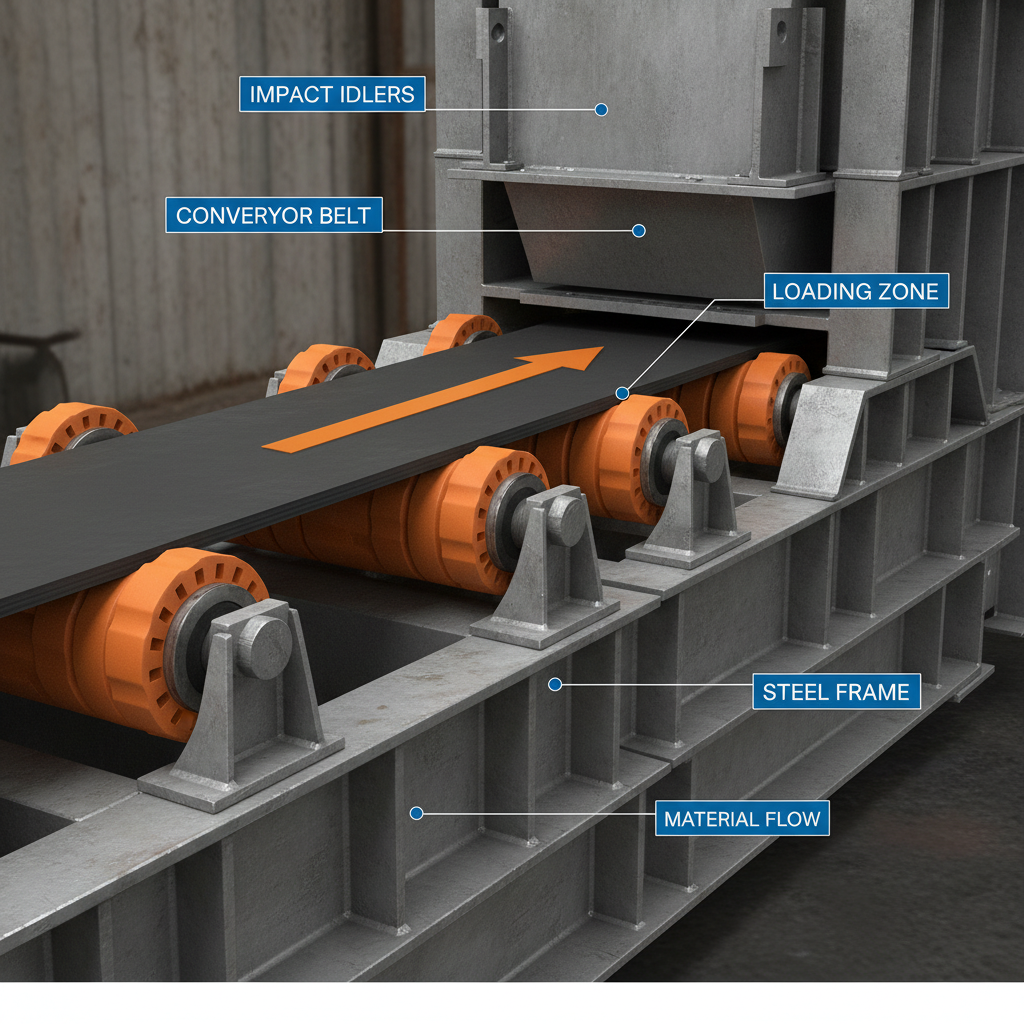
Belt idler rollers are essential components in conveyor systems across a multitude of industries, playing a crucial role in material handling and transportation. Their significance stems from their ability to support the conveyor belt, maintain its alignment, and reduce friction, ultimately increasing efficiency and minimizing damage. These seemingly simple components are foundational to the smooth operation of logistical networks worldwide, impacting everything from mining and agriculture to manufacturing and e-commerce. Understanding their function, types, and maintenance is therefore paramount for professionals and businesses reliant on efficient material flow.
The global conveyor belt market, and consequently the demand for belt idler rollers, is experiencing substantial growth. Driven by factors like expanding infrastructure projects, increasing automation in industries, and the surge in e-commerce, the need for reliable and efficient material handling solutions is ever-increasing. According to recent reports, the market is projected to reach billions of dollars in the coming years, highlighting the critical role these systems, and their components, play in the global economy.
A key challenge within this growing market lies in optimizing the performance and lifespan of conveyor systems, and proper selection and maintenance of belt idler rollers are central to addressing this issue. Frequent failures and inefficiencies can lead to costly downtime and reduced productivity. Therefore, advancements in roller design, materials, and monitoring technologies are vital to meet the evolving demands of modern industries.
Introduction to belt idler roller
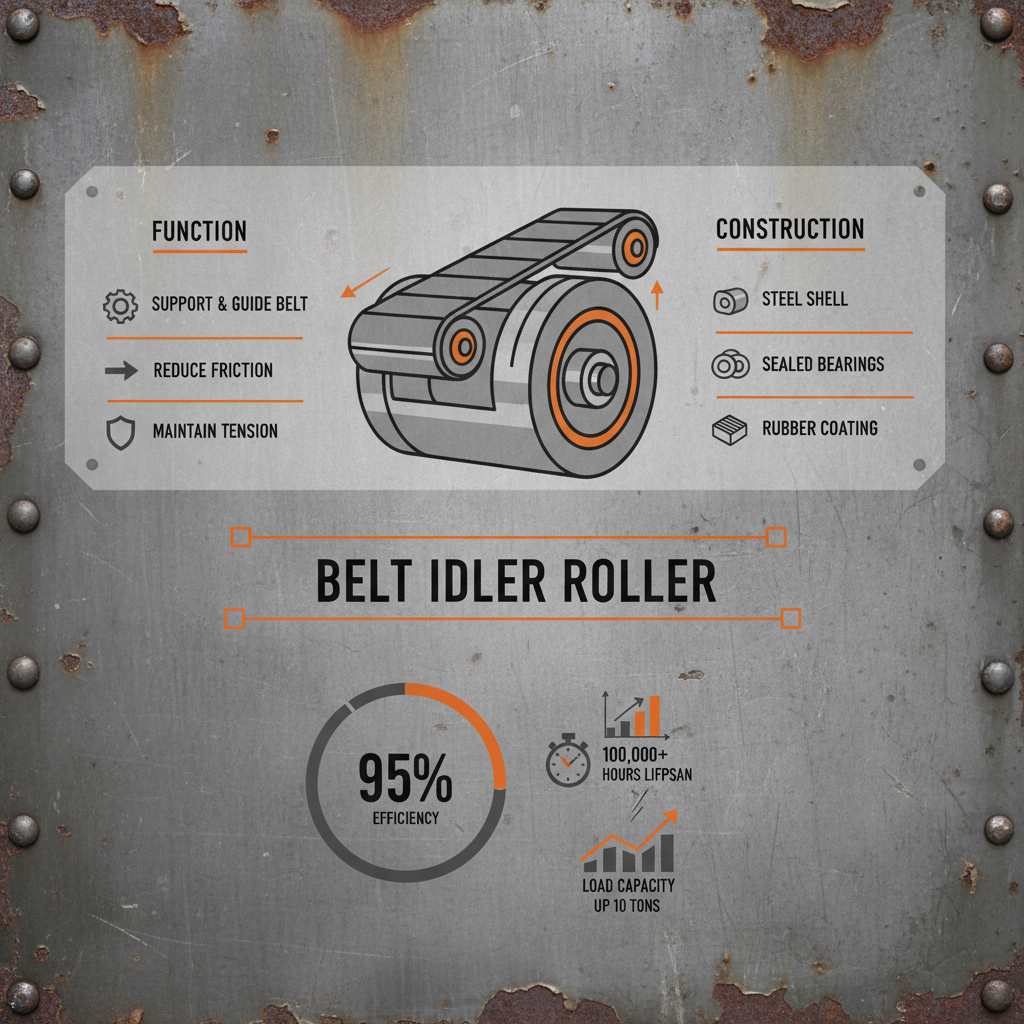
Belt idler rollers are cylindrical supports strategically positioned along the length of a conveyor belt. They serve to distribute the load, prevent belt sagging, and maintain proper belt tracking. Without these components, conveyor systems would be significantly less efficient, more prone to damage, and require more frequent maintenance. The selection of the correct belt idler roller is critical for overall system performance.
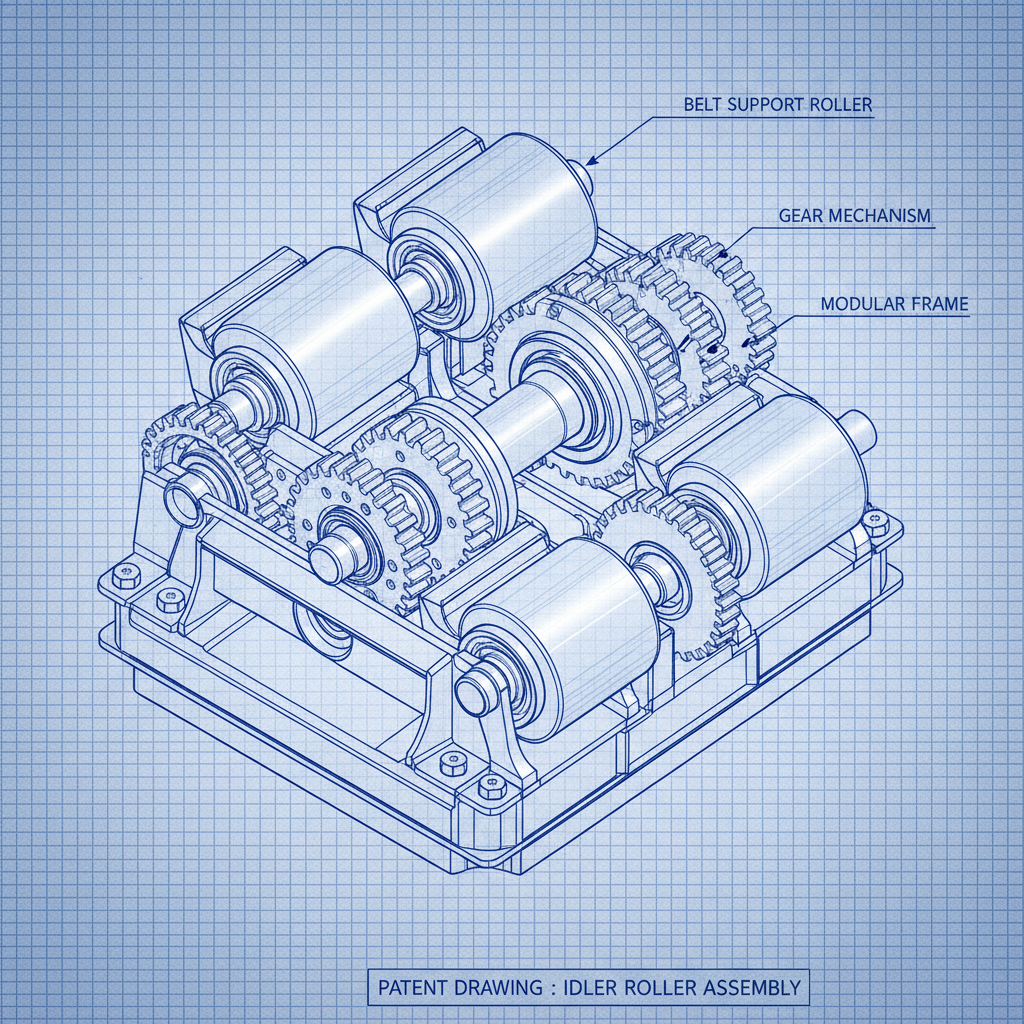
These rollers come in various designs, including carrying idlers, return idlers, and training idlers, each designed for a specific function within the conveyor system. Their construction materials range from steel and cast iron to polymer composites, depending on the application and the materials being conveyed. Effective implementation of these components directly impacts productivity, cost-effectiveness, and the overall lifespan of the conveyor system.
The Global Relevance of belt idler roller
The demand for belt idler rollers is inextricably linked to the growth of global trade and industrial production. As economies expand and manufacturing processes become more complex, the need for efficient material handling systems increases. Conveyor belts, and the belt idler rollers that support them, are essential components in numerous sectors, including mining, agriculture, logistics, and food processing.
According to the United Nations, global trade volume continues to rise, driving the demand for robust and reliable transportation infrastructure. This translates directly into increased investment in conveyor systems and associated components like idler rollers. Furthermore, the World Bank estimates that infrastructure development in emerging economies will require trillions of dollars in investment over the next decade, further fueling the growth of the conveyor belt market.
A key challenge facing the industry is the increasing need for sustainable and environmentally friendly solutions. Traditional manufacturing processes and materials used in belt idler roller production can have significant environmental impacts. Therefore, there's a growing focus on developing rollers using recycled materials and implementing more energy-efficient manufacturing techniques.
Defining the belt idler roller
A belt idler roller is a rotating component used to support and guide a conveyor belt as it moves materials from one location to another. It is strategically placed along the belt’s path to maintain tension, prevent sagging, and ensure smooth operation. Its core function is to reduce friction between the belt and the carried material, minimizing wear and tear and maximizing energy efficiency.
The connection to modern industry is profound. Consider the vast scale of mining operations, where hundreds of tons of ore are transported daily. Or the efficiency of modern distribution centers, relying on conveyor systems to sort and route packages. In each case, the belt idler roller is an invisible workhorse, enabling continuous and reliable material flow. Without these components, modern industrial processes would be drastically slowed, and costs would significantly increase.
These rollers also play a vital role in humanitarian efforts. In disaster relief situations, conveyor systems utilizing robust idler rollers are crucial for rapidly distributing aid, such as food, water, and medical supplies, to affected populations. Their ability to operate in challenging environments and handle large volumes of materials makes them an invaluable asset in emergency response scenarios.
Key Factors of belt idler roller Performance
Durability is paramount. Belt idler rollers are subjected to constant stress and abrasion, particularly in demanding environments. High-quality materials and robust construction are essential to withstand heavy loads, impact forces, and harsh weather conditions.
Load capacity dictates the roller's ability to handle the weight of the conveyed material and the belt itself. Selecting rollers with appropriate load ratings is critical to prevent premature failure and ensure safe operation. The alignment and proper spacing of these rollers are also key for optimal load distribution.
belt idler roller Performance Metrics
Global Applications and Use Cases of belt idler roller
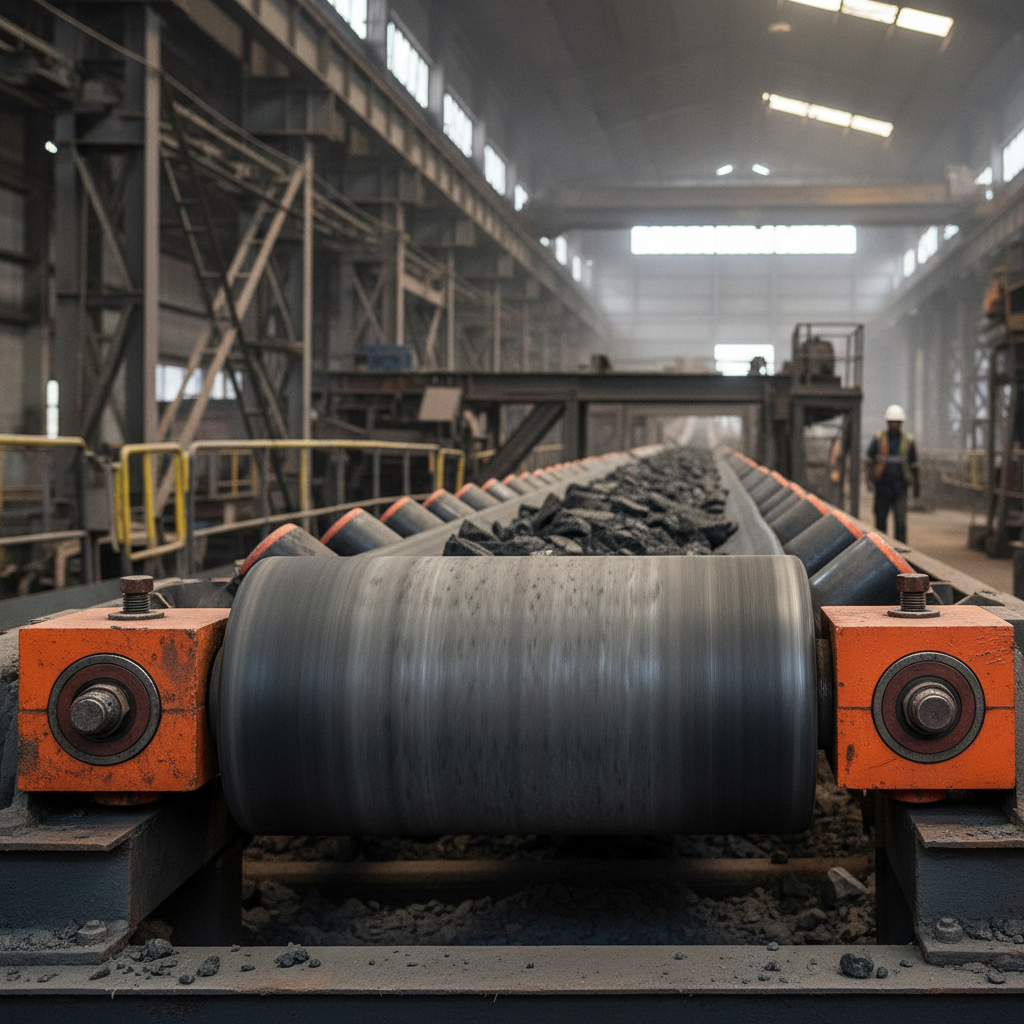
In the mining industry, belt idler rollers are integral to transporting vast quantities of ore, coal, and other materials over long distances. The harsh conditions of mining operations demand extremely durable and reliable rollers capable of withstanding heavy loads and abrasive materials.
Within the agricultural sector, these rollers are used in grain handling systems, fertilizer distribution, and the transport of harvested crops. Precision and reliability are critical in these applications to minimize losses and ensure efficient processing. In post-disaster relief operations, portable conveyor systems with robust rollers are rapidly deployed to distribute essential supplies to affected communities, providing a lifeline for those in need.
Advantages and Long-Term Value of belt idler roller
The cost-effectiveness of implementing high-quality belt idler rollers is substantial. Reduced downtime, minimized maintenance requirements, and increased energy efficiency all contribute to lower overall operating costs. The longevity of well-maintained rollers translates to long-term savings.
From a sustainability perspective, using durable and reliable rollers reduces the need for frequent replacements, lessening the environmental impact associated with manufacturing and disposal. A safer work environment is fostered by preventing belt misalignment and reducing the risk of accidents. Finally, these components foster trust with clients, by demonstrating a commitment to reliable material handling and overall operational efficiency.
Future Trends and Innovations in belt idler roller Technology
The integration of smart sensors into belt idler rollers is a rapidly developing trend. These sensors can monitor roller performance, detect potential failures, and provide real-time data for predictive maintenance. This data-driven approach minimizes downtime and optimizes system efficiency.
Advancements in materials science are also driving innovation. The development of lighter, stronger, and more corrosion-resistant materials will enhance roller performance and lifespan. The adoption of automation and digital twins will also revolutionize the design and maintenance of conveyor systems, leading to even greater efficiency and reliability.
Moreover, there is a growing emphasis on developing eco-friendly belt idler rollers using recycled materials and sustainable manufacturing processes. This aligns with the global push for environmental responsibility and circular economy principles.
Challenges and Solutions in belt idler roller Implementation
A common challenge is roller seizure due to inadequate lubrication or the buildup of debris. Implementing automated lubrication systems and utilizing sealed roller designs can significantly mitigate this issue. Another limitation is the difficulty in accurately diagnosing roller failures, leading to costly and time-consuming inspections.
The solution lies in embracing predictive maintenance strategies powered by sensor data and machine learning algorithms. This enables proactive identification of potential problems and allows for timely interventions before failures occur. Furthermore, standardized monitoring systems, and remote diagnostics can dramatically reduce downtime and maintenance expenses.
Finally, the need for robust training programs for maintenance personnel is critical. Equipped with the proper knowledge and skills, technicians can effectively diagnose and address roller-related issues, ensuring the continued optimal performance of conveyor systems.
Summary of Common belt idler roller Challenges and Solutions
| Challenge |
Impact on Operations |
Proposed Solution |
Implementation Cost (1-10) |
| Roller Seizure |
Reduced Belt Speed, Increased Energy Consumption |
Automated Lubrication System |
6 |
| Premature Wear |
Frequent Replacements, Increased Costs |
Utilize Wear-Resistant Materials |
7 |
| Belt Misalignment |
Uneven Wear, Reduced Efficiency |
Training Idlers, Proper Alignment Procedures |
4 |
| Difficult Diagnosis |
Extended Downtime, Increased Maintenance Costs |
Sensor Integration, Predictive Maintenance |
8 |
| Corrosion |
Reduced Roller Lifespan, System Failure |
Corrosion-Resistant Coatings |
5 |
| Insufficient Training |
Incorrect Maintenance, Increased Risk of Failure |
Comprehensive Training Programs |
3 |
FAQS
The lifespan of a belt idler roller varies greatly depending on the application, operating conditions, and maintenance practices. In relatively clean environments with moderate loads, a roller can last for several years. However, in harsh environments like mining, where exposure to abrasive materials and heavy loads is common, the lifespan might be reduced to months. Regular inspections and proactive maintenance, such as lubrication and bearing replacement, can significantly extend the roller's lifespan.
Belt idler rollers should be inspected regularly, ideally as part of a routine conveyor system maintenance schedule. A visual inspection should be conducted at least monthly, looking for signs of wear, damage, or misalignment. More frequent inspections, such as weekly, may be necessary in demanding applications. It's also crucial to check bearing lubrication and ensure proper rotation. Early detection of issues can prevent costly downtime and failures.
Several factors can contribute to belt idler roller failure. These include bearing failure due to inadequate lubrication or contamination, excessive loading, impact damage from materials, corrosion from harsh environments, and misalignment. Seizure of the roller, often caused by a lack of lubrication or debris buildup, is also a common issue. Proper maintenance and the selection of appropriate rollers for the application are key to preventing these failures.
Selecting the correct roller type depends on several factors. Consider the materials being conveyed, the operating environment, the belt speed, and the load capacity requirements. Carrying idlers support the loaded side of the belt, return idlers support the empty side, and training idlers are used to correct belt misalignment. The roller's diameter, material, and bearing type should also be chosen to suit the specific application.
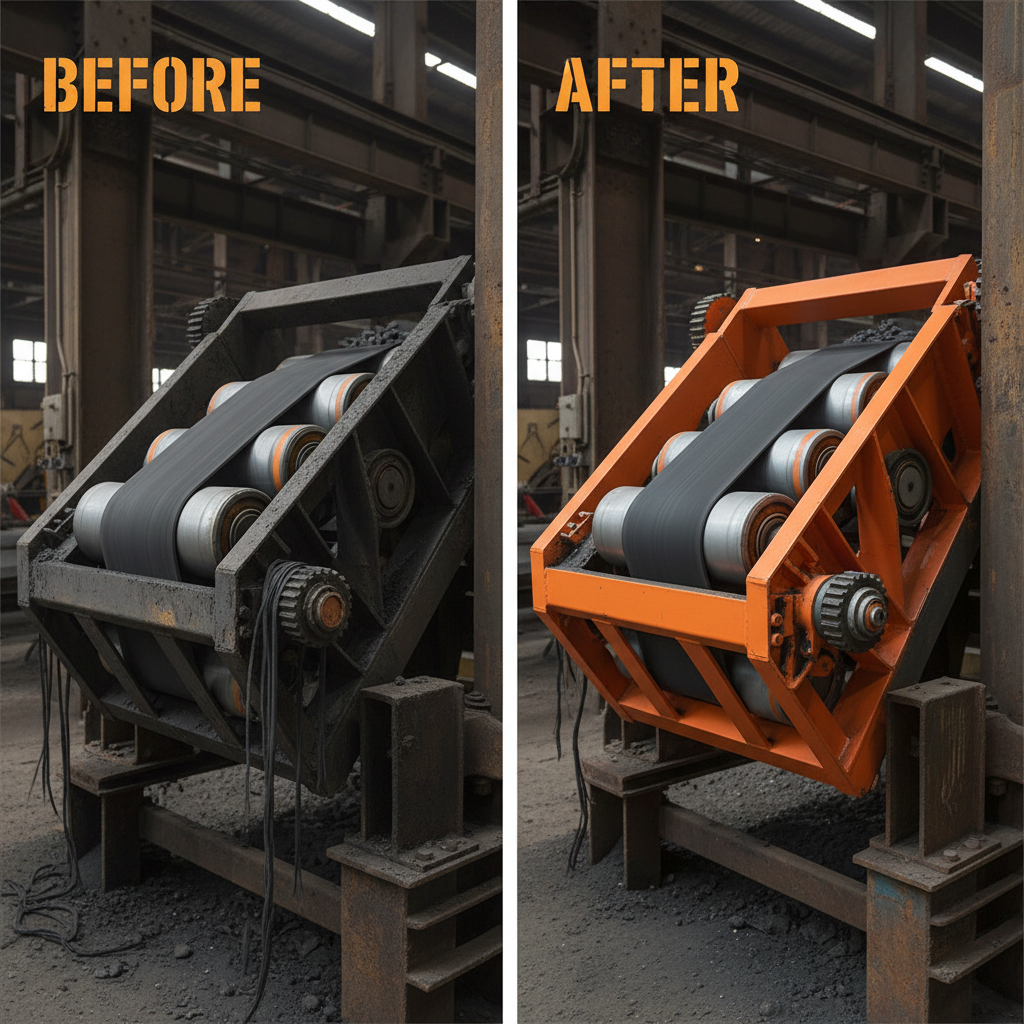
Regular maintenance is essential for maximizing the lifespan of belt idler rollers. This includes lubrication of bearings, inspection for wear and damage, alignment checks, and cleaning to remove debris buildup. Replacing worn bearings or damaged rollers promptly is also crucial. Utilizing automated lubrication systems can simplify maintenance and ensure consistent lubrication.
Yes, increasingly, manufacturers are offering eco-friendly belt idler rollers. These options include rollers made from recycled materials, those with extended lifespans to reduce replacement frequency, and rollers designed for reduced energy consumption. Additionally, the use of biodegradable lubricants and sustainable manufacturing processes are gaining traction within the industry, contributing to a more environmentally responsible approach.
Conclusion
In conclusion, belt idler rollers are far more than simple supporting components; they are fundamental to the efficiency, reliability, and safety of countless industrial processes. From global supply chains to essential humanitarian operations, these often-overlooked elements are vital for ensuring smooth material flow. Understanding their function, types, proper maintenance, and emerging trends is crucial for maximizing productivity and minimizing operational costs.
Looking ahead, the integration of smart technologies, advancements in materials science, and a growing emphasis on sustainability will continue to drive innovation in belt idler roller design and performance. Investing in high-quality rollers and implementing proactive maintenance strategies is not just a cost-saving measure; it's a commitment to operational excellence and responsible resource management.