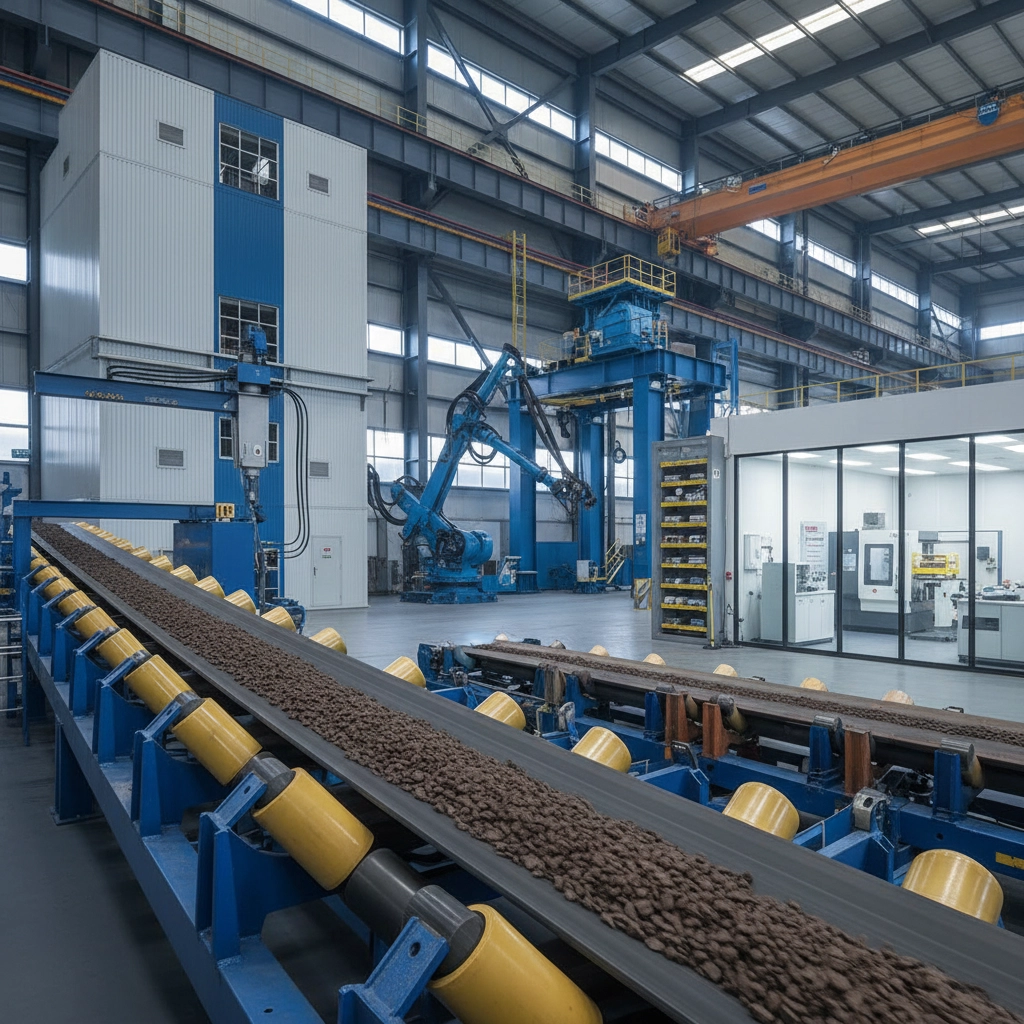
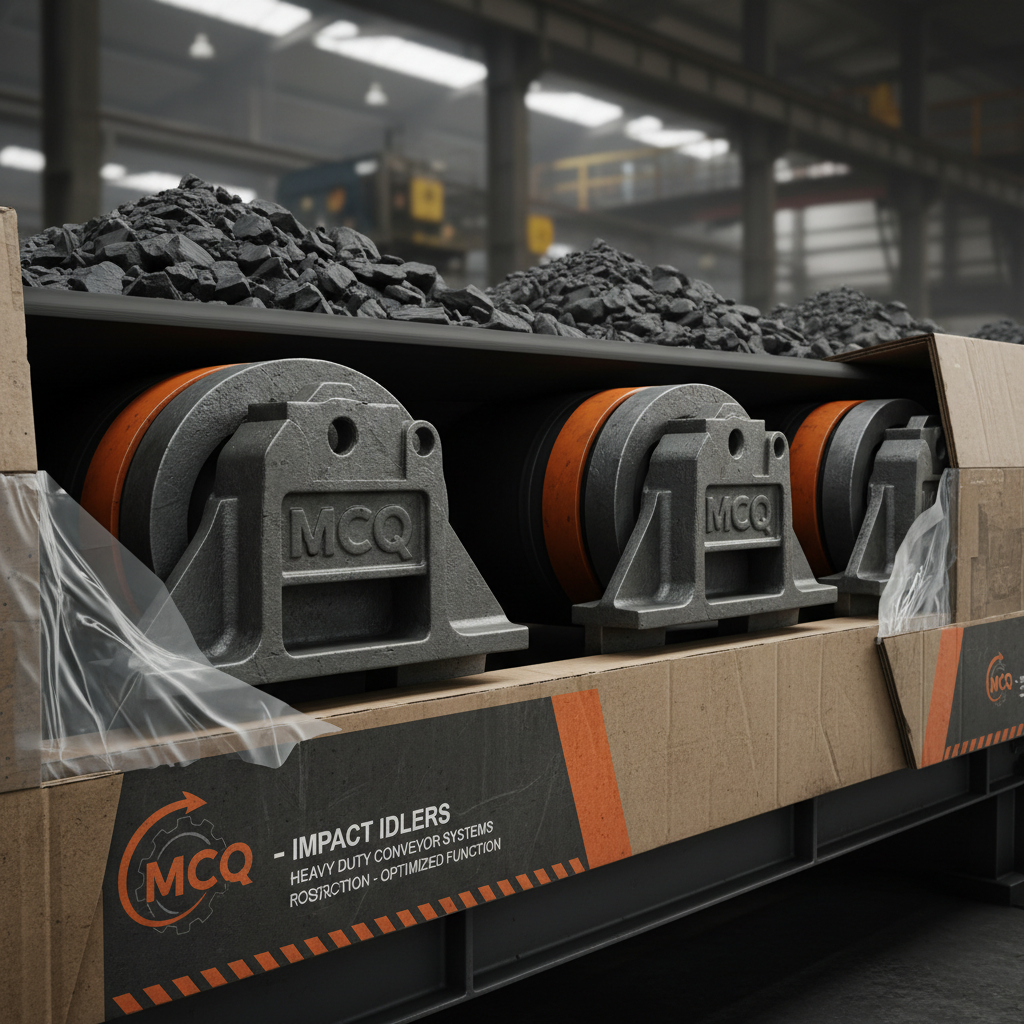
In the demanding world of bulk material handling, the efficiency of a conveyor system often hinges on the smallest components. trough idler rollers serve as the critical support structure that shapes the conveyor belt into a trough, significantly increasing the volume of material that can be transported while preventing costly spillage. Understanding the nuances of these rollers is essential for any operation looking to optimize throughput and reduce operational downtime.
From massive mining operations in Australia to sophisticated manufacturing plants in Germany, the implementation of high-quality troughing sets is a global standard for industrial productivity. By reducing friction and providing a stable cradle for the belt, these rollers ensure that heavy loads are distributed evenly, preventing premature belt wear and extending the lifecycle of the entire conveyor assembly.
However, the challenge lies in selecting the right configuration for specific environmental stressors—be it corrosive chemicals, extreme temperatures, or abrasive ores. This guide explores the technical depths of trough idler rollers, offering insights into their design, application, and the innovative trends shaping the future of material transport.
Global Industrial Relevance of Trough Idler Rollers
The global demand for efficient raw material transport has reached unprecedented levels, driven by the growth of infrastructure and energy sectors. According to international industrial standards, the optimization of conveyor components like trough idler rollers is paramount to reducing the energy footprint of mining and quarrying operations. When these rollers fail or are improperly aligned, the resulting friction increases energy consumption and leads to significant material loss.
In regions like the Asia-Pacific and Latin America, where massive ore deposits are extracted, the reliability of troughing idlers determines the daily tonnage capacity of an entire site. The industry faces a constant battle against abrasive dust and moisture, which can seize bearings and warp shells, making the choice of materials for these rollers a strategic business decision rather than a simple procurement task.
Technical Definition and Functional Role
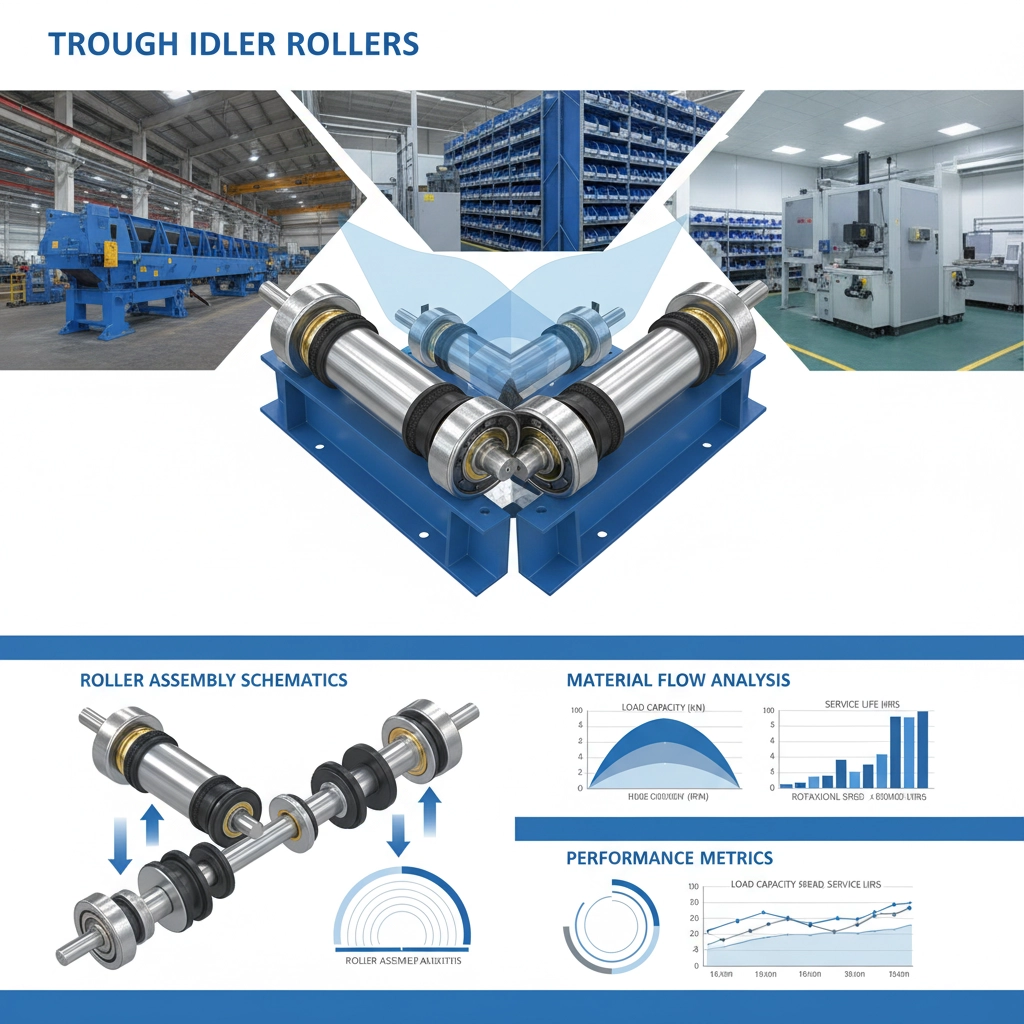
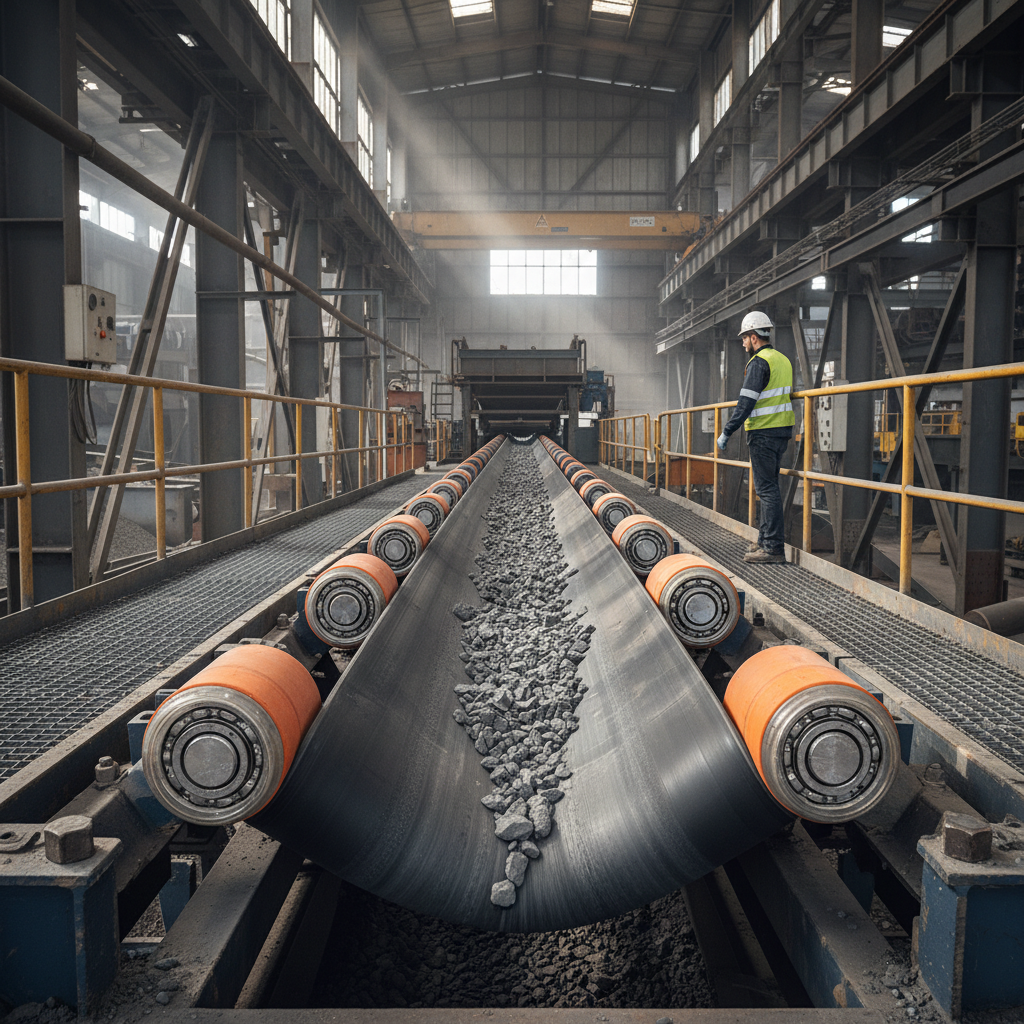
In simple engineering terms, trough idler rollers are a set of three or more rollers arranged in a V-shape or trough configuration to support the conveyor belt. This specific geometry allows the belt to carry bulk materials—such as coal, iron ore, or grain—in a centered, concave channel. By preventing the material from sliding off the edges, these rollers maximize the load capacity of the belt and ensure a stable flow of materials over long distances.
Beyond simple support, these rollers play a vital role in belt tension management and tracking. A properly functioning troughing set reduces the rolling resistance of the belt, which directly translates to lower motor load and reduced electrical costs. This intersection of mechanical geometry and physics is what allows modern industries to move thousands of tons of material per hour with minimal human intervention.
From a humanitarian and safety perspective, the reliability of these components is non-negotiable. A belt failure caused by a seized idler can lead to catastrophic material spills or structural collapses in underground mines. Therefore, the evolution of trough idler rollers has moved toward "fail-safe" designs that offer predictable wear patterns and easier replacement cycles.
Core Design Factors for Maximum Durability
The longevity of trough idler rollers is primarily dictated by the quality of the shell material and the precision of the bearing housing. High-grade carbon steel, stainless steel, or HDPE (High-Density Polyethylene) are commonly used depending on the environment. For instance, in highly corrosive chemical plants, HDPE rollers are preferred to avoid oxidation and reduce the overall weight of the system.
Scalability and load-bearing capacity are equally critical. The trough angle—typically ranging from 20 to 45 degrees—must be meticulously calculated based on the material's angle of repose. If the angle is too shallow, spillage increases; if it is too steep, it puts excessive stress on the belt edges, leading to premature longitudinal cracking.
Finally, the sealing system is the unsung hero of trough idler rollers. Labyrinth seals and reinforced rubber gaskets prevent the ingress of fine particulates and water into the bearings. Without superior sealing, even the strongest steel roller will fail prematurely due to internal abrasion, leading to increased downtime and maintenance costs.
Comparative Performance Analysis of Idler Types
When evaluating different configurations of trough idler rollers, engineers must balance the trade-off between initial investment and long-term maintenance. Steel rollers offer unmatched strength for heavy-duty mining, while polymer rollers provide superior corrosion resistance and lower noise levels. The choice often depends on the specific "wear-per-ton" metric a company aims to achieve.
Furthermore, the integration of impact idlers at loading points complements the standard troughing sets, protecting the belt from the shock of falling material. By comparing the performance of standard troughing rollers against reinforced versions, it becomes clear that investing in premium materials reduces the Total Cost of Ownership (TCO) by extending the mean time between failures (MTBF).
Performance Rating of Trough Idler Rollers Configurations
Global Applications Across Heavy Industries
The application of trough idler rollers spans across diverse sectors. In the mining industry of Western Australia and Chile, these rollers are deployed in kilometer-long conveyors to move copper and iron ore from pits to ports. In these extreme environments, the rollers must withstand intense UV radiation and abrasive dust, requiring specialized coatings and reinforced shells.
Beyond mining, the agricultural sector in the US Midwest utilizes these rollers for the bulk transport of grains and soy. Here, the focus shifts toward food-grade materials and moisture resistance to prevent rust during seasonal humidity spikes. Similarly, in cement plants and power stations, trough idler rollers handle abrasive clinker and coal, where heat resistance becomes a primary design requirement.
Long-term Value and Operational Reliability
Investing in premium trough idler rollers provides a tangible return on investment through reduced energy consumption. A roller with low rolling resistance minimizes the torque required from the drive pulley, leading to significant electricity savings over a year of 24/7 operation. This logical approach to procurement transforms a commodity purchase into a strategic operational upgrade.
From an emotional and safety standpoint, reliability breeds trust. When maintenance crews know that their idlers are built to ISO standards and utilize high-quality bearings, the anxiety surrounding unplanned shutdowns vanishes. This stability allows plant managers to focus on production goals rather than constant crisis management, enhancing the overall dignity and safety of the working environment.
Furthermore, the sustainability angle cannot be ignored. High-durability rollers mean fewer replacements, which reduces the amount of scrap steel and plastic entering landfills. By extending the lifecycle of trough idler rollers, companies align their operational goals with global ESG (Environmental, Social, and Governance) mandates, proving that industrial efficiency and ecology can coexist.
Future Trends in Smart Conveying Technology
The future of trough idler rollers is inextricably linked to the Industrial Internet of Things (IIoT). We are seeing the emergence of "smart idlers" equipped with embedded vibration sensors and temperature probes. These sensors can detect the early stages of bearing failure or belt misalignment, sending real-time alerts to a central control room before a catastrophic failure occurs.
Material science is also evolving, with the introduction of nano-composite coatings that virtually eliminate friction and resist corrosion better than traditional galvanization. These innovations are paving the way for "zero-maintenance" conveyor sections, where the trough idler rollers are designed to last the entire lifespan of the conveyor belt itself.
As automation increases, the integration of automatic cleaning systems for rollers will become standard, preventing material build-up (carry-back) that often causes belt mistracking. This digital transformation ensures that the humble idler roller remains at the heart of the global logistics chain, evolving from a passive support component into an active data point in the smart factory.
Analysis of Trough Idler Rollers Material and Application Suitability
| Material Type |
Wear Resistance |
Corrosion Level |
Ideal Industry |
| Carbon Steel |
High |
Medium |
General Mining |
| Stainless Steel |
Medium |
Very Low |
Chemical Processing |
| HDPE Polymer |
Medium |
None |
Food & Agriculture |
| Ceramic Coated |
Extreme |
Low |
Abrasive Ore Mining |
| Rubber Lagged |
Medium |
Medium |
High-Impact Loading |
| Galvanized Steel |
High |
Low |
Outdoor Quarrying |
FAQS
The optimal angle depends on the material's angle of repose. For most bulk materials, 20° is standard for lower speeds, while 35° or 45° is preferred for high-capacity transport to prevent spillage. Selecting the wrong angle for your trough idler rollers can lead to belt stress or significant material loss along the conveyor line.
In heavy-duty mining, a monthly visual inspection is recommended, with a detailed acoustic or thermal check every quarter. Look for signs of shell wear, abnormal noise (indicating bearing failure), or belt mistracking. Early detection of a seized roller prevents belt tears and costly emergency shutdowns.
Yes, it is common practice. For example, you would use impact idlers at the loading zone and standard steel trough idler rollers along the carry run. However, ensure that the diameters remain consistent to avoid creating "bumps" in the belt profile, which can cause material bounce and spillage.
The most common causes are contamination (dust/water entering the bearings), overloading beyond the rated capacity, and improper alignment. Using rollers with inferior sealing in a dusty environment is a primary driver of premature failure, making high-quality labyrinth seals a critical requirement.
Polymer rollers have lower absolute load capacities than steel, but they offer better impact absorption and zero corrosion. For extreme heavy loads, steel is necessary. For corrosive or light-to-medium duty applications, polymer rollers often last longer because they don't rust or seize due to oxidation.
Noise is typically caused by metal-on-metal contact or bearing wear. Switching to HDPE rollers or utilizing precision-engineered bearings with high-quality lubricants can significantly reduce decibel levels. Regular alignment checks also ensure the belt isn't rubbing against the roller frames.
Conclusion
In summary, trough idler rollers are far more than simple support cylinders; they are the engineered foundation of any successful bulk material handling system. By optimizing trough angles, selecting the appropriate shell materials, and ensuring superior bearing protection, industries can drastically reduce energy costs, enhance worker safety, and maximize the operational lifespan of their conveyor belts.
Looking forward, the integration of smart sensing and advanced composites will redefine the efficiency of these components. We suggest that operators move toward a predictive maintenance model, utilizing the data from modern idler designs to eliminate unplanned downtime. For those seeking to upgrade their current infrastructure with industry-leading reliability, visit our website: www.idleraohua.com