In the complex world of bulk material handling, the role of a reliable troughing idlers manufacturer is pivotal to maintaining operational efficiency. These specialized components are engineered to support the conveyor belt in a trough-like shape, which significantly increases the cross-sectional area for material carriage and prevents spillage during high-speed transport. Understanding the nuances of idler design allows plant managers to optimize throughput and reduce costly downtime.
From a global industrial perspective, the demand for precision-engineered conveyor components has surged as mining and quarrying operations push into more challenging environments. A professional troughing idlers manufacturer does more than just bend steel; they provide a critical intersection of metallurgy, mechanical engineering, and friction science to ensure that belts remain centered and loads remain secure.
Investing in high-quality troughing solutions is not merely an equipment upgrade but a strategic move toward sustainability and safety. By reducing friction and belt wear, a top-tier troughing idlers manufacturer helps industries lower their energy consumption and minimize the environmental impact associated with material waste and frequent component replacement.
The Strategic Importance of a Troughing Idlers Manufacturer
Choosing a qualified troughing idlers manufacturer is the cornerstone of any robust conveyor system. The ability to maintain a consistent trough angle—typically 20, 35, or 45 degrees—determines the volume of material the belt can carry without spilling. Precision manufacturing ensures that the rollers are perfectly aligned, reducing the risk of belt mistracking and premature wear on the belt edges.
Furthermore, a seasoned manufacturer integrates advanced materials like high-density polyethylene (HDPE) or reinforced steel to combat the abrasive nature of ores and aggregates. This strategic focus on material science allows industrial operators to extend the mean time between failures (MTBF), directly impacting the bottom line by reducing emergency maintenance costs and improving overall site safety.
Technical Definitions and Industrial Relevance
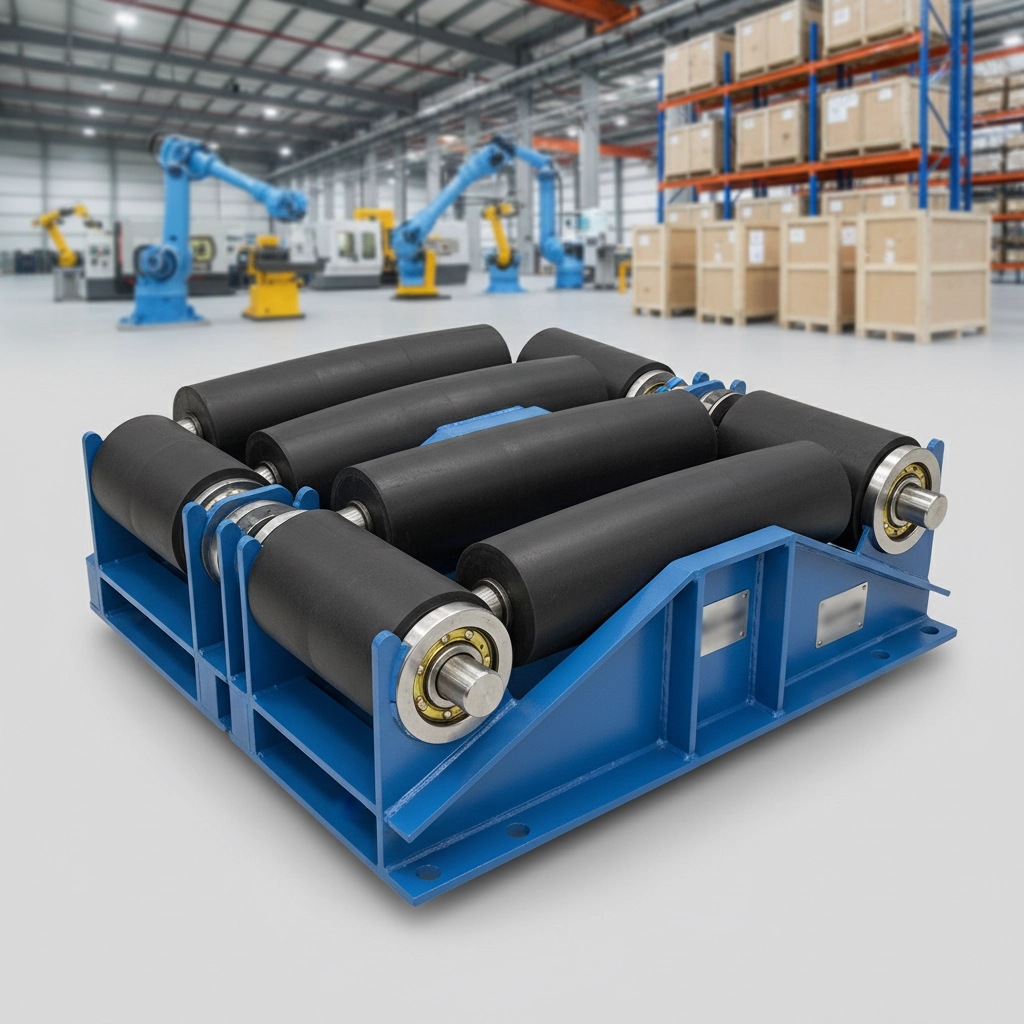
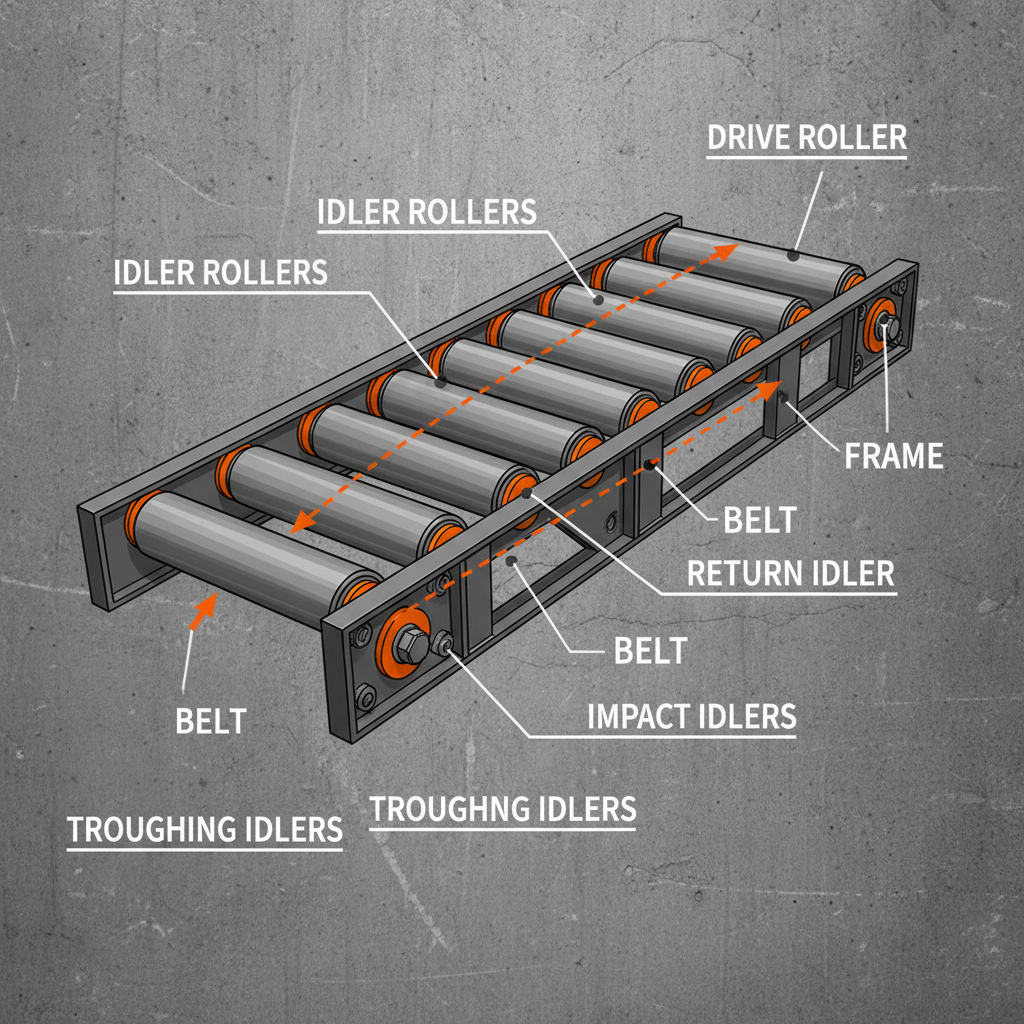
In simple terms, a troughing idlers manufacturer produces sets of rollers (usually three) mounted in a frame, where the outer rollers are angled to form a "U" or "V" shape. This geometry is essential for transporting bulk materials like coal, iron ore, and grain, as it centers the load and prevents the material from sliding off the sides of the belt during transit.
The industrial relevance of these components extends to the very heart of global logistics. According to ISO standards for conveyor equipment, the precision of the roller diameter and the stability of the bearing housing are critical for energy efficiency. By minimizing rolling resistance, a high-quality manufacturer helps reduce the kilowatt-hours required to move thousands of tons of material per hour.
Modern humanitarian and infrastructure projects, such as the construction of remote hydroelectric dams or large-scale irrigation systems, rely heavily on these components. The ability of a troughing idlers manufacturer to provide modular, easy-to-install units allows for rapid deployment in regions where skilled labor may be scarce, ensuring critical resources reach their destination.
Core Components of High-Performance Idlers
The durability of a product from a troughing idlers manufacturer begins with the roller shell. Utilizing precision-welded steel tubes or high-impact polymers ensures that the shell can withstand the crushing weight of the load while resisting the corrosive effects of moisture and chemicals.
Scalability and adaptability are equally important. A leading troughing idlers manufacturer designs frames that can be adjusted for different troughing angles, allowing a single conveyor line to be reconfigured as the material density or volume changes over the lifecycle of a mine.
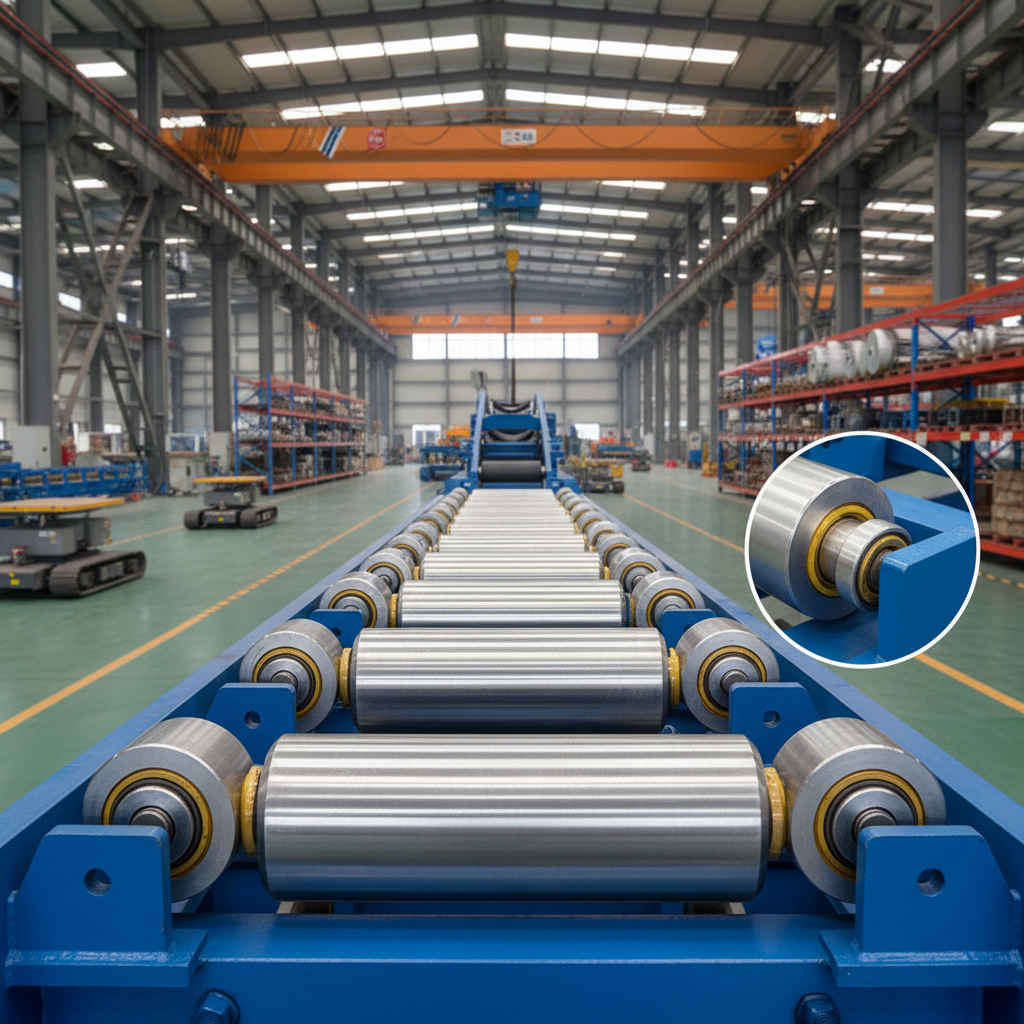
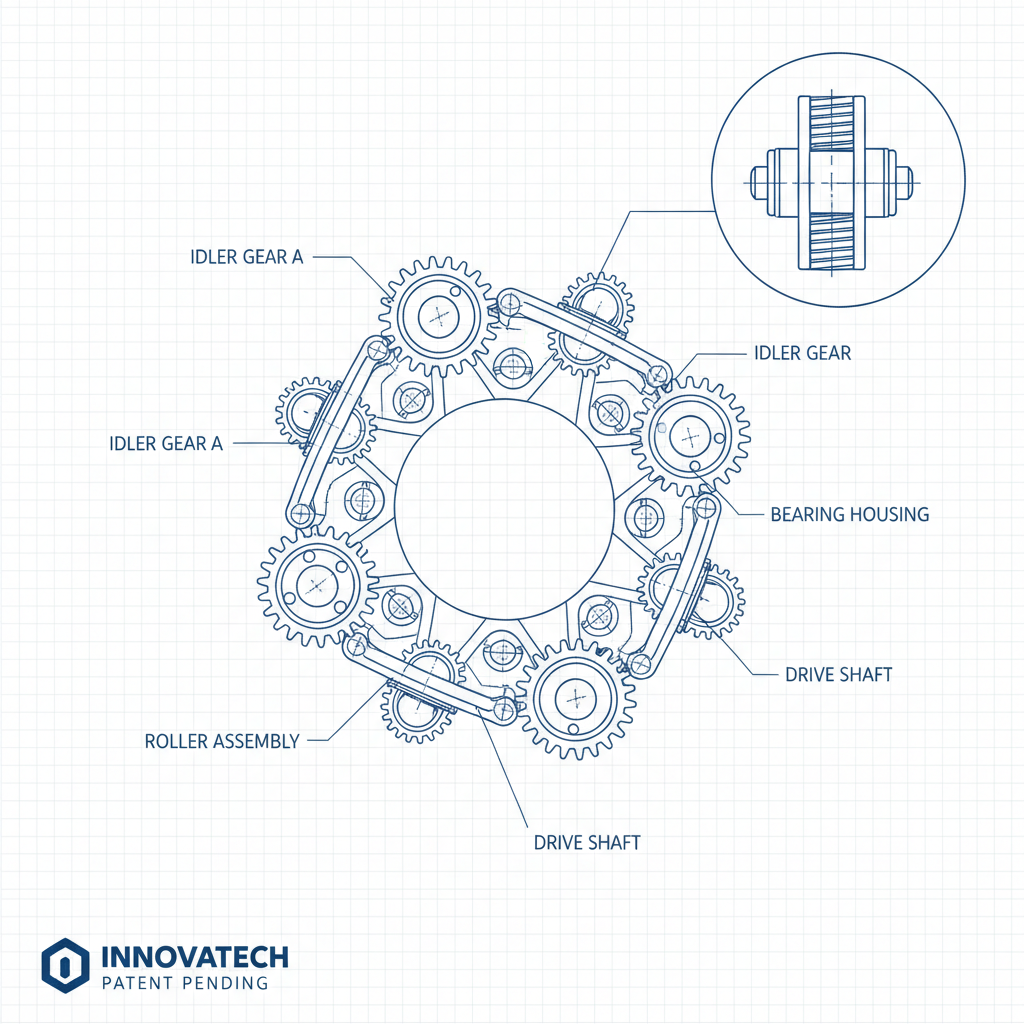
Finally, the internal bearing assembly and sealing system represent the "heart" of the idler. By utilizing multi-labyrinth seals, a troughing idlers manufacturer ensures that dust and water are kept out of the lubricants, preventing premature seizure and maintaining a smooth rotation even in the harshest environmental conditions.
Global Applications Across Heavy Industries
The application of solutions from a troughing idlers manufacturer is ubiquitous in heavy industry. In the mining sectors of Australia and Brazil, these idlers are the backbone of kilometers-long overland conveyors that transport iron ore from pits to ports. In these remote industrial zones, the reliability of the idlers determines whether a facility operates at 90% or 60% capacity.
Beyond mining, the agricultural sector in North America and Europe utilizes specialized troughing idlers for grain handling and fertilizer transport. These applications require a focus on hygiene and corrosion resistance, often necessitating galvanized coatings or stainless steel options provided by a versatile troughing idlers manufacturer to prevent contamination of food-grade products.
Comparative Performance Analysis of Troughing Idler Design
Long-Term Value and Operational Advantages
The long-term value provided by a premium troughing idlers manufacturer manifests in significantly lower Total Cost of Ownership (TCO). While cheaper alternatives may seem attractive initially, they often lead to increased belt wear and higher energy costs due to uneven roller rotation. High-precision idlers ensure a smooth "bed" for the belt, extending the life of the belt fabric and rubber cover.
From a safety and psychological perspective, reliability brings peace of mind to site engineers. Knowing that the conveyor system is supported by components from a trusted troughing idlers manufacturer reduces the stress of unplanned outages and the danger associated with emergency repairs in high-risk areas. This reliability builds trust between the operator and the maintenance crew, fostering a culture of proactive rather than reactive management.
Future Innovations in Conveyor Support Technology
The future of the troughing idlers manufacturer landscape is being shaped by the digital transformation. We are seeing the rise of "Smart Idlers" equipped with embedded sensors that monitor vibration, temperature, and rotation speed in real-time. These IoT-enabled components allow for predictive maintenance, alerting operators to a failing bearing weeks before it causes a belt tear.
Sustainability is also driving material innovation. Manufacturers are now experimenting with biodegradable polymers and recycled alloys to reduce the carbon footprint of conveyor systems. By integrating green energy principles into the production process, a forward-thinking troughing idlers manufacturer is helping the industry move toward a circular economy.
Automation in the assembly process is further enhancing precision. Robotic welding and automated quality control systems ensure that every roller produced meets tight tolerances, eliminating the human error that historically led to belt misalignment. As these technologies mature, the efficiency of bulk material transport will reach unprecedented levels.
Overcoming Common Challenges in Idler Selection
One of the most common challenges faced by operators is choosing the wrong troughing angle. A too-shallow angle leads to material spillage, while an overly steep angle can cause the belt to "pinch" and wear prematurely. A consultative troughing idlers manufacturer provides engineering support to calculate the optimal angle based on the material's angle of repose and the belt's tension.
Another significant hurdle is the impact of harsh environmental contaminants. In salt mines or chemical plants, standard steel idlers corrode rapidly. The solution lies in selecting a troughing idlers manufacturer that offers advanced coatings, such as epoxy resins or specialized galvanization, which create an impermeable barrier against corrosive agents.
Lastly, the problem of "frozen" rollers—where bearings seize due to debris—can be solved through the implementation of superior sealing technology. By switching to a manufacturer that utilizes multi-stage sealing and high-grade synthetic lubricants, plants can drastically reduce the frequency of manual inspections and the risk of belt friction fires.
Analysis of Idler Material Performance by Industrial Environment
| Material Type |
Corrosion Resistance |
Wear Life (Years) |
Cost Efficiency |
| Carbon Steel |
Low |
2-3 |
High (Initial) |
| Galvanized Steel |
Medium |
4-6 |
Medium |
| HDPE Polymer |
High |
3-5 |
High (Maintenance) |
| Stainless Steel |
Very High |
8-12 |
Low (Initial) |
| Ceramic Lined |
High |
10-15 |
Medium (Long-term) |
| Composite Alloy |
Medium-High |
6-9 |
Medium |
FAQS
The choice depends on the material's properties and the required capacity. A 20° angle is common for light-duty applications, while 35° or 45° are used for heavier loads to maximize volume. A professional troughing idlers manufacturer will typically analyze your material's "angle of repose" to suggest the most efficient configuration to prevent spillage and belt wear.
Troughing idlers are designed for the "carrying" section of the belt to maintain shape and support the load. Impact idlers, often featuring rubber discs, are placed at loading points to absorb the shock of falling material, protecting the belt from punctures. Both are critical, but they serve entirely different mechanical purposes within the system.
Replacement cycles vary by environment. In highly abrasive mining conditions, idlers may need replacing every 2-3 years. In cleaner agricultural settings, they can last over a decade. We recommend a quarterly inspection for "frozen" rollers or audible noise, as replacing a single failed idler is much cheaper than replacing a torn belt.
Not necessarily. While HDPE is excellent for corrosion resistance and noise reduction, steel rollers offer superior load-bearing capacity for extremely heavy ores. A reputable troughing idlers manufacturer will help you balance the need for durability against the need for weight reduction and corrosion protection based on your specific tonnage.
The primary culprits are contamination of the bearings (dust/water), misalignment of the conveyor frame, and overloading beyond the design specifications. Using idlers with multi-labyrinth seals from a high-end manufacturer significantly reduces failure rates by keeping lubricants pure and contaminants out.
Yes, most professional manufacturers offer customized engineering. Whether you require unique troughing angles, specialized materials for chemical resistance, or specific mounting brackets for existing infrastructure, a custom solution ensures seamless integration and optimal belt performance without requiring a full system overhaul.
Conclusion
In summary, the selection of a troughing idlers manufacturer is a decision that impacts every facet of a bulk handling operation, from initial energy consumption and material throughput to long-term maintenance costs and site safety. By focusing on precision engineering, advanced material science, and a deep understanding of industrial application, the right partner transforms a simple conveyor component into a strategic asset that ensures operational continuity.
Looking forward, the integration of smart monitoring and sustainable materials will redefine the industry. Operators who embrace these innovations today—by partnering with forward-thinking manufacturers—will gain a significant competitive edge in efficiency and environmental stewardship. We encourage you to evaluate your current conveyor health and upgrade to precision-engineered solutions to future-proof your production line. Visit our website: www.idleraohua.com