In the demanding world of bulk material handling, the stability of a conveyor belt is paramount to operational efficiency. The return training idler serves as a critical corrective component designed to prevent belt misalignment on the return journey, ensuring that the belt remains centered and reduces the risk of costly edge damage or material spillage.
Understanding the mechanics of belt tracking is essential for any facility manager looking to minimize downtime. By utilizing a high-quality return training idler, industries can automatically adjust the belt's path without manual intervention, effectively tackling the common challenge of "belt wander" that plagues long-distance conveyor systems.
Globally, the adoption of precision-engineered training rollers has shifted from being a luxury to a necessity. This guide explores how the return training idler enhances system longevity, reduces labor costs associated with manual tracking, and contributes to a safer working environment by eliminating the need for operators to make frequent adjustments near moving parts.
Global Importance of Return Training Idlers
The global logistics and mining sectors rely heavily on conveyor systems that operate 24/7. According to ISO standards for conveyor reliability, belt misalignment is one of the primary causes of unplanned downtime. The implementation of a return training idler is a global industry standard to mitigate these risks, ensuring that materials are transported efficiently from extraction points to processing plants without interruption.
In regions with extreme climates, such as the mines of Australia or the industrial hubs of Northern Europe, the stability offered by these idlers is crucial. The mechanical stress caused by temperature fluctuations can cause belts to shift; however, a robust return training idler provides the dynamic correction needed to maintain a straight path, thereby protecting the belt edges from rubbing against the structure.
Technical Definition and Functional Mechanism
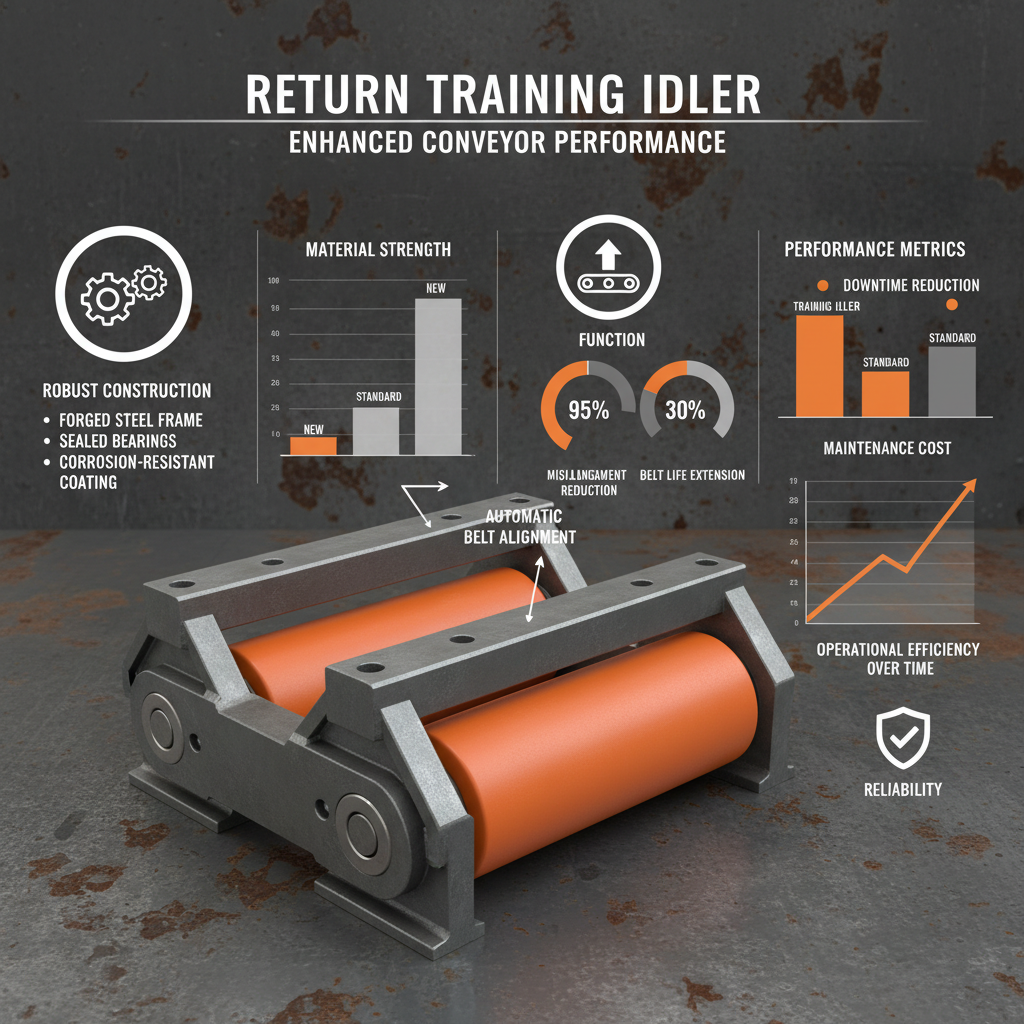
A return training idler is a specialized conveyor roller designed to automatically center the belt on its return run (the empty side of the conveyor). Unlike standard fixed idlers, these training rollers are typically pivoted or designed to pivot when the belt shifts laterally. When the belt moves off-center, it contacts the training roller, which pivots to create an angle that gently steers the belt back toward the center line.
This mechanism is deeply connected to the need for autonomous industrial maintenance. In modern "smart factories," reducing the need for human intervention in hazardous areas is a priority. By installing a return training idler, companies transition from reactive maintenance (fixing the belt after it has slipped) to proactive, self-correcting system architecture.
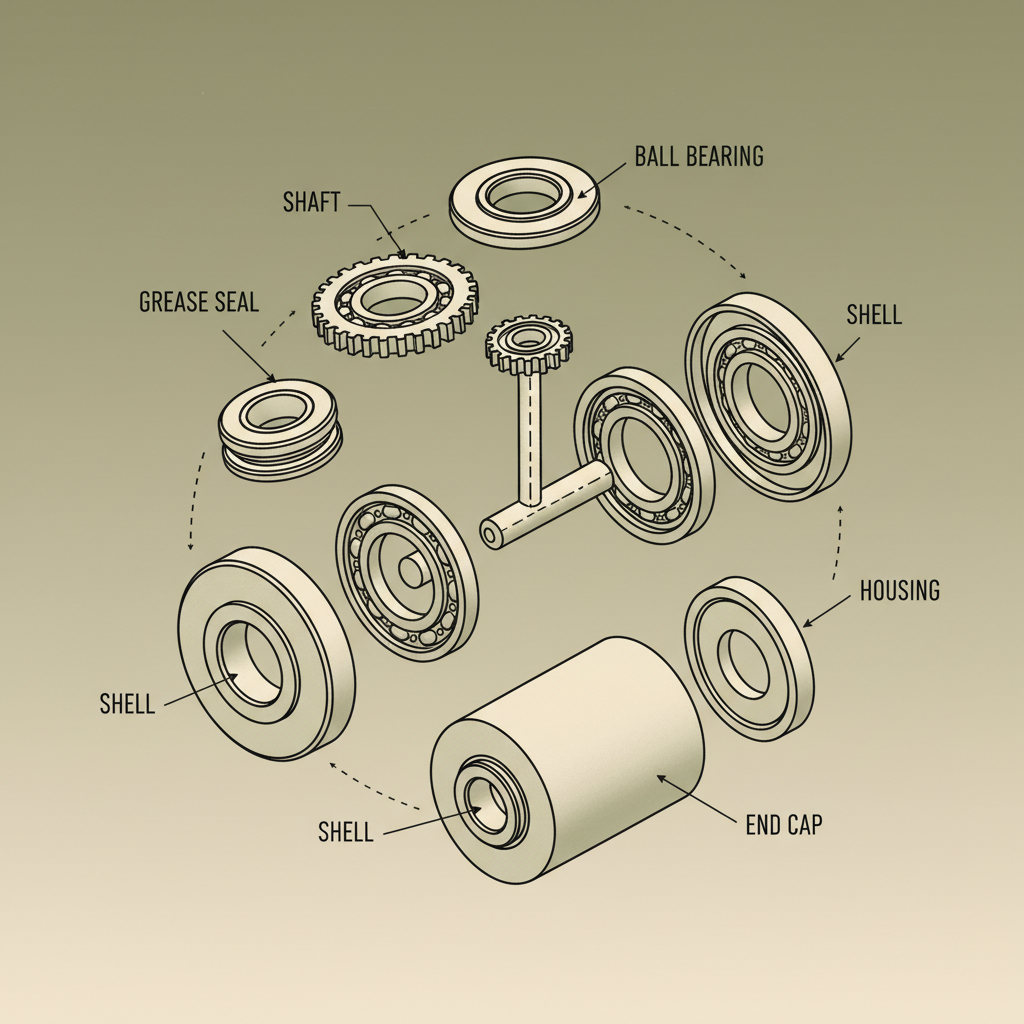
The effectiveness of this component depends on its ability to respond to the belt's tension and speed. A well-engineered return training idler uses high-precision bearings and durable shells to ensure that the pivoting action remains fluid over millions of cycles, preventing the "stick-slip" phenomenon that can cause erratic belt movement.
Core Components and Design Factors
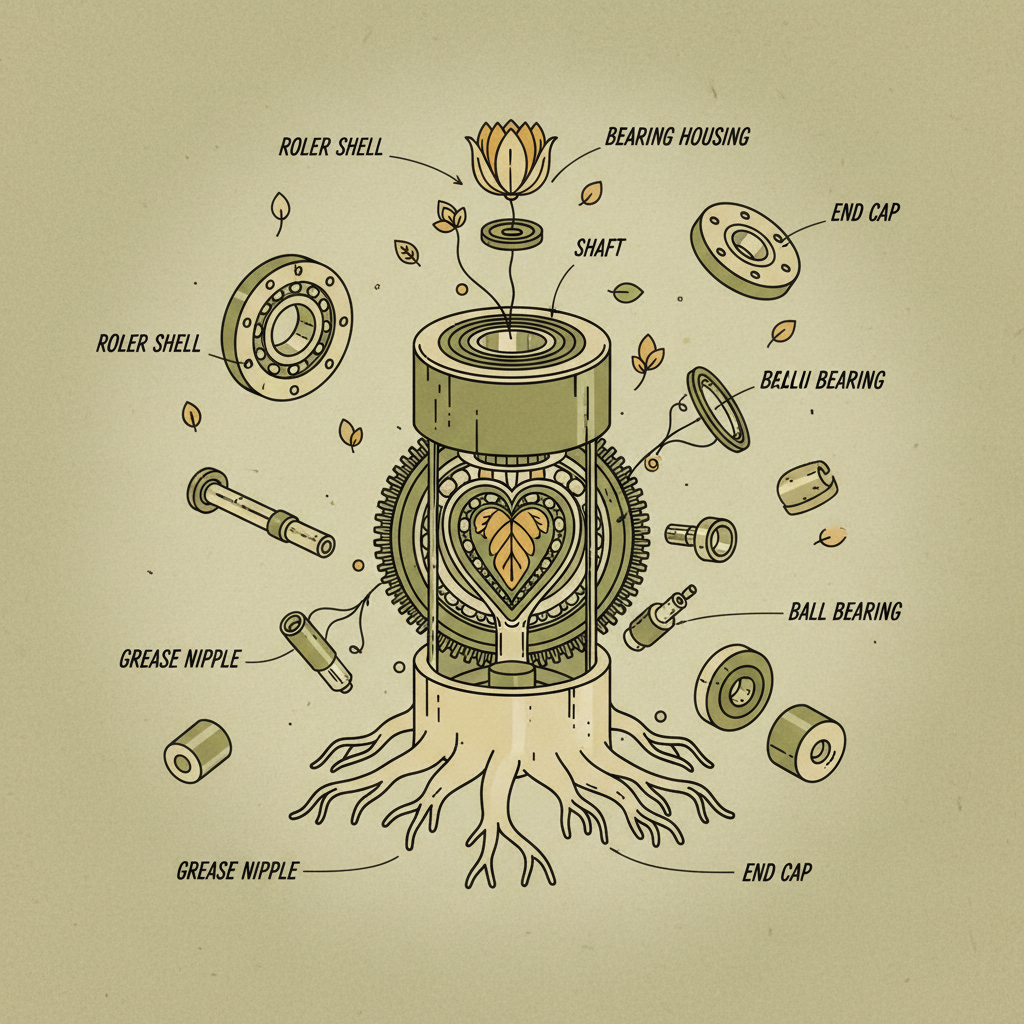
The durability of a return training idler starts with its material selection. High-grade steel or reinforced polymers are used for the shell to resist abrasion from return-trip debris. The internal bearing housing must be sealed against dust and moisture, as any contamination can seize the roller and turn a training device into a friction point that damages the belt.
Scalability and adjustability are also key. A professional return training idler often features a modular bracket system, allowing it to be integrated into various frame widths. This ensures that whether the conveyor is a lightweight packaging line or a heavy-duty mining belt, the training mechanism can be scaled to handle the specific load and tension of the system.
Finally, cost efficiency is realized through the reduction of belt wear. When a return training idler prevents edge fraying, it extends the life of the entire belt by years. This logical investment in a high-quality component outweighs the initial cost by slashing the frequency of expensive belt replacements and reducing the man-hours spent on manual tracking.
Comparative Performance Analysis
When evaluating the efficacy of different belt steering methods, the self-aligning capabilities of the return training idler stand out. Traditional fixed idlers require manual adjustment of the conveyor frame, which is time-consuming and often imprecise. In contrast, the training idler adapts in real-time to the belt's behavior.
The following data illustrates the performance ratings of various training methods based on industry feedback regarding reliability, ease of installation, and long-term belt protection.
Performance Metrics for Return Training Idler Methods
Industrial Applications Across Global Sectors
The application of the return training idler spans across diverse environments. In the mining industry, specifically in iron ore and coal transport in Brazil and Australia, these idlers are essential for managing the massive belts that travel kilometers over uneven terrain. The high tension and heavy load make automatic training an absolute requirement for safety.
Beyond mining, the food processing and pharmaceutical industries utilize specialized, stainless-steel versions of the return training idler. In these "clean-room" environments, preventing belt drift is not just about efficiency but also about hygiene, as a misaligned belt can scrape against the structure and create particulate contamination or trapped organic material.
Long-term Value and Operational ROI
From a financial perspective, the return training idler offers a compelling Return on Investment (ROI). By eliminating the need for technicians to manually adjust idlers every few days, companies save thousands of dollars in labor costs annually. More importantly, the reduction in "belt snap" incidents—often caused by severe misalignment—prevents catastrophic production halts.
Safety is another intangible yet critical value. Manual tracking often requires workers to be in close proximity to moving belts, increasing the risk of accidents. A self-aligning return training idler removes the human element from the danger zone, fostering a culture of safety and trust within the operational team.
Sustainability is also enhanced. Belts that are properly trained last significantly longer, meaning fewer belts end up in landfills. By optimizing the performance of the return training idler, industries reduce their material footprint and energy consumption, as a centered belt experiences less friction and requires less motor power to move.
Future Innovations in Belt Training Technology
The future of the return training idler lies in the integration of IoT and smart materials. We are seeing the emergence of "intelligent idlers" equipped with vibration sensors and wear-detecting telemetry. These devices can alert maintenance teams via a cloud dashboard before a failure occurs, transforming the training idler into a data-gathering node.
Furthermore, the shift toward green energy is introducing bio-based polymers and recycled composites into the manufacturing of return training idler shells. These materials aim to match the strength of steel while reducing the carbon footprint of the manufacturing process and providing better corrosion resistance in saltwater or acidic environments.
Automation and AI-driven control systems are also being tested to synchronize multiple return training idlers across a single line. Instead of each idler acting independently, a central AI can analyze belt behavior and optimize the pivot angles of all training rollers simultaneously for maximum stability.
Technical Specification Comparison of Return Training Idler Variations
| Idler Type |
Response Speed |
Durability Score |
Maintenance Cycle |
| Standard Steel Pivot |
Moderate |
8/10 |
6 Months |
| Heavy Duty Reinforced |
Slow/Steady |
10/10 |
12 Months |
| Polyurethane Coated |
Fast |
7/10 |
4 Months |
| Stainless Steel (Food Grade) |
Moderate |
9/10 |
8 Months |
| IoT Integrated Smart Idler |
Instant |
8/10 |
Predictive |
| Composite Lightweight |
Fast |
6/10 |
5 Months |
FAQS
Replacement cycles depend on the environment. In low-dust environments, a high-quality return training idler can last 12-24 months. However, in abrasive mining conditions, we recommend inspecting bearings every 3-6 months and replacing the unit if the pivot action becomes sluggish or the shell shows significant wear. Predictive maintenance sensors can further optimize this window.
While highly effective, a return training idler is part of a broader system. It corrects belt wander on the return side, but if the belt is misaligned due to poor pulley squareness or structural warping, you may need to combine the idler with pulley adjustments. It is a corrective tool, not a substitute for a properly aligned conveyor frame.
A standard idler provides support and maintains the belt's shape. A return training idler, however, is designed to pivot. When the belt shifts, the training idler rotates its angle to steer the belt back to center. Think of a standard idler as a road and a training idler as a steering wheel.
Yes, for corrosive or chemical-heavy environments, we recommend stainless steel or specialized polymer-coated return training idlers. These materials prevent rust and chemical degradation that would otherwise lock the pivot mechanism, ensuring the belt remains tracked even in harsh conditions.
No, a properly designed return training idler is engineered to minimize friction. Because it only pivots when misalignment occurs, it does not create significant drag during normal centered operation. In fact, by reducing belt-to-structure friction, it can actually improve overall energy efficiency.
They should be placed in areas where belt wander is most frequent, typically every 30 to 100 feet depending on belt width and tension. Placing them shortly after a pulley or at the midpoint of a long straight run is generally the most effective strategy for maintaining constant center alignment.
Conclusion
The return training idler is an indispensable component for any industrial conveyor system aiming for peak reliability and minimal maintenance. By combining autonomous correction with durable engineering, it solves the persistent problem of belt misalignment, protects expensive assets from wear, and significantly enhances workplace safety. From the heavy-duty requirements of global mining to the precision of pharmaceutical lines, the value of a self-aligning system is clear: it transforms a potentially volatile process into a stable, predictable operation.
Looking forward, the integration of smart sensors and sustainable materials will make the return training idler even more efficient. We encourage facility managers to move away from manual tracking and invest in automated training solutions to secure long-term operational ROI and reduce downtime. For more information on the best idler solutions for your specific industry, visit our website: www.idleraohua.com.