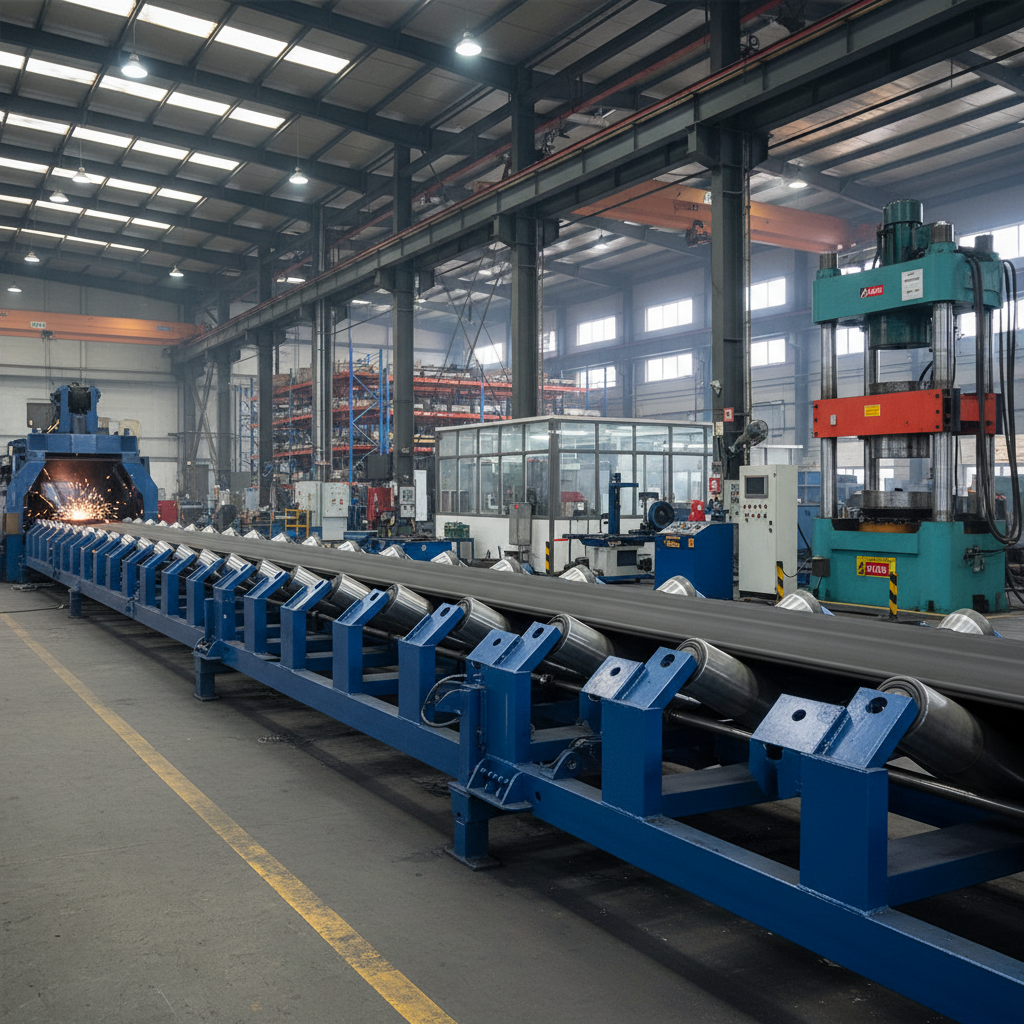
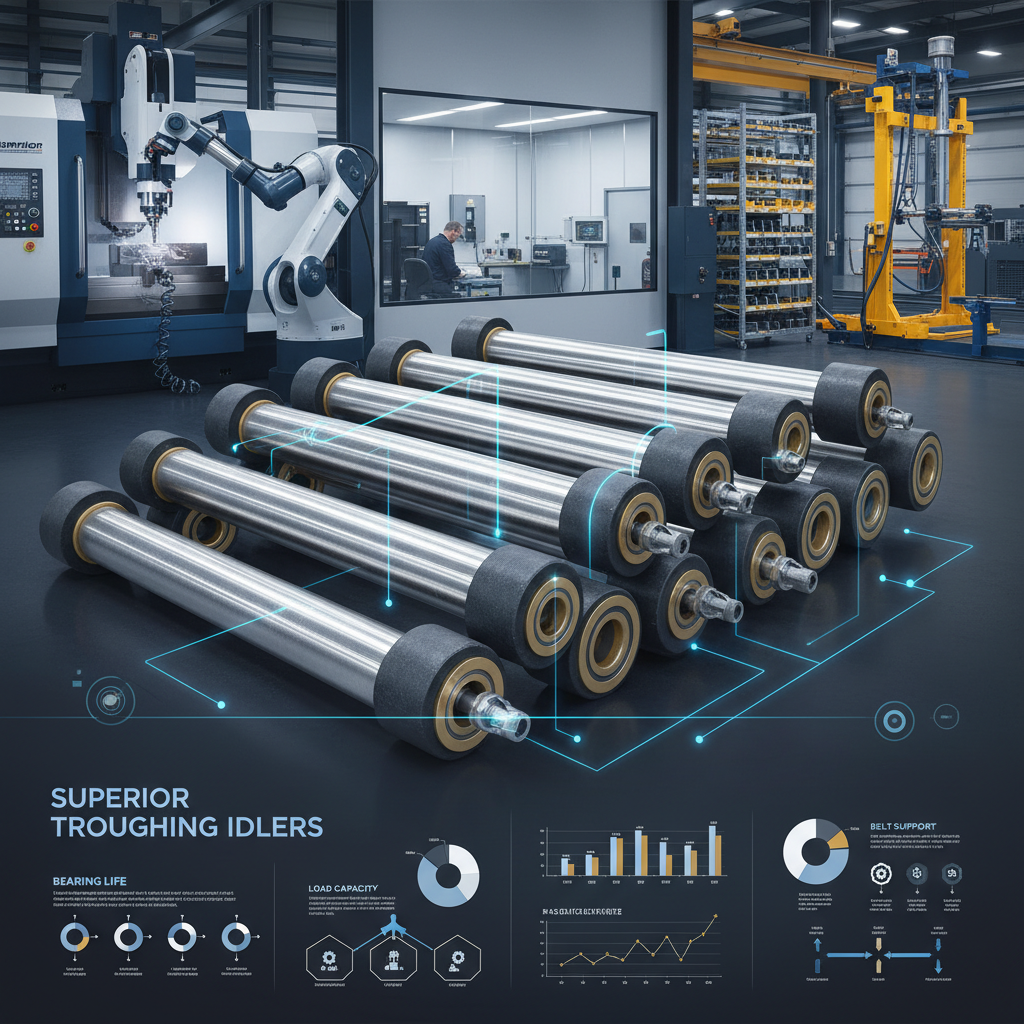
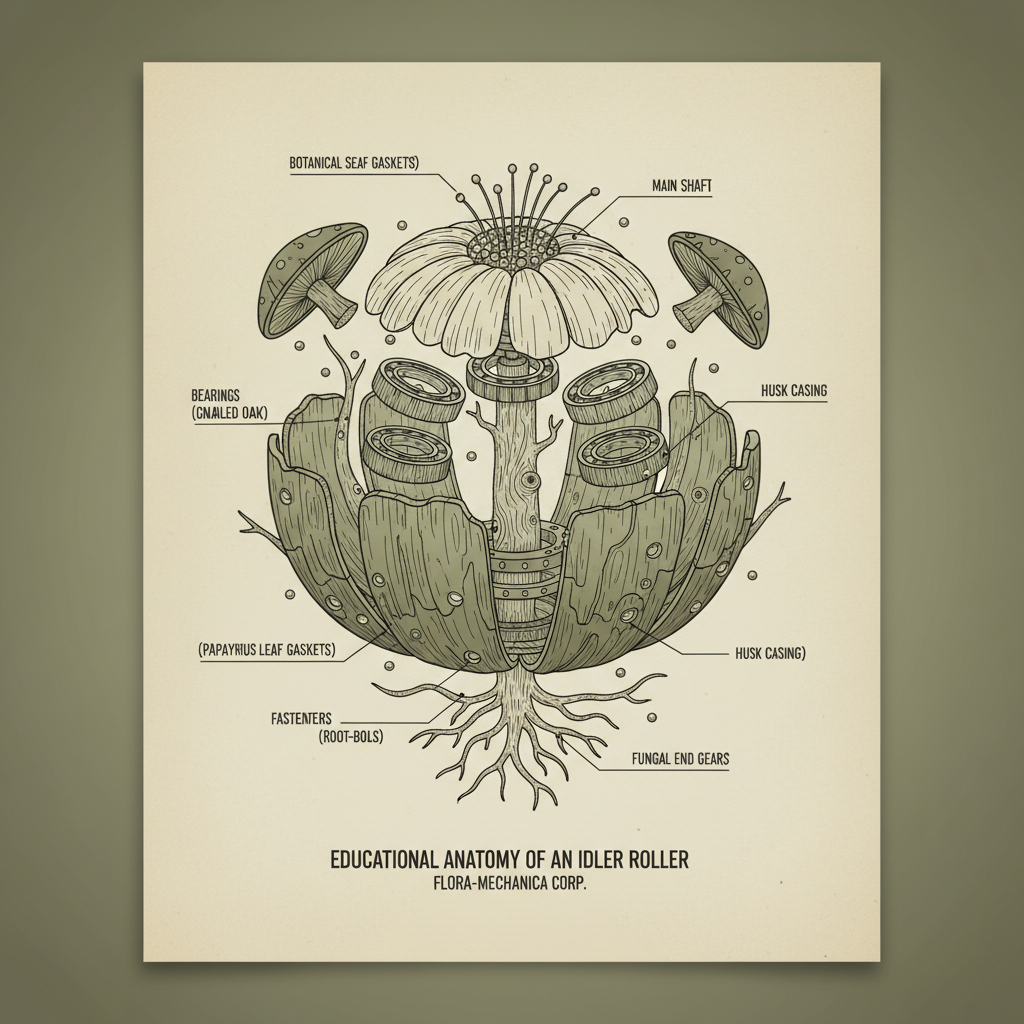
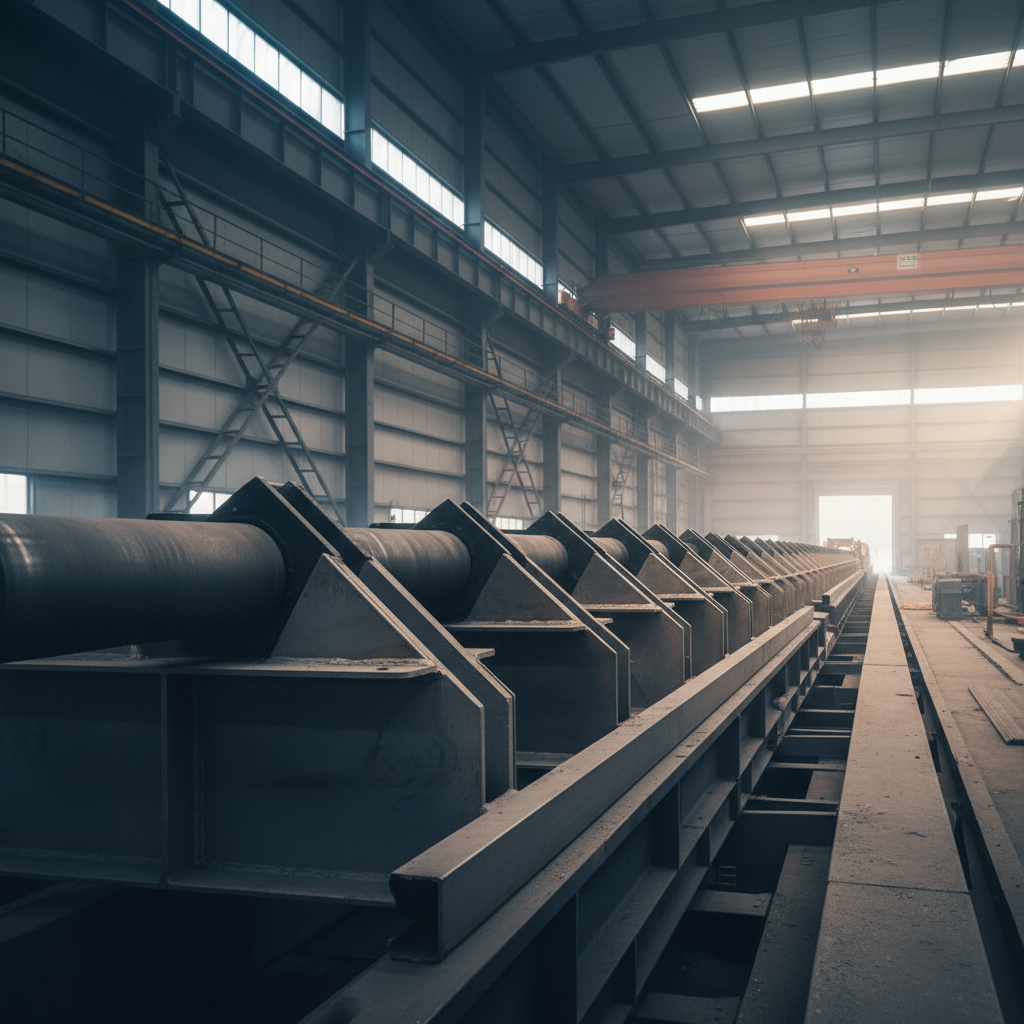
In the demanding world of bulk material handling, the efficiency of a conveyor system is often determined by the smallest components. superior troughing idlers play a pivotal role in this ecosystem, ensuring that belts maintain the correct profile to maximize load capacity and minimize material spillage. By creating a stable "trough" shape, these components reduce belt tension and prevent the costly downtime associated with belt misalignment.
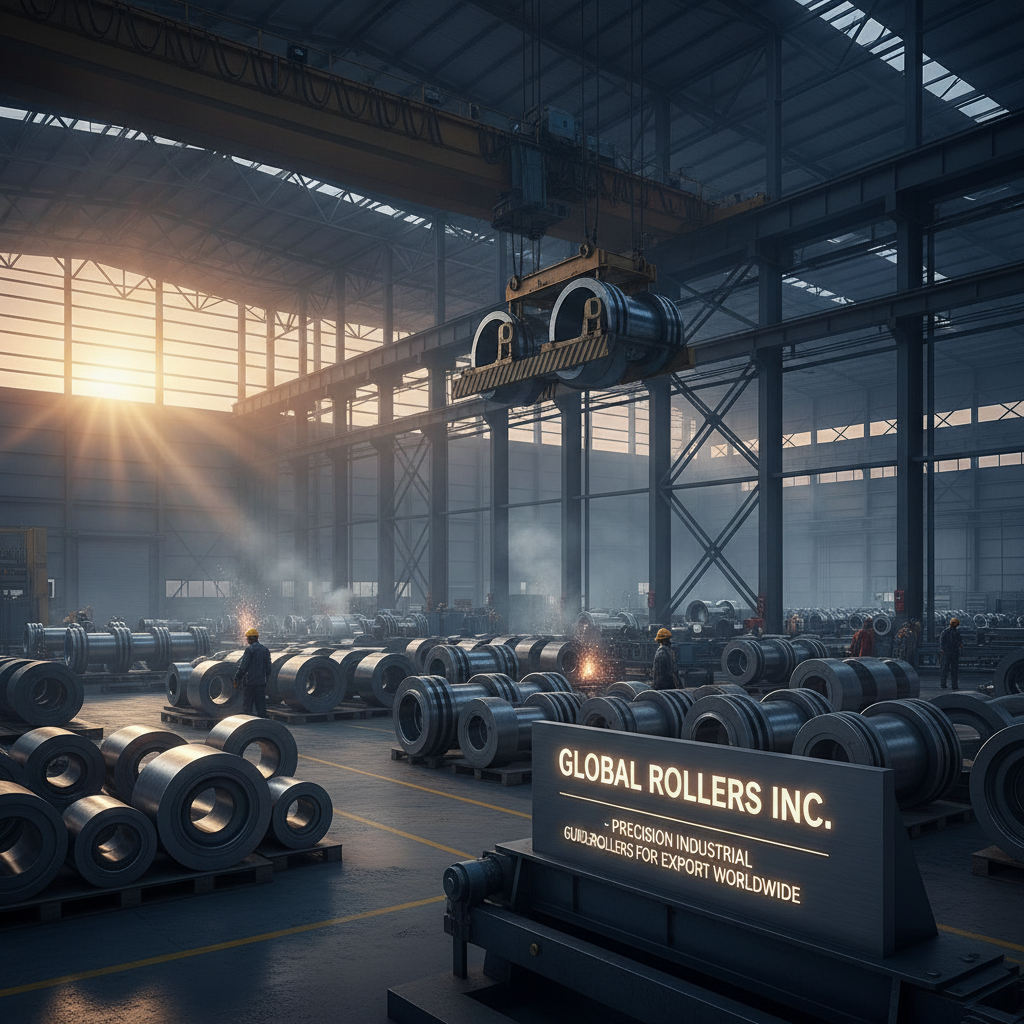
Globally, industries ranging from mining and quarrying to power generation rely on high-performance conveyor solutions to move thousands of tons of material per hour. The implementation of superior troughing idlers allows operators to optimize the volumetric flow of materials, which directly translates to higher throughput and lower operational costs. Without precision-engineered idlers, the risk of belt wear and energy waste increases exponentially.
Understanding the nuances of idler selection—from shell material and bearing quality to the specific troughing angle—is essential for any facility manager looking to enhance system reliability. This guide explores how superior troughing idlers solve common industrial challenges, improve safety standards, and contribute to a more sustainable, energy-efficient production cycle in the modern manufacturing landscape.
Global Industrial Importance of Superior Troughing Idlers
In the context of international trade and infrastructure, the seamless transport of raw materials is a cornerstone of economic growth. According to industrial benchmarks and ISO standards for conveyor components, the transition to superior troughing idlers has significantly reduced energy consumption in large-scale mining operations. By reducing the rolling resistance and optimizing the belt's cross-sectional area, these idlers allow for the transport of larger volumes with less mechanical strain.
The challenge many global operators face is the aggressive nature of abrasive materials like iron ore or coal, which can erode standard rollers in weeks. Superior troughing idlers address this by utilizing high-grade alloys and reinforced sealing systems, ensuring that the conveyor maintains its structural integrity even in the most hostile environments. This reliability is critical for maintaining the supply chains that fuel global energy and construction sectors.
Defining the Mechanics of Superior Troughing Idlers
At its core, a troughing idler is a set of rollers arranged in a V-shape to support the conveyor belt and create a trough. superior troughing idlers distinguish themselves through precision engineering of the troughing angle—typically 20, 35, or 45 degrees—which determines how much material the belt can carry without spilling over the edges.
The "superior" aspect refers to the integration of advanced materials and tighter tolerances. While a standard idler may simply hold the belt, these high-performance units focus on reducing friction and eliminating "belt bounce." By ensuring a smooth transition between the loading point and the transport section, they minimize the dynamic loads on the belt carcass, extending the overall lifespan of the conveyor system.
Beyond the hardware, these idlers are designed to meet the humanitarian and safety needs of the modern workforce. By reducing the frequency of manual replacements in hazardous areas, the use of high-durability idlers directly lowers the risk of workplace accidents. They represent the intersection of mechanical efficiency and industrial safety.
Core Components Driving Idler Performance
Durability is the primary metric for superior troughing idlers. This begins with the shell material; whether using precision-rolled steel or high-density polyethylene (HDPE), the shell must resist impact and corrosion to prevent premature failure. A worn shell leads to uneven belt support, which causes the belt to wander and creates dangerous edge wear.
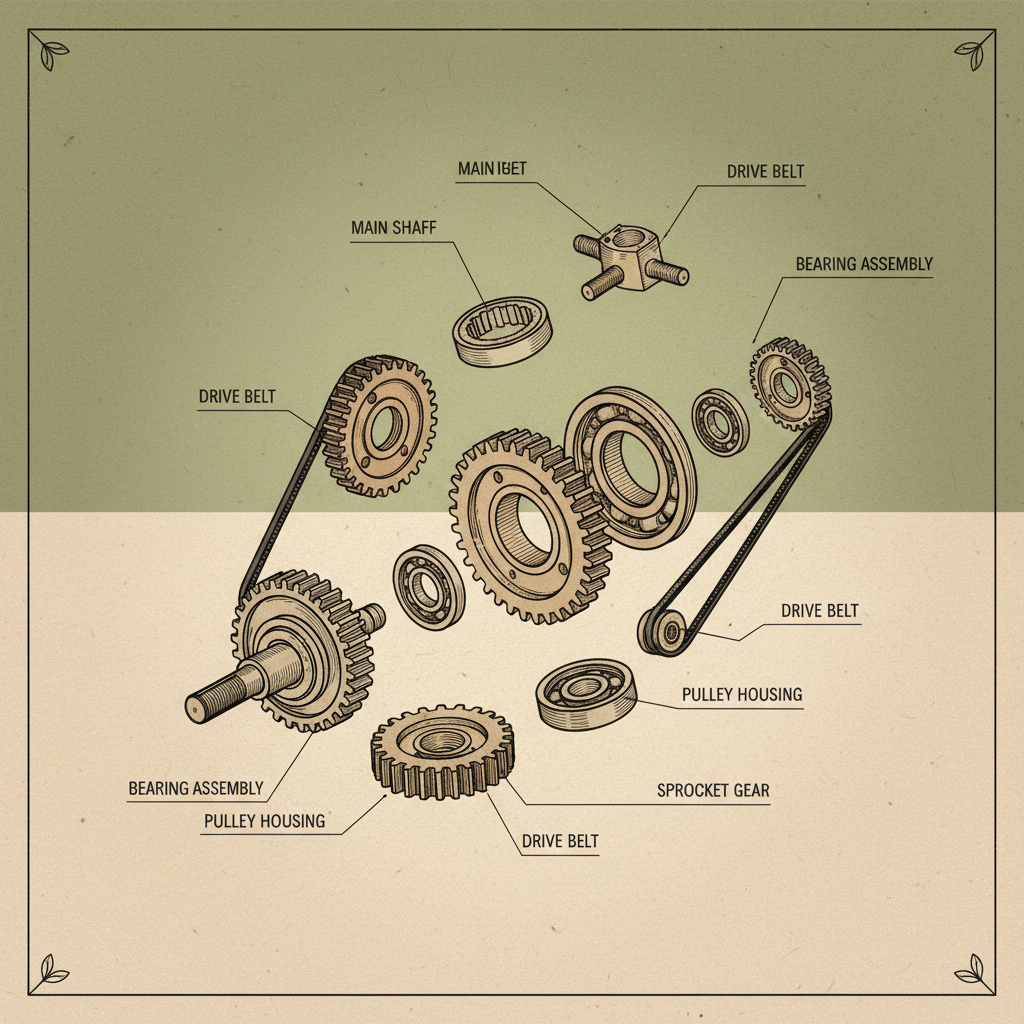
The internal bearing assembly is where the true performance of superior troughing idlers is realized. Utilizing labyrinth seals and high-grade lubricants, these bearings are designed to keep contaminants out while maintaining low rotational torque. This efficiency reduces the power required by the driving pulley, leading to significant energy savings over the lifetime of the installation.
Finally, the frame construction and alignment capability ensure scalability and ease of installation. A robust frame prevents the idlers from twisting under heavy loads, while integrated mounting systems allow for rapid replacement. This ensures that as a facility scales its production, the conveyor infrastructure can handle increased tonnage without requiring a complete system overhaul.
Comparative Efficiency and Cost Analysis
When evaluating the return on investment (ROI), many procurement managers focus on the initial purchase price. However, superior troughing idlers shift the conversation toward Total Cost of Ownership (TCO). By extending the mean time between failures (MTBF), these units drastically reduce the labor costs and production losses associated with emergency shutdowns.
A comparison between standard components and high-performance idlers reveals a clear trend: while the initial investment may be higher, the operational expenses drop due to lower energy consumption and fewer replacements. The following data illustrates the performance ratings of different idler configurations across key operational metrics.
Operational Performance of Superior Troughing Idlers
Global Applications Across Heavy Industries
In remote industrial zones, such as the mining heartlands of Australia or the iron mines of Brazil, superior troughing idlers are indispensable. In these regions, the logistics of transporting replacement parts are complex and expensive. Therefore, the reliability of the idlers directly impacts the viability of the entire operation, ensuring that material flows consistently from the pit to the port without interruption.
Beyond mining, these components are widely used in cement plants, grain terminals, and waste management facilities across Europe and North America. For instance, in large-scale grain handling, the focus shifts from abrasion resistance to hygiene and dust prevention. Special configurations of superior troughing idlers are utilized to prevent material buildup, which reduces the risk of combustion and enhances the overall safety of the facility.
Long-term Value and Sustainability Benefits
The shift toward "Green Mining" and sustainable manufacturing has put a spotlight on the environmental impact of conveyor systems. superior troughing idlers contribute to this goal by significantly reducing energy waste. When rollers spin freely with minimal friction, the drive motors draw less current, resulting in a lower carbon footprint for the facility.
From a social perspective, the reliability of these systems provides peace of mind and stability for the workforce. Less frequent maintenance means fewer technicians are exposed to the dangers of working on active conveyor lines. This commitment to quality fosters a culture of trust and professionalism, where innovation serves to protect both the operator and the environment.
Furthermore, the use of recyclable materials in the construction of superior troughing idlers ensures that at the end of their long service life, the components do not contribute to industrial waste. This circular approach to engineering aligns with global sustainability targets and ISO 14001 environmental management standards.
Future Innovations in Idler Technology
The future of material handling is being shaped by the "Industry 4.0" revolution. We are seeing the emergence of "Smart Idlers"—superior troughing idlers equipped with embedded sensors that can monitor temperature, vibration, and rotation speed in real-time. This allows for predictive maintenance, where a roller is replaced just before it fails, eliminating unplanned downtime entirely.
Material science is also evolving, with the introduction of nano-coatings and carbon-fiber reinforced polymers. These innovations aim to make superior troughing idlers even lighter and more resistant to chemical corrosion, allowing them to be used in aggressive fertilizer plants or chemical processing zones where traditional steel rollers would fail rapidly.
As automation increases, the integration of self-aligning mechanisms within troughing sets will become standard. This ensures that the belt remains perfectly centered regardless of load fluctuations, further reducing wear and tear. The goal is a fully autonomous conveyor system that optimizes its own performance based on the material being transported.
Comparative Analysis of Superior Troughing Idler Specifications
|
Idler Series
|
Shell Material
|
Wear Resistance (1-10)
|
Typical Application
|
|
Standard-Duty
|
Mild Steel
|
5
|
Light aggregates/Grain
|
|
Heavy-Duty Pro
|
Hardened Steel
|
8
|
Coal/Iron Ore Mining
|
|
Eco-Poly Series
|
HDPE / Polymer
|
7
|
Corrosive Environments
|
|
Ultra-Wear Max
|
Ceramic Composite
|
10
|
High-Abrasion Slurry
|
|
Precision Flow
|
Stainless Steel
|
6
|
Food/Pharmaceutical
|
|
Smart-Sensing
|
Hybrid Alloy
|
9
|
Predictive Maintenance Sites
|
FAQS
Superior troughing idlers are defined by their use of high-grade materials, precision-engineered bearings, and advanced sealing technologies. While standard idlers may fail quickly under heavy loads or in wet conditions, superior units are designed to minimize rolling resistance and maximize the lifespan of the conveyor belt, significantly reducing the total cost of ownership through lower maintenance and energy needs.
The choice depends on the material being transported and the belt width. A 20-degree angle is common for lighter loads and longer conveyors to minimize belt tension. A 35-degree angle is the industry standard for most bulk materials, providing a good balance of capacity and stability. A 45-degree angle is used for high-capacity, short-distance transport where maximum volume is required, though it increases the stress on the belt edges.
Yes, absolutely. Misalignment is often caused by idlers that are worn unevenly or are not perfectly parallel. Superior idlers maintain their geometry and rotational concentricity over a much longer period. By providing consistent, stable support across the entire width of the belt, they prevent the "wandering" effect that leads to costly belt edge damage and spillage.
Not necessarily. HDPE (High-Density Polyethylene) rollers are superior in corrosive environments and offer lower noise levels and lighter weight, making them easier to install. However, for extremely abrasive materials like crushed rock or high-temperature applications, hardened steel or ceramic-coated rollers are far more durable and are the recommended choice for those specific industrial contexts.
Inspection frequency depends on the material's abrasiveness and the system's load. In high-intensity mining operations, weekly visual inspections are recommended. For general industrial use, monthly checks for abnormal noise, overheating bearings, or shell thinning are sufficient. Implementing "Smart Idlers" with integrated sensors can automate this process, alerting operators to failure before it happens.
On the contrary, superior troughing idlers decrease energy consumption. By utilizing precision bearings and high-quality lubricants, they reduce the rotational friction (rolling resistance) that the motor must overcome. Even a small reduction in friction across hundreds of idlers on a long conveyor can result in substantial electricity savings and a reduction in the strain on the driving pulley.
Conclusion
The integration of superior troughing idlers is more than just a hardware upgrade; it is a strategic investment in operational stability. By focusing on the synergy between shell durability, bearing precision, and optimal troughing geometry, industrial operators can achieve a rare balance of increased throughput, reduced energy costs, and enhanced workplace safety. From the depths of remote mines to the precision of food processing plants, these components ensure that the lifeline of material transport remains unbroken.
Looking forward, the evolution toward smart, sensor-driven idlers and sustainable, recyclable materials will continue to redefine the standards of the conveyor industry. We encourage facility managers and engineers to move beyond the "lowest bid" mentality and embrace the long-term value provided by high-performance engineering. To optimize your conveyor system and experience the difference in reliability, visit our website: www.idleraohua.com