In the complex ecosystem of material handling, the stability of the return path is often overlooked, yet it is critical for operational continuity. conveyor belt return rollers serve as the unsung heroes of the conveyor system, ensuring that the belt returns to the head pulley in a precise, aligned, and tension-controlled manner. Without high-quality return idlers, systems face increased friction, premature belt wear, and costly unplanned downtime.
Across global industries—from massive open-pit mines in Australia to high-speed logistics hubs in Europe—the demand for precision-engineered return rollers has surged. As throughput requirements increase, the mechanical stress on the return side of the belt grows, making the selection of the right materials and bearing designs a strategic decision rather than a mere procurement task. Understanding the nuances of these components is essential for any facility manager looking to optimize Total Cost of Ownership (TCO).
Ultimately, investing in premium conveyor belt return rollers translates directly into enhanced safety and sustainability. By reducing belt drift and preventing material buildup, these components minimize the need for manual intervention in hazardous areas, aligning industrial efficiency with modern EHS (Environment, Health, and Safety) standards.
Global Relevance of Conveyor Belt Return Rollers
On a global scale, the efficiency of bulk material transport is a cornerstone of the industrial economy. From the ISO standards governing machinery safety to the operational benchmarks of the World Bank's infrastructure projects, the reliability of conveyor belt return rollers is paramount. In regions with extreme climates, such as the Arctic or the Sahara, the return rollers must withstand temperature fluctuations that can warp standard steel, leading to belt misalignment and catastrophic failure.
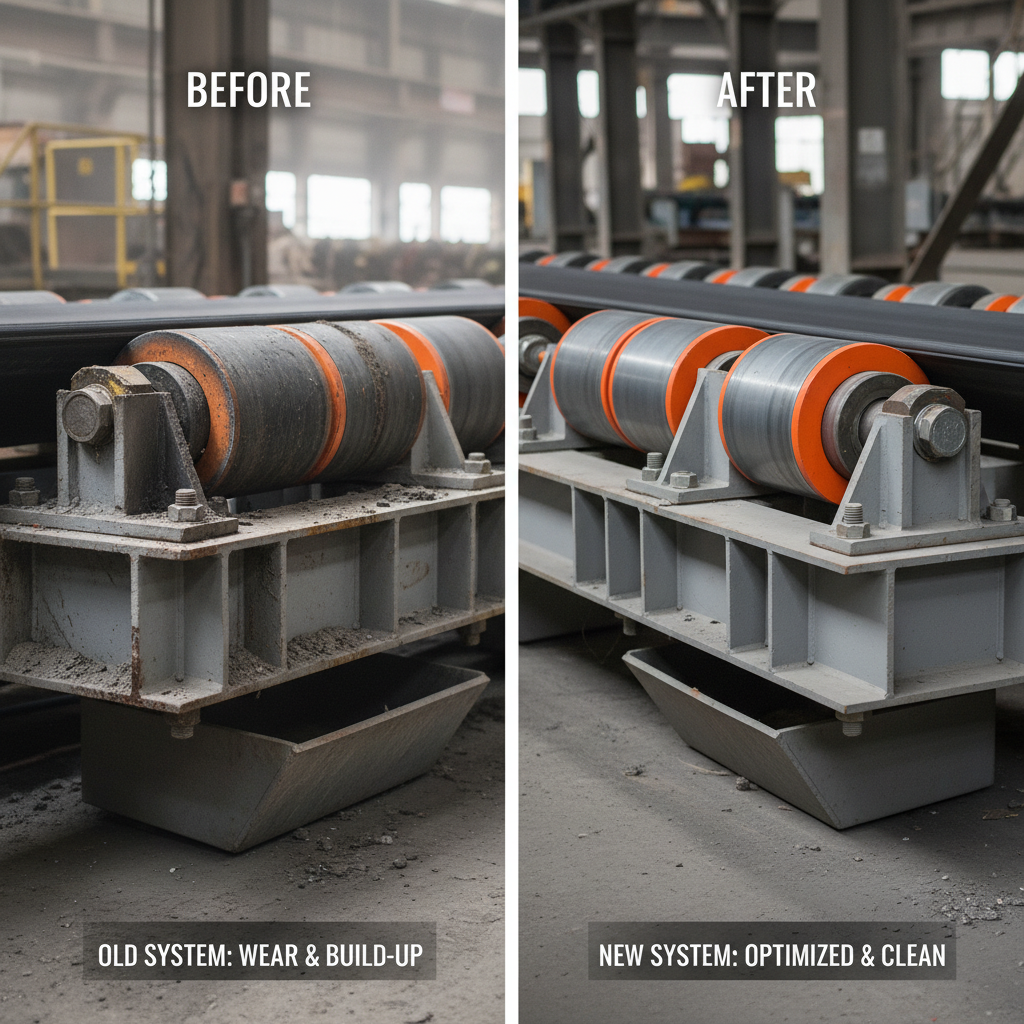
The primary challenge addressed by advanced return rollers is the "return-side sag" and the accumulation of carry-back material. When debris clings to the belt after discharge, it creates an uneven surface that presses against the return rollers. If the rollers are not designed to shed this material or resist abrasion, the resulting friction increases power consumption and accelerates the degradation of the belt's bottom cover.
Technical Definition and Industrial Purpose
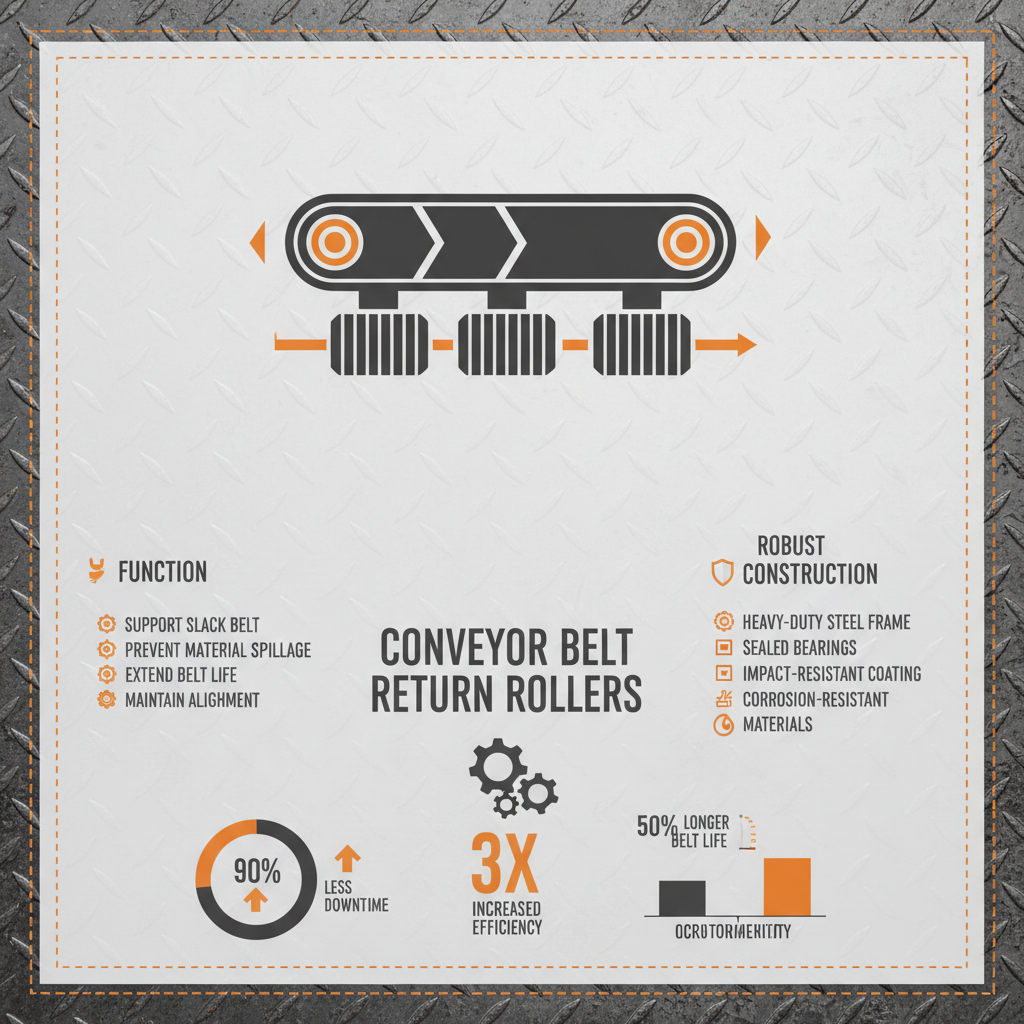
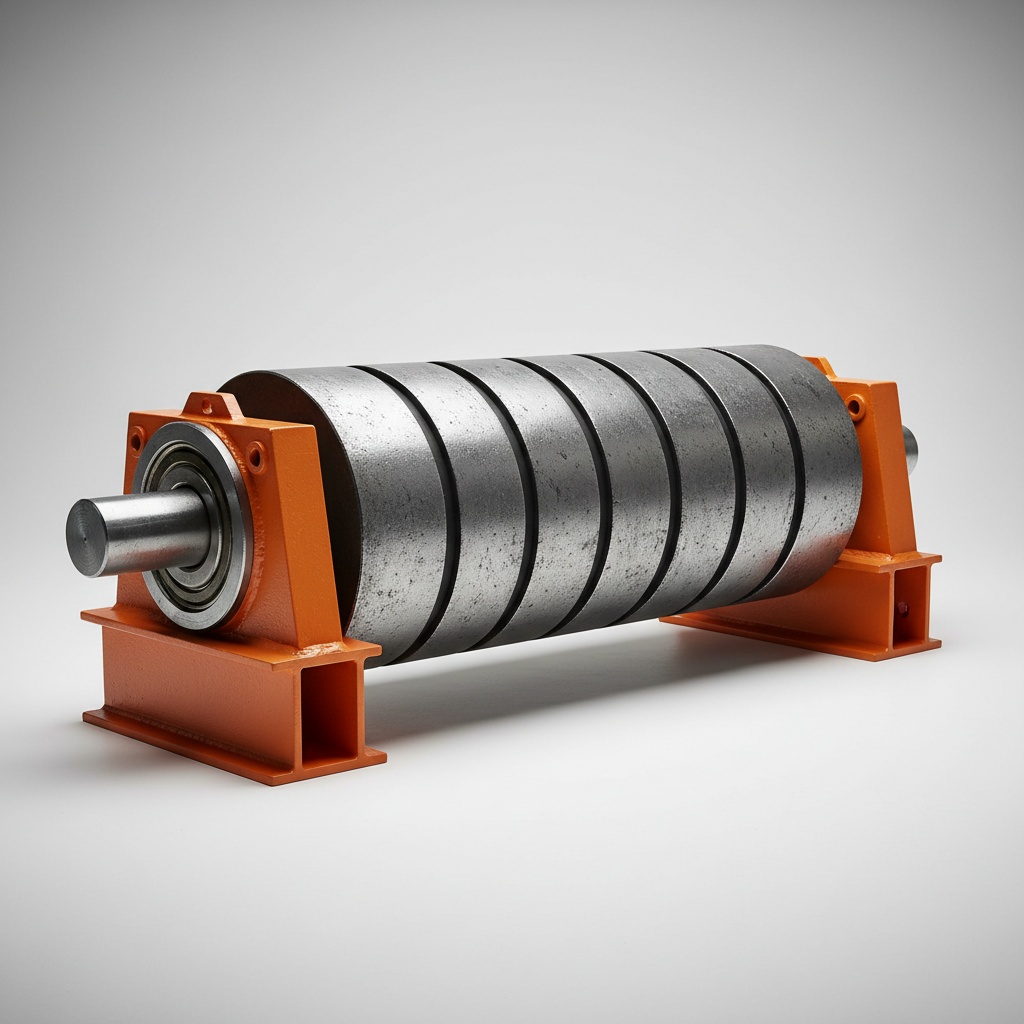
In simple technical terms, conveyor belt return rollers are cylindrical components installed beneath the return strand of a conveyor belt. Unlike troughing idlers that shape the belt into a "U" to hold material, return rollers are typically flat or slightly V-shaped, designed to support the empty belt as it travels back toward the loading point, ensuring it remains centered and stable.
Beyond mere support, these components are critical for maintaining the geometric integrity of the entire conveyor loop. In modern automated factories, the precision of the return path directly impacts the timing and alignment of the belt as it enters the drive pulley. Any deviation here can lead to "belt wander," which causes edge fraying and can potentially trigger emergency stop systems, halting production across entire lines.
From a humanitarian and industrial safety perspective, high-performance return rollers reduce the need for "belt cleaning" interventions. By integrating self-cleaning geometries or low-friction coatings, these rollers minimize the buildup of hazardous dust and debris, thereby reducing the risk of fire (in coal mines) or contamination (in food processing), ensuring a safer environment for the workforce.
Core Engineering Factors for Durability
The longevity of conveyor belt return rollers depends first on material science. The choice between precision-ground steel, high-density polyethylene (HDPE), or rubber-lagged shells determines how the roller interacts with the belt. Steel offers maximum load capacity, while polymers provide superior corrosion resistance in chemical plants or wet environments.
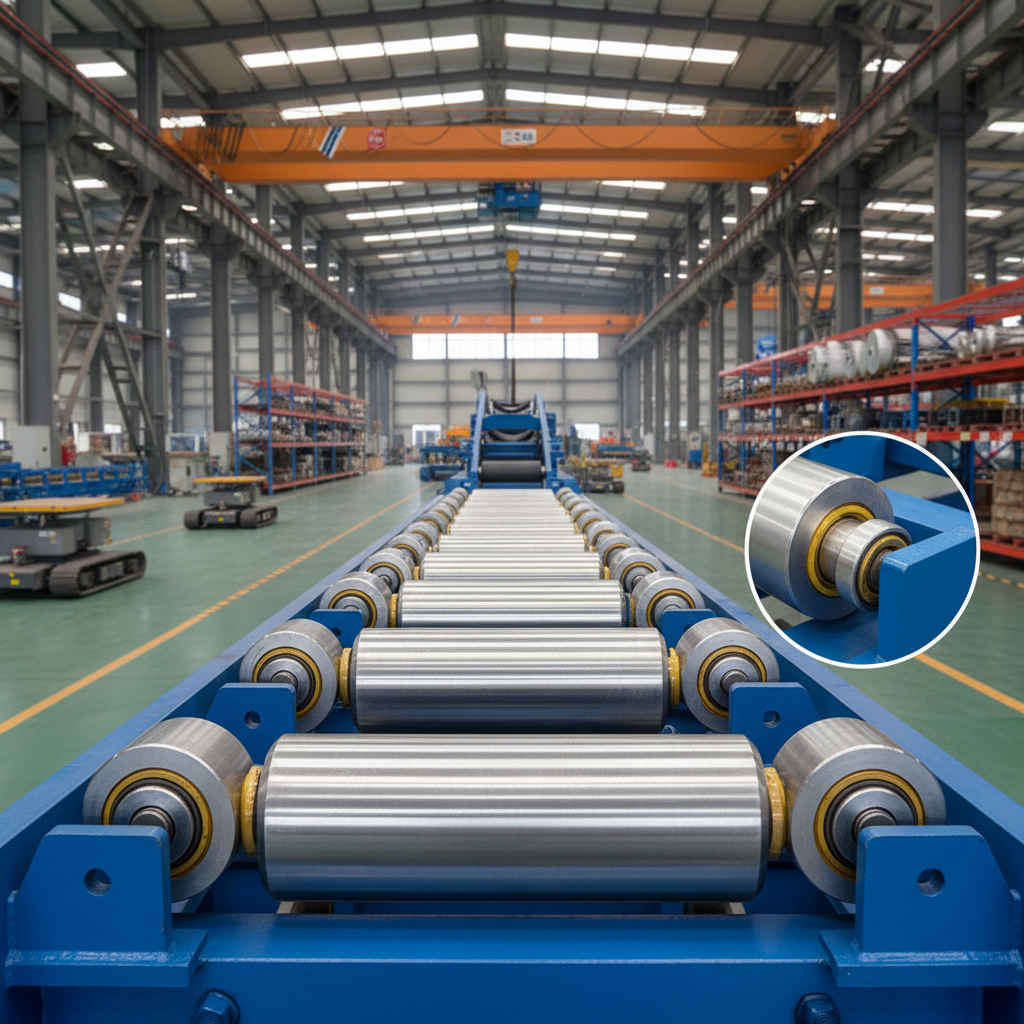
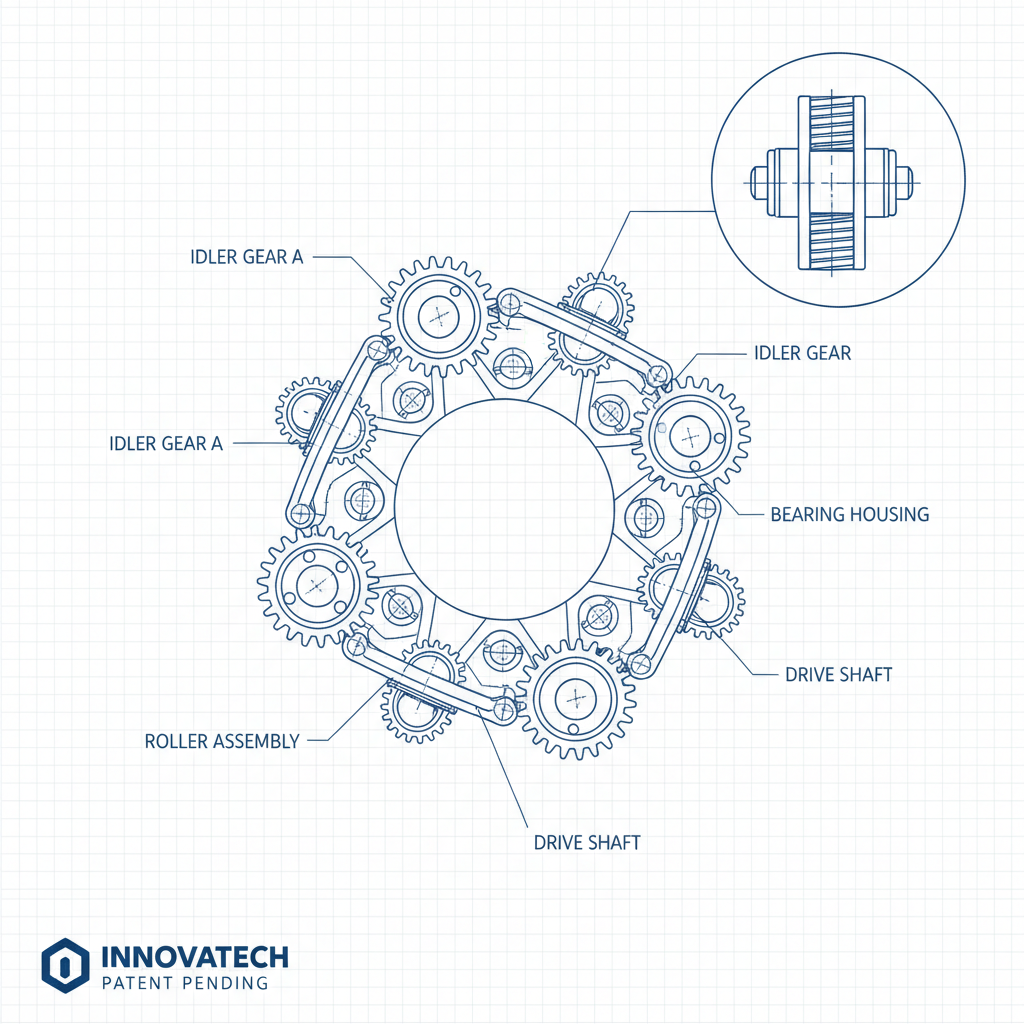
Bearing sealing is the second critical factor. Since return rollers are often exposed to falling debris and moisture from the upper belt, the "labyrinth seal" design is essential. A high-quality seal prevents contaminants from entering the bearing housing, ensuring that the roller rotates freely without seizing, which would otherwise create a "dead point" that could burn through the conveyor belt.
Finally, scalability and installation ease play a huge role in operational efficiency. Modular frames and standardized axle diameters allow maintenance teams to replace conveyor belt return rollers rapidly. This reduces Mean Time To Repair (MTTR) and ensures that the system can be scaled up or modified without needing to redesign the entire support structure.
Performance Comparison of Roller Materials
Selecting the right material for conveyor belt return rollers is not a one-size-fits-all process. Different industrial environments demand different physical properties. For instance, in heavy-duty mining, the impact of carry-back rocks requires a hardened steel shell, whereas in saltwater desalination plants, stainless steel or specialized polymers are non-negotiable to prevent oxidation.
The following analysis compares common material configurations based on their operational efficiency, lifespan, and noise reduction capabilities. This data helps engineers balance the initial capital expenditure (CAPEX) against the long-term operational expenditure (OPEX).
Material Efficiency Ratings for Return Rollers
Strategic Applications Across Global Industries
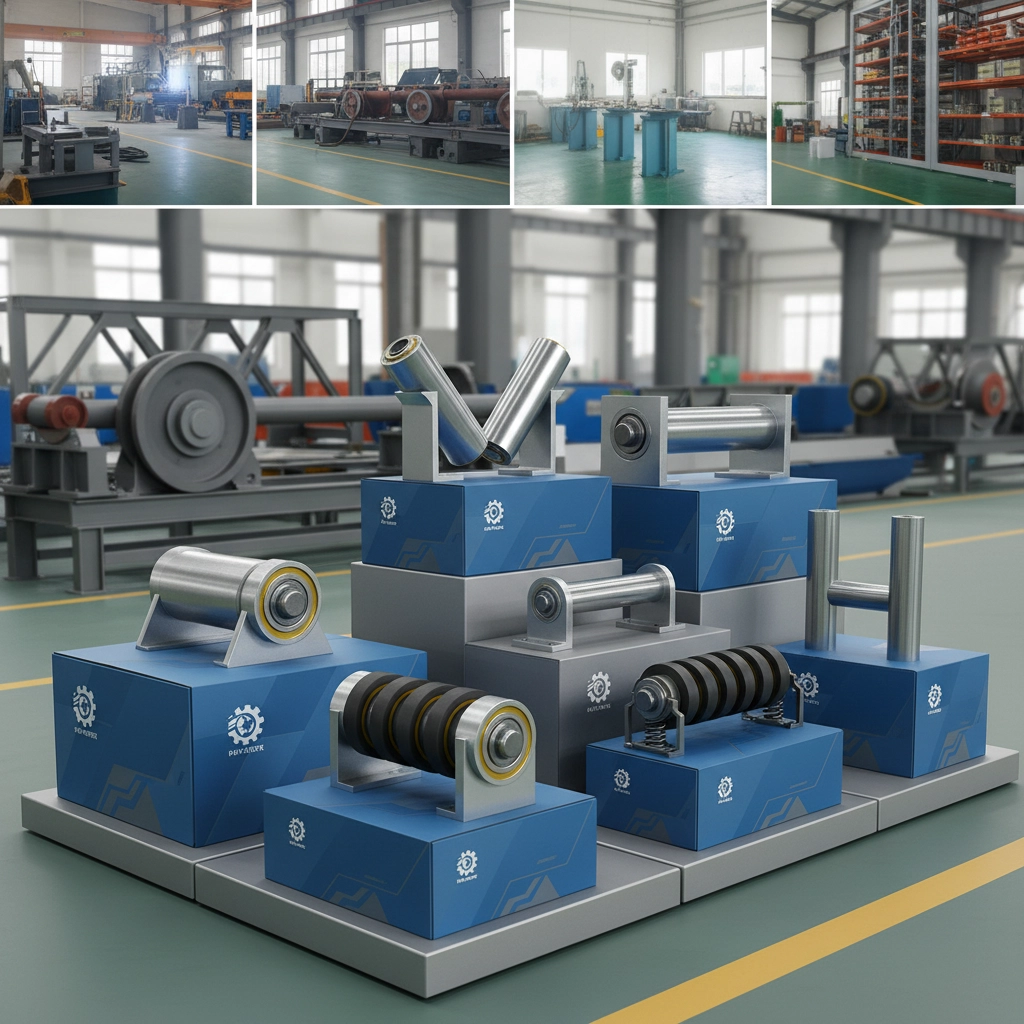
In real-world contexts, conveyor belt return rollers are applied in diverse and often harsh environments. In the mining sectors of South America and Africa, these rollers are subjected to extreme abrasive dust. Here, the use of "V-return" rollers is common, as they provide a natural centering effect that prevents the belt from sliding off the structure during high-capacity haulage.
Conversely, in the food and pharmaceutical industries of North America and Asia, the focus shifts toward hygiene. Stainless steel conveyor belt return rollers with non-toxic lubricants are used to prevent contamination. In these controlled environments, the rollers are designed for easy steam-cleaning, ensuring that the return path does not become a breeding ground for bacteria.
Long-term Value and Operational Reliability
The tangible benefits of upgrading to premium conveyor belt return rollers extend far beyond simple part replacement. From a logical angle, the reduction in rolling resistance leads to a direct decrease in the kilowatt-hours required to drive the motor. Over a five-year period, this energy saving can offset the initial cost of the rollers several times over.
From an emotional and safety perspective, reliability breeds trust. When a plant manager knows that their return idlers are not prone to seizing, the anxiety associated with "belt rip" or unexpected shutdowns vanishes. This allows for a shift from reactive maintenance (fixing things when they break) to predictive maintenance, where parts are replaced based on data rather than crisis.
Furthermore, the social impact of choosing sustainable, long-lasting components is significant. Reducing the frequency of replacement means less industrial waste in landfills and a smaller carbon footprint associated with the manufacturing and shipping of replacement steel parts.
Future Innovations in Return Idler Technology
The future of conveyor belt return rollers is being shaped by the "Industry 4.0" digital transformation. We are seeing the emergence of "Smart Rollers" equipped with embedded IoT sensors. These sensors can monitor vibration and temperature in real-time, alerting operators via a cloud dashboard when a bearing is beginning to fail, long before it becomes a critical problem.
Material innovation is also moving toward green chemistry. The development of biodegradable high-strength polymers is reducing the environmental impact of roller shells. Additionally, the integration of carbon-fiber reinforced composites is allowing for rollers that are 30% lighter than steel but possess double the tensile strength, reducing the overall dead weight of the conveyor structure.
Automation is also playing a role, with robotic installation systems being developed to replace conveyor belt return rollers in hazardous zones—such as chemical processing plants—eliminating the need for human workers to enter dangerous areas.
Comparative Analysis of Return Roller Technical Specifications
| Roller Type |
Wear Resistance (1-10) |
Installation Speed |
Ideal Environment |
| Standard Steel |
7 |
Moderate |
General Warehousing |
| HDPE Polymer |
6 |
Fast |
Corrosive/Wet Areas |
| Rubber Lagged |
9 |
Moderate |
High-Impact Mining |
| Stainless Steel |
8 |
Moderate |
Food & Pharma |
| Ceramic Shell |
10 |
Slow |
Extreme Abrasives |
| V-Return Type |
7 |
Moderate |
Long-Distance Haulage |
FAQS
Depending on the environment, inspections should occur monthly for standard operations and weekly for high-abrasion mining environments. Look for signs of bearing seizure, shell wear, or excessive belt drift. Using a thermal camera can help identify overheating rollers before they fail.
Carrying rollers support the loaded belt and are usually arranged in a trough shape to contain material. Return rollers support the empty belt on its way back and are generally flat or V-shaped. Return rollers are more susceptible to "carry-back" debris buildup.
Standard HDPE rollers have temperature limits. If your environment exceeds 80°C, it is recommended to use steel or specialized heat-resistant polymers to avoid shell deformation, which can cause the belt to track incorrectly.
Drift can be caused by worn-out rollers, material buildup on the shell, or improper frame alignment. Ensure your conveyor belt return rollers are clean and rotating freely. Consider installing aligning idlers if the drift is chronic.
Yes, rubber lagging provides a dampening effect that reduces the metal-on-rubber noise generated by the belt. This is particularly beneficial in indoor facilities or urban logistics centers where noise ordinances are strictly enforced.
For dusty environments, a triple-labyrinth seal is best. For wet or chemical environments, a sealed-for-life bearing with an additional rubber wiper seal is recommended to keep moisture out of the lubricant.
Conclusion
In summary, conveyor belt return rollers are far more than simple support cylinders; they are critical components that dictate the efficiency, safety, and lifespan of the entire conveyor system. From the careful selection of materials like HDPE and stainless steel to the implementation of advanced labyrinth seals and IoT monitoring, every engineering choice impacts the bottom line. By focusing on durability, alignment, and reduced friction, companies can significantly lower their operational costs and minimize unplanned downtime.
As the industry moves toward a greener and more automated future, the role of the return idler will continue to evolve. We encourage facility managers to move away from "commodity buying" and instead adopt a strategic approach to component selection, prioritizing long-term reliability over the lowest initial price. Investing in high-quality rollers today ensures a seamless, sustainable, and safer production line for tomorrow. For professional guidance and high-performance solutions, visit our website: www.idleraohua.com