The efficiency of any bulk material handling system relies heavily on the precision of its supporting components, specifically the conveyor idler roller design. From massive mining operations to intricate food processing plants, the way a roller is engineered determines the friction levels, belt wear, and overall energy consumption of the entire line. A well-thought-out design does more than just support the belt; it ensures the stability of the material flow and protects the structural integrity of the conveyor over millions of cycles.
Across the global industrial landscape, suboptimal roller specifications often lead to catastrophic belt misalignment or premature bearing failure, resulting in costly unplanned downtime. In an era where operational uptime is measured in seconds, understanding the nuances of conveyor idler roller design is no longer just a technical preference—it is a financial necessity. By optimizing the diameter, shell material, and bearing seal, companies can significantly extend the mean time between failures (MTBF) and lower their total cost of ownership.
This guide explores the critical parameters that define high-performance rollers, ranging from material selection to geometric precision. Whether you are dealing with highly abrasive ores or sensitive pharmaceutical powders, the principles of effective conveyor idler roller design remain the cornerstone of reliable material transport. By aligning technical specifications with environmental demands, engineers can create systems that are not only durable but also sustainable and energy-efficient.
Global Relevance of Conveyor Idler Roller Design
In the modern global economy, the movement of raw materials is the heartbeat of the industrial sector. According to ISO standards for bulk handling, the mechanical efficiency of a conveyor system is directly tied to the rolling resistance of its idlers. Poor conveyor idler roller design can increase power consumption by as much as 15-20%, leading to massive energy waste across large-scale mining or port facilities.
Beyond energy, the global push for safer workplaces means that roller design must now account for "fail-safe" mechanisms. When a roller seizes due to poor design, it can cause the belt to friction-burn or tear, creating hazardous conditions and environmental spills. Consequently, the industry is shifting toward precision engineering that emphasizes seal integrity and corrosion resistance to meet stringent international safety and environmental regulations.
Defining Technical Standards in Roller Engineering
At its core, conveyor idler roller design is the science of optimizing the interface between a moving belt and its stationary support. It involves a complex calculation of load-bearing capacity, rotational friction, and material compatibility. A standard idler is not merely a steel tube on a shaft; it is a precision instrument designed to maintain the belt's profile, whether it be a flat return or a troughing carry set.
In the context of modern industry, this design process addresses the critical need for "zero-maintenance" intervals. By utilizing advanced polymers or high-grade alloys, designers can create rollers that withstand extreme pH levels or abrasive dust. This technical evolution ensures that the conveyor remains operational even in the most hostile environments, such as deep-pit mines or coastal salt-spray zones.
Furthermore, the connection to humanitarian and infrastructure needs is evident in large-scale grain transport and waste management systems. Effective roller design reduces the mechanical failure of systems that feed millions of people or process city-wide waste, proving that these engineering choices have a direct ripple effect on urban stability and food security.
Core Components for High-Efficiency Performance
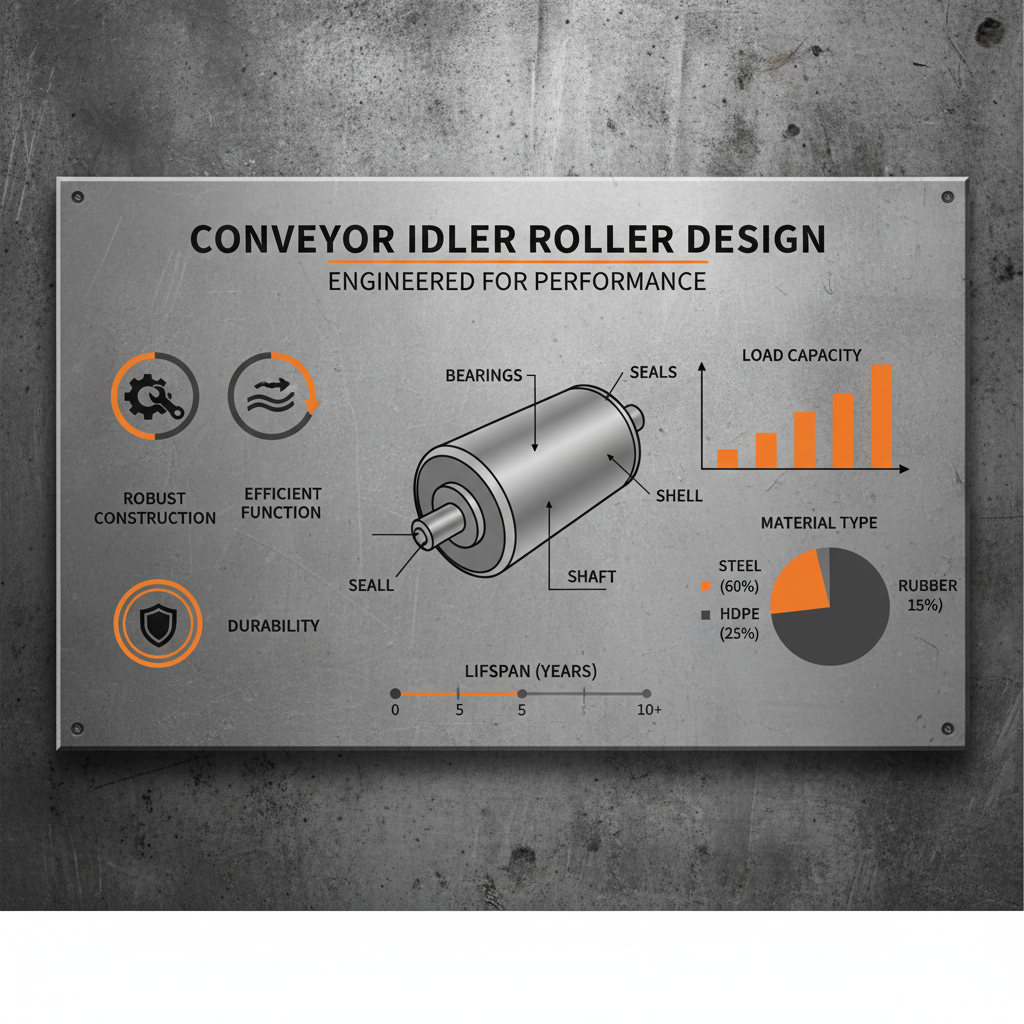
The first pillar of successful conveyor idler roller design is shell durability. Depending on the application, shells may be crafted from carbon steel, stainless steel, or HDPE. The choice of material dictates the roller's resistance to impact and corrosion, ensuring that the outer surface does not deform under heavy loads, which would otherwise increase belt drag.
The second critical aspect is the bearing and sealing system. Precision conveyor idler roller design incorporates labyrinth seals or triple-lip seals to prevent the ingress of moisture and dust. Since bearing failure is the leading cause of idler seizure, the synergy between the bearing's load rating and the seal's effectiveness is the primary determinant of the roller's lifespan.
Finally, the shaft geometry and mounting precision play a vital role. A shaft that is slightly out of tolerance can cause vibration, leading to premature wear on both the roller and the belt. By implementing strict concentricity standards, designers ensure a smooth rotation that minimizes energy loss and prevents the belt from "wandering" across the conveyor frame.
Operational Impact and Performance Metrics
Measuring the success of a conveyor idler roller design requires a data-driven approach. Engineers typically look at the coefficient of rolling friction and the vibration amplitude. A lower friction coefficient directly translates to lower kilowatt requirements for the drive motor, while low vibration levels indicate a balanced design that will not fatigue the conveyor structure over time.
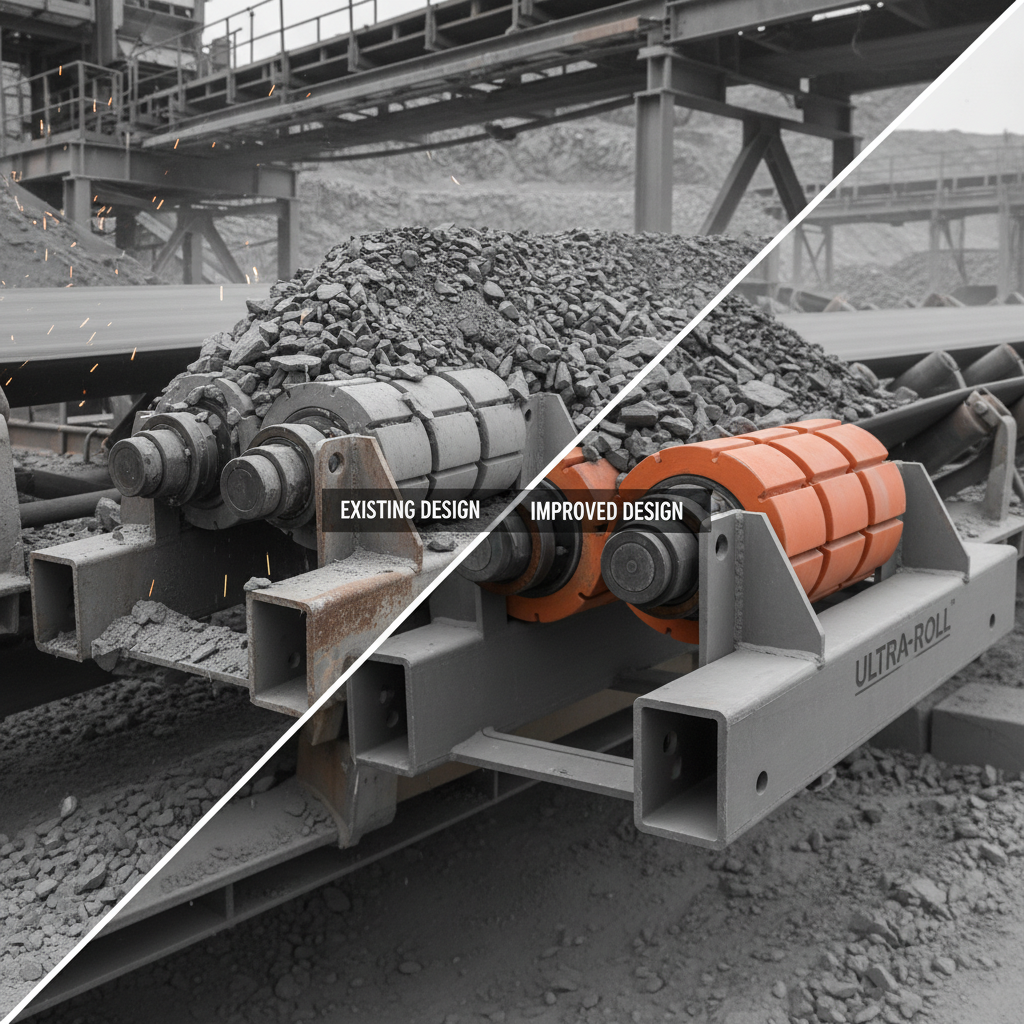
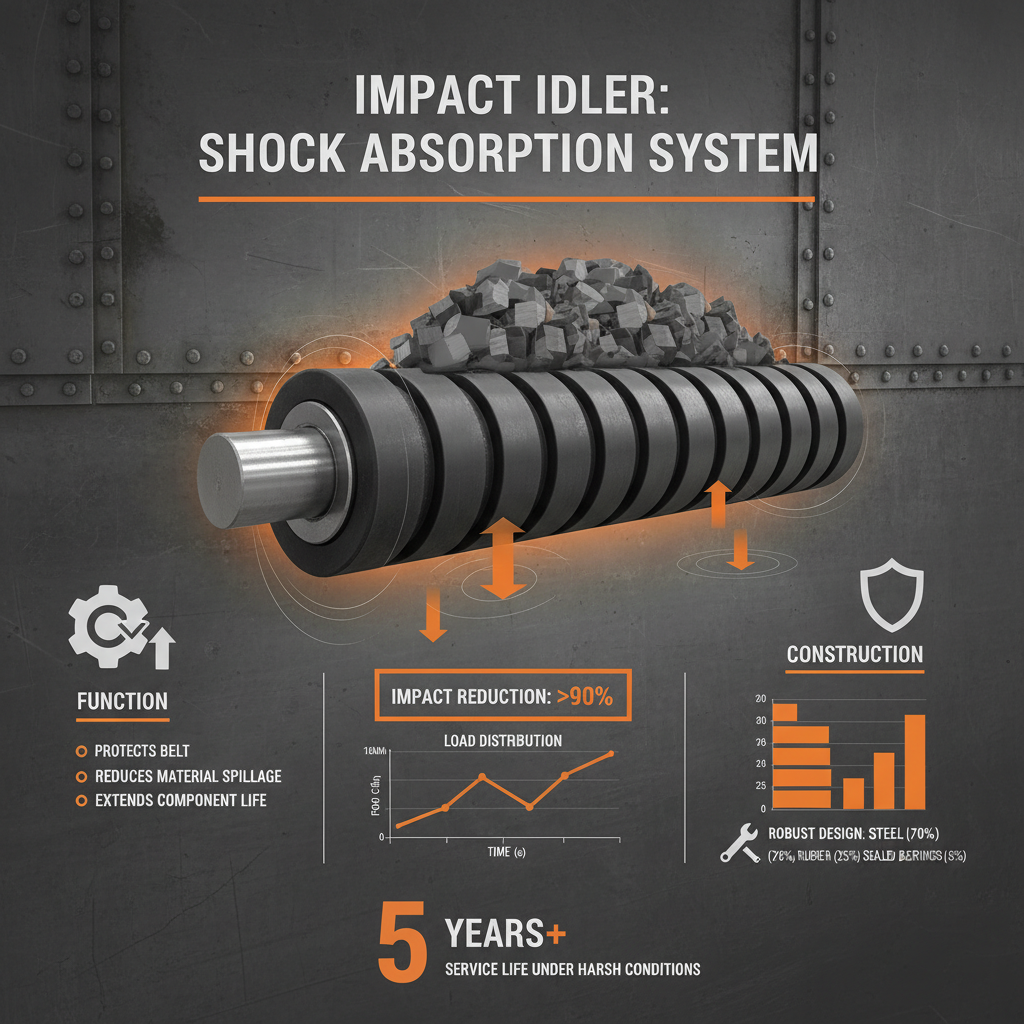
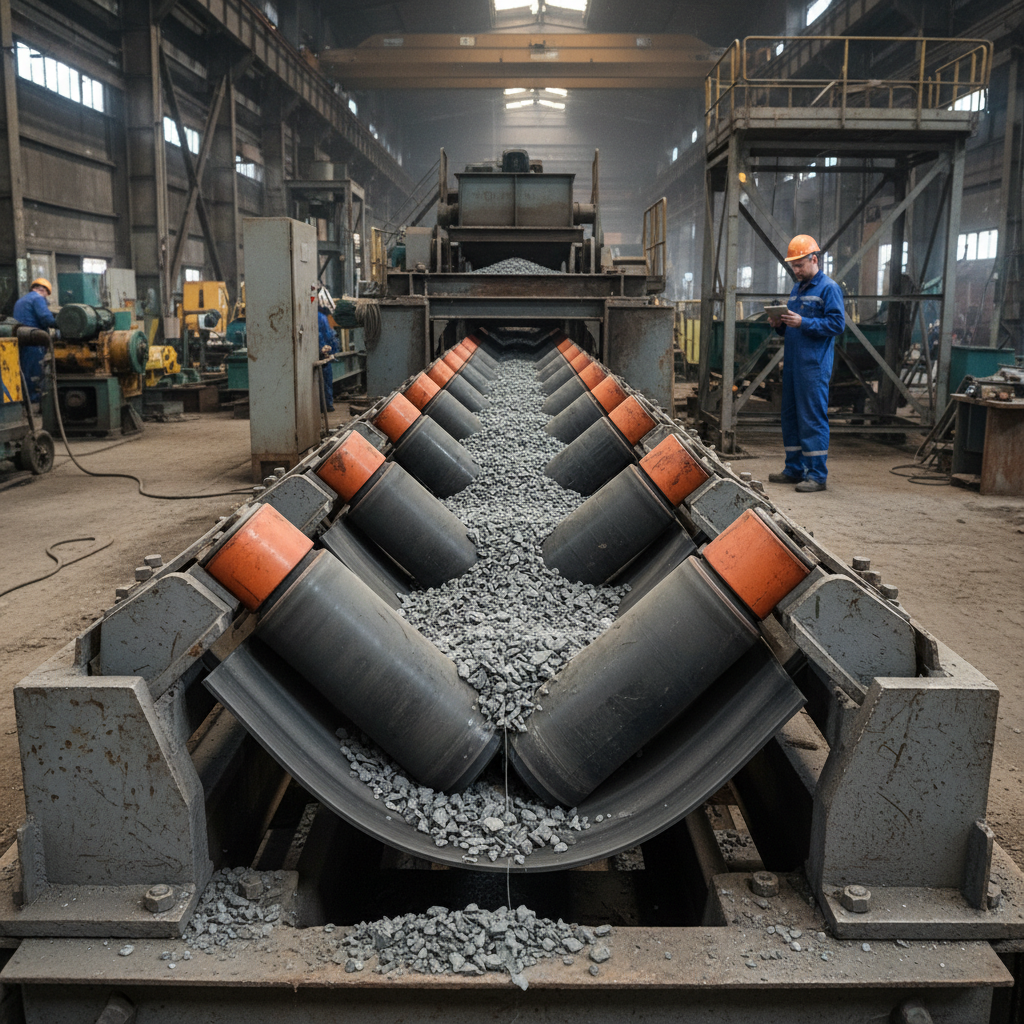
Moreover, the impact of roller design is most evident during the "load transition" phase. For instance, impact idlers designed with rubber rings absorb the kinetic energy of falling materials, preventing the belt from puncturing. This specific application of design principles extends the life of the belt—the most expensive component of the system—by distributing the force across a wider area.
Efficiency Comparison of Conveyor Idler Roller Design Methods
Global Applications Across Diverse Industries
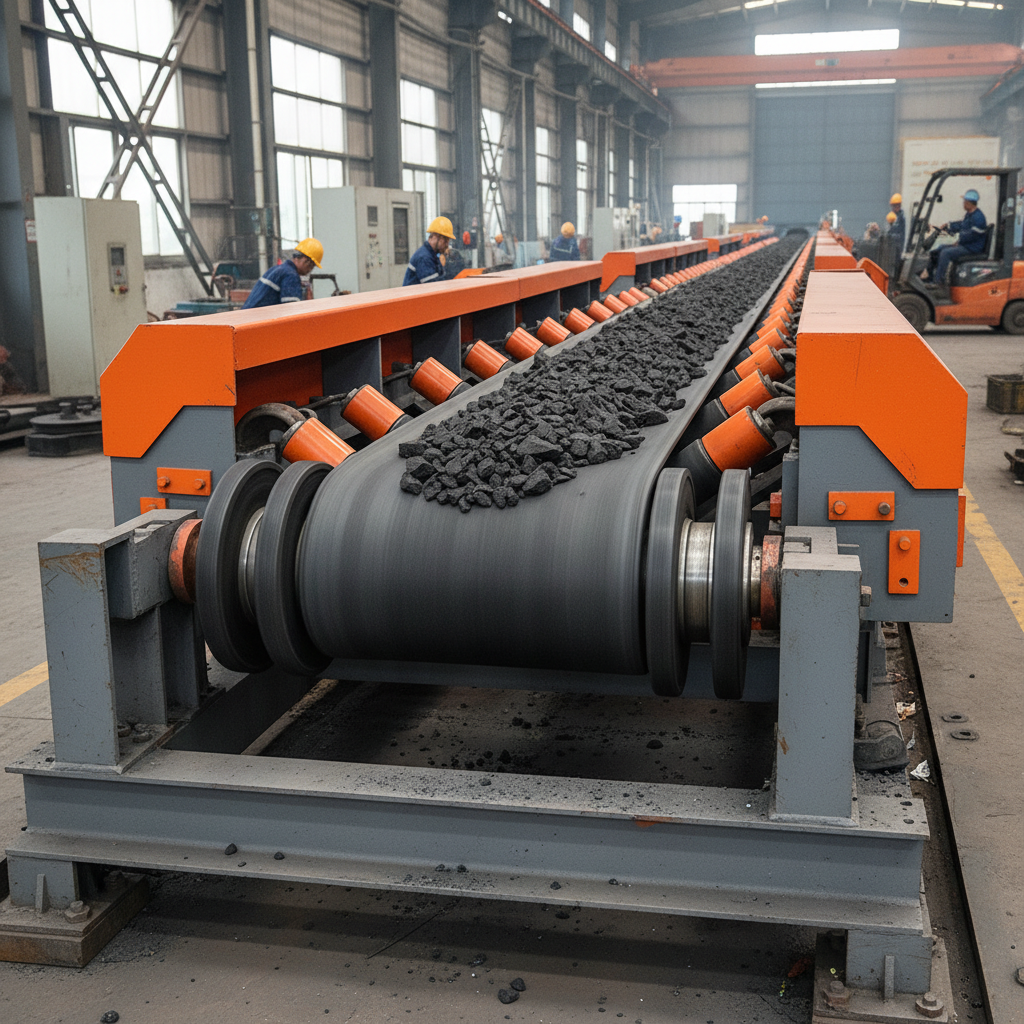
The versatility of conveyor idler roller design is evident in its application across drastically different sectors. In the mining regions of Australia and Brazil, heavy-duty troughing idlers are used to move thousands of tons of iron ore per hour. In these settings, the design focus is on maximum load capacity and extreme abrasion resistance to handle jagged rocks and heavy grit.
Conversely, in the food and pharmaceutical industries of Europe and North America, the design shifts toward hygiene and contamination prevention. Here, stainless steel rollers with food-grade lubricants and seamless welds are mandatory. The design ensures that no organic matter can accumulate in the roller's crevices, meeting FDA and EHEDG standards while maintaining the smooth transport of sensitive materials.
Long-Term Value and Sustainability Benefits
Investing in high-quality conveyor idler roller design yields tangible long-term financial value. By reducing the frequency of roller replacements, companies significantly lower their operational expenditure (OPEX). More importantly, the reduction in friction leads to lower electricity consumption, which directly aligns with corporate carbon-reduction goals and ESG (Environmental, Social, and Governance) mandates.
From a safety perspective, the logical angle is clear: a roller that doesn't seize is a roller that doesn't cause a fire or a belt snap. This reliability fosters a culture of trust and dignity for the workforce, as maintenance crews are no longer required to perform dangerous "hot-swaps" in high-risk zones. Innovation in design thus transforms a simple component into a tool for workplace safety.
Furthermore, the move toward recyclable materials in roller shells, such as high-density polyethylene (HDPE), reduces the environmental footprint of the conveyor system. When a roller eventually reaches the end of its life, a sustainable design ensures that the components can be reclaimed or recycled, closing the loop in the industrial lifecycle.
Future Innovations in Intelligent Roller Systems
The future of conveyor idler roller design is inextricably linked to the Industrial Internet of Things (IIoT). We are seeing the emergence of "smart idlers" equipped with embedded vibration and temperature sensors. These rollers can communicate their health status to a central control system in real-time, enabling predictive maintenance and eliminating the need for manual inspections in hazardous areas.
Material science is also pushing boundaries with the introduction of nano-coatings that virtually eliminate friction and repel water and oil. These advanced surfaces prevent "material build-up," a common problem where debris sticks to the roller and causes belt mistracking. Such innovations are turning the passive idler into an active participant in system efficiency.
As automation expands, the integration of magnetic levitation or air-bearing technology in specialized conveyors could redefine the very concept of a roller. While currently limited to high-precision niches, the trajectory suggests a move toward zero-contact support systems, further reducing energy loss and wear.
Technical Analysis of Various Conveyor Idler Roller Design Specifications
|
Design Type
|
Primary Material
|
Wear Resistance (1-10)
|
Typical Application
|
| Standard Troughing |
Carbon Steel |
6 |
General Mining |
| Heavy Duty Impact |
Rubber/Steel Hybrid |
9 |
Loading Zones |
| Corrosion Resistant |
Stainless Steel |
8 |
Chemical Plants |
| Low Friction Polymer |
HDPE |
7 |
Food Grade Lines |
| Self-Aligning Idler |
Forged Steel |
7 |
Belt Tracking Correction |
| Precision Miniature |
Aluminum Alloy |
5 |
Electronics Assembly |
FAQS
The design directly influences the rolling resistance. A precision-engineered roller with high-quality bearings and a perfectly concentric shell reduces the torque required to move the belt. In large-scale operations, reducing this resistance through optimized conveyor idler roller design can lower electricity consumption by 10-20%.
For highly corrosive settings, stainless steel or high-density polyethylene (HDPE) are the preferred choices. Stainless steel offers superior strength and hygiene, while HDPE provides excellent chemical resistance and lower weight, preventing rust and oxidation that typically seize standard steel rollers.
Replacement intervals vary based on the conveyor idler roller design and the material being handled. High-performance rollers in low-impact zones can last several years, while impact idlers in heavy mining may need replacement every 6-12 months. Predictive maintenance using vibration sensors is the most efficient way to determine replacement timing.
Yes, absolutely. If the rollers are not perfectly aligned or if the shell is deformed, the belt will naturally drift toward the area of least resistance. Specialized conveyor idler roller design, such as taper or friction aligning idlers, is specifically used to correct this and keep the belt centered.
A standard idler is designed for continuous support and low friction. An impact idler is specifically engineered with rubber rings or cushions to absorb the shock of material falling from a height, protecting the belt from punctures and the roller shaft from bending.
For critical systems where downtime costs thousands of dollars per hour, yes. Smart rollers enable predictive maintenance, allowing you to replace a failing component before it causes a system-wide shutdown, which far outweighs the initial cost of the sensors and integration.
Conclusion
In summary, the precision of conveyor idler roller design is the hidden driver of industrial productivity. From the selection of shell materials and sealing technologies to the integration of IIoT sensors, every design choice impacts the system's energy efficiency, safety, and longevity. By focusing on reducing rolling resistance and enhancing durability, operators can transform a simple mechanical support into a strategic asset that reduces OPEX and minimizes environmental impact.
Looking forward, the transition toward sustainable materials and intelligent monitoring will define the next generation of bulk handling. We suggest that engineers prioritize a holistic design approach—considering the specific chemical, thermal, and mechanical stresses of their unique environment—rather than relying on generic components. To achieve the highest standards of reliability and efficiency in your conveyor systems, visit our website: www.idleraohua.com