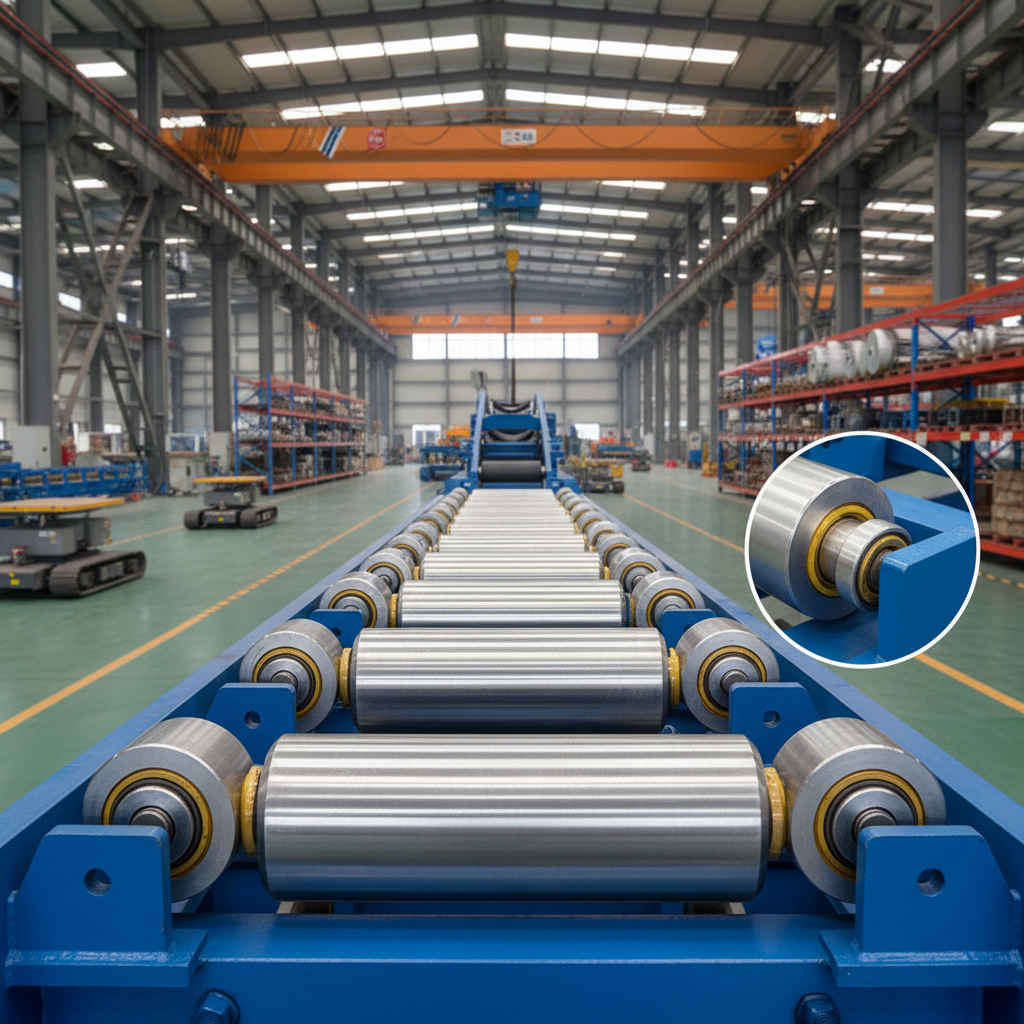
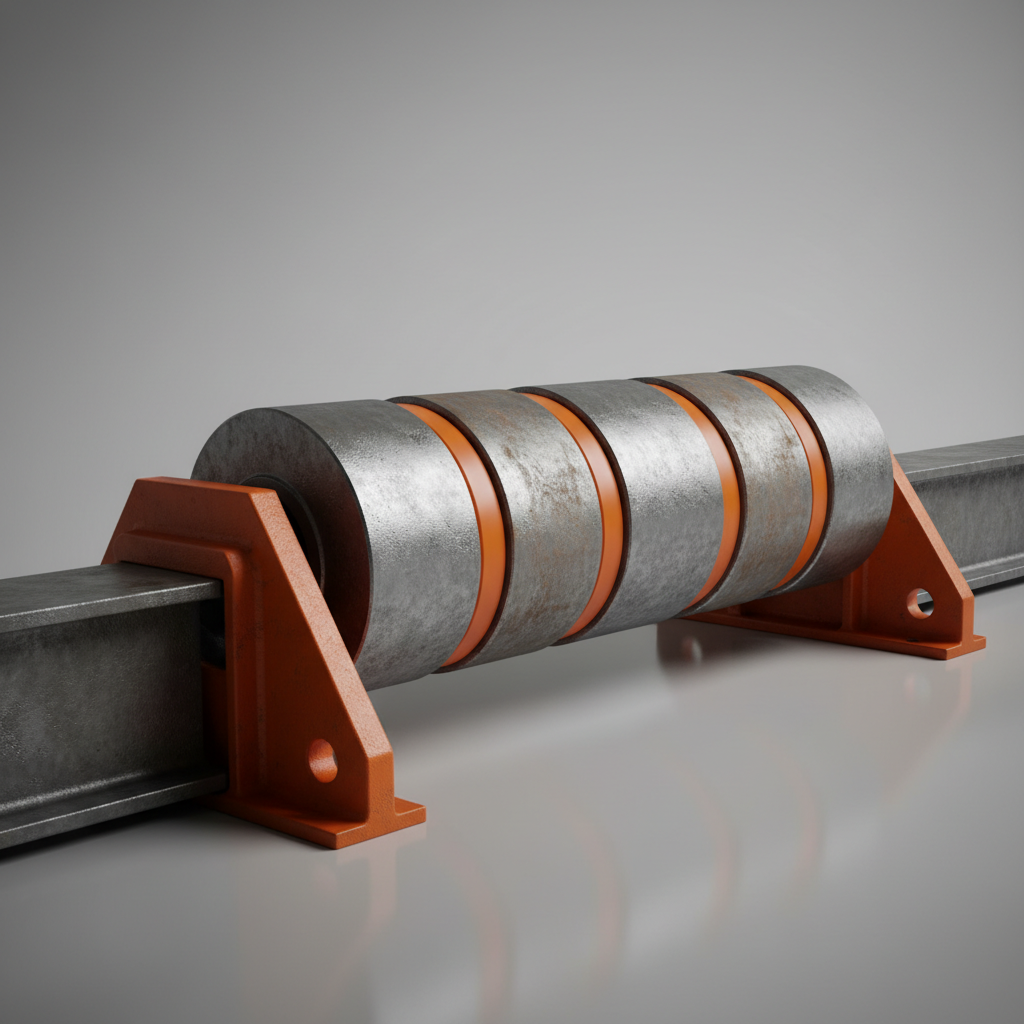
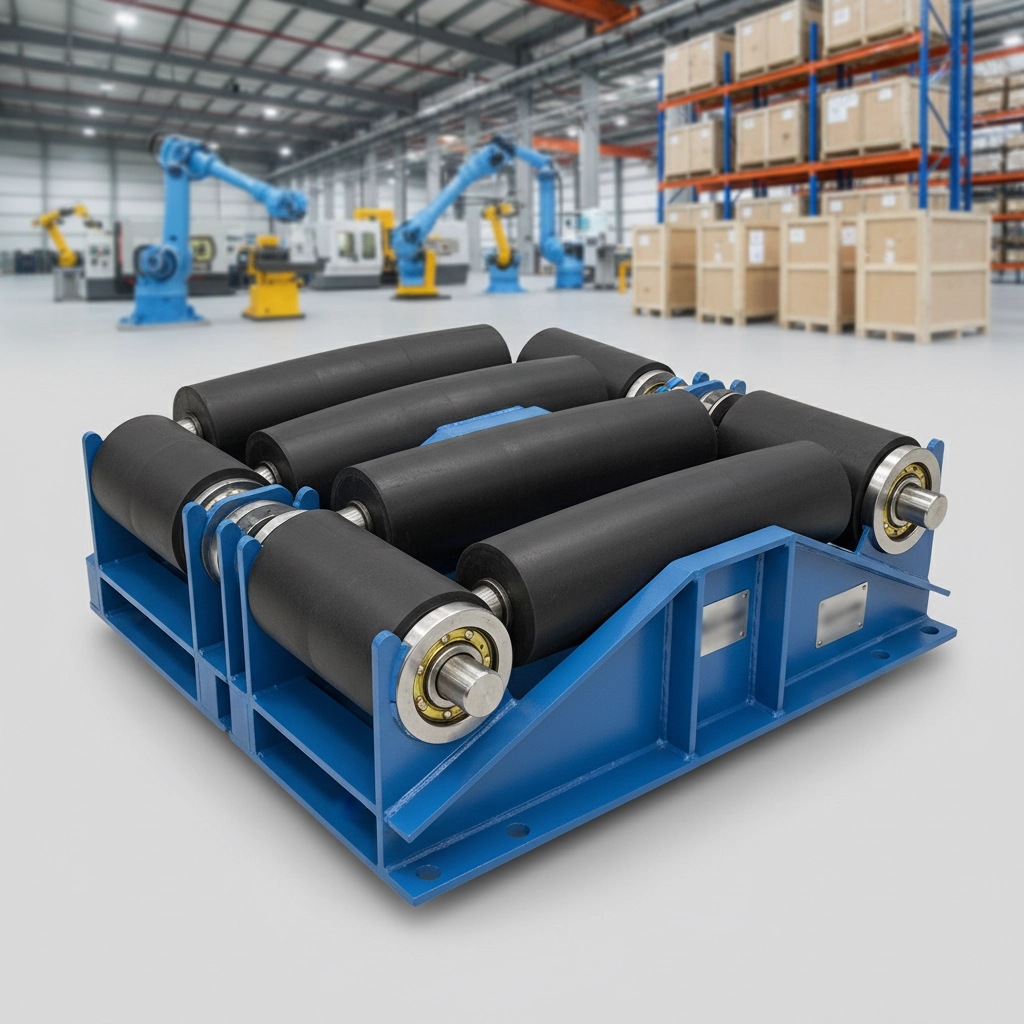
In the demanding world of bulk material handling, the efficiency of a conveyor system is only as reliable as its supporting components. superior conveyor idlers serve as the unsung heroes of industrial transport, ensuring that belts remain aligned, friction is minimized, and downtime is drastically reduced. By providing precise structural support, these high-performance rollers enable the seamless movement of thousands of tons of material daily across various global sectors.
The global shift toward automation and high-capacity throughput has placed unprecedented pressure on conveyor hardware. Standard rollers often fail under extreme loads or corrosive environments, leading to costly unplanned outages and safety hazards. This is why investing in superior conveyor idlers is no longer an optional upgrade but a strategic necessity for companies aiming to optimize their Operational Expenditure (OPEX) and maintain a competitive edge in the global supply chain.
Understanding the nuances of idler technology—from impact absorption to precision alignment—allows plant managers to transition from reactive maintenance to a proactive reliability strategy. This comprehensive guide explores the technical architecture, industrial applications, and future innovations of superior conveyor idlers, providing a roadmap for enhancing system longevity and overall plant productivity.
Global Relevance of Superior Conveyor Idlers
On a global scale, the movement of minerals, grains, and aggregates forms the backbone of the world economy. According to international industrial standards, conveyor system efficiency is directly proportional to the quality of the rollers used. The implementation of superior conveyor idlers across mining operations in Australia or logistics hubs in Europe ensures that energy consumption is kept to a minimum while maximizing the tonnage per hour.
The primary challenge facing the industry today is the "friction gap"—the energy loss caused by substandard rollers that increase belt drag. By utilizing superior conveyor idlers, companies can reduce their carbon footprint and align with ISO energy efficiency goals. This shift not only protects the machinery but also contributes to a more sustainable industrial ecosystem by reducing the frequency of replacement parts.
Defining Superior Conveyor Idlers in Modern Industry
In simple technical terms, superior conveyor idlers are precision-engineered rollers designed to support the conveyor belt and the load it carries. Unlike generic rollers, "superior" idlers are characterized by their use of high-grade materials—such as reinforced polymers or treated alloys—and advanced sealing systems that prevent contaminants from entering the bearing housing.
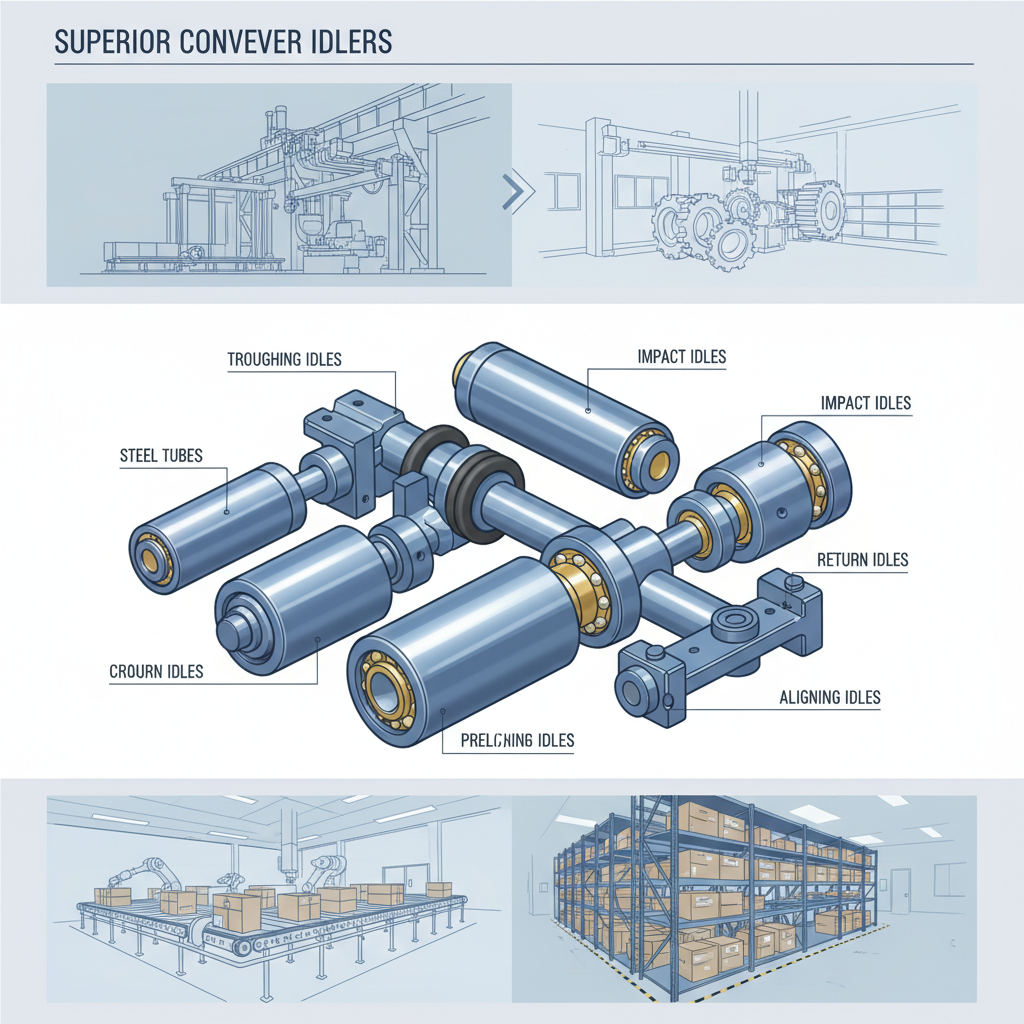
In the context of modern industry, these components are the critical interface between the static structure of the conveyor and the dynamic movement of the belt. They encompass a wide range of specialized tools, including troughing idlers for material centering, impact idlers for loading zones, and aligning idlers to prevent belt drift. This versatility makes them indispensable for maintaining operational continuity.
Beyond mere hardware, these idlers represent a commitment to safety and reliability. In high-risk environments like underground mines or chemical plants, a single failed roller can lead to belt misalignment, material spillage, or even catastrophic fire due to friction. Therefore, superior conveyor idlers act as a safeguard, ensuring that humanitarian and industrial needs for raw materials are met without compromising worker safety.
Core Components of High-Performance Idlers
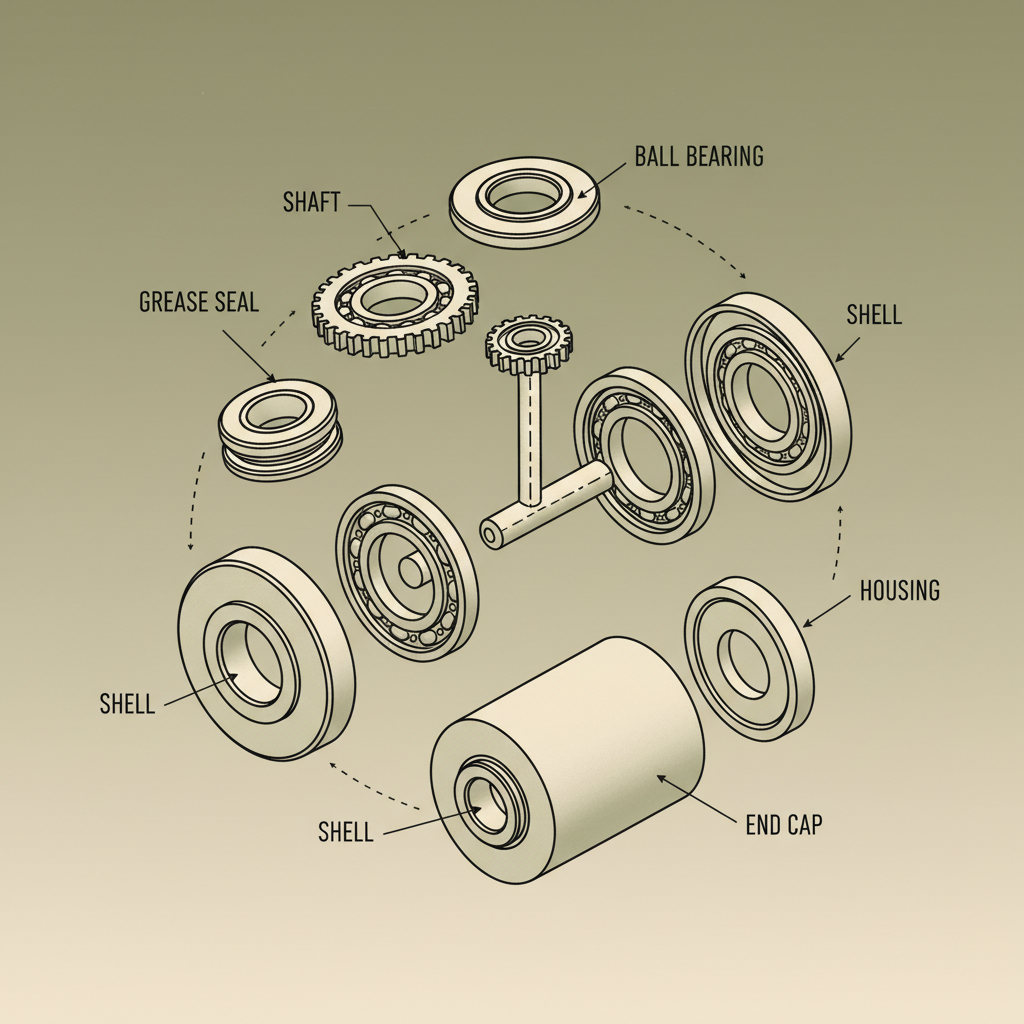
Durability is the cornerstone of superior conveyor idlers. This is achieved through the integration of heavy-duty shell materials and precision-ground shafts. By utilizing high-density polyethylene (HDPE) or specialized steel, these rollers resist abrasion from abrasive ores and corrosion from moisture, ensuring a longer service life compared to standard options.
The bearing system is the heart of superior conveyor idlers. High-precision bearings combined with multi-labyrinth seals ensure that grease remains inside while dust and water are locked out. This reduction in internal friction not only extends the life of the roller but also significantly lowers the torque required to move the belt, resulting in direct electricity savings.
Scalability and adaptability are equally important. Whether it is a customized roller for a narrow-belt application or a heavy-duty impact bed for massive ore deposits, superior conveyor idlers are designed to be modular. This allows plant engineers to swap components quickly, reducing the Mean Time To Repair (MTTR) and increasing overall equipment effectiveness (OEE).
Technical Performance Metrics for Idler Selection
When selecting superior conveyor idlers, engineers look at several key performance indicators (KPIs). These include the dynamic load capacity, the coefficient of rolling resistance, and the ingress protection (IP) rating of the seals. A superior idler must maintain a low rolling resistance even under full load to prevent the motor from overheating and to reduce belt wear.
Moreover, the impact absorption rate is critical for rollers located at loading points. By integrating rubber cushioning or spring-loaded mechanisms, superior conveyor idlers protect the belt carcass from puncture and elongation, which are the leading causes of belt failure in heavy industrial applications.
Performance Comparison of Various Idler Technologies
Global Industrial Applications and Use Cases
The versatility of superior conveyor idlers allows them to be deployed in the harshest environments on Earth. In the iron ore mines of the Pilbara region in Australia, heavy-duty troughing idlers are used to move massive volumes of ore over kilometers of terrain. In these settings, the ability to resist extreme heat and abrasive dust is the primary requirement for maintaining a constant flow of material.
In contrast, the food and pharmaceutical industries utilize specialized stainless steel or polyurethane superior conveyor idlers to meet stringent hygiene standards. These rollers are designed for easy cleaning and resistance to chemical wash-downs, ensuring that contamination is prevented while the product moves smoothly through the processing line.
Long-Term Value and Sustainability Benefits
Investing in superior conveyor idlers provides a tangible return on investment (ROI) through the reduction of Total Cost of Ownership (TCO). While the initial acquisition cost may be higher than generic rollers, the extended lifespan means fewer replacements and a significant reduction in labor costs associated with maintenance.
From a sustainability perspective, high-efficiency rollers reduce the energy load on the drive motors. Since conveyor systems often run 24/7, even a 2% reduction in rolling resistance can translate into thousands of kilowatt-hours saved annually. This logical approach to energy efficiency directly supports corporate ESG (Environmental, Social, and Governance) goals.
Beyond the numbers, there is a profound human impact. Reliable hardware means fewer emergency repairs in dangerous areas, enhancing the safety and dignity of the workforce. When technicians trust that their superior conveyor idlers will perform, the overall stress of the operational environment decreases, fostering a culture of innovation and trust.
Future Innovations in Idler Technology
The future of superior conveyor idlers is inextricably linked to the Industrial Internet of Things (IIoT). "Smart idlers" are currently being developed with embedded sensors that can monitor vibration and temperature in real-time. This allows for predictive maintenance, where a roller is replaced only when the data indicates an imminent failure, rather than on a rigid, inefficient schedule.
Material science is also evolving, with the introduction of nano-composite coatings that further reduce friction and increase hardness. These innovations ensure that superior conveyor idlers can operate in increasingly extreme conditions, such as ultra-low temperature Arctic mining or high-humidity tropical plantations.
Furthermore, the move toward circular economy principles is driving the development of fully recyclable idler components. Future superior conveyor idlers will be designed for easy disassembly, allowing the steel and polymers to be recovered and reused, thereby minimizing the environmental impact of industrial waste.
Comparison of Technical Specifications for Next-Gen Idlers
| Idler Type |
Wear Resistance (1-10) |
Energy Efficiency |
Maintenance Cycle |
| Standard Steel Idler |
6 |
Moderate |
6 Months |
| Ceramic Coated Idler |
10 |
High |
24 Months |
| HDPE Poly Roller |
8 |
Very High |
18 Months |
| Smart Sensor Idler |
7 |
High |
Predictive |
| Rubber Impact Idler |
9 |
Moderate |
12 Months |
| Polyurethane Idler |
8 |
High |
15 Months |
FAQS
Superior conveyor idlers differ primarily in their material composition and precision engineering. While traditional rollers often use basic steel and simple seals, superior idlers utilize high-grade alloys, HDPE, or ceramic coatings combined with multi-labyrinth seals. This results in significantly lower rolling resistance, higher load capacities, and a far greater resistance to environmental contaminants, which extends the overall lifespan of the conveyor belt.
Cost reduction occurs through three main channels: energy, maintenance, and downtime. By reducing friction, superior idlers lower the electricity required to drive the belt. Their extended durability means fewer replacement cycles and less labor cost. Most importantly, they prevent belt misalignment and failure, avoiding the catastrophic costs associated with unplanned system shutdowns in high-volume production environments.
Yes, most superior conveyor idlers are designed to be compatible with standard frame dimensions. Because they focus on internal quality (bearings, seals, and shell material) rather than changing the structural layout, they can typically be swapped into existing systems without requiring modifications to the conveyor frame. This allows companies to upgrade their system's reliability incrementally.
For loading zones, impact idlers are the optimal choice. These specialized superior conveyor idlers feature rubber rings or spring-loaded mechanisms that absorb the kinetic energy of falling materials. This prevents the belt from stretching or tearing and protects the roller shell from deformation, ensuring that the transition from the chute to the belt is smooth and durable.
While they last longer, regular inspections are still vital. We recommend a visual check every month for belt tracking and noise. A detailed technical audit every six months—checking for shell wear and bearing play—is advisable. However, if you are using smart idlers with IIoT sensors, your inspection schedule can be shifted to a predictive model based on real-time vibration data.
In many applications, high-density polymer idlers are actually preferable. While steel has higher raw hardness, polymer idlers offer superior corrosion resistance and lower rolling resistance. They are equally capable of handling standard loads and are far more effective in wet or chemically aggressive environments where steel would rust and seize, making them a "stronger" choice for specific industrial contexts.
Conclusion
The integration of superior conveyor idlers represents a critical pivot from basic material transport to optimized industrial logistics. By focusing on precision engineering, advanced material science, and energy efficiency, these components do more than just support a belt; they enhance the entire operational lifecycle of a facility. From reducing energy consumption to ensuring worker safety and minimizing unplanned downtime, the value of high-quality idlers is evident in every ton of material moved.
As we move toward a future of autonomous mining and "Green Industry" standards, the role of smart and sustainable idlers will only grow. Companies that prioritize the quality of their supporting hardware today will find themselves better positioned for the digital transformation of tomorrow. To secure the longevity of your conveyor systems and optimize your throughput, we invite you to explore our range of precision-engineered solutions. Visit our website: www.idleraohua.com