


خبرونه
-
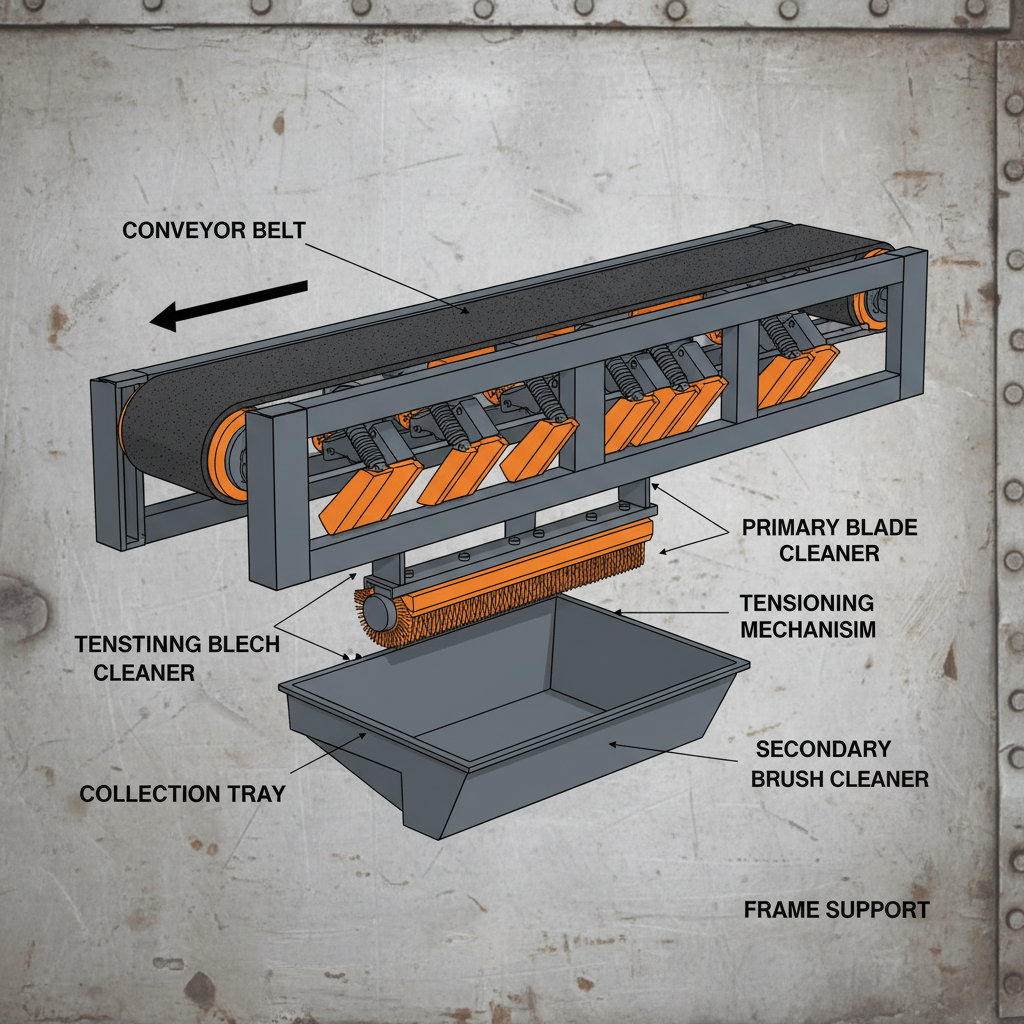
Optimize Conveyor Efficiency with High Performance Rubber Belt Cleaner Solutions
Maintaining conveyor belt systems is crucial for operational efficiency and longevity in various industries. A key component of this maintenance is the use of a rubber belt cleaner. These cleaners effectively remove debris, buildup, and contaminants, preventing slippage, damage, and costly downtime. This comprehensive guide will explore the benefits, types, applications, and selection criteria for rubber belt cleaners, helping you optimize your conveyor system’s performance. Investing in a quality belt cleaner can significantly reduce maintenance costs and extend the life of your belts. The benefits of using a rubber belt cleaner are numerous. Firstly, they prevent material buildup, which can cause belt slippage, leading to inaccurate product placement and reduced efficiency. Secondly, a clean belt reduces wear and tear, extending its lifespan and lowering replacement costs. Thirdly, consistent cleaning minimizes the risk of contamination, especially important in food processing and pharmaceutical industries.نور یی ولوله -
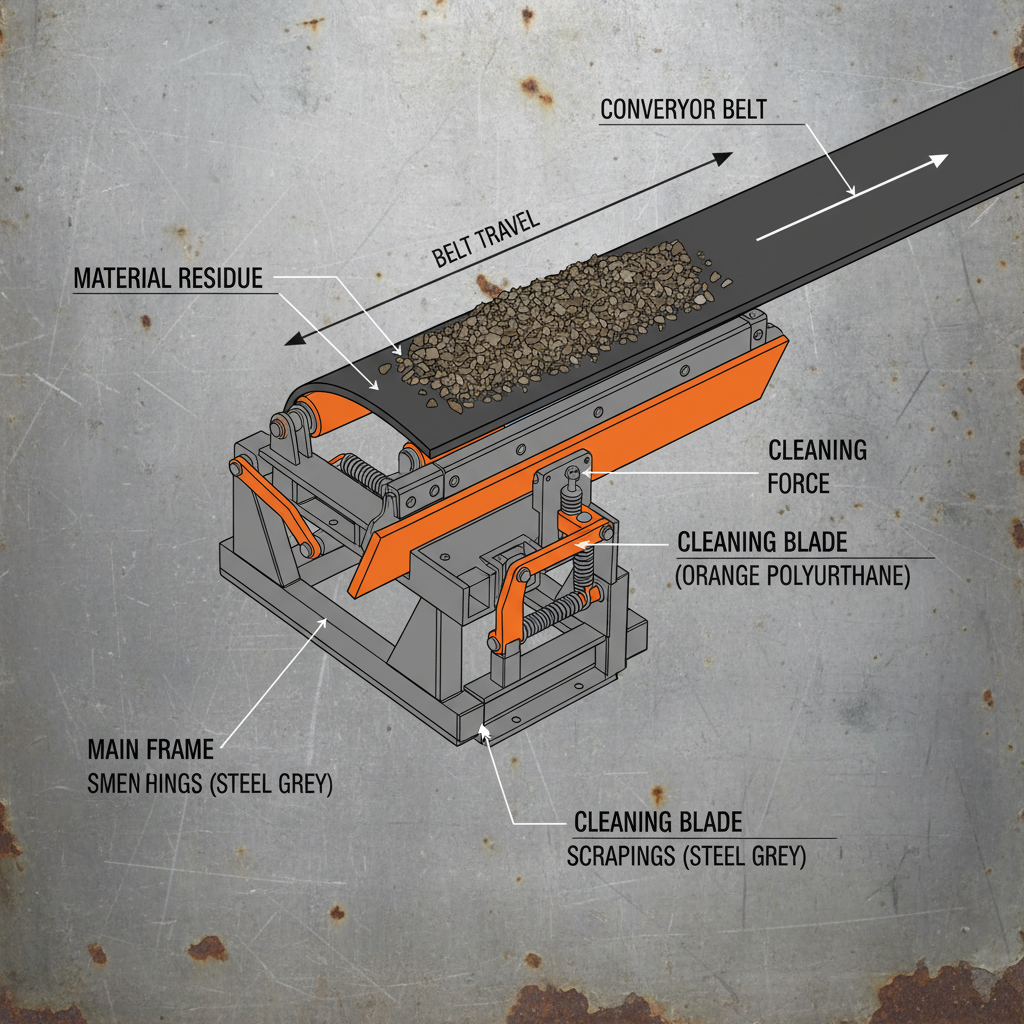
Optimizing Conveyor Performance with the Right Primary Belt Cleaner Selection
Maintaining the efficiency of conveyor systems is vital for smooth operations in various industries, from mining and aggregate to food processing. A crucial component in this maintenance is the primary belt cleaner, which effectively removes sticky materials and debris that can build up on the conveyor belt. Selecting the appropriate cleaner significantly impacts belt life, reduces downtime, and ensures operational safety. This article will explore the different types of primary belt cleaners, their applications, key features, and how to choose the best solution for your specific needs. The primary belt cleaner is the first line of defense against material buildup on conveyor belts. Without an effective cleaner, carried-back material accumulates, causing issues like belt slippage, increased wear, premature belt failure, and potential safety hazards. This buildup also affects the accuracy of weighing systems and can lead to material spillage. Investing in a high-quality primary belt cleaner is a proactive step towards minimizing these problems and maximizing the return on investment in your conveyor system.نور یی ولوله -
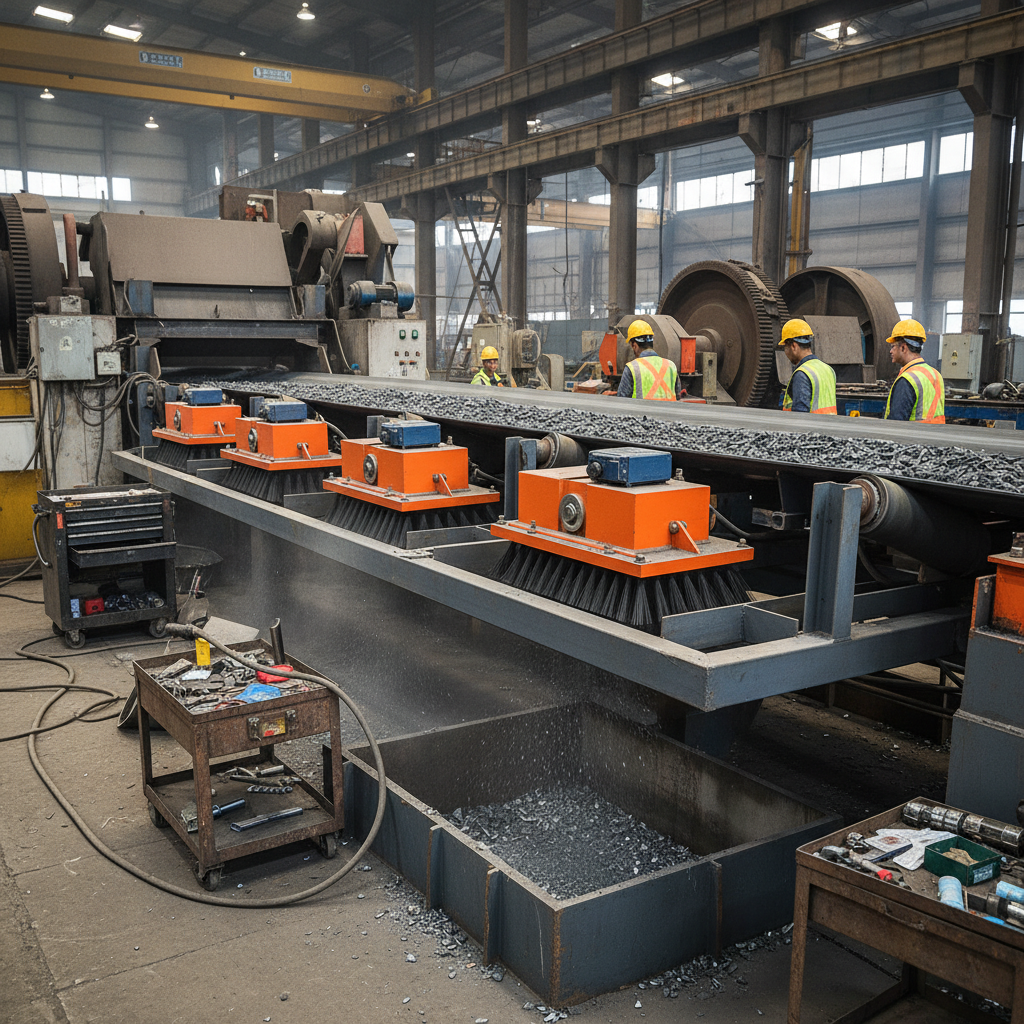
Maximize Conveyor Efficiency with Quality Conveyor Belt Brush Scrapers
Maintaining a clean and efficient conveyor system is crucial for businesses involved in bulk material handling. Conveyor belt brush scrapers play a vital role in removing debris, preventing material buildup, and ultimately extending the life of your conveyor components. This article will explore the benefits of utilizing these scrapers, different types available, key considerations for selection, and best practices for maintenance. Proper scraper selection and maintenance will reduce downtime, increase productivity, and contribute to significant cost savings. We'll delve into how Idler Aohua provides high-quality solutions for your conveyor needs. Implementing conveyor belt brush scrapers offers a multitude of advantages. They significantly reduce material buildup on rollers, idlers, and the belt itself, minimizing friction and energy consumption. This directly translates to lower operating costs and improved system efficiency. By preventing material accumulation, scrapers also help maintain consistent belt tracking, reducing the risk of misalignment and potential damage.نور یی ولوله -
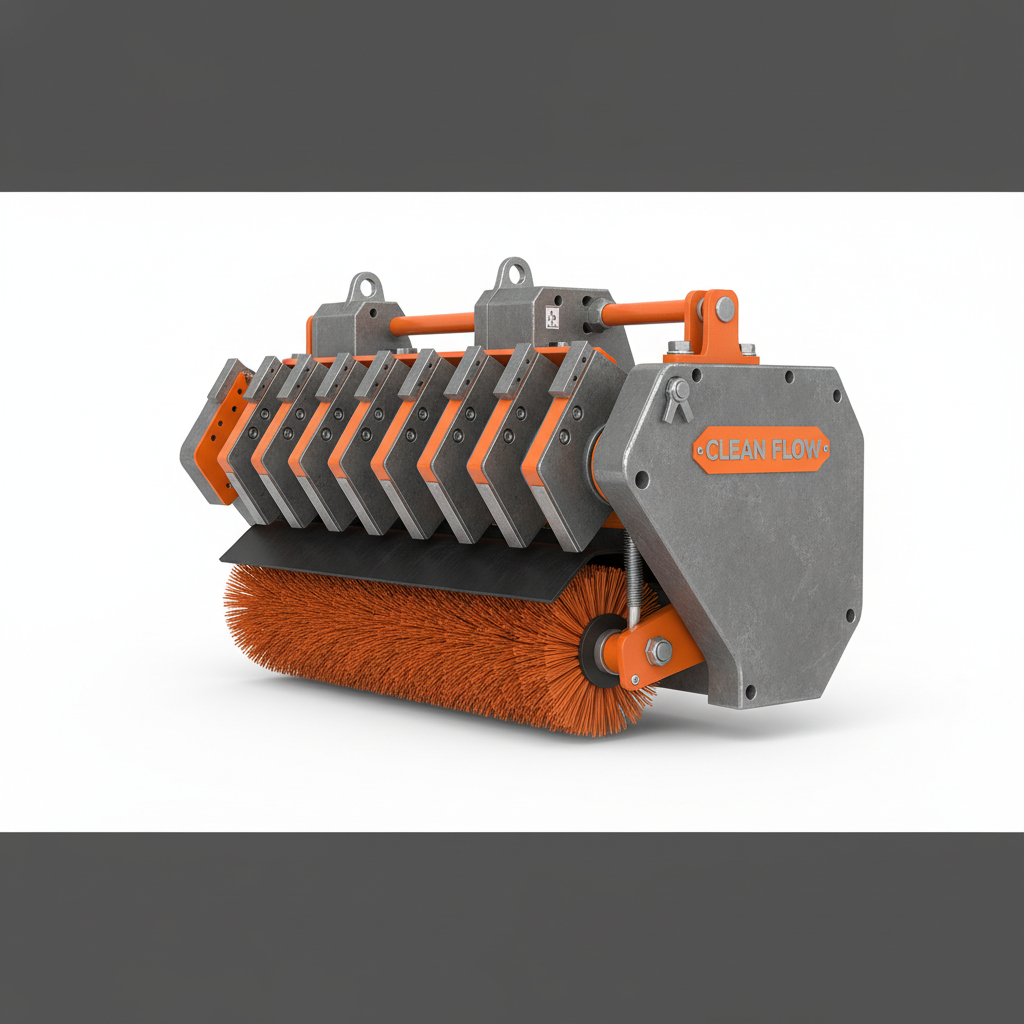
Optimizing Operational Efficiency with the Right Conveyor Cleaner Selection
Maintaining clean conveyor systems is critical for operational efficiency, product quality, and safety in industries ranging from food processing to mining. A buildup of debris can lead to malfunctions, contamination, and increased maintenance costs. Selecting the appropriate conveyor cleaner is, therefore, a vital investment. This article provides a comprehensive guide to understanding the various types of conveyor cleaners, their applications, and key factors to consider when making a purchase. We'll explore how a clean conveyor system contributes to improved productivity and reduced downtime. Conveyor cleaners come in several forms, each designed for specific applications and belt types. Common types include blade scrapers, secondary scrapers, plough scrapers, and urethane cleaners. Blade scrapers, often made of steel or carbide, are effective at removing sticky materials. Secondary scrapers provide a final clean, removing any residual debris. Plough scrapers are ideal for belts carrying large, heavy materials. Urethane cleaners offer a gentler cleaning action for sensitive products. Understanding these differences is the first step in choosing the right solution for your needs. Idler Aohua offers a diverse range of conveyor cleaner solutions.نور یی ولوله -
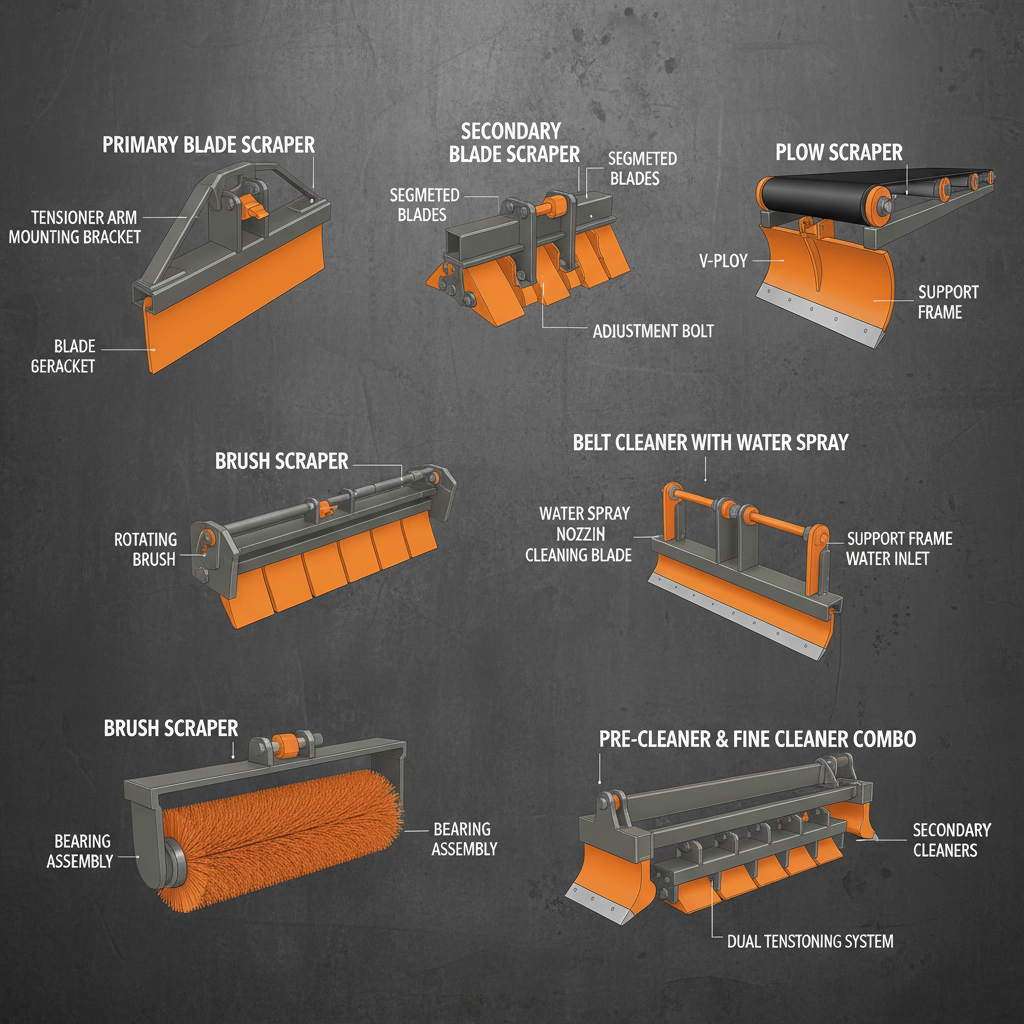
Comprehensive Guide to Conveyor Belt Scraper Types and Selection
Efficient material handling relies heavily on the proper maintenance of conveyor belts. A critical component of this maintenance is the conveyor belt scraper, responsible for preventing material buildup and ensuring consistent operation. Selecting the right scraper type is paramount for optimal performance and longevity of your conveyor system. This article will delve into the various conveyor belt scraper types available, their applications, and how to choose the best option for your specific needs. Investing in the correct scraper reduces downtime, minimizes material loss, and extends the life of your conveyor belt system. Conveyor belt scrapers come in a diverse range of designs, each tailored for specific applications and belt types. Understanding these variations is key to making an informed decision. The main categories include mechanical scrapers, spring-loaded scrapers, carbide scrapers, and urethane scrapers. Each type utilizes different materials and mechanisms to effectively remove buildup. The best choice depends on factors like the type of material being conveyed, belt speed, and the degree of buildup.نور یی ولوله -
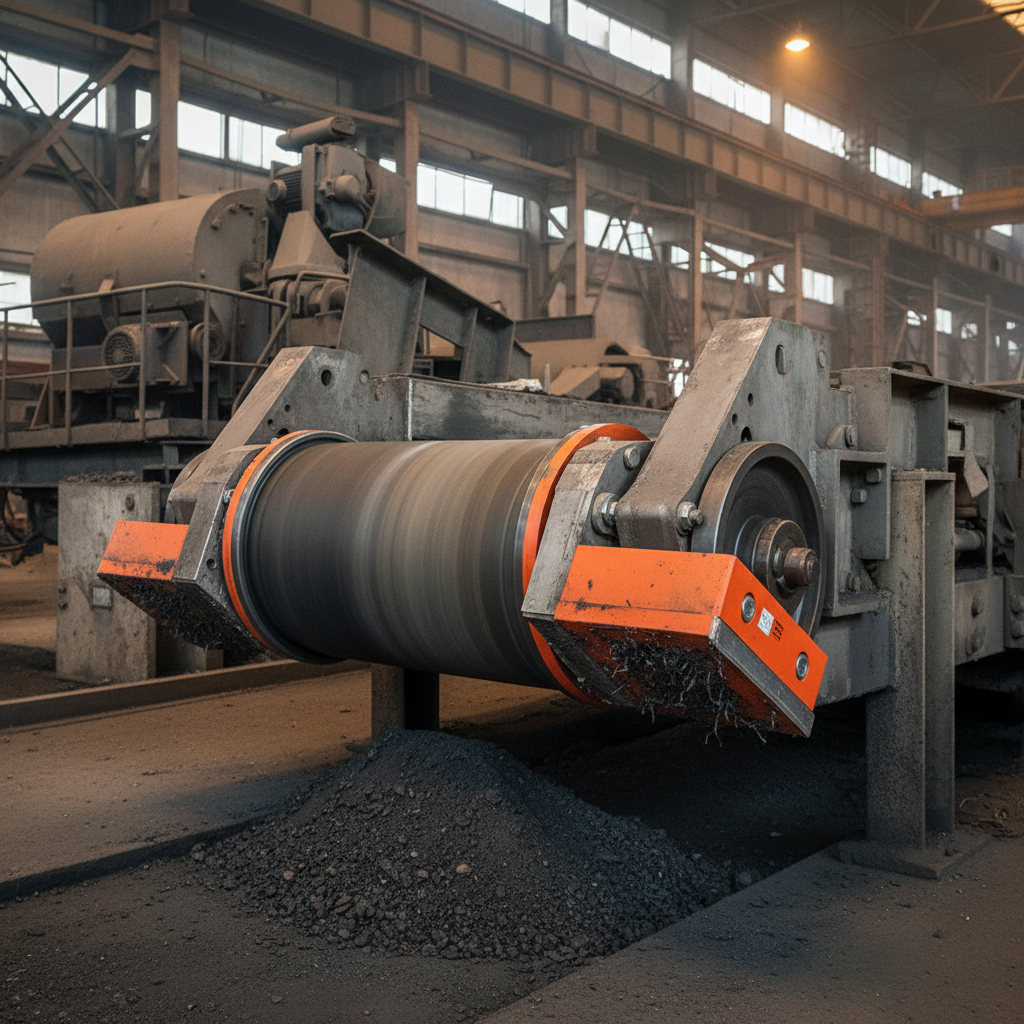
Optimizing Conveyor Systems with the Right Belt Scraper Selection
Efficient material handling is crucial for productivity in many industries. A key component in these systems is the belt scraper, designed to remove build-up from conveyor belts and prevent costly downtime. This article provides a detailed overview of belt scrapers, their types, applications, benefits, and how to select the best option for your needs. Understanding the nuances of belt scrapers is vital for optimizing your operations. A belt scraper’s primary function is to effectively clean conveyor belts, removing materials that adhere to the belt surface. This build-up, if left unchecked, can lead to several issues: reduced belt life, mistracking, increased energy consumption, and product contamination. By maintaining a clean belt, you improve operational efficiency, reduce maintenance costs, and ensure product quality. Properly maintained belts are also safer, reducing the risk of accidents. Investing in the right idler roller belt scraper will yield significant returns. Belt scrapers come in various designs, each suited for different applications and materials. The most common types include: Mechanical Belt Scrapers, Air Scrapers, Foam Belt Scrapers, and Segmented Belt Scrapers.نور یی ولوله -
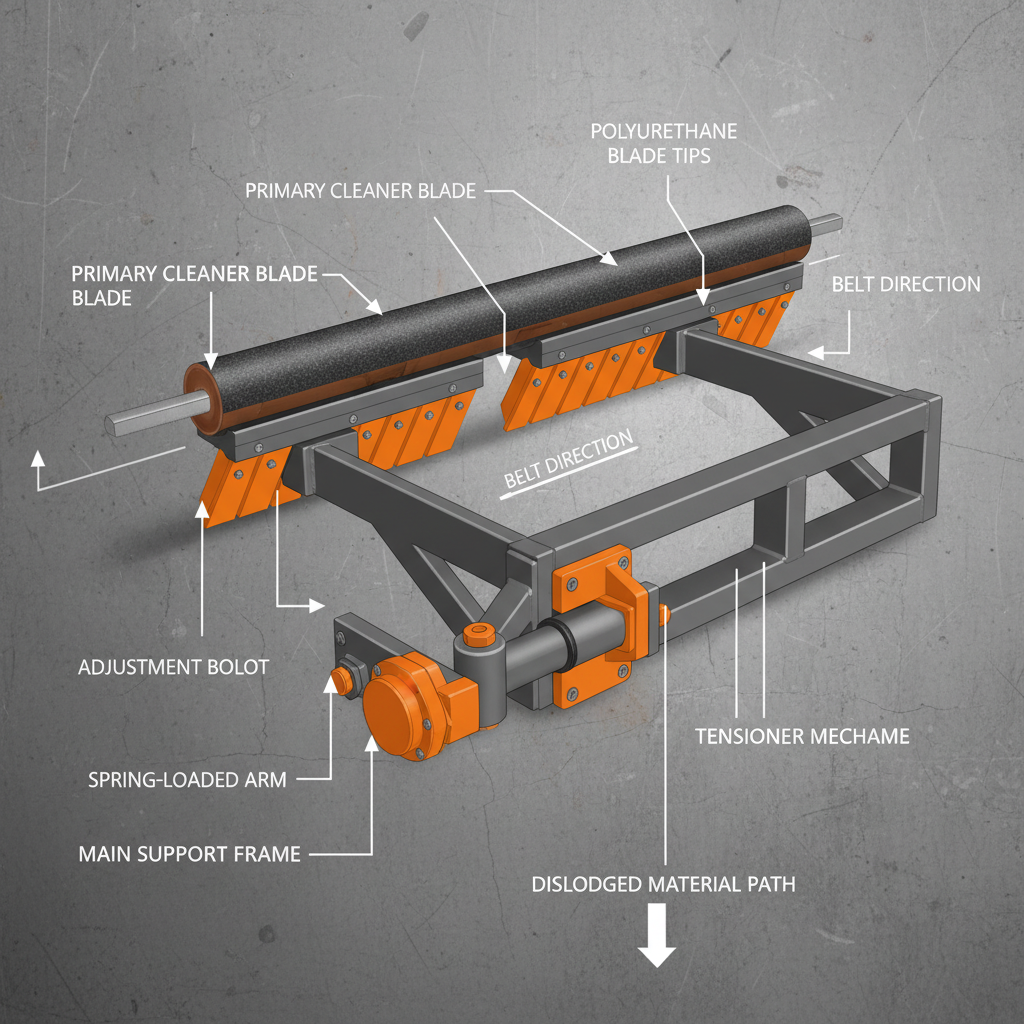
Effective Belt Cleaner Solutions for Enhanced Conveyor System Performance
Maintaining a clean conveyor belt is critical for operational efficiency and product quality. A belt cleaner removes debris, buildup, and contaminants that can cause slippage, damage, and premature wear. This article explores the importance of belt cleaners, different types available, factors to consider when selecting one, and how Idler Aohua offers effective solutions for various industries. Investing in a quality belt cleaner minimizes downtime, extends belt life, and ensures a consistent, reliable process. Contaminants on conveyor belts—like dust, rocks, sticky materials, and process by-products—pose several problems. These include reduced friction, leading to slippage and decreased carrying capacity. Buildup can also cause uneven wear on the belt, pulleys, and idlers, resulting in costly repairs and replacements. Furthermore, contamination can compromise product quality, particularly in food processing and pharmaceutical industries.نور یی ولوله -
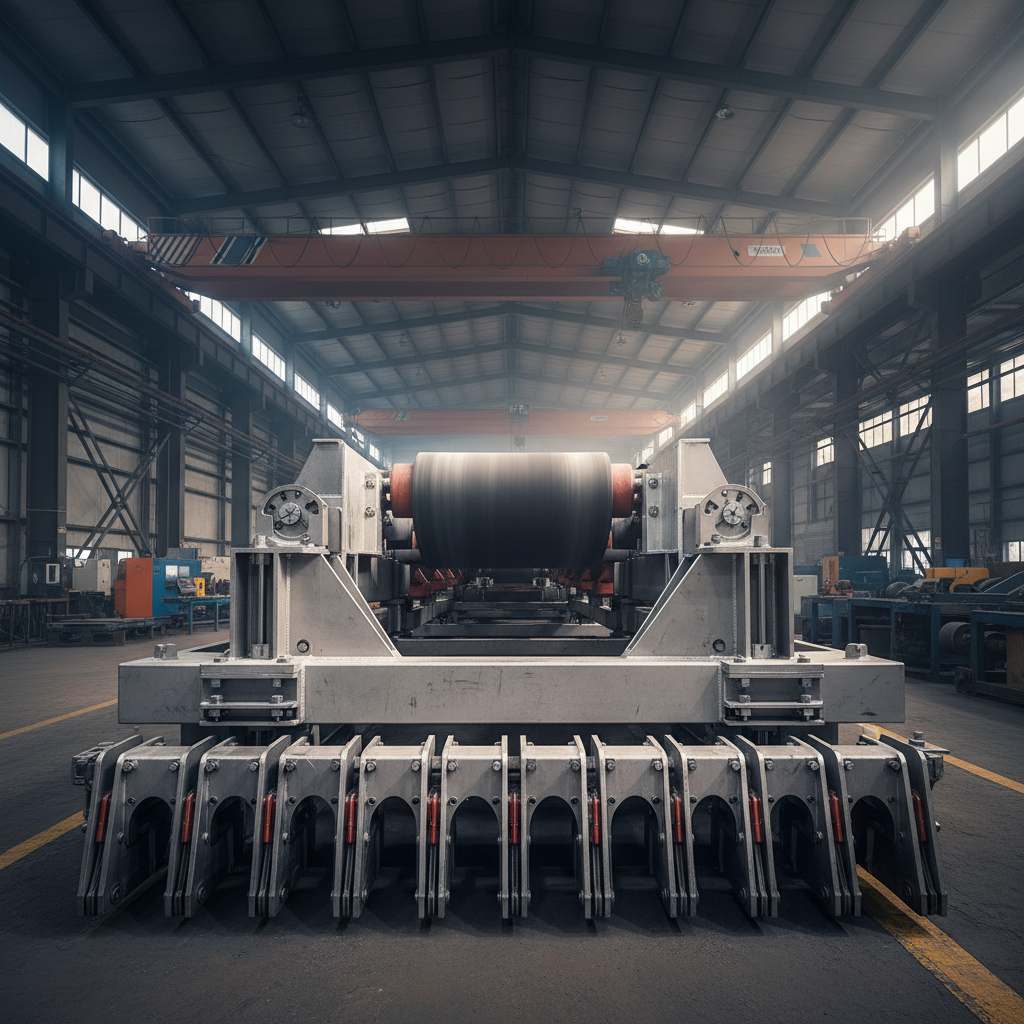
Comprehensive Guide to Conveyor Belt Scrapers for Optimal Material Handling
Efficient material handling is crucial for any industry relying on conveyor systems. A key component in maintaining that efficiency is the conveyor belt scraper. These devices effectively remove buildup on the belt, preventing material carryback and ensuring smooth operation. This article will explore the different types of scrapers, their benefits, selection criteria, and maintenance tips. Ensuring optimal scraper performance contributes significantly to reduced downtime, cleaner working environments, and extended conveyor belt life. IdlerAohua offers a wide range of solutions tailored to your specific needs. The primary function of a conveyor belt scraper is to prevent material buildup, often referred to as “carryback”. Carryback leads to several problems, including reduced belt life, increased cleaning costs, and potential safety hazards. A scraper effectively removes this buildup, leading to a more efficient and safer operation. Furthermore, preventing material buildup reduces power consumption as the conveyor system doesn't have to work as hard to move the load. Regular scraper maintenance is a small investment that yields significant returns.نور یی ولوله -
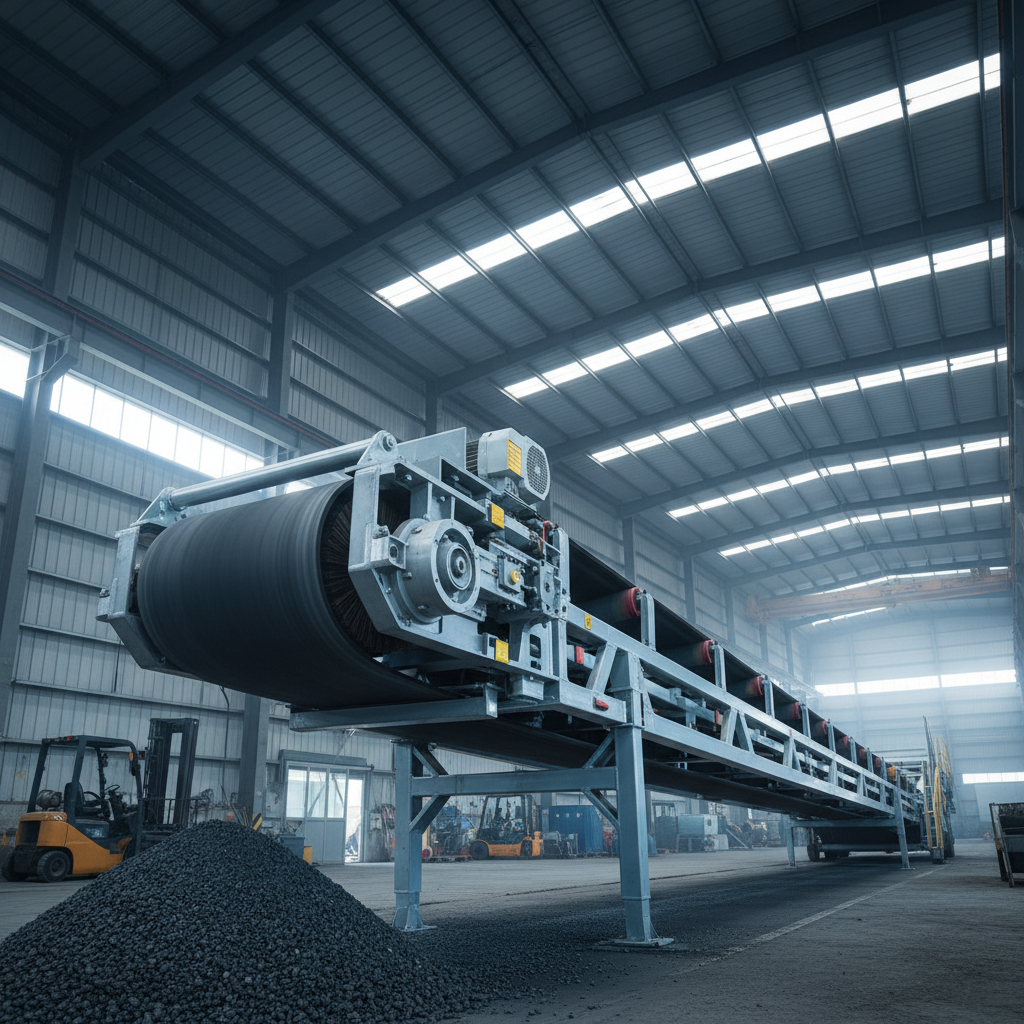
Optimize Conveyor Performance with the Right Belt Conveyor Cleaner Selection
Maintaining the efficiency and longevity of your conveyor system is crucial for smooth operations and minimizing downtime. A key component of this maintenance is a reliable belt conveyor cleaner. Selecting the appropriate cleaner significantly impacts belt life, material handling efficiency, and overall system performance. This article will delve into the different types of belt conveyor cleaners, their benefits, applications, and how to choose the best option for your specific needs. We’ll explore how a well-maintained conveyor system can lead to significant cost savings and increased productivity. Material buildup on conveyor belts, such as dust, debris, and sticky substances, can cause a multitude of problems. These include belt slippage, increased energy consumption, premature wear, and material contamination. A quality belt conveyor cleaner effectively removes these materials, preventing these issues and ensuring optimal system performance.نور یی ولوله -
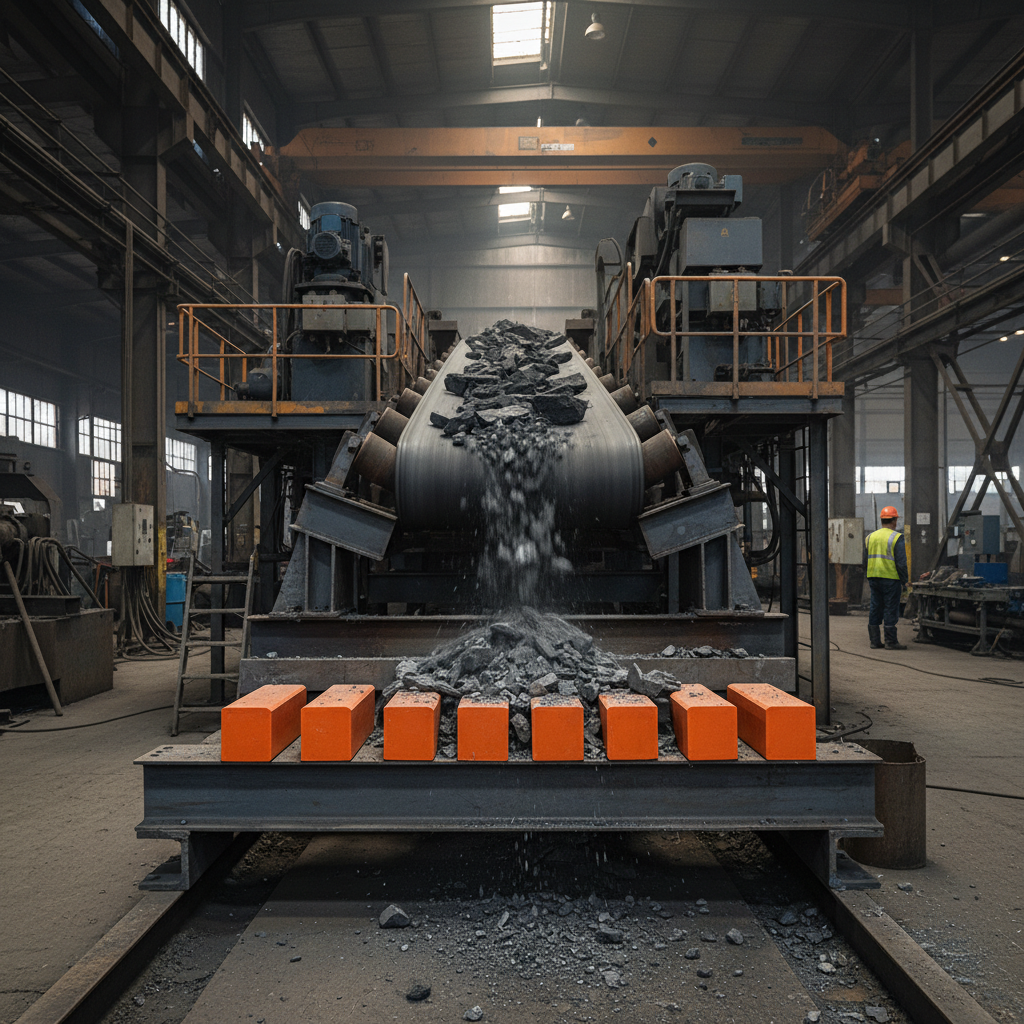
Optimize Conveyor Performance with the Right Conveyor Impact Bar Selection
In the world of material handling, the efficiency and longevity of your conveyor system are paramount. A crucial component often overlooked, but vital to the smooth operation of your line, is the conveyor impact bar. These robust protectors shield your conveyor belt from the wear and tear caused by heavy loads, reducing downtime and extending the life of your investment. This article will explore the importance of impact bars, factors to consider when choosing the right one, and how Idler Aohua can provide tailored solutions for your specific needs. A conveyor impact bar is strategically positioned beneath the conveyor belt where materials are discharged. This area experiences the greatest impact force. The impact bar absorbs this energy, preventing damage to the belt itself, the supporting structure, and ultimately minimizing costly disruptions to your workflow. Without adequate impact protection, belts can experience premature wear, tearing, and even catastrophic failure.نور یی ولوله -
Understanding the Critical Role of the Idler Frame in Conveyor Systems
In the world of conveyor systems, the idler frame is a critical, yet often overlooked, component. It’s the backbone supporting the idlers, ensuring smooth and efficient material handling. This article provides a thorough overview of idler frames – their function, types, selection criteria, and importance in optimizing conveyor belt performance. We'll explore how choosing the right idler frame from Idler Aohua can significantly impact your operations. An idler frame is the structural component that supports the idlers (rollers) along a conveyor belt. These frames are strategically positioned to bear the load of the belt and the conveyed material, preventing sagging and ensuring consistent belt tracking. A properly designed idler frame maintains optimal idler alignment, minimizes friction, and extends the lifespan of both the idlers and the belt itself.نور یی ولوله -
Comprehensive Guide to Rollers and Brackets for Mechanical Systems
Rollers and brackets are fundamental components in a wide range of mechanical systems, from simple door mechanisms to complex industrial machinery. They enable smooth motion, distribute weight effectively, and provide structural support. This article will delve into the various types, applications, and considerations when selecting rollers and brackets, offering a comprehensive overview for engineers, manufacturers, and anyone involved in mechanical design. Choosing the right components is crucial for optimal performance and longevity of any system. Rollers come in diverse configurations to suit various applications. Common types include: V-Groove Rollers, ideal for track systems; Flat Rollers, used for general sliding applications; Conical Rollers, providing self-centering capabilities; and Ball Transfer Rollers, excellent for omnidirectional movement. Material selection is also critical, with options like steel, stainless steel, nylon, and polyurethane offering different properties in terms of load capacity, wear resistance, and corrosion protection.نور یی ولوله