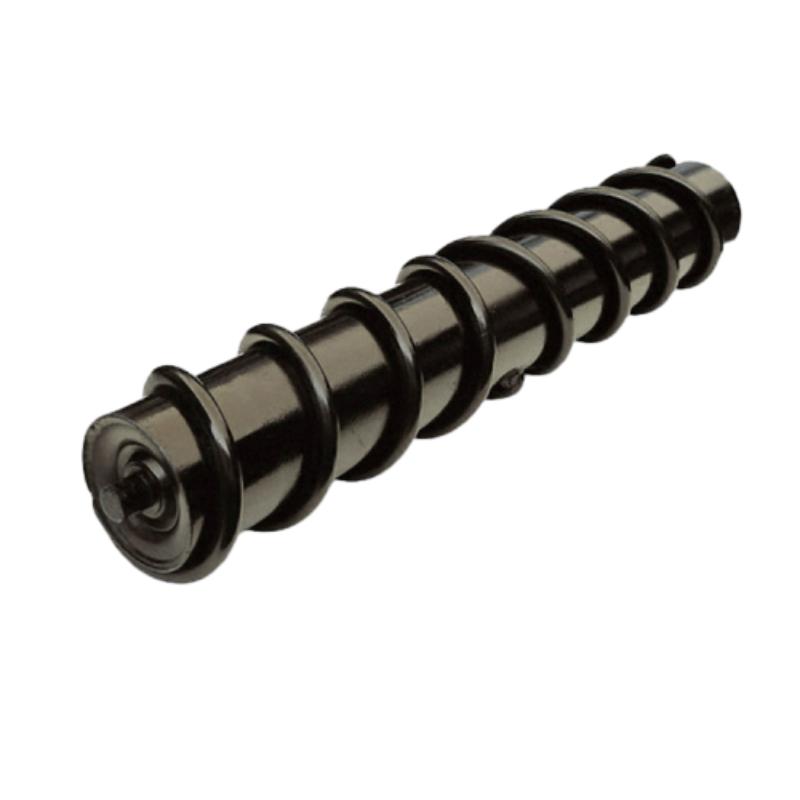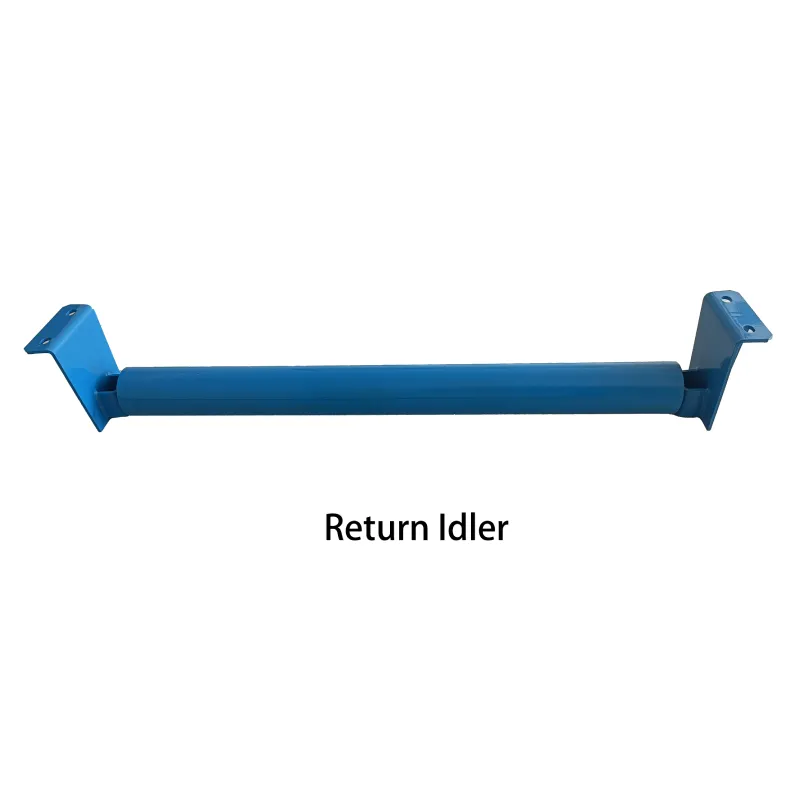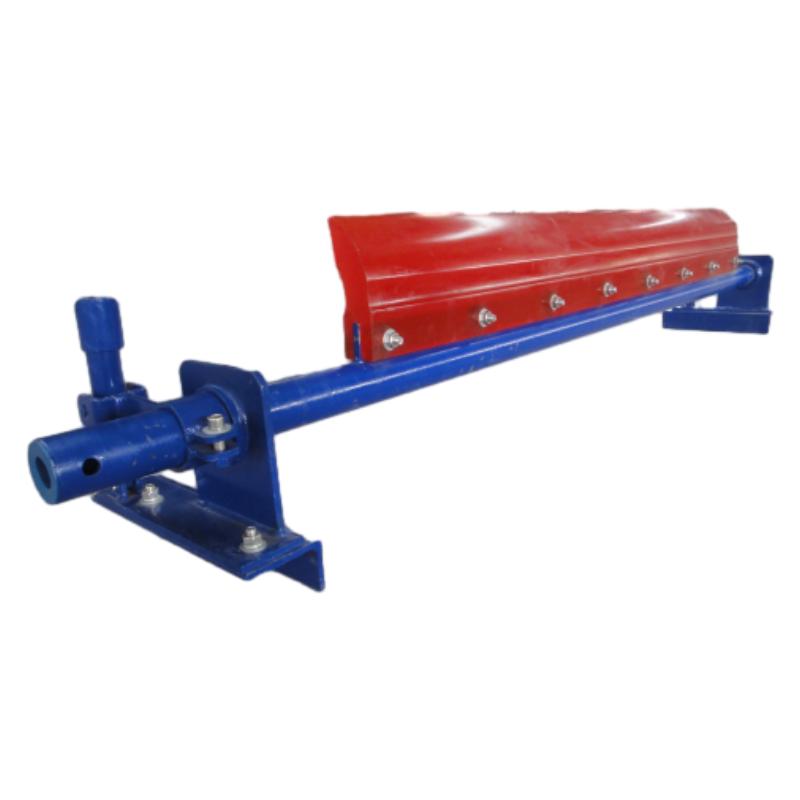


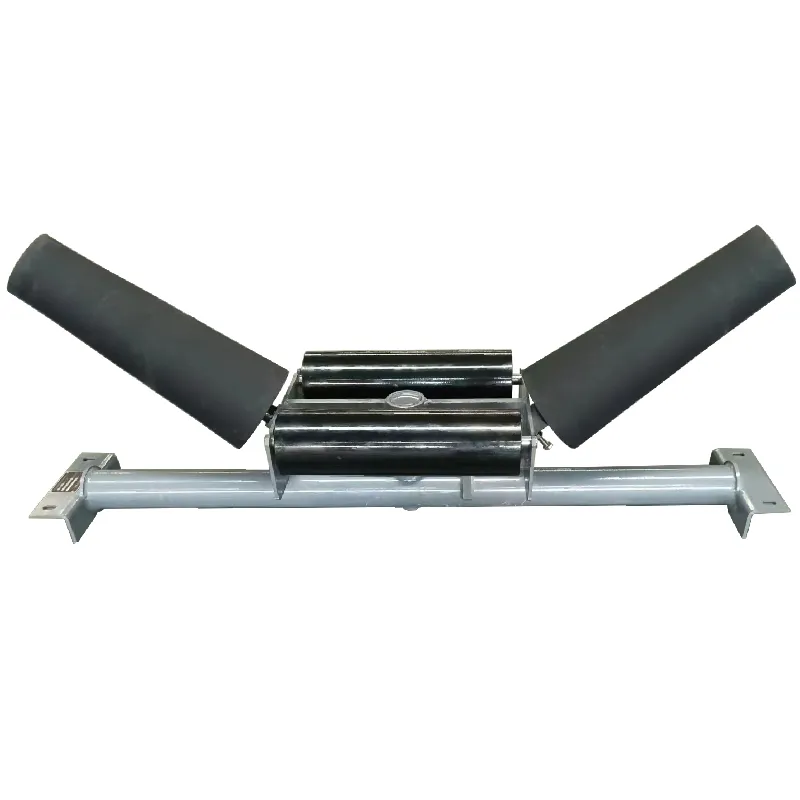
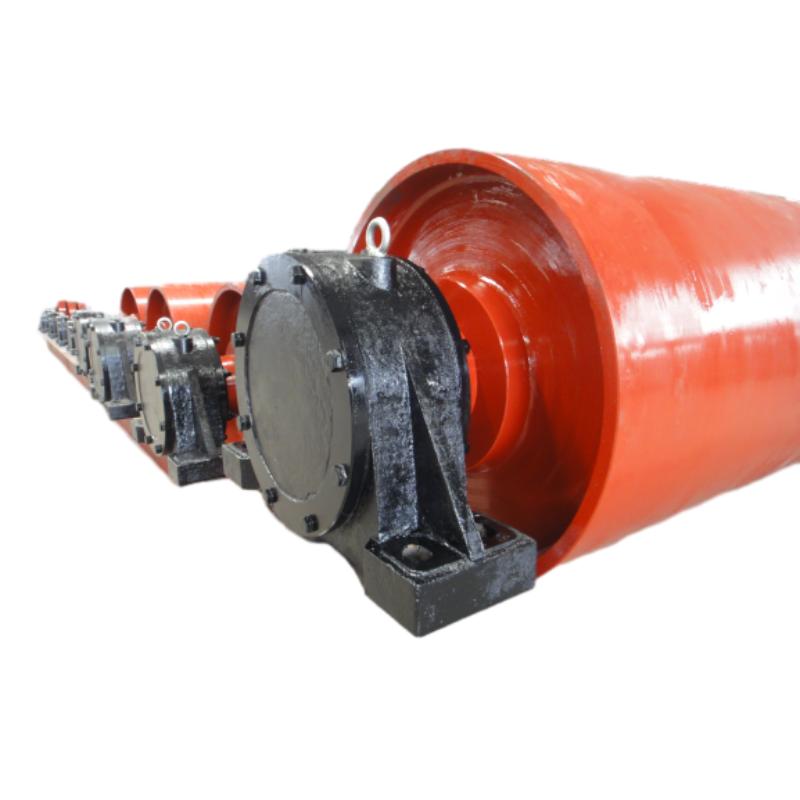
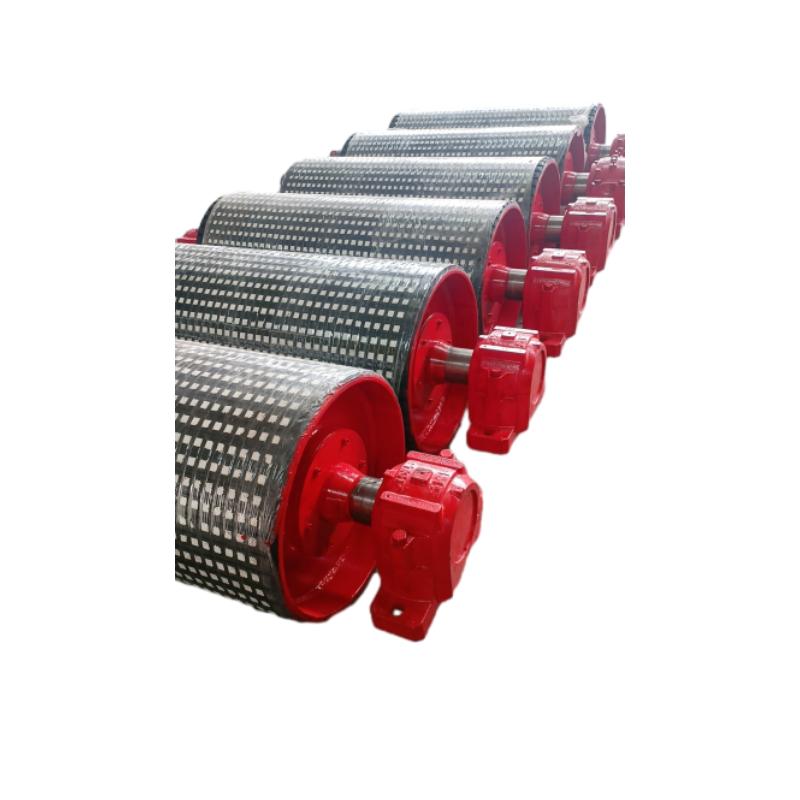
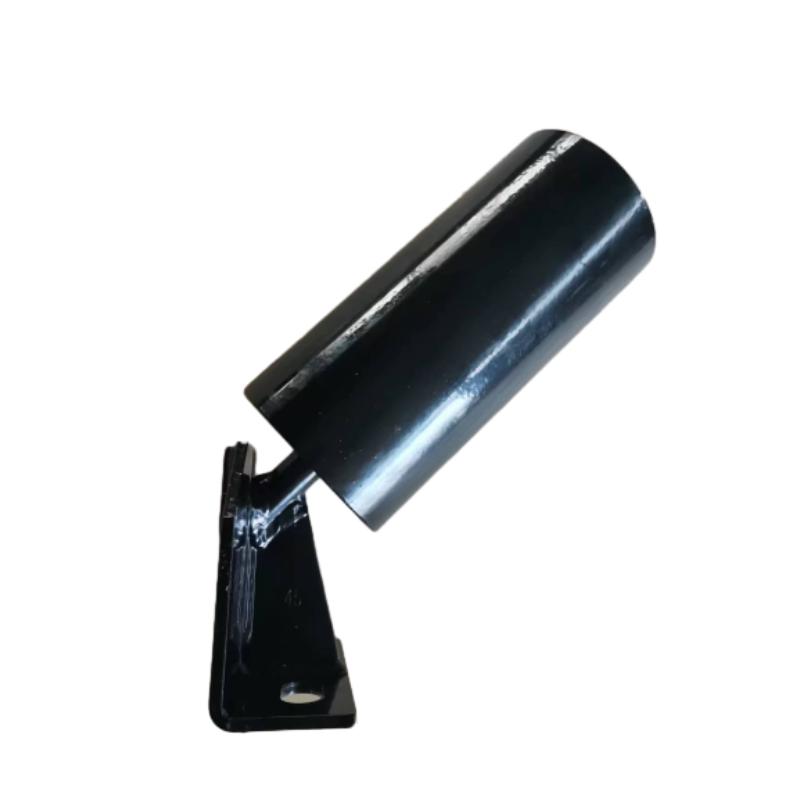
Myanmar's industrial sector, particularly in mining and agriculture, relies heavily on robust idlers and rollers to transport raw materials across challenging terrains. The high humidity and heavy seasonal rainfall in regions like Kayin and Shan state place extreme stress on mechanical components, often leading to premature corrosion and bearing failure.
Currently, many local operations utilize legacy equipment that lacks precision alignment. This creates a critical demand for high-quality training idler systems to prevent belt drift and reduce costly downtime in remote mining sites where replacement parts are difficult to source quickly.
The market is shifting from basic steel frames to engineered steel idler rollers that offer better load-bearing capacities. As Myanmar integrates more automated processing plants, the requirement for precision-machined rollers that reduce friction and energy consumption has become a priority for plant managers.