In the complex landscape of industrial material handling, the efficiency of a bulk transport system depends heavily on the quality of its supporting components. High-performance conveyor rollers and idlers serve as the fundamental foundation, reducing friction and ensuring the belt remains aligned under extreme loads. Without precision-engineered rollers, operational costs skyrocket due to premature belt wear and excessive energy consumption.
Globally, the demand for robust conveyor components is driven by the intensification of mining, quarrying, and large-scale manufacturing. The transition toward automation requires components that can withstand 24/7 operation with minimal human intervention. By optimizing the selection of idler types—ranging from impact rollers to troughing sets—companies can significantly extend the mean time between failures (MTBF) and enhance overall plant throughput.
Understanding the synergy between different types of conveyor rollers and idlers is not merely a technical necessity but a strategic commercial advantage. From selecting the right bearing housing to implementing advanced sealing systems, every detail contributes to a more sustainable and cost-effective supply chain. This guide explores the critical dimensions of these components to help engineers and procurement managers make informed decisions.
Global Industry Context of Conveyor Rollers and Idlers
The global industrial landscape is currently witnessing a paradigm shift toward "Mega-Mining" and hyper-automated logistics. According to ISO standards for bulk material handling, the reliability of the transport system is directly proportional to the quality of the supporting idlers. As deposits become deeper and materials more abrasive, the stress placed on conveyor rollers and idlers has increased exponentially, demanding materials that exceed traditional steel specifications.
One of the primary challenges facing global operators is the hidden cost of "friction loss." In massive conveyor networks spanning several kilometers, even a slight increase in rolling resistance across thousands of idlers can result in megawatts of wasted electricity. This has led to a global push for low-friction, high-precision components that reduce the carbon footprint of industrial operations while maintaining high tonnage capacity.
Defining Conveyor Rollers and Idlers in Modern Industry
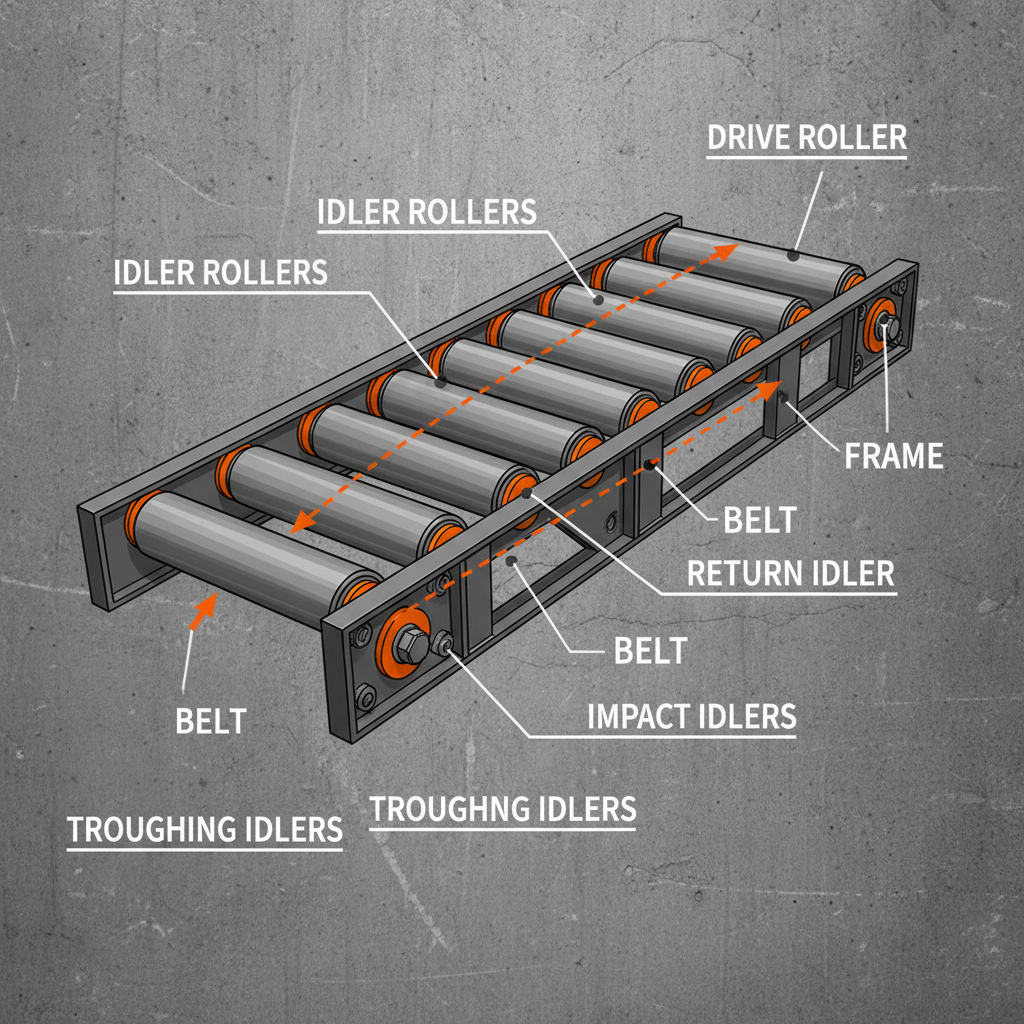
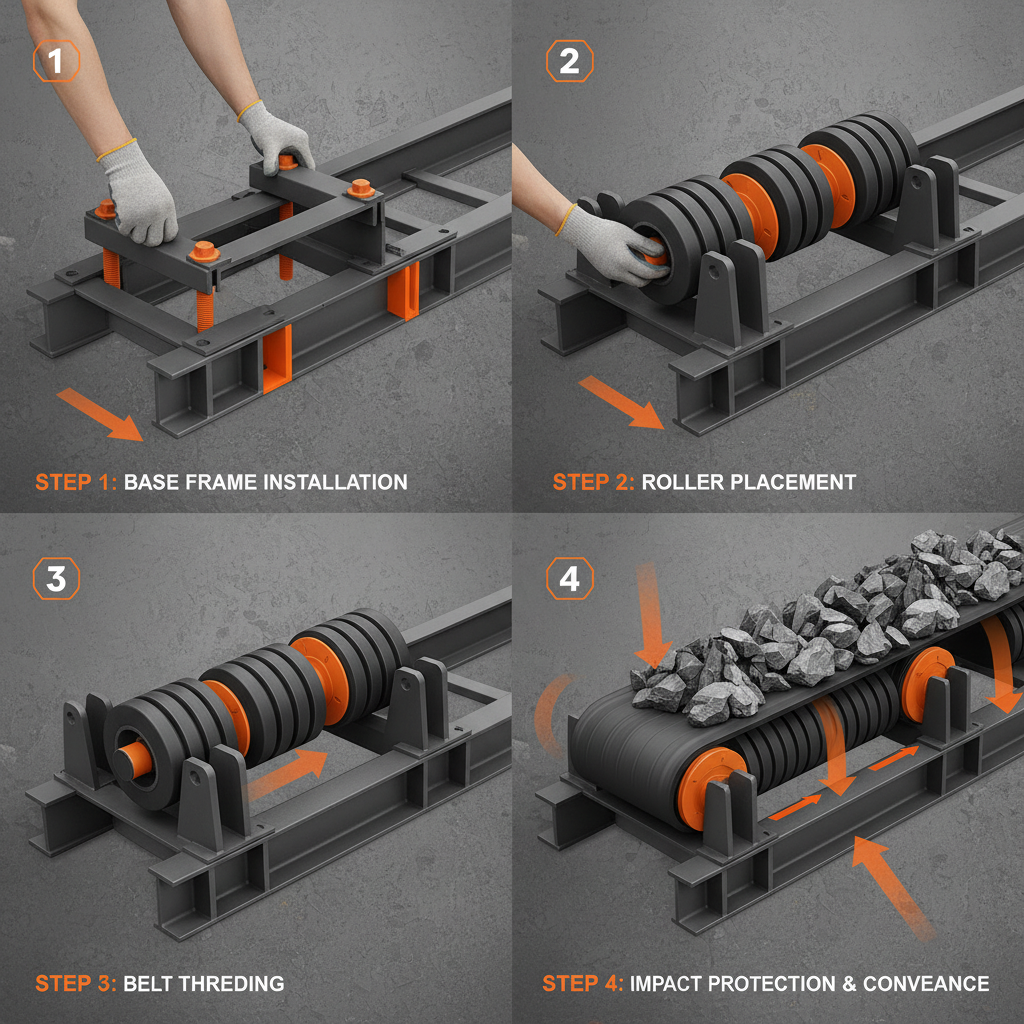
In simple terms, conveyor rollers are the cylindrical components that rotate to support the belt and the material it carries, while idlers are the complete assemblies (including the roller, bearings, and frame) that hold the roller in a specific position. Together, conveyor rollers and idlers act as the "wheels" of the industrial transport world, transforming a sliding friction environment into a rolling friction environment to minimize energy loss.
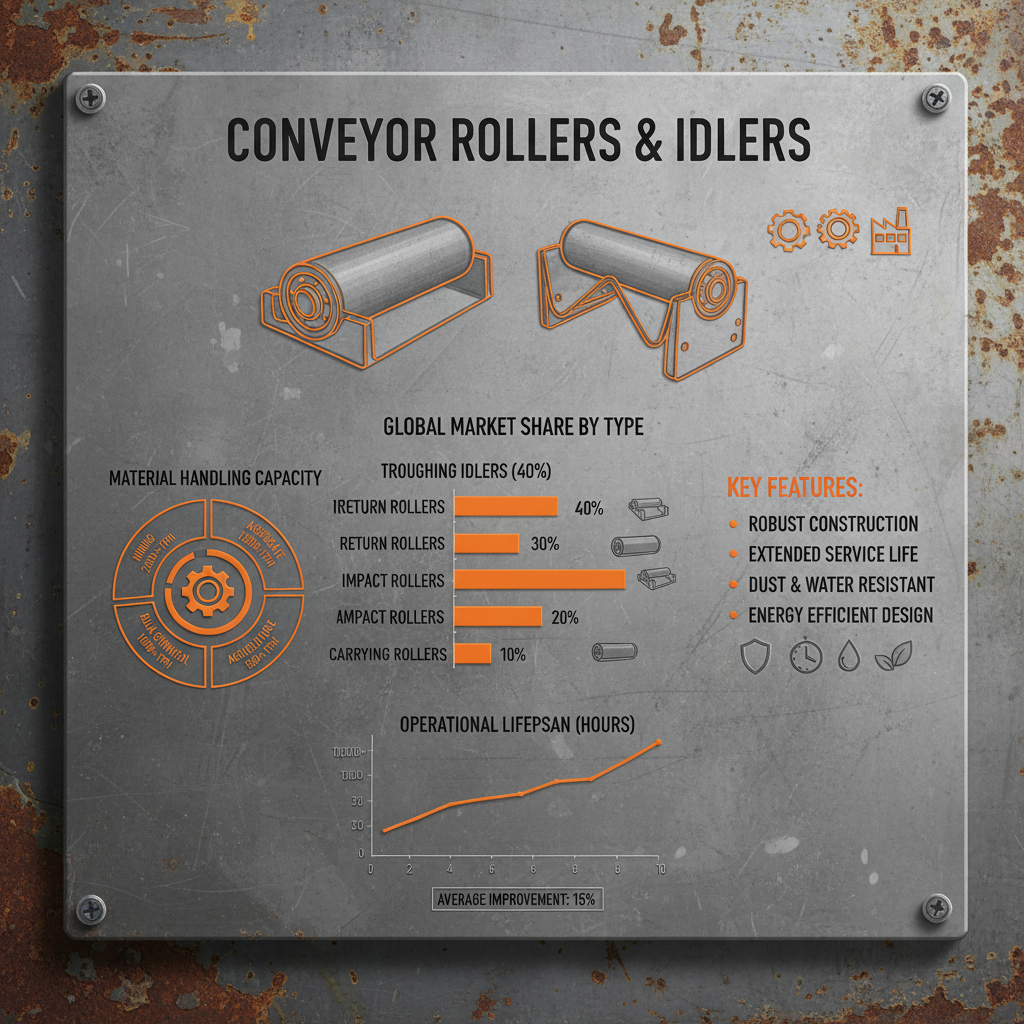
Beyond mere support, these components are engineered to perform specific tasks. For instance, troughing idlers create a "U" shape in the belt to prevent material spillage, while impact idlers utilize rubber rings to absorb the shock of falling ores. This specialization ensures that the conveyor belt is protected from premature wear and tear, which is critical for maintaining the structural integrity of the entire system.
In the context of modern humanitarian and industrial needs, these components are essential for the rapid movement of food grains in silos, coal in power plants, and minerals in remote industrial zones. The ability to move vast quantities of raw materials efficiently is what enables the global supply chain to function, making the precision of these small components a cornerstone of global economic stability.
Core Components and Engineering Factors
The durability of conveyor rollers and idlers is primarily determined by the quality of the shell material and the precision of the bearing housing. High-grade carbon steel or stainless steel is often used for the shell to resist abrasion, while advanced polymers are employed in specialized environments to reduce weight and noise.
Scalability and modularity are equally vital. Modern idler frames are designed for quick replacement, allowing maintenance teams to swap out a worn impact roller or a misaligned guide roller without shutting down the entire line for extended periods. This "plug-and-play" approach to conveyor components significantly reduces unplanned downtime.
Finally, cost efficiency is achieved not by buying the cheapest part, but by optimizing the Life Cycle Cost (LCC). By investing in superior sealing technologies—such as labyrinth seals—operators can prevent dust and moisture from entering the bearings, thereby extending the life of the idlers and reducing the frequency of costly replacements.
Global Applications and Industrial Use Cases
The application of conveyor rollers and idlers varies wildly across different geographical and industrial zones. In the iron ore mines of Western Australia or the copper mines of Chile, heavy-duty impact idlers and ceramic rubber pulleys are mandatory to handle the crushing weight and abrasive nature of the minerals. In these remote zones, the reliability of a single roller can mean the difference between a productive shift and a catastrophic system failure.
Conversely, in the food processing plants of Europe or the pharmaceutical hubs of Southeast Asia, the focus shifts toward hygiene and precision. Here, polyurethane rollers and stainless steel idlers are preferred to prevent contamination and ensure smooth, quiet operation. These components must meet strict sanitary standards while maintaining the high speed required for automated packaging lines.
Performance Comparison of Idler Material Types
Long-Term Value and Operational Advantages
Investing in premium conveyor rollers and idlers yields tangible long-term value by reducing the Total Cost of Ownership (TCO). When rollers are precision-balanced, the vibration levels of the entire conveyor structure are lowered, which protects the motor and gearbox from premature wear. This logical chain of reliability leads to a more stable production environment and lower insurance premiums due to decreased accident risks.
Beyond the numbers, there is an emotional and social impact: safety. A failed idler can cause a belt to snap or drift, leading to dangerous material spillage or mechanical collapse. By utilizing high-quality friction aligning idlers and spring impact idlers, companies demonstrate a commitment to worker safety and operational dignity, fostering a culture of trust and innovation within the workforce.
Future Trends in Conveyor Component Innovation
The future of conveyor rollers and idlers is intrinsically linked to the "Industrial Internet of Things" (IIoT). We are seeing the emergence of "Smart Idlers" equipped with embedded sensors that can monitor temperature, vibration, and rotation speed in real-time. This allows for predictive maintenance, where a roller is replaced based on its actual condition rather than a predetermined schedule, eliminating unnecessary downtime.
Material science is also evolving, with a shift toward biodegradable composites and ultra-high-molecular-weight polyethylene (UHMWPE) to create lighter, more sustainable rollers. These green materials not only reduce the carbon footprint of manufacturing but also offer superior corrosion resistance in acidic or salty environments, such as coastal fertilizer plants.
Furthermore, automation in the assembly of idler frames is increasing precision. Laser-guided alignment and robotic welding ensure that every troughing set is perfectly symmetrical, which is critical for preventing belt mistracking. As we move toward fully autonomous mines, the role of self-aligning conveyor components will become the standard rather than the exception.
Challenges and Expert Solutions for Idler Systems
Despite technological advances, several challenges persist in the implementation of conveyor rollers and idlers. Material buildup (carry-back) is a primary culprit; when material sticks to the idlers, it creates "flat spots" that increase friction and can eventually tear the belt. Expert solutions now include the integration of belt conveyor cleaners and specialized scraper systems that keep the rollers clear of debris.
Another common limitation is the failure of bearings in extremely dusty environments. Traditional seals often fail to keep out microscopic particles. To overcome this, we recommend the use of multi-stage sealing systems and the adoption of customized rollers with reinforced bearing housings that can withstand higher radial loads without compromising the seal's integrity.
Finally, the challenge of belt mistracking often leads to edge wear and material loss. The innovative approach here is the strategic placement of friction aligning idlers and taper rollers at critical transition points. By allowing the system to self-correct the belt's position dynamically, operators can avoid the manual labor associated with constant belt adjustment.
Comparison of Idler Solutions Based on Operational Challenges
| Challenge Category |
Recommended Idler Type |
Impact on Efficiency |
Maintenance Interval |
| High Impact Loading |
Spring Impact Idler |
High (Protects Belt) |
Medium |
| Belt Mistracking |
Friction Aligning Idler |
Very High (Auto-Correct) |
Long |
| Corrosive Environment |
Polyurethane Roller |
Medium (Resists Rust) |
Long |
| High Material Volume |
Troughing Roller |
High (Max Capacity) |
Medium |
| Abrasive Minerals |
Ceramic Rubber Pulley |
High (Grip & Wear) |
Very Long |
| Light Load Logistics |
HDPE Guide Roller |
Medium (Low Friction) |
Medium |
FAQS
A conveyor roller is the actual rotating cylinder that supports the belt. An idler is the complete system, which includes the roller, the bearings, the housing, and the frame that mounts it to the conveyor structure. In short, the roller is a component of the idler assembly.
Replacement intervals vary by environment. In abrasive mining, impact idlers might need checking every 6-12 months. In clean warehouses, rollers can last several years. We recommend predictive maintenance using vibration analysis to replace them only when they show signs of bearing failure.
For wet or corrosive settings, polyurethane-coated rollers or stainless steel idlers are highly recommended. These materials prevent oxidation and rust, which otherwise would seize the bearings and increase friction, leading to belt damage.
While friction and guide aligning idlers significantly reduce mistracking by automatically centering the belt, they cannot fix fundamental structural issues like a crooked conveyor frame. They are an essential tool for correction, but the system must still be properly leveled during installation.
The most common signs include an increase in noise (squealing or grinding), visible rust on the shell, the roller not spinning freely, or localized heat buildup around the bearing housing. Identifying these early prevents the belt from rubbing against a seized roller.
Yes. The loading zone requires impact idlers with rubber rings to absorb the shock of falling material. The carry zone uses troughing idlers to support the weight of the material and keep it centered. Using troughing idlers in a loading zone would lead to rapid structural failure.
Conclusion
In summary, the optimal performance of any bulk material handling system is fundamentally tied to the quality, selection, and maintenance of conveyor rollers and idlers. By understanding the distinction between impact, troughing, and aligning idlers, and by prioritizing high-grade materials and sealing technologies, operators can drastically reduce downtime and energy consumption. The shift toward smart components and sustainable materials further ensures that these systems remain viable in an increasingly automated industrial world.
Looking forward, the integration of IIoT and predictive analytics will transform idler maintenance from a reactive chore into a strategic asset. We encourage plant managers to audit their current component lifecycle and consider upgrading to high-efficiency, low-friction solutions to stay competitive. For those seeking precision-engineered components tailored to their specific industrial needs, we invite you to explore our full range of solutions. Visit our website: www.idleraohua.com