In the complex world of bulk material handling, the efficiency of a conveyor system often hinges on the smallest components. Among these, troughing rolls play a pivotal role by shaping the belt into a concave form, which prevents material spillage and maximizes the carrying capacity of the system. Without the precision engineering of these rollers, transporting heavy ores, aggregates, or grains would be significantly more wasteful and prone to failure.
Across global industrial landscapes, from the mining pits of Australia to the manufacturing plants of Germany, the adoption of high-performance troughing rollers has become a standard for operational stability. These components are not merely support structures; they are the primary architects of the material flow, ensuring that bulk loads remain centered and secure during high-speed transit. As industries push for higher throughput, the demand for durable, low-friction troughing solutions continues to rise.
Understanding the nuances of troughing rolls—from their angular configurations to their bearing seals—is essential for any maintenance manager looking to reduce downtime. By optimizing the troughing angle and material choice, companies can significantly lower energy consumption and extend the lifespan of the conveyor belt. This guide explores the technical depths, global applications, and future innovations of these critical industrial components.
Global Industrial Relevance of Troughing Rolls
On a global scale, the transport of raw materials is the backbone of the industrial economy. According to ISO standards for conveyor components, the stability of the load is paramount to preventing environmental contamination and ensuring worker safety. troughing rolls solve the critical problem of "material runoff," which occurs when flat belts are used for bulk materials, leading to significant product loss and hazardous cleanup requirements.
In regions with heavy mining activity, such as South America and Africa, the failure of a single set of troughing rollers can lead to catastrophic belt misalignment and hours of costly downtime. The global shift toward automation and "Smart Mining" has placed a renewed focus on the precision and durability of these rollers, as they must now operate with minimal human intervention in remote, harsh environments.
Defining the Mechanics of Troughing Rolls
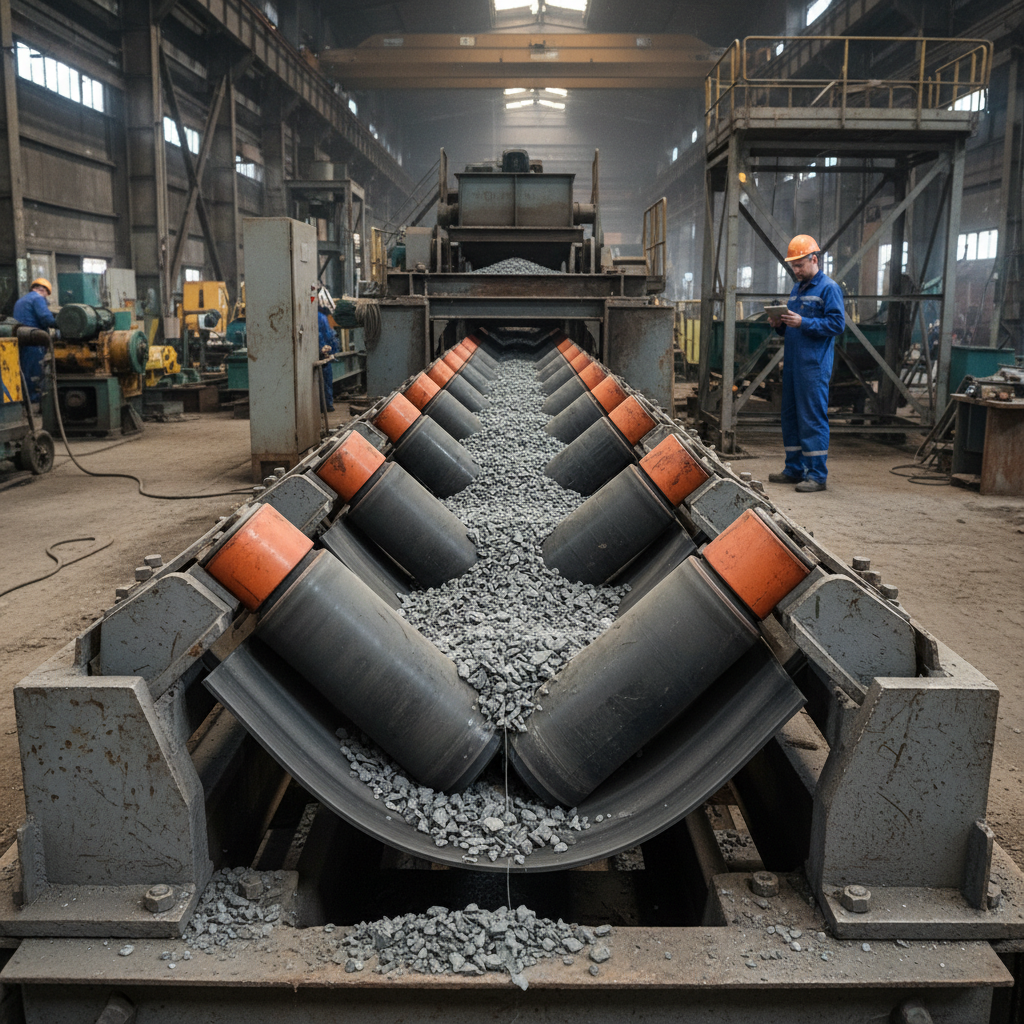
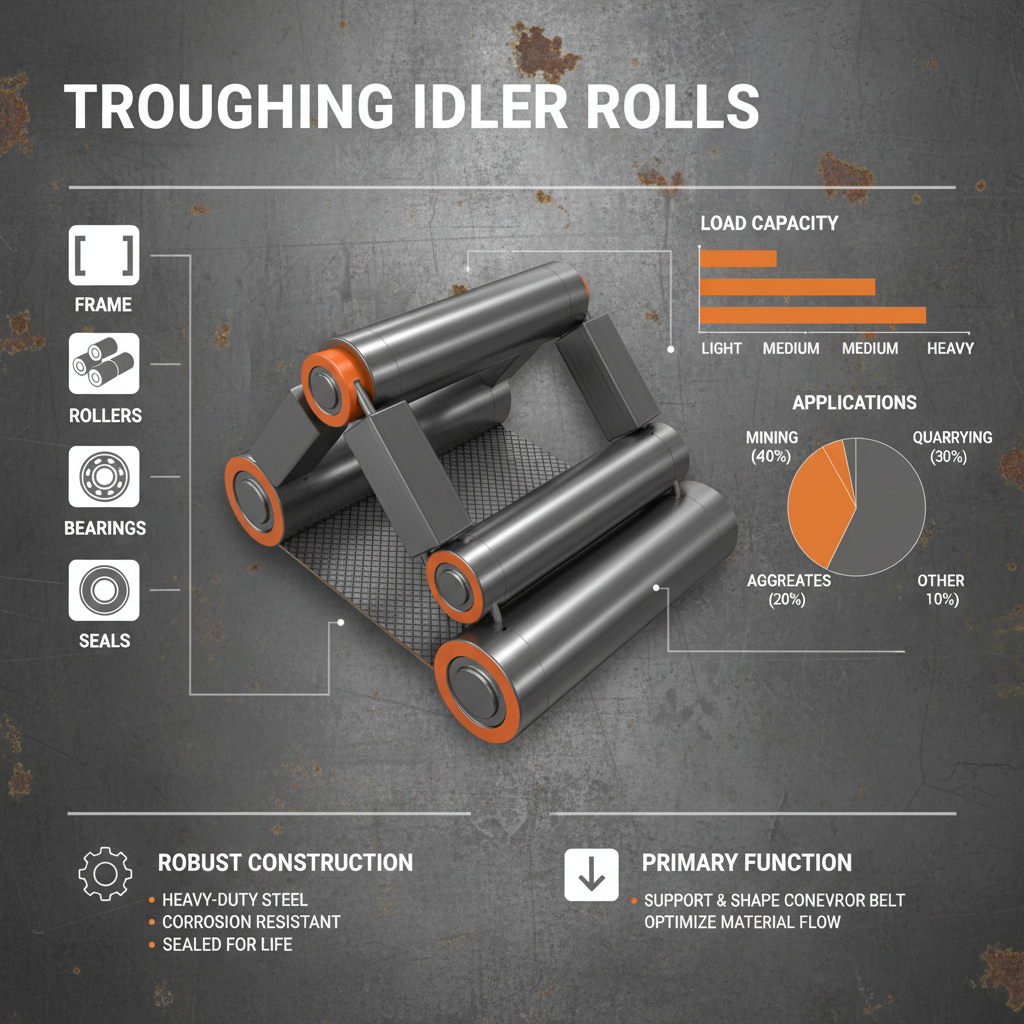
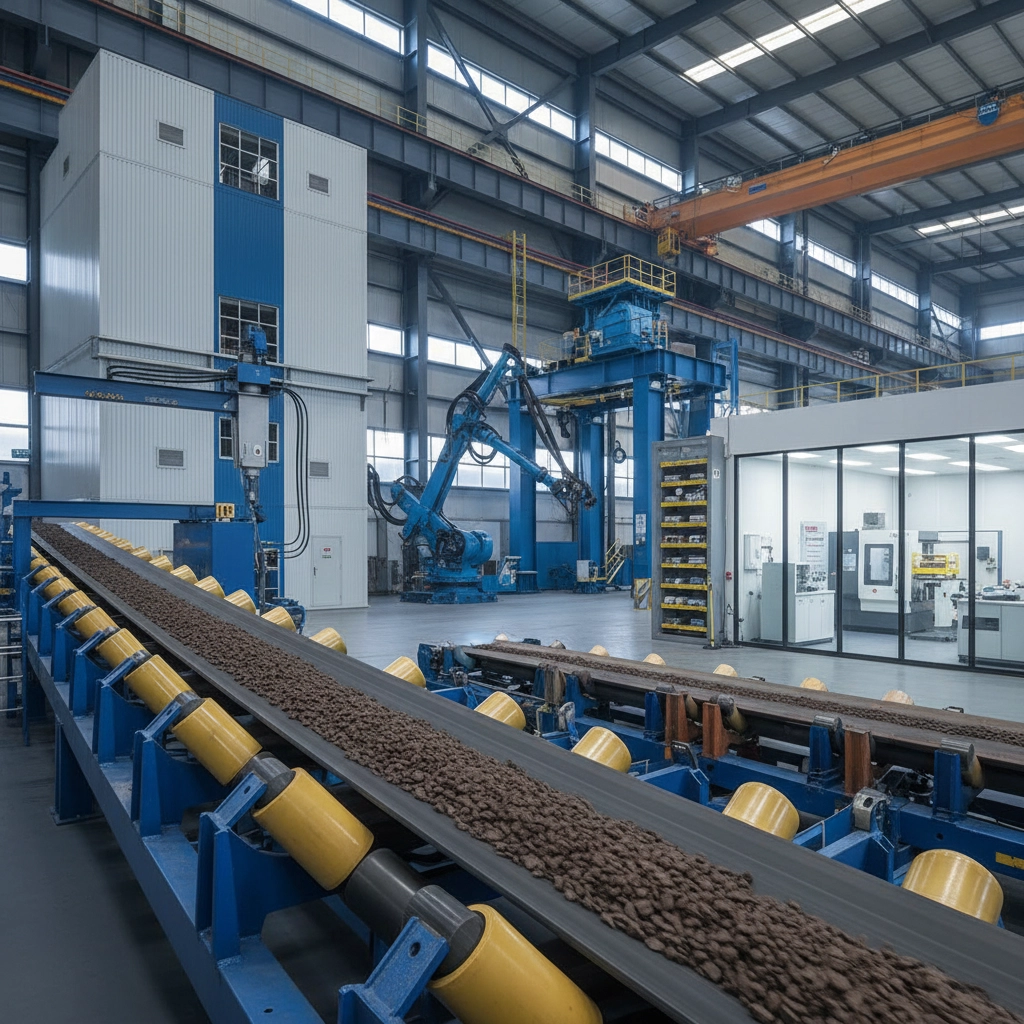
In simple terms, troughing rolls are sets of idlers arranged in a V-shape or U-shape to support the conveyor belt. Unlike flat idlers, these rollers force the belt to curve, creating a "trough" that holds the material in place. This mechanical transition from a flat surface to a contoured channel allows for a significantly higher volume of material to be transported per linear meter of belt.
The connection between these rollers and modern industrial needs is rooted in efficiency. As global demand for minerals and coal increases, the need to move thousands of tons per hour without leakage becomes a humanitarian and economic priority. By reducing spillage, troughing rolls minimize the need for manual labor in dangerous cleanup zones and prevent the contamination of surrounding soil and water.
Technically, the "troughing angle" (typically 20, 35, or 45 degrees) determines the balance between load capacity and belt stress. A steeper angle allows for more material but increases the wear on the belt edges. Therefore, the selection of the correct troughing roll configuration is a precise engineering decision based on the density and flow characteristics of the material being moved.
Core Components and Design Factors
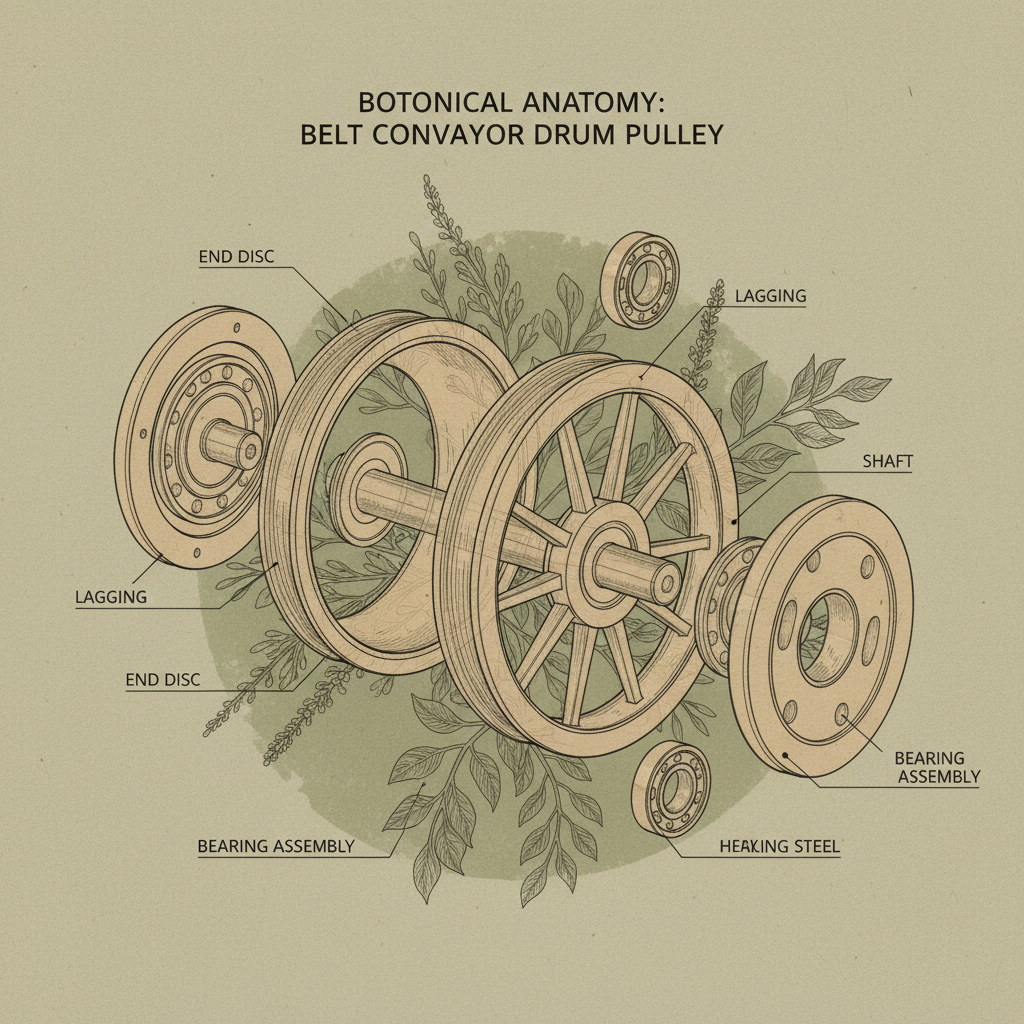
The durability of troughing rolls starts with the shell material. High-grade carbon steel is common, but in corrosive environments, stainless steel or HDPE (High-Density Polyethylene) is preferred to prevent rust and reduce the overall weight of the assembly, thereby lowering the rolling resistance.
Precision bearings and sealing systems are the heart of these components. Labyrinth seals are often employed to keep dust, moisture, and fine particles out of the bearing race, which is critical for maintaining the smooth rotation of troughing rolls and preventing premature seizure in dusty quarries.
Scalability and cost-efficiency are achieved through modular frame designs. By utilizing standardized idler frames, plant managers can quickly replace individual rollers without dismantling the entire conveyor structure, ensuring that the system maintains its trough shape with minimal operational interruption.
Performance Metrics and Efficiency Analysis
When evaluating the efficiency of different troughing configurations, engineers look at the "Cross-Sectional Area" and "Rolling Resistance." A higher troughing angle increases the volume of material carried but can increase the energy required to move the belt. This trade-off is analyzed to find the sweet spot for energy consumption and throughput.
By implementing advanced materials, such as ceramic lagging or reinforced polymers, the friction coefficient is reduced, leading to lower electricity costs for the drive motors. The following analysis compares different troughing roll methodologies based on operational reliability and energy efficiency.
Efficiency Comparison of Troughing Roll Configurations
Global Applications and Use Cases
In the mining sectors of the Pilbara region in Australia, troughing rolls are deployed in massive iron ore conveyors that stretch for kilometers. In these remote industrial zones, the rollers must withstand extreme heat and abrasive dust, making the use of high-impact resistant materials a necessity rather than a luxury.
Beyond mining, these components are critical in agricultural hubs for grain transport and in waste management facilities for municipal solid waste. In post-disaster relief operations, where temporary conveyor systems are used to clear rubble and transport emergency supplies, modular and lightweight troughing rolls allow for rapid deployment and efficient material movement.
Long-Term Value and Sustainability
The long-term value of investing in premium troughing rolls is measured in reduced Total Cost of Ownership (TCO). While cheaper rollers may seem attractive initially, they often fail prematurely, leading to belt damage and unplanned shutdowns. High-quality rollers provide the reliability and trust that plant operators need to maintain continuous 24/7 production cycles.
From a sustainability perspective, reducing material spillage means fewer raw materials are wasted and less environmental contamination occurs. Furthermore, rollers designed with low-friction coefficients reduce the carbon footprint of the facility by lowering the energy demand of the conveyor's electric motors.
Innovation in materials, such as the use of recycled plastics for roller shells, is also contributing to a more circular economy in the manufacturing sector. By balancing industrial strength with ecological responsibility, modern troughing solutions provide both logical economic gains and ethical environmental advantages.
Future Trends and Technical Challenges
The future of troughing rolls is inextricably linked to the Industrial Internet of Things (IIoT). We are seeing the emergence of "Smart Idlers" equipped with embedded sensors that can monitor vibration and temperature in real-time. This allows for predictive maintenance, where a roller is replaced just before it fails, eliminating the risk of sudden belt tears.
Another major trend is the shift toward green energy materials. The development of bio-based polymers for roller shells aims to maintain the durability of HDPE while reducing reliance on petroleum-based products. As automation increases, the need for "self-aligning" troughing rolls that can automatically correct belt drift is becoming a priority for unmanned mining operations.
Despite these advances, challenges remain, particularly regarding the wear and tear caused by ultra-abrasive materials. Engineers are currently experimenting with nanotechnology-based coatings to create shells that are virtually impervious to abrasion, ensuring a longer service life and lower replacement frequency.
Comparative Analysis of Troughing Roll Material Performance
| Material Type |
Wear Resistance |
Corrosion Level |
Energy Efficiency |
| Mild Carbon Steel |
Moderate (6/10) |
High Risk |
Standard |
| Stainless Steel |
High (8/10) |
Very Low |
Good |
| HDPE Polymer |
Moderate (7/10) |
Immune |
Excellent |
| Ceramic Composite |
Extreme (10/10) |
Low |
Moderate |
| Rubber Laggings |
High (8/10) |
Moderate |
Good |
| Alloy Steel |
Very High (9/10) |
Moderate |
Standard |
FAQS
Flat idlers provide a level support surface, primarily used for return belts or light loads. Troughing rolls, however, are arranged at angles to create a concave shape in the belt. This design prevents material from spilling off the sides and allows the conveyor to carry a significantly larger volume of bulk material compared to a flat setup.
The choice depends on the material type and belt tension. A 20-degree angle is common for light-duty or high-speed belts to reduce edge stress. A 35-degree angle is the industry standard for most bulk materials, balancing capacity and belt wear. A 45-degree angle is used for maximizing volume in slow-moving, heavy-load systems where belt stress is less of a concern.
Lifespan varies by environment. In standard conditions, high-quality steel rollers can last 3-5 years. However, in highly abrasive mining environments, this may drop to 1-2 years. Using HDPE or ceramic coatings can extend this lifespan by reducing friction and resisting wear, while precision sealing prevents bearing failure, which is the most common cause of premature replacement.
Most bulk-handling belts are designed to be "troughable," meaning they have the flexibility to bend around the rollers without cracking. However, very stiff belts or specific reinforced belts may require a shallower troughing angle to avoid excessive stress on the belt carcass. Always verify the belt's minimum bending radius before selecting your troughing roll configuration.
Common warning signs include audible squealing or grinding noises (indicating bearing failure), visible material spillage along the conveyor line (indicating a collapsed or worn roller), and belt misalignment or "wandering." If you notice a "flat spot" on the roller shell, it should be replaced immediately to prevent belt vibration and damage.
While steel has higher absolute crush strength, HDPE polymer rolls are often "strong enough" for the majority of applications. Polymers offer the advantage of being corrosion-proof and significantly lighter, which reduces the load on the motor. For extreme heavy-duty impact zones, steel or ceramic-reinforced rollers are still preferred, but polymers are ideal for wet or corrosive environments.
Conclusion
In summary, troughing rolls are far more than simple support cylinders; they are the fundamental components that enable the efficient, safe, and sustainable transport of bulk materials globally. By optimizing troughing angles, selecting superior materials like HDPE or ceramic, and implementing precision sealing, industrial operators can drastically reduce material waste and operational downtime while lowering their overall energy consumption.
Looking forward, the integration of IIoT sensors and sustainable bio-polymers will transform troughing rolls into intelligent assets capable of self-diagnosis and environmental harmony. For companies aiming to modernize their logistics, investing in high-performance troughing solutions is not just a maintenance choice, but a strategic move toward operational excellence. Visit our website for more professional solutions: www.idleraohua.com