In the complex ecosystem of bulk material handling, the efficiency of a conveyor system is often judged by its weakest link. Among the critical components that maintain system stability, superior return idlers play a pivotal role by supporting the return belt, preventing sagging, and ensuring the belt remains centered as it travels back to the head pulley. Without high-quality support, belts are prone to misalignment and premature wear, which can lead to catastrophic system failures and expensive unplanned downtime.
Globally, the demand for optimized logistics in mining, quarrying, and manufacturing has pushed engineers to look beyond standard rollers toward more robust solutions. The implementation of superior return idlers is no longer just a maintenance choice but a strategic investment in operational longevity. By reducing friction and managing material build-up on the underside of the belt, these components directly impact the energy consumption and overall throughput of the entire production line.
Understanding the nuances of return idler technology allows plant managers to transition from reactive repairs to predictive maintenance. By focusing on the structural integrity and material science behind superior return idlers, companies can significantly lower their Total Cost of Ownership (TCO) while enhancing workplace safety. This guide explores the technical dimensions and strategic advantages of integrating high-performance return rollers into modern industrial conveyor frameworks.
Global Industry Context of Superior Return Idlers
On a global scale, the transport of raw materials—from iron ore in Australia to coal in Indonesia—relies heavily on belt conveyors. According to ISO standards for conveyor components, the stability of the return run is just as critical as the carry run. The industry has seen a shift where superior return idlers are being deployed to combat the increasing tonnage and belt speeds required by modern mining operations, where any deviation in belt tracking can result in thousands of dollars of lost revenue per hour.
The challenge lies in the harsh environments these components face. Dust, moisture, and corrosive chemicals often penetrate standard bearings, leading to seized rollers and belt rips. By upgrading to superior return idlers, industries are mitigating these risks, aligning with global sustainability goals by reducing material waste and extending the lifecycle of the conveyor belt itself.
Defining Superior Return Idlers in Modern Conveying
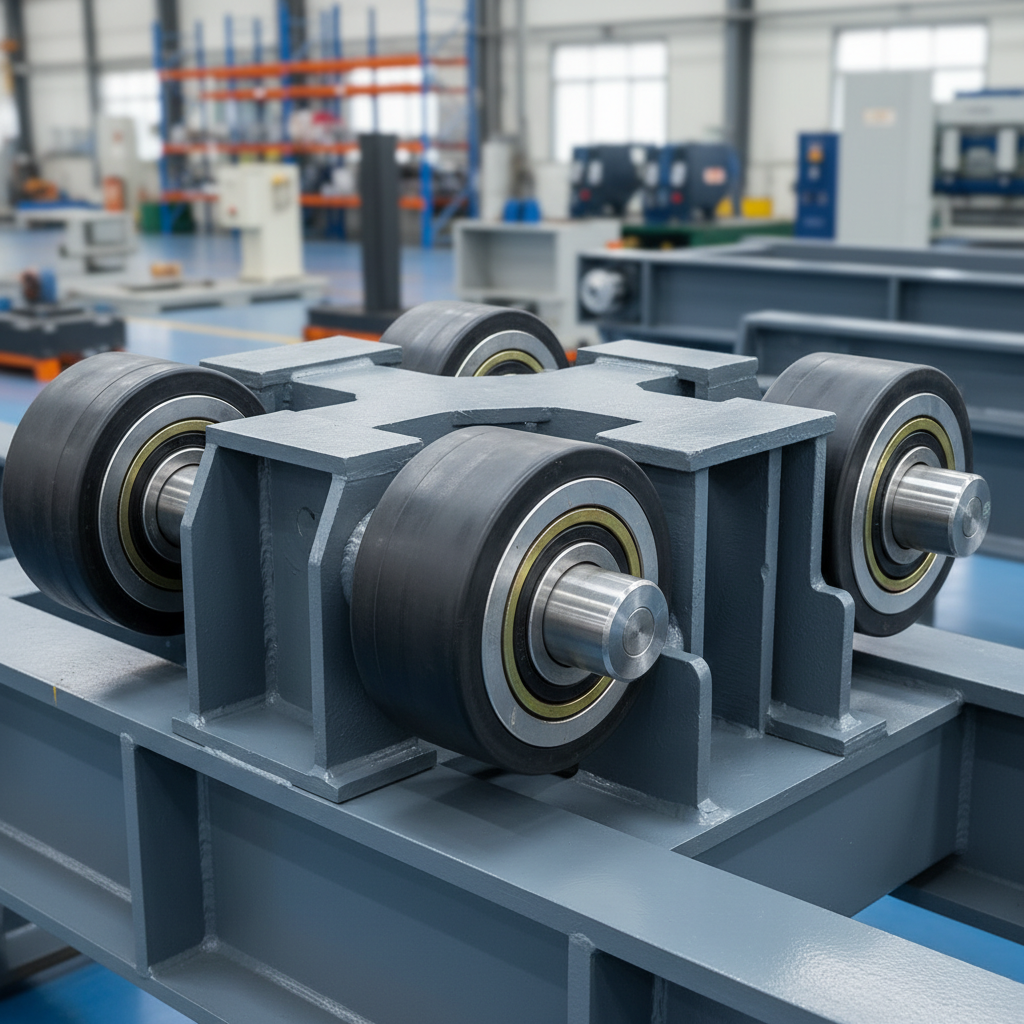
In simple terms, superior return idlers are high-performance rollers designed to support the unloaded portion of a conveyor belt. Unlike standard idlers, "superior" versions incorporate advanced materials—such as high-grade steel, HDPE, or specialized rubber coatings—and precision-engineered bearings to ensure smooth rotation and minimal resistance. Their primary purpose is to keep the return belt flat and aligned, preventing it from oscillating or sagging between supports.
From an industrial perspective, these components are the silent guardians of the conveyor's return path. In modern high-capacity systems, the return side is often exposed to "carry-back"—material that sticks to the belt after discharge. superior return idlers are specifically designed to resist the abrasive nature of this debris, often featuring specialized seals that prevent contaminants from entering the bearing housing.
Beyond the mechanical definition, these idlers represent a shift toward "reliability-centered maintenance." By utilizing superior return idlers, operators move away from the philosophy of "replace when broken" to a system where components are engineered for maximum uptime. This transition is essential for the humanitarian and economic needs of regions relying on efficient bulk transport for food, minerals, and energy resources.
Core Components and Technical Factors
The efficacy of superior return idlers depends on several critical engineering factors. First is Material Durability; the shell must withstand constant friction and impact. Whether utilizing galvanized steel for corrosion resistance or polyurethane for noise reduction, the choice of material determines the roller's lifespan in aggressive environments.
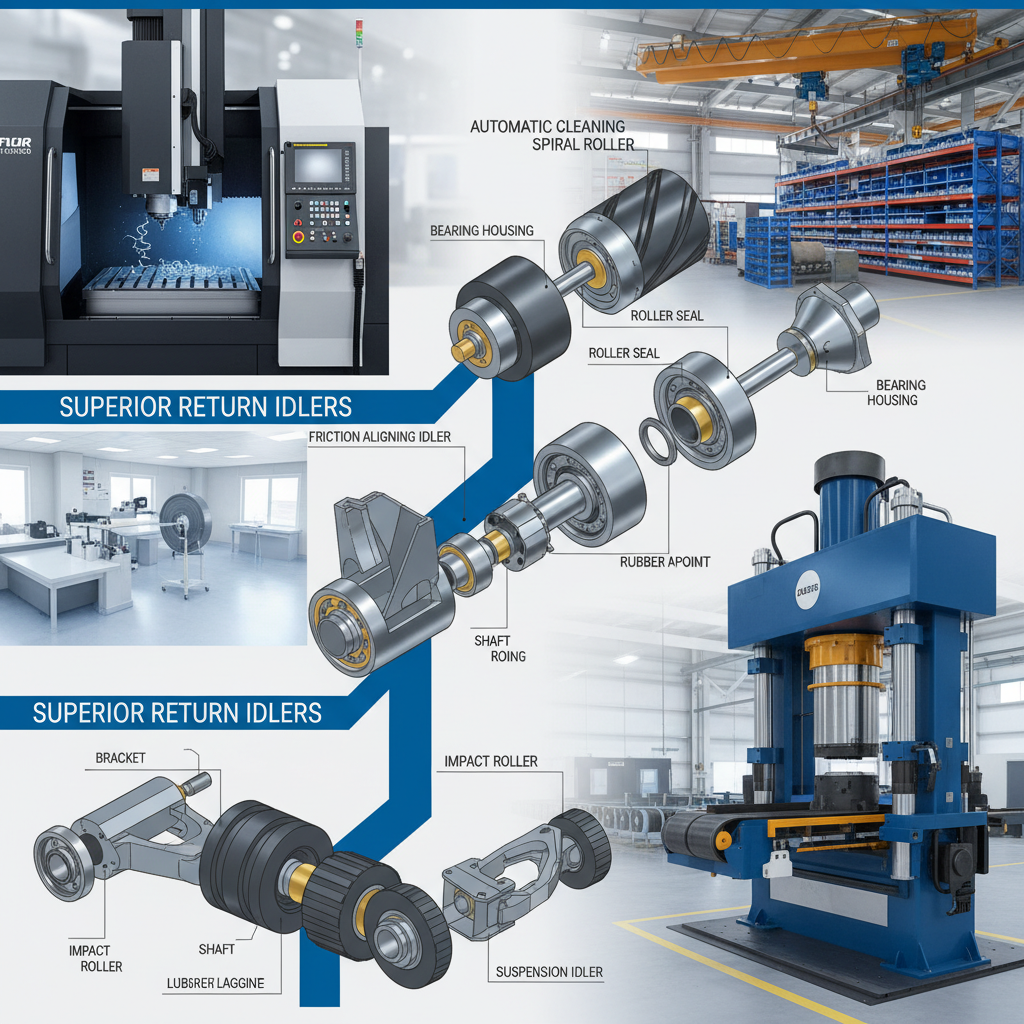
Another core element is the Bearing and Sealing System. superior return idlers employ labyrinth seals or triple-lip seals to ensure that moisture and fine particulates cannot penetrate the lubricant. This technical detail is what separates a standard roller from a high-performance one, as it virtually eliminates the risk of bearing seizure during long-term operation.
Finally, Precision Balancing and Alignment are vital. A superior idler is machined to strict tolerances to prevent vibration. When superior return idlers are balanced correctly, they reduce the energy required to move the belt, lowering the load on the driving pulley and contributing to overall system energy efficiency.
Global Applications and Industrial Use Cases
The application of superior return idlers spans various heavy-duty industries. In the mining sectors of Western Australia and Brazil, these idlers are essential for long-distance overland conveyors where manual inspection is difficult. By utilizing high-durability return rollers, operators can extend the intervals between maintenance shutdowns, ensuring a steady flow of materials to ports and processing plants.
In more specialized contexts, such as chemical processing plants or food-grade conveyor systems in Europe, superior return idlers are often customized with stainless steel or food-safe polymers. This ensures that the return path does not become a source of contamination. Even in remote industrial zones or post-disaster reconstruction projects where infrastructure is hastily deployed, the reliability of these components ensures that logistics chains remain unbroken.
Comparative Performance of Return Idler Types
Long-Term Value and Strategic Advantages
The long-term value of investing in superior return idlers extends far beyond the initial purchase price. From a logical standpoint, the reduction in friction leads to lower electricity bills and less strain on the motor. From an emotional and safety perspective, the stability provided by high-quality idlers reduces the risk of belt snap or misalignment, which are common causes of industrial accidents. This fosters a culture of trust and safety among the operational staff.
Furthermore, the sustainability impact is significant. By extending the life of the conveyor belt through the use of superior return idlers, companies reduce the amount of rubber and steel waste entering landfills. This alignment with "Green Industry" practices not only improves the corporate image but often qualifies the company for environmental certifications and tax incentives in strictly regulated markets.
Future Innovations in Idler Technology
The future of superior return idlers is being shaped by the digital transformation of the industry. We are seeing the emergence of "Smart Idlers" equipped with embedded IoT sensors. These sensors can monitor vibration levels and bearing temperature in real-time, sending alerts to maintenance teams before a failure occurs. This shift toward Industry 4.0 transforms the return idler from a passive component into an active data source for predictive analytics.
Material science is also evolving, with the introduction of nano-coatings that repel water and dust more effectively than traditional paints. These advanced surfaces prevent the accumulation of carry-back material, meaning superior return idlers will require even less cleaning and maintenance. Additionally, the development of biodegradable polymers for idler shells is promising a future where industrial components leave a minimal ecological footprint.
Automation in the manufacturing of these components is also increasing precision. Robotic welding and laser-guided machining ensure that every single unit of superior return idlers meets exact specifications, eliminating the variance that often leads to premature wear in lower-quality batches. This consistency is key for global operators managing fleets of conveyors across multiple continents.
Common Challenges and Expert Solutions
One of the most persistent challenges in conveyor maintenance is "belt wander," where the belt shifts laterally on the return run. This is often caused by worn-out or misaligned rollers. The expert solution is the integration of superior return idlers specifically designed as self-aligning rollers. These components use a pivoting mechanism to automatically steer the belt back to the center, reducing the need for manual intervention.
Another common issue is the "frozen roller" syndrome, where debris locks the idler in place, causing the belt to rub against a stationary cylinder. This creates intense heat and can eventually melt the belt cover. To solve this, engineers recommend using superior return idlers with reinforced sealing systems and a harder outer shell that resists the "embedding" of fine particles.
Finally, the cost of initial procurement can be a barrier for some operators. However, the solution is to perform a Lifecycle Cost Analysis (LCA). When comparing the price of standard rollers versus superior return idlers, the reduction in labor costs and the extension of belt life typically result in a positive ROI within the first 12 to 18 months of operation.
Technical Comparison of Return Idler Solutions
| Idler Material |
Wear Resistance (1-10) |
Maintenance Interval |
Recommended Use Case |
| Standard Carbon Steel |
4 |
6 Months |
Light duty/Dry environments |
| Galvanized Steel |
6 |
12 Months |
General outdoor use |
| HDPE Polymer |
7 |
18 Months |
Corrosive/Wet environments |
| Premium Sealed Steel |
9 |
36 Months |
High-tonnage mining |
| Ceramic Coated |
10 |
48 Months |
Extreme abrasion/Abrasive ores |
| Polyurethane Rubber |
8 |
24 Months |
Noise sensitive/Urban areas |
FAQS
Superior return idlers are distinguished by their use of high-grade materials, precision-engineered bearings, and advanced sealing systems. While standard idlers may use basic grease seals, superior versions often employ labyrinth or triple-lip seals to completely block dust and moisture. Additionally, they are balanced to higher tolerances, which reduces vibration and energy loss, significantly extending the lifespan of both the roller and the conveyor belt.
The replacement interval depends on the environment, but typically, superior return idlers last 2 to 3 times longer than standard rollers. In a medium-abrasion environment, you might expect 24 to 36 months of service. We recommend a quarterly visual inspection to check for belt tracking issues or signs of bearing wear, allowing you to replace individual units during planned shutdowns rather than facing a total system failure.
Yes, absolutely. Many superior return idlers are designed with self-aligning capabilities or are manufactured with such high precision that they minimize the "oscillation" that causes belt wander. By providing consistent, stable support and resisting deformation under load, they ensure the belt remains centered on its return path, which prevents the belt edges from fraying against the conveyor structure.
Yes, provided you select the correct material. For corrosive environments, we offer superior return idlers made from HDPE, stainless steel, or specialized polymer coatings. These materials are chemically inert and resist oxidation, ensuring that the return path remains functional even when exposed to acids, alkalis, or salt spray, which would quickly destroy a standard carbon steel idler.
The investment is justified through a reduction in Total Cost of Ownership (TCO). When you factor in the cost of labor for frequent replacements, the price of premature belt wear, and the massive losses associated with unplanned downtime, superior return idlers usually pay for themselves within the first year. They shift your operation from a costly "break-fix" cycle to a stable, predictive maintenance model.
Choice should be based on three factors: the nature of the material being transported (abrasiveness), the environmental conditions (moisture/chemicals), and the belt speed. For example, highly abrasive ores require ceramic-lined idlers, while wet environments benefit from HDPE. Our technical team recommends conducting a site audit to determine the specific stress points of your conveyor before selecting the idler specification.
Conclusion
In summary, superior return idlers are a cornerstone of efficient conveyor system design, offering critical support that ensures belt stability, reduces operational friction, and minimizes unplanned downtime. By integrating advanced material science and precision engineering, these components address the most common failure points in bulk material handling, transforming the return run from a maintenance liability into a reliable asset.
Looking ahead, the integration of smart sensing and sustainable materials will further elevate the role of superior return idlers in the global industrial landscape. For operators seeking to optimize their throughput and reduce their environmental footprint, upgrading to high-performance return rollers is the most effective first step toward a modernized, low-maintenance facility. Visit our website for more professional solutions: www.idleraohua.com