In the demanding world of bulk material handling, maintaining belt alignment is not just a matter of efficiency—it is a critical safety and operational requirement. The self aligning carrying idler serves as an intelligent solution to the persistent problem of belt drift, ensuring that the conveyor belt remains centered during the transport of heavy loads. By automatically correcting the belt's path, these specialized rollers prevent material spillage and reduce the risk of structural damage.
Across global mining, quarrying, and manufacturing sectors, the implementation of a high-quality self aligning carrying idler significantly reduces manual intervention and costly downtime. When a belt shifts, it often leads to edge wear and potential failure; however, a self-aligning system reacts in real-time to the belt's movement, pivoting to steer the belt back to its intended centerline without stopping the operation.
Understanding the mechanics and strategic placement of the self aligning carrying idler allows plant managers to optimize their throughput and extend the lifespan of their conveyor infrastructure. From enhancing safety by removing personnel from the belt path during adjustments to lowering the total cost of ownership through reduced wear and tear, the value of these components is indispensable in modern industrial logistics.
Global Significance of Self Aligning Carrying Idlers
The global industrial landscape, characterized by the movement of millions of tons of aggregates and minerals daily, relies heavily on the stability of conveyor systems. According to ISO standards for conveyor equipment, belt misalignment is one of the primary causes of unscheduled maintenance. The self aligning carrying idler addresses this global challenge by providing a dynamic response to belt deviation, which is common in large-scale operations spanning several kilometers.
In regions such as the Australian Outback or the Andean mines, where remote operations make manual maintenance difficult, these idlers are essential. The ability of a self aligning carrying idler to operate autonomously ensures that production targets are met without the frequent need for technician intervention, thereby boosting the overall reliability of the supply chain in the global commodities market.
Defining the Self Aligning Carrying Idler Mechanism
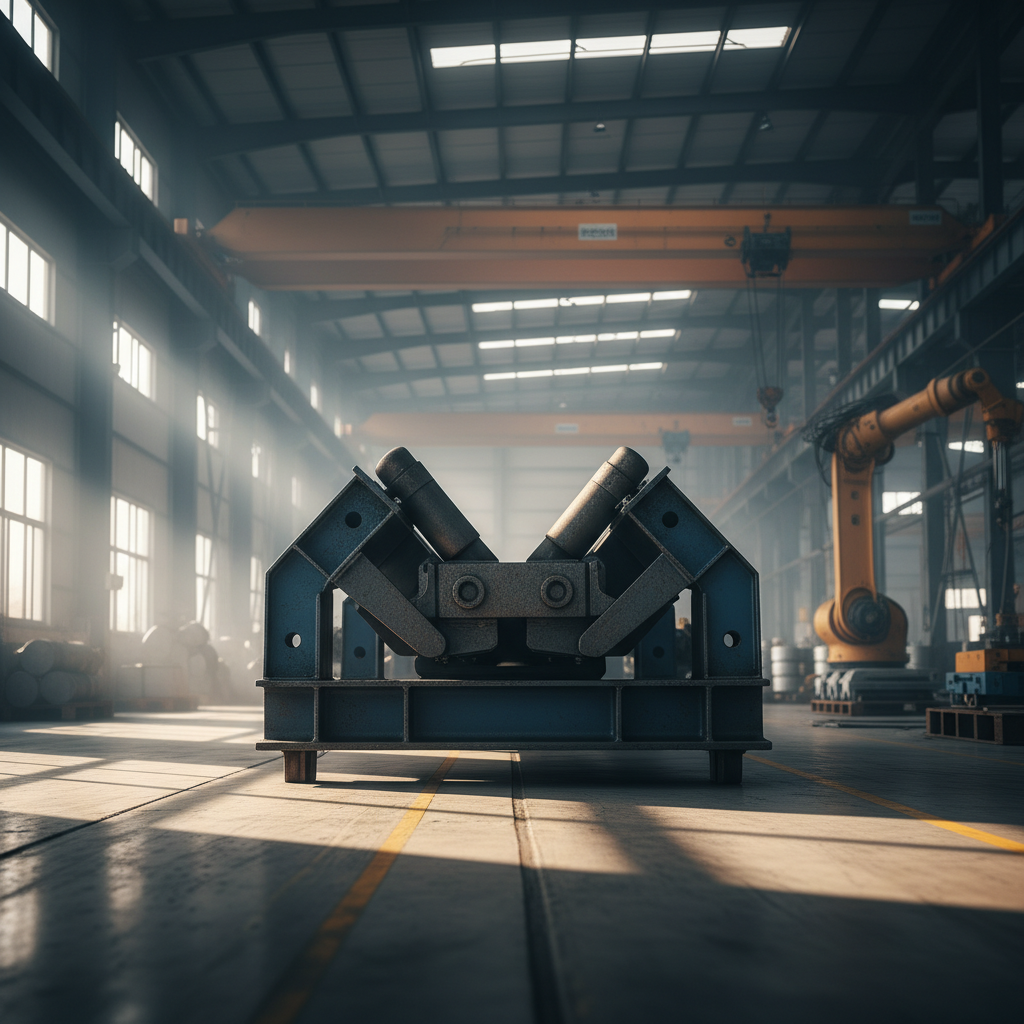
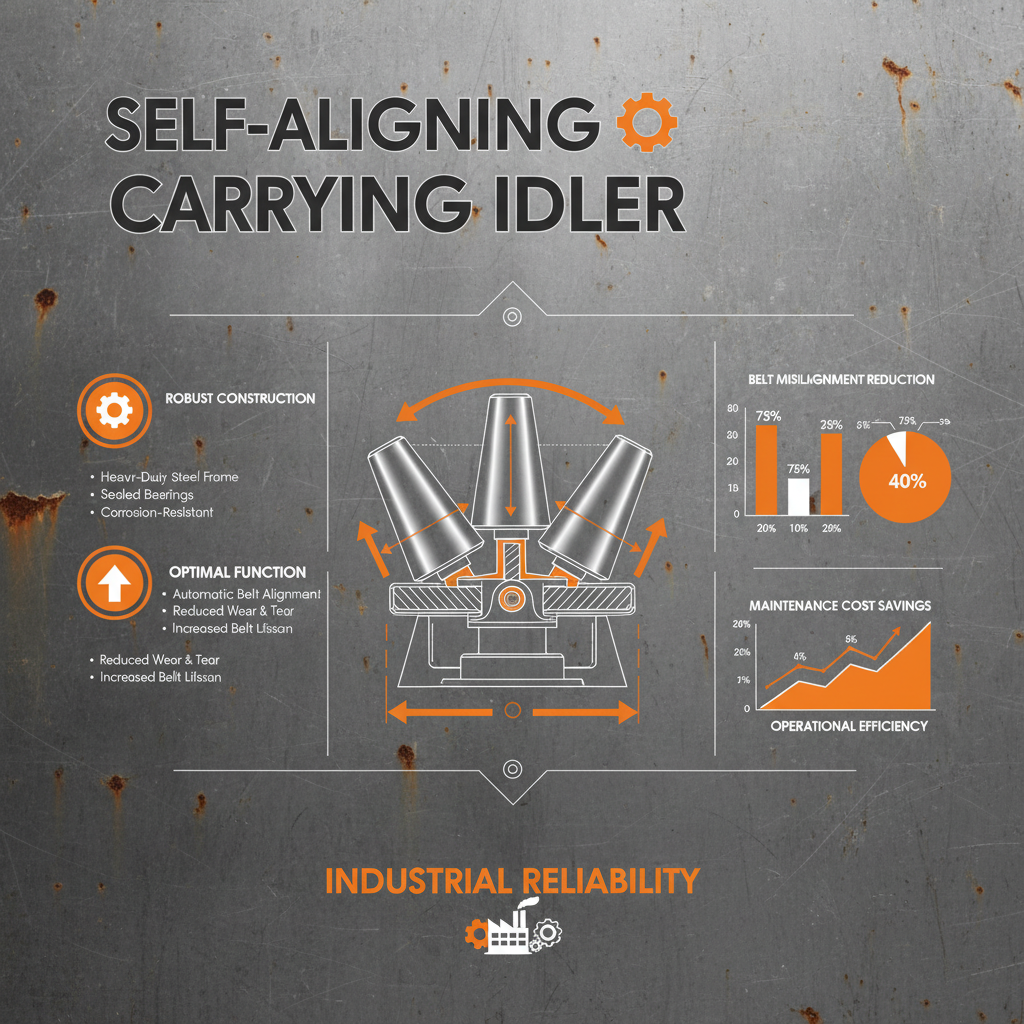
A self aligning carrying idler is a specialized conveyor component designed to automatically center the belt as it carries material. Unlike standard fixed idlers, the self-aligning version is mounted on a pivoting frame. When the belt begins to drift to one side, the lateral force exerted by the belt causes the idler to rotate around its vertical axis, creating a corrective angle that steers the belt back toward the center.
This mechanism is crucial for modern industry because it solves the "drift" problem without requiring complex electronic sensors or external actuators. By utilizing the kinetic energy of the moving belt itself, the self aligning carrying idler provides a mechanical, fail-safe method of alignment that is robust enough to withstand the harshest environmental conditions, from extreme dust to corrosive moisture.
Integrating these idlers into a conveyor system reflects a commitment to operational excellence. By bridging the gap between simple support rollers and high-end automation, the self aligning carrying idler ensures that the belt remains perfectly positioned, reducing friction against the structure and preventing the costly "edge-curling" effect common in poorly aligned systems.
Core Components for Maximum Operational Stability
The durability of a self aligning carrying idler depends on several key engineering factors. First is the precision of the pivoting bearing housing, which must allow for smooth rotation while resisting contamination. The materials used in the roller shell, such as high-grade steel or reinforced polymers, ensure that the idler can handle immense pressure without deformation, maintaining the structural integrity of the conveyor.
Scalability and adaptability are also paramount. A professional self aligning carrying idler must be compatible with various belt widths and load capacities. The integration of specialized seals and high-performance lubricants within the roller prevents premature bearing failure, which is the most common point of vulnerability in heavy-duty conveying environments.
Finally, cost efficiency is achieved through a design that emphasizes longevity and ease of replacement. By utilizing standardized components, a self aligning carrying idler reduces the need for custom-fabricated parts, allowing operators to maintain their systems with minimal lead times. This combination of robust materials and intelligent design ensures that the idler remains a low-maintenance asset over its entire lifecycle.
Comparative Performance and Efficiency Metrics
When evaluating the performance of different alignment strategies, the self aligning carrying idler consistently outperforms fixed-position trainers in terms of response time and maintenance frequency. While fixed trainers require manual adjustment and periodic checking, the self-aligning variety adapts instantly to load variations and belt tension changes, ensuring continuous operation.
The following data illustrates the efficiency ratings of various alignment methods based on industrial benchmarks, focusing on how the self aligning carrying idler compares in key performance indicators such as reliability, ease of installation, and long-term cost savings.
Performance Rating of Belt Alignment Methods
Industrial Applications and Global Use Cases
The practical application of the self aligning carrying idler spans various demanding environments. In the mining sector, where ores are often unevenly distributed on the belt, these idlers prevent the belt from sliding toward the conveyor frame, which would otherwise lead to massive material spillage and hazardous working conditions.
In remote industrial zones, such as port loading terminals in Southeast Asia or iron ore plants in Brazil, the use of self aligning carrying idler components is critical. For instance, in high-capacity shipping terminals, these rollers ensure that belts carrying thousands of tons per hour remain centered, eliminating the need for constant manual supervision and allowing for higher automation in the logistics chain.
Long-Term Economic and Safety Advantages
From a financial perspective, the investment in a self aligning carrying idler pays for itself through the reduction of operational overhead. By preventing belt edge wear, companies avoid the premature replacement of expensive conveyor belts, which can cost tens of thousands of dollars per kilometer. Furthermore, the reduction in spillage means less time spent on cleanup and a lower risk of material waste.
Beyond the balance sheet, the safety implications are profound. Belt misalignment often forces workers to enter hazardous areas to make manual adjustments while the system is idling or, in dangerous cases, while it is running. The autonomous nature of the self aligning carrying idler removes the human element from this risk, fostering a safer workplace and ensuring compliance with strict occupational health and safety regulations.
Ultimately, the trust a company places in its equipment reflects its commitment to innovation. By implementing a system anchored by self aligning carrying idler technology, an organization demonstrates a proactive approach to risk management and a drive toward sustainable, lean manufacturing processes.
Future Innovations in Conveyor Alignment Technology
The evolution of the self aligning carrying idler is currently moving toward the integration of "smart" materials and IoT sensing. Future iterations are expected to include embedded sensors that can report the degree of belt drift and the frequency of alignment corrections back to a central control room. This digital transformation will allow for predictive maintenance, where idlers can be replaced based on actual wear data rather than fixed schedules.
Sustainability is also driving innovation. New composite materials are being tested for the self aligning carrying idler to reduce the overall weight of the component and lower the energy required to rotate it. These "green" idlers not only reduce the carbon footprint of the manufacturing process but also lower the rolling resistance, slightly decreasing the electricity consumption of the entire conveyor motor system.
As automation becomes the standard, the synergy between mechanical self-alignment and AI-driven monitoring will define the next generation of bulk handling. The self aligning carrying idler will remain the primary physical line of defense, but it will be supported by data-driven insights that optimize the placement and timing of alignment interventions across global industrial networks.
Analysis of Self Aligning Carrying Idler Technical Specifications and Performance
| Idler Material Type |
Alignment Response Speed |
Load Bearing Capacity |
Expected Service Life |
| Galvanized Steel |
Fast |
Very High |
5-7 Years |
| HDPE Polymer |
Very Fast |
Medium |
3-5 Years |
| Ceramic Coated |
Moderate |
Extreme |
8-10 Years |
| Stainless Steel |
Fast |
High |
7-9 Years |
| Rubber Lagged |
Moderate |
High |
4-6 Years |
| Composite Alloy |
Very Fast |
High |
6-8 Years |
FAQS
While these idlers are designed for autonomy, a quarterly visual inspection is recommended. You should check for bearing noise, shell wear, and ensure the pivoting mechanism is not obstructed by material build-up. In high-dust environments, monthly checks on the pivot points are advised to ensure the self aligning carrying idler can rotate freely to correct the belt.
No, they are not intended to replace every idler. Instead, they are strategically placed at intervals—typically every 15 to 30 meters—along the conveyor. The standard idlers provide the primary support, while the self aligning carrying idler acts as the corrective agent to keep the belt on track.
The most common cause is material accumulation around the pivot frame, which physically blocks the roller from rotating. Bearing seizure due to seal failure can also lock the roller. Regular cleaning and choosing an self aligning carrying idler with high-quality labyrinth seals can prevent these issues.
Not at all. Most are designed to be "drop-in" replacements. By removing a standard carrying idler and installing the self aligning carrying idler in its place, you can introduce alignment capabilities without modifying the conveyor's main structural frame.
Yes, the mechanism relies on the lateral force exerted by the belt. If the belt is completely empty, the corrective force is lower; however, most self aligning carrying idler designs are calibrated to work across a wide range of load percentages to ensure the belt stays centered regardless of whether it is full or partially loaded.
Yes. For corrosive materials (like salt or chemicals), stainless steel shells are used. For highly abrasive materials, ceramic lagging is applied to the self aligning carrying idler to extend its life. Matching the idler material to the material being transported is key to maximizing ROI.
Conclusion
The self aligning carrying idler represents a perfect marriage of simple mechanical engineering and high-impact operational efficiency. By automating the process of belt centering, it eliminates the most common causes of conveyor downtime, reduces material waste through minimized spillage, and drastically improves worker safety. From its robust core components to its strategic global application, this component is essential for any facility aiming for peak productivity.
Looking forward, the integration of smart sensing and sustainable materials will only further enhance the value of alignment technology. For companies seeking to modernize their bulk handling infrastructure, investing in high-quality alignment solutions is no longer optional—it is a prerequisite for competitiveness. To ensure your operations remain seamless and safe, explore our professional range of conveyor solutions. Visit our website: www.idleraohua.com