

Selecting the right belt conveyor roller suppliers is rarely about finding the lowest unit price, but rather about minimizing the Total Cost of Ownership (TCO) across thousands of operational hours. In heavy-duty industries such as mining and cement production, a single roller failure can trigger a cascading system shutdown, leading to significant revenue loss.
The procurement of conveyor components has shifted from generic commodity buying to a technical partnership model. Modern operators now prioritize sealing technology, bearing precision, and material durability to extend maintenance intervals and reduce the frequency of belt misalignment.
This guide analyzes the critical evaluation metrics for sourcing high-performance rollers, exploring how specific engineering choices—from labyrinth seals to electrostatic powder coating—impact the long-term reliability of bulk material handling systems.

The Critical Role of Idler Precision in Bulk Conveying

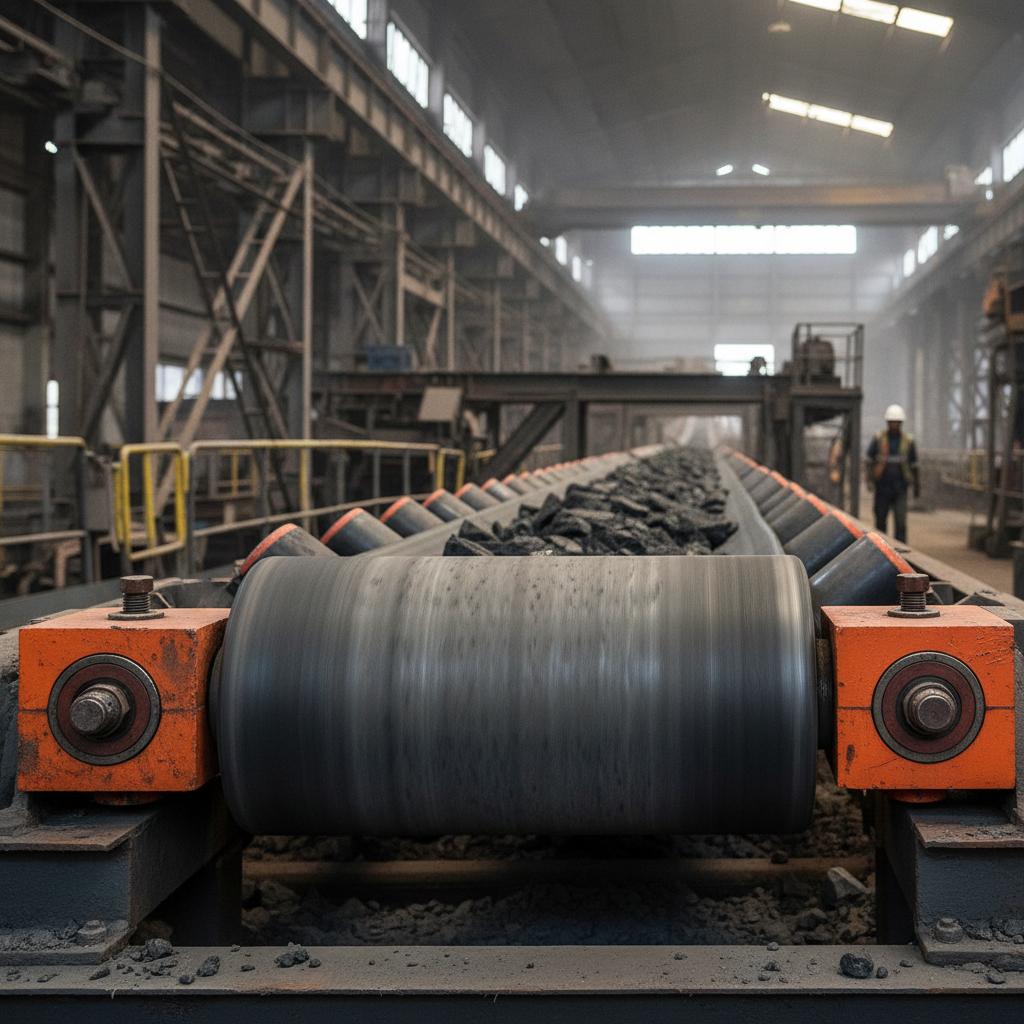
Belt conveyor rollers, often categorized as idlers, are the fundamental support points that ensure a belt maintains its profile and trajectory under load. Whether utilizing troughing idlers for capacity or impact idlers for loading zones, the precision of the roller's concentricity directly determines the energy efficiency of the entire conveyor system.
When rollers are manufactured with poor tolerances, they create uneven friction and "flat spots," which increase the tension required to move the belt. This not only accelerates belt wear but also puts undue stress on the driving pulleys and motors, leading to higher energy consumption and premature component failure.
For enterprises operating in coal mines or steel mills, the environment is inherently hostile. Dust ingress and moisture can penetrate standard seals, leading to bearing seizure. Therefore, the value provided by a supplier is not just the roller itself, but the engineering of the seal and the quality of the bearing housing.
Engineering Benchmarks for Industrial Roller Durability
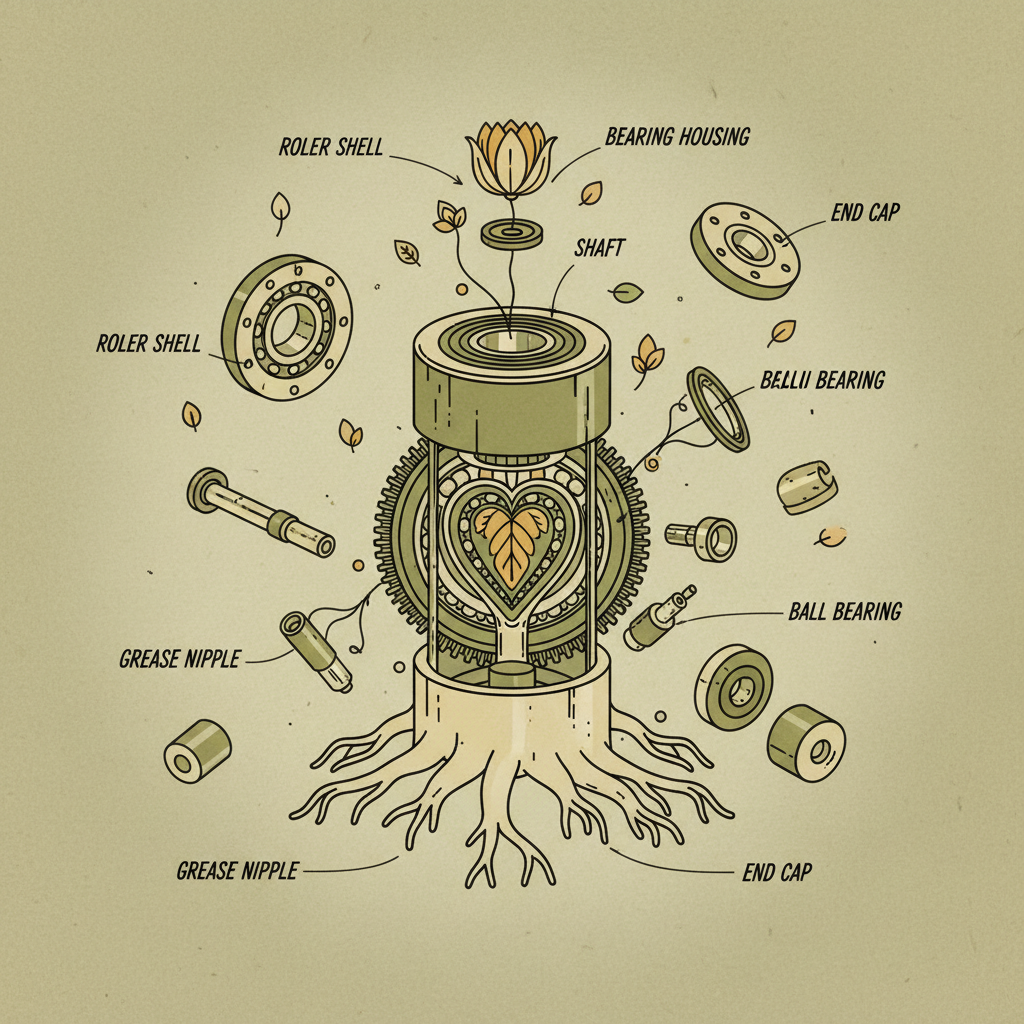
The longevity of a conveyor roller is primarily a function of its sealing system and material specification. High-performance rollers utilize labyrinth seals or double-contact seals to prevent the infiltration of abrasive particulates, which is the leading cause of bearing failure in industrial settings.
Material choice is equally critical. While standard Q235B steel is common for frames, the shell thickness (ranging from 2.5mm to 6mm) must be matched to the load requirements. For corrosive environments, coatings such as Hot-Dip Galvanizing or electrostatic powder spraying are essential to prevent oxidation and structural degradation.
Furthermore, the integration of high-precision bearings from brands like SKF or NSK ensures that the roller operates with minimal vibration. This precision is what allows some specialized rollers to reach a service life of up to 50,000 hours, significantly exceeding international standard benchmarks for heavy-duty conveying.
Application-Specific Roller Selection for Harsh Environments
Different zones of a conveyor system require distinct roller technologies. In loading areas, Impact Idlers are mandatory to absorb the kinetic energy of falling bulk materials, protecting the belt from punctures and the conveyor frame from structural fatigue.
In areas where belt drift is common, aligning idlers—such as the double-center roller new type or friction aligning idlers—are employed to automatically correct the belt's path. These components reduce manual intervention and prevent the belt from rubbing against the structure, which otherwise causes edge fraying.
Specialized applications may require Polyurethane rollers for noise reduction and chemical resistance, or Ceramic Rubber Pulleys for high-friction driving requirements. The ability of a supplier to provide a customized roller tailored to a specific trough angle (from 10° to 60°) is a key indicator of their technical capability.
Quantifying the Impact of Seal Quality on Service Life
The disparity between standard sealing and advanced labyrinth sealing is most evident when analyzing the maintenance cycle. In high-dust environments like cement plants, standard seals often fail within the first 10,000 hours due to particulate penetration.
By implementing a double-seal architecture with unique circlip assembly, the internal bearing environment remains isolated from external contaminants. This shift in engineering directly correlates to a reduction in unplanned downtime and a lower frequency of roller replacements.
belt conveyor roller suppliers Performance Metrics
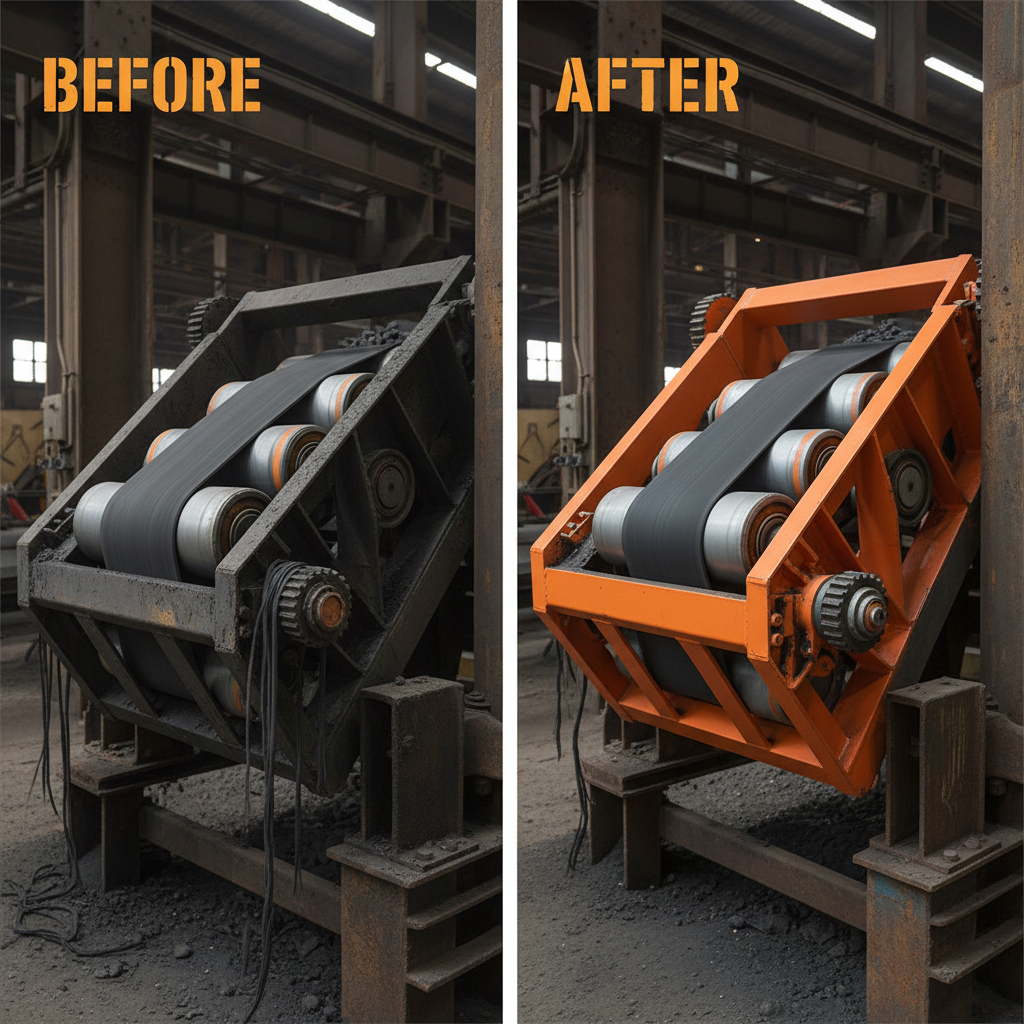
As demonstrated in the performance comparison, the adoption of precision-engineered rollers significantly enhances operational uptime and reduces the energy loss associated with rolling resistance, providing a clear ROI for the procurement of higher-grade components.
Strategic Sourcing and Technical Vendor Evaluation
When evaluating potential vendors, procurement officers should look beyond the catalog and examine the manufacturing process. The use of welding robots for idler frames ensures consistent structural integrity and reduces the risk of weld failure under heavy dynamic loads.
A reliable supplier should offer a comprehensive range of components—from driving pulleys to return idler brackets—ensuring compatibility across the entire conveyor line. This systemic approach prevents the "mixing" of disparate tolerances that can lead to premature wear.
Furthermore, certifications such as ISO9001:2008 and occupational health and safety marks (like GB/T28001) indicate a commitment to quality management that reduces the risk of receiving defective batches, which can be catastrophic in remote mining sites.
Future Shifts in Conveyor Component Material Science
The industry is likely to see a transition toward "intelligent idlers" that incorporate sensors to monitor bearing temperature and vibration in real-time. This shift from reactive to predictive maintenance could virtually eliminate unplanned downtime caused by roller seizure.
New materials, such as high-density polymers and advanced ceramics for lagging, are expected to increase the coefficient of friction and wear resistance. This may allow for shorter conveyor footprints by increasing the incline angles possible without material slippage.
Additionally, there is a growing demand for environmentally sustainable coatings that provide the same corrosion resistance as galvanizing but with a lower carbon footprint during production, aligning with the global move toward green industrial operations.
Comparative Framework for Conveyor Idler Specifications
To maximize system efficiency, it is essential to match the roller type to the specific operational stress of the conveyor zone. The following framework outlines the primary technical considerations for different idler categories.
Choosing between a standard troughing roller and a specialized impact or aligning idler depends on the material characteristics, the loading method, and the existing maintenance capacity of the facility.
| Roller Category | Primary Function | Critical Spec | Ideal Environment |
|---|---|---|---|
| Troughing Idler | Belt Support/Shaping | Trough Angle (10-60°) | Main Carrying Bed |
| Impact Idler | Shock Absorption | Rubber Ring Hardness | Loading/Transfer Points |
| Aligning Idler | Belt Tracking | Pivot Sensitivity | Long-haul Straight Runs |
| Return Idler | Bottom Belt Support | Shell Wall Thickness | Lower Return Path |
| Polyurethane Roller | Noise/Corrosion Resist | Polymer Grade | Food/Chemical Plants |
| Suspension Idler | Overhead Support | Bearing Housing Seal | Confined Space Conveying |
By applying this comparative logic, operators can optimize their spare parts inventory and ensure that the most critical zones of the conveyor are equipped with the most durable components available from their suppliers.
Frequently Asked Questions
Conclusion
The efficiency of a bulk material handling system is fundamentally tied to the reliability of its smallest components. Moving beyond a cost-per-unit procurement strategy toward a technical evaluation of sealing, material science, and manufacturing precision is the only way to ensure long-term operational stability.
For organizations seeking to optimize their conveyor performance and reduce unplanned downtime, evaluating the technical specifications of their components is a priority. Readers evaluating these requirements can review the relevant product and company information available through www.idleraohua.com.