

Rwanda's industrial landscape is characterized by a rapid shift toward mechanized agriculture and small-to-medium scale mining. However, the hilly topography and humid climate often lead to accelerated wear on idlers and rollers, necessitating components that can withstand high moisture and varying load stresses.
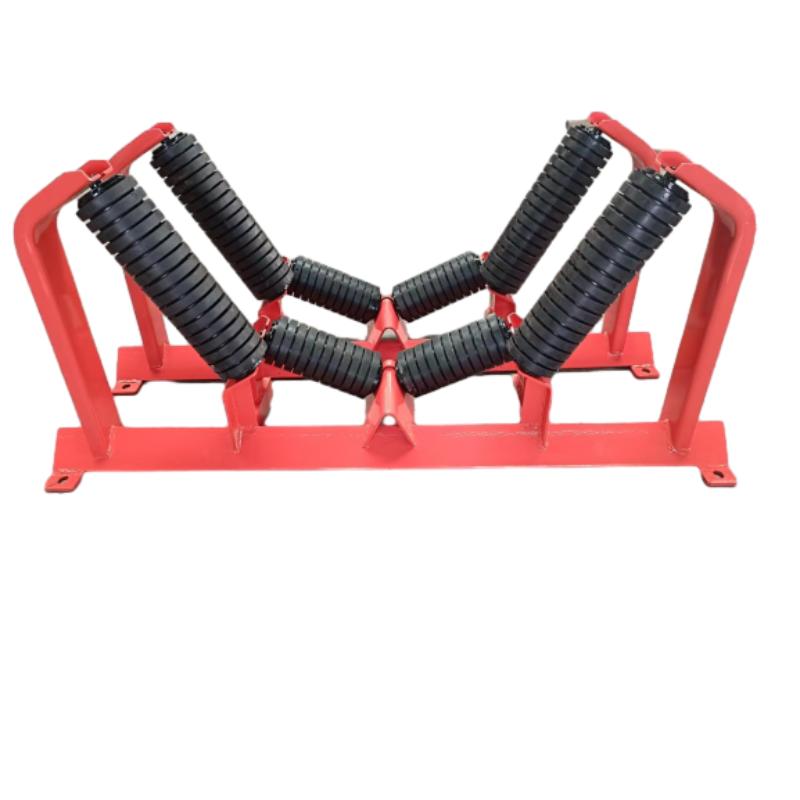
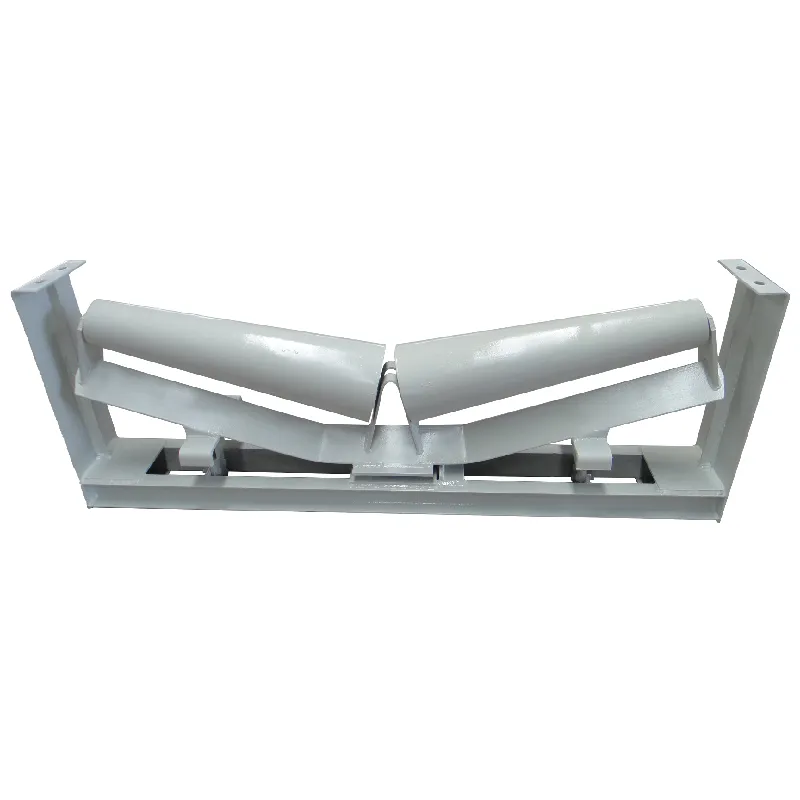
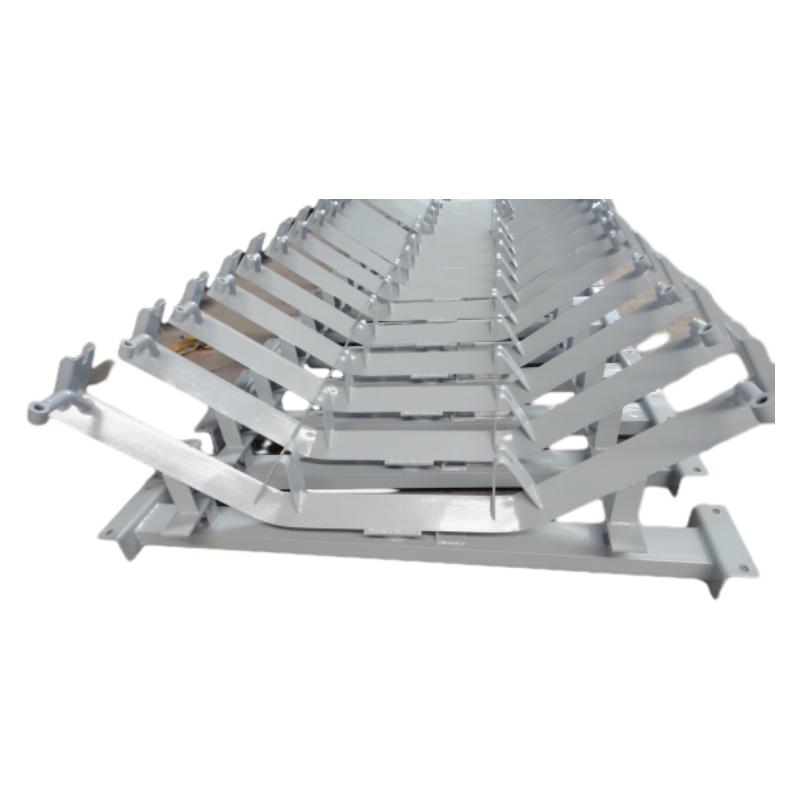
Currently, many local sites rely on generic equipment that suffers from frequent belt misalignment. The lack of specialized training idler installations has resulted in increased downtime and higher maintenance costs for critical transport lines in the Eastern and Northern provinces.
As the "Made in Rwanda" policy drives local manufacturing, there is a growing demand for high-grade steel idler rollers that offer longer lifecycles and reduced friction, replacing outdated wooden or low-grade plastic alternatives used in the past.